


Compostela sits forty minutes south of Tepic along Highway 200 in the Sierra de Vallejo foothills. The town is known for handmade saddles, shade-grown coffee, and slow-roasted meats. Compostela is worth visiting if you want unhurried colonial streets, quiet family-run leather workshops, and exceptional birria without coastal resort markups. Look elsewhere if you need late-night cocktail bars, immediate beach access, or an English-speaking tour infrastructure.
Last updated 4 Nov 2026
Build a Compostela itinerary.
Choose up to 4 threads that pull you in. Your plan arrives organised around them.
The Bed
Where to stay in Compostela
Which part of town to book, and what each one costs you in walking, noise or quiet.
The Comparison
Compostela, or somewhere near it
The places you are realistically choosing between, and the honest case for each.
The Local Record
Where to read more about Compostela
The blogs, boards, guides and operators worth bookmarking.
What to do in Compostela Nayarit Mexico
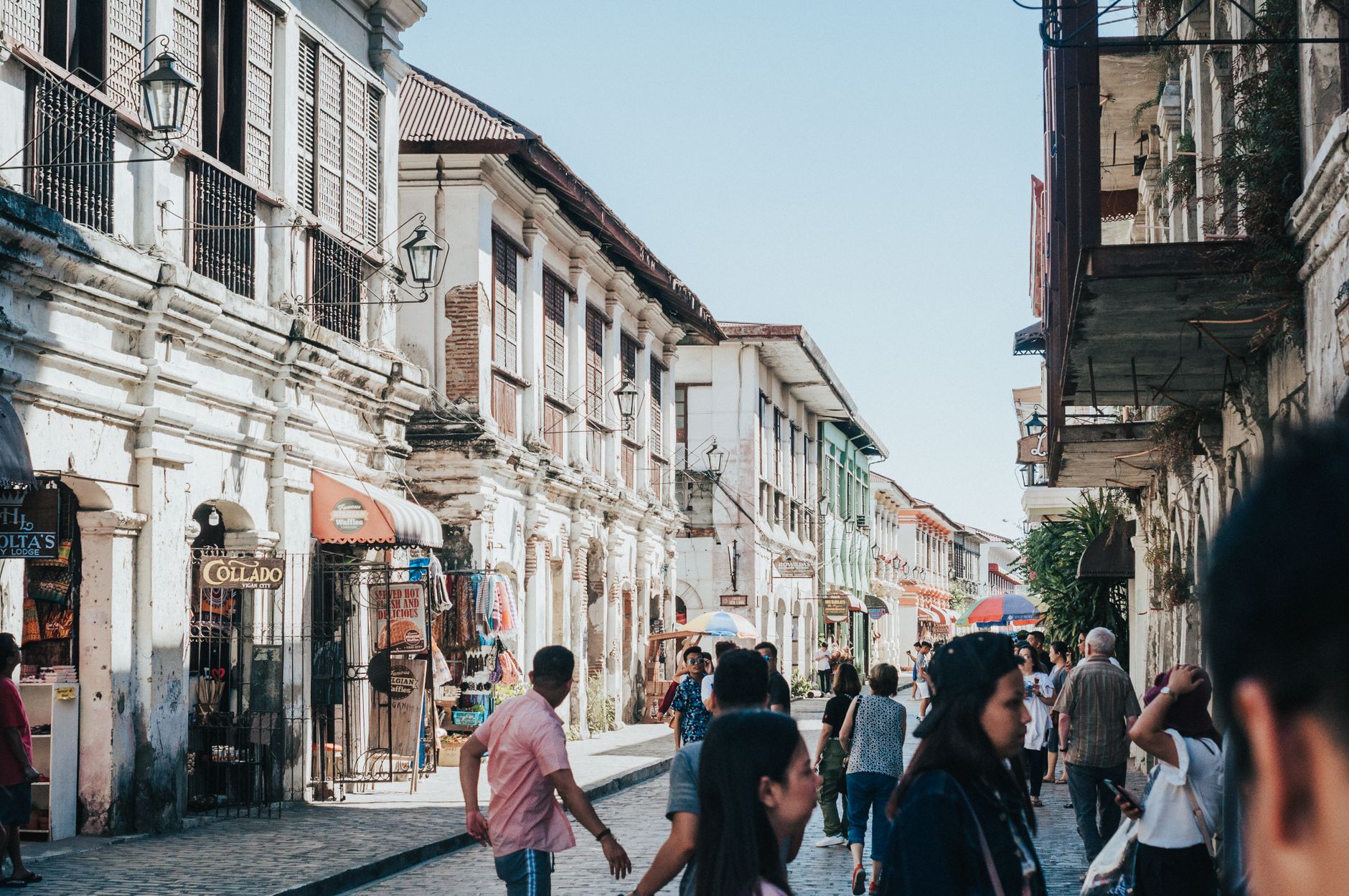
Compostela is laid out on a classic Spanish grid of low tile-roofed buildings around a wide, tree-shaded square. Days here move quietly around morning coffee, afternoon errands at leather workshops on Calle Hidalgo, and late-day snacking by the parish church. It suits independent travellers who value genuine agricultural rhythm and mountain air over curated resort amenities.
24 hours in Compostela Nayarit Mexico
Start early with fresh coffee and pastries by Plaza Principal, then tour the Templo del Señor de la Misericordia. By noon, head to Mercado Municipal for a bowl of goat birria. Spend the afternoon browsing leather ateliers before settling onto a plaza bench for roasted pork tacos as the sun sets. Select 1 Day above to see it.
2 days in Compostela Nayarit Mexico
A second day allows a peaceful morning walk out to Laguna de Miravalles for fresh fried tilapia under palapas, just ten minutes by local taxi. In the afternoon, explore the pre-Hispanic shaft-tomb ceramics at Museo de Compostela and end with sweet mango raspados in the centre. Choose 2 Days to expand the plan.
3 days in Compostela Nayarit Mexico
With three days, take Highway 200 down to the quiet bay of Chacala for whole grilled robalo on the beach, or drive inland to the round volcanic ruins of Los Toriles at Ixtlán del Río, returning to cool mountain breezes in Compostela each evening.
Compostela Nayarit Mexico itineraries by interest
Leather Craft in Compostela Nayarit Mexico
Watch talabarteros tool bespoke saddles, holsters, and sturdy pigskin boots in small family-run workshops along Calle Hidalgo.
Sacred Architecture in Compostela Nayarit Mexico
Step into the sixteenth-century Templo del Señor de la Misericordia to see yellow quarry stone and revered wood-carved Christ figures.
Street Food in Compostela Nayarit Mexico
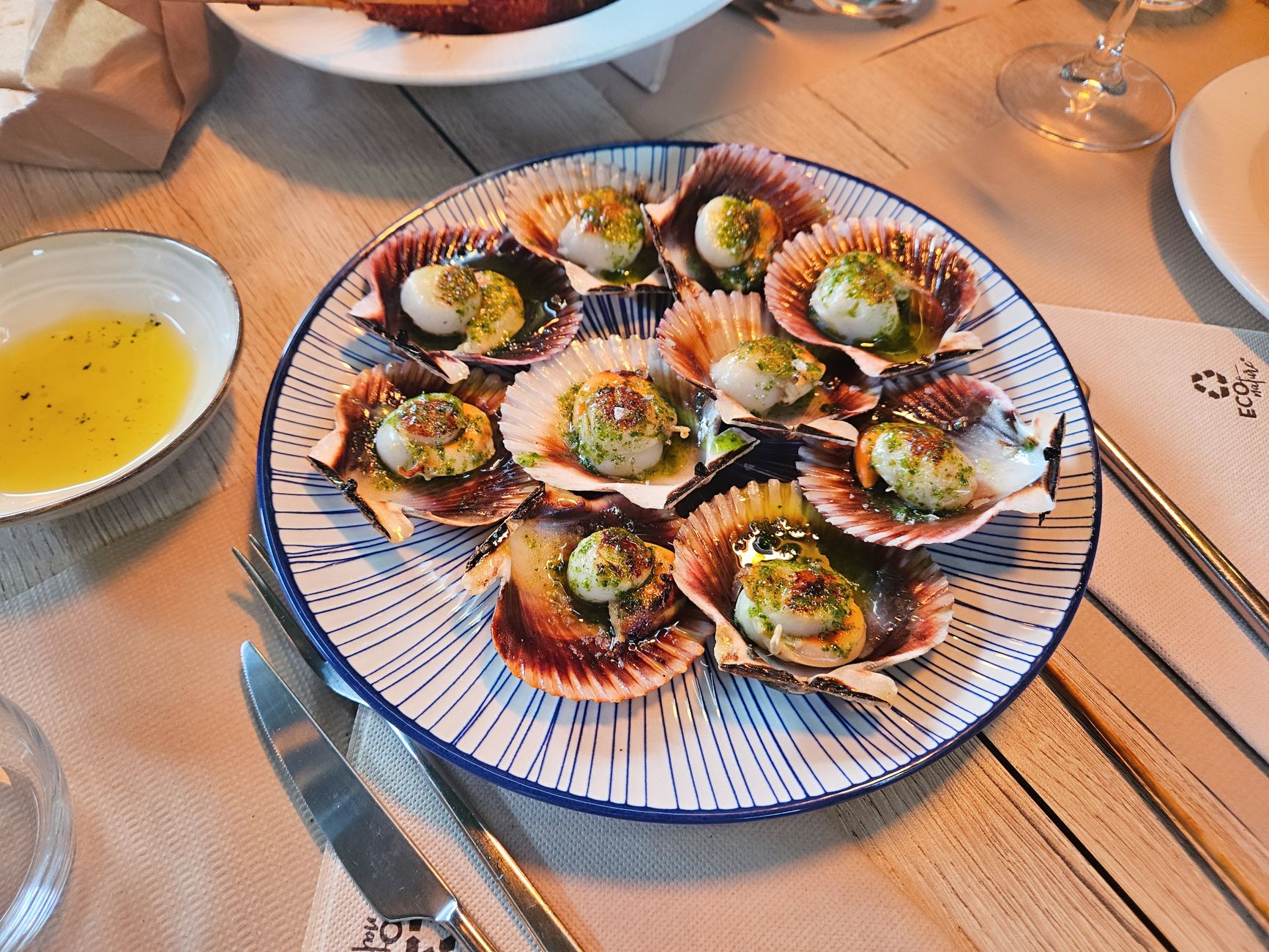
Line up at corner stalls around the main plaza for crisp lechón al horno, goat birria folded into thick handmade tortillas, and sopes.
Local Coffee in Compostela Nayarit Mexico
Sample dark-roast mountain Arabica beans harvested from the cloud-forest slopes of Sierra de Vallejo at simple roasteries in town.
Plaza Life in Compostela Nayarit Mexico
Take an iron bench in Plaza Principal under ancient trees with a cup of shaved ice and cajeta de mango as bandstands fill at dusk.
Markets & Produce in Compostela Nayarit Mexico
Wander Mercado Municipal for fresh requesón, dried chilies, wild honey, and seasonal jackfruit hauled straight from coastal orchards.
Regional History in Compostela Nayarit Mexico
Explore the Museo de Compostela on Calle Hidalgo for pre-Hispanic pottery, Nayarit shaft-tomb ceramics, and colonial mining maps.
Freshwater Lakes in Compostela Nayarit Mexico
Head three kilometres south to Laguna de Miravalles for quiet lakeside walks, paddle boats, and fried tilapia under open-air palapas.
Traditional Sweets in Compostela Nayarit Mexico
Pick up rolled guava paste, tamarind candies, and pumpkin seed brittle sold from glass cases inside doorway sweetshops near the plaza.
Day Trips in Compostela Nayarit Mexico
Drive forty minutes down the winding mountain pass to the sleepy Pacific cove at Chacala for grilled fish on the sand.
Archaeology in Compostela Nayarit Mexico
Travel east to the Los Toriles archaeological zone near Ixtlán del Río to view round lava-stone temples dedicated to Quetzalcoatl.
Hiking in Compostela Nayarit Mexico
Climb the forested slopes of Cerro del Molcajete above town for sweeping vistas across the volcanic valley and surrounding cornfields.