


Cortona sits eighty minutes south of Florence by train via Camucia station, perched high above the Valdichiana plain. The town is known for its fourth-century BC Etruscan walls, Renaissance paintings, and local Syrah. Cortona is worth visiting if you want steep stone alleys, serious Etruscan antiquities, and Chianina beef braises in cool stone cellars. Look elsewhere if you require level walking, late-night dance clubs, or train tracks running directly into the centre.
Last updated 7 Nov 2026
Build a Cortona itinerary.
Choose up to 4 threads that pull you in. Your plan arrives organised around them.
The Bed
Where to stay in Cortona
Which part of town to book, and what each one costs you in walking, noise or quiet.
The Comparison
Cortona, or somewhere near it
The places you are realistically choosing between, and the honest case for each.
The Local Record
Where to read more about Cortona
The blogs, boards, guides and operators worth bookmarking.
What to do in Cortona Tuscany Italy
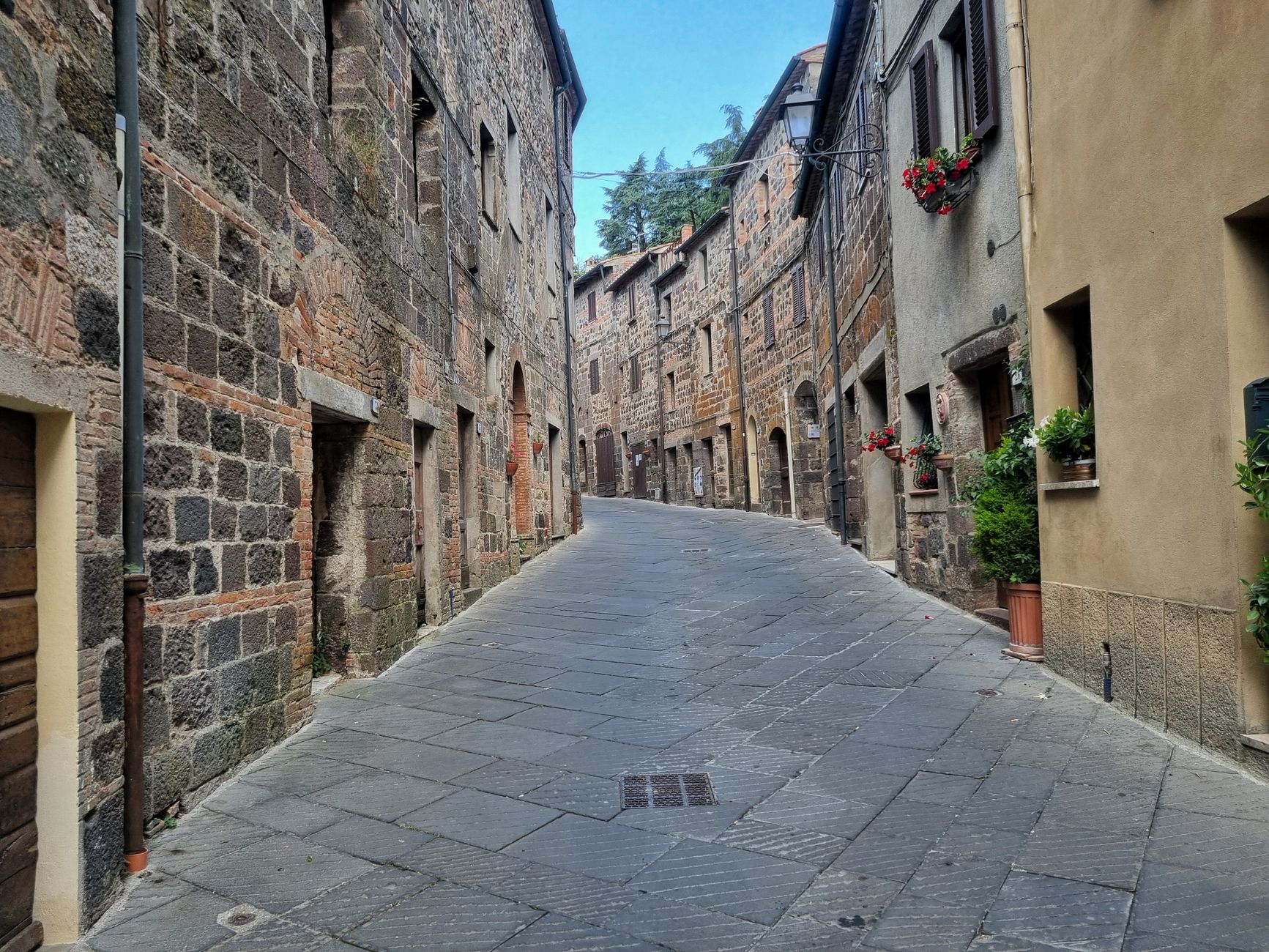
Cortona is stacked on a steep ridge where daily life gathers around Piazza della Repubblica and Piazza Signorelli. Morning routines mean an espresso on the stone staircase before the afternoon hill climb begins. The town suits travellers who enjoy Etruscan history, thick cuts of Chianina steak, and slow walks along medieval lanes that test the calf muscles, rewarded by vast panoramic views across the Valdichiana to Lake Trasimeno.
24 hours in Cortona Tuscany Italy
Start early at the MAEC museum in Palazzo Casali to see the Etruscan bronze lamp before tour crowds arrive. For lunch, order pici al fumo on Via Guelfa. Spend the afternoon climbing past the Severini mosaics to the Medici Fortress, finishing with a glass of Cortona Syrah on Piazza della Repubblica by dusk. Select 1 Day above to see it.
2 days in Cortona Tuscany Italy
Day two explores beyond the upper gate. Walk three kilometres along the wooded valley to the tranquil stone hermitage of Le Celle, founded by Saint Francis. Return to town for a quiet dinner of wood-grilled Chianina beef and rosemary potatoes in an ancient vaulted cellar off Via Nazionale. Choose 2 Days to expand the plan.
3 days in Cortona Tuscany Italy
A third day allows you to descend the hill to the Etruscan Melone tombs at Sodo, then drive twenty minutes south to the shores of Lake Trasimeno in neighbouring Umbria. Settle in for lunch of fried lake fish, followed by an afternoon tasting olive oils at a family frantoio near Castiglione del Lago.
Cortona Tuscany Italy itineraries by interest
Ancient Archaeology in Cortona Tuscany Italy
The MAEC museum holds the Etruscan bronze chandelier from the fifth century BC, plus tomb gold and funerary urns recovered from the Melone mounds below.
Regional Wine in Cortona Tuscany Italy
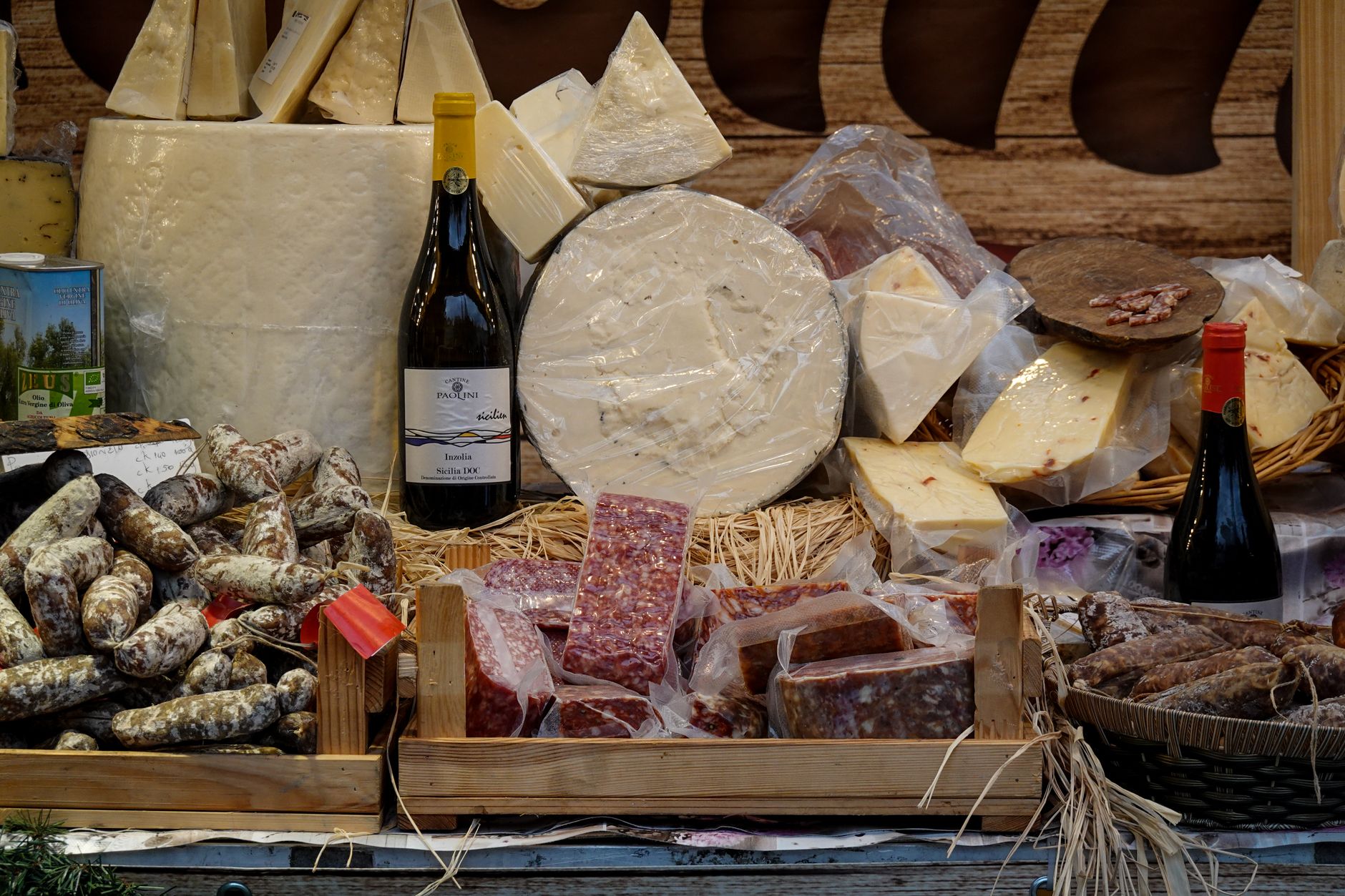
Local cellars pour Cortona DOC Syrah and Sangiovese, paired with dry Pecorino di Pienza and seasoned lardo along Via Nazionale.
Sacred Art in Cortona Tuscany Italy
The Museo Diocesano displays Fra Angelico's Annunciation and works by Pietro Lorenzetti in front of quiet, uncrowded viewing benches.
Pasta Traditions in Cortona Tuscany Italy
Osterias hand-roll thick flour-and-water pici pasta, served al fumo with smoked pancetta or tossed in a slow-simmered wild boar ragù.
Hilltop Walking in Cortona Tuscany Italy
The steep climb up Via Crucis passes Severini mosaics to reach the stone Santa Margherita sanctuary and the 16th-century Medici Fortress.
Butcher Traditions in Cortona Tuscany Italy
Local menus highlight thick Florentine steaks cut from Valdichiana Chianina cattle, seared over oak coals with coarse salt and olive oil.
Weekly Markets in Cortona Tuscany Italy
Saturday mornings in Piazza Signorelli bring wheel wedges of aged pecorino, porchetta sandwiches sliced to order, and seasonal artichokes.
Historic Monasteries in Cortona Tuscany Italy
Le Celle hermitage sits in a forested ravine three kilometres north, founded by Francis of Assisi in 1211 among stone cells and bridges.
Etruscan Tombs in Cortona Tuscany Italy
The archaeological park at the base of the hill preserves the circular Melone I and II burial mounds dating to the sixth century BC.
Town Squares in Cortona Tuscany Italy
Piazza della Repubblica anchors daily life, where morning espresso is taken on the grand fourteenth-century steps of Palazzo del Comunale.
Olive Oil in Cortona Tuscany Italy
Tuscan extra virgin oil from moraiolo and frantoio olives is pressed each autumn and drizzled raw across hot grilled fettunta bread.
Craft Pottery in Cortona Tuscany Italy
Small artisan workshops tucked along Via Guelfa produce hand-thrown maiolica ceramics with traditional floral and geometric Tuscan glaze patterns.