_(circle_of)_-_The_Rape_of_the_Sabines_-_89_-_Oxford_Town_Hall.jpg)


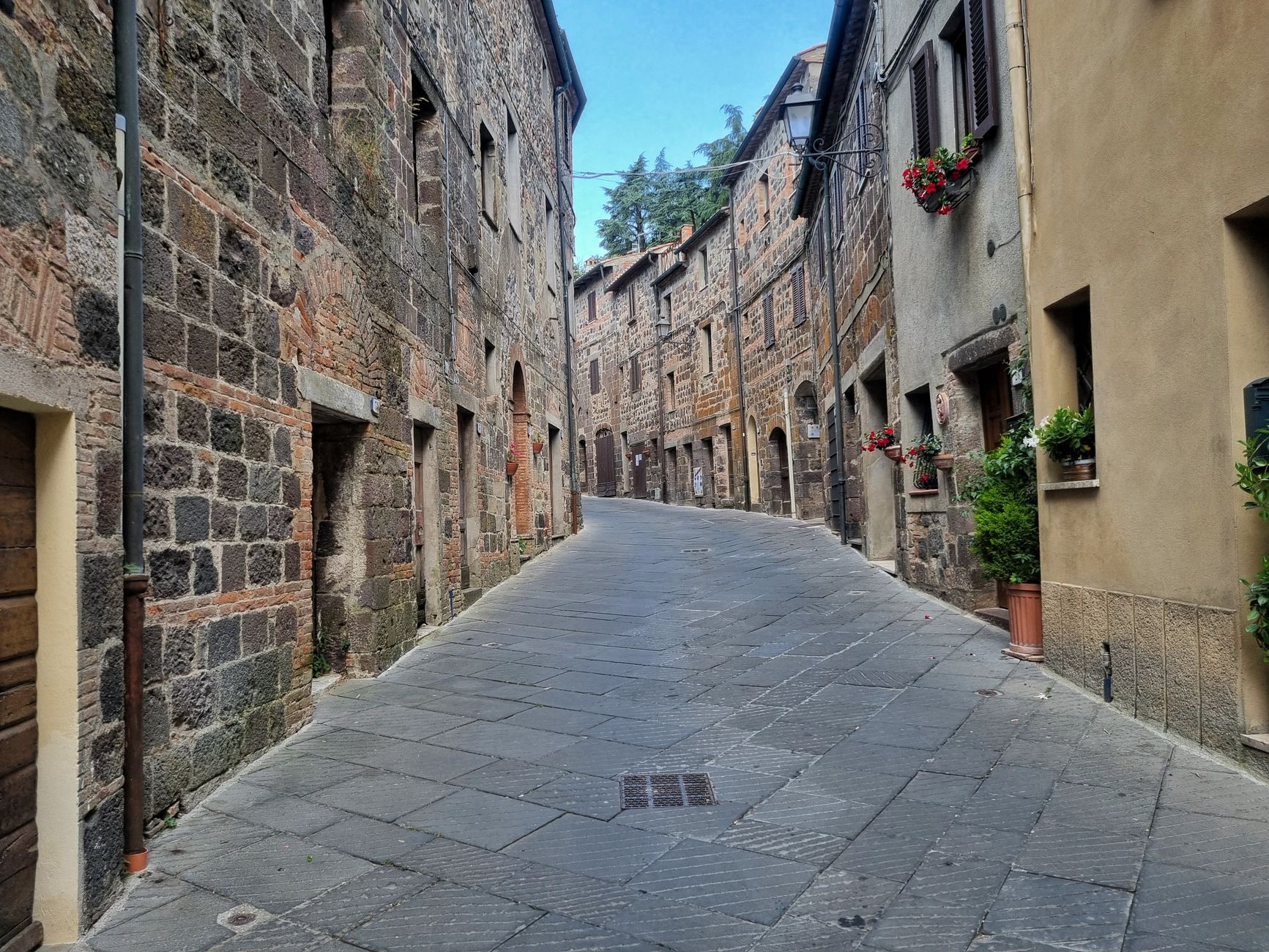
Cortona sits on a high ridge an hour and a half south of Florence by train via Camucia-Cortona station, followed by a ten-minute bus climb. The town is known for its steep stone streetscapes, fourth-century BC Etruscan city walls, and deep-rooted Chianina cattle tradition. You will do serious uphill walking, rewarded by broad views over the Valdichiana plain. Cortona is worth visiting if you want to study Etruscan bronzes and eat thick pici pasta overlooking olive terraces. Look elsewhere if you need flat, step-free walking, late-night nightlife, or direct train access straight into the town center.
Last updated 12 Sept 2026
Build a Cortona itinerary.
Choose up to 4 threads that pull you in. Your plan arrives organised around them.
We'll craft a 4-lens plan for Cortona, one collapsible strand per lens.
Wine & Vineyards
Sample bold Cortona DOC Syrah and Sangiovese blends produced in hillside vineyards facing southwest across the sunlit Valdichiana.
Wine & Vineyards
Sample bold Cortona DOC Syrah and Sangiovese blends produced in hillside vineyards facing southwest across the sunlit Valdichiana.
Climbing to Valley Overlooks
Fortezza del Girifalco
Follow the steep stone vicoli uphill to the fortress walls. Tickets cost six euros at the gate, and the walk takes forty minutes with pauses.
Editor TipConstructed in 1556 over ancient Etruscan defenses, the bastions frame wide views across the Valdichiana plain and the surrounding Cortona DOC Syrah vineyards. Wear shoes with good traction, as the centuries of foot traffic have polished the flagstone paths glass-smooth.
Drinking Cortona Syrah and Chianina
Osteria del Teatro
Book four days ahead for a table in the 1500s dining room. Order the hand-rolled pici with Chianina ragu and a bottle of local Stefano Amerighi Syrah.
Editor TipCortona's clay soils and warm microclimate produce Italy's most celebrated Syrah, pairing naturally with Chianina cattle reared across the Valdichiana since Roman antiquity. Skip the heavy antipasto board. Save your stamina for the house-made tagliata and roasted rosemary potatoes.
Cortona DOC Syrah Tasting
Enoteca Molesini
Walk in without a booking to sample regional pours by the glass with the Molesini family. Allow forty-five minutes; tastings start at eight euros depending on your pour.
Editor TipUnlike most of Tuscany, Cortona excels in Syrah, planted here in the late twentieth century after vintners matched the sun-drenched clay soils with Rhone clones. Do not skip their single-vineyard Syrah recommendations before you buy a bottle to pack.
Tasting Clay Amphora Syrah
Tenuta Stefano Amerighi
Tour the biodynamic vines and sample savory Syrah aged in cement and terracotta jars. Tastings cost thirty-five euros; reserve by email at least three days in advance.
Editor TipCortona's clay-and-silt terroir closely mirrors the Northern Rhône, yielding peppery, concentrated Syrah that earned its own official DOC recognition in 1999. Wear sturdy flat boots; the cellar team will walk you straight out into the loose farm soil.
Day Trips
Drive twenty minutes south to Lake Trasimeno for grilled perch, or forty minutes north to the antique markets and frescoed chapels of Arezzo.
Day Trips
Drive twenty minutes south to Lake Trasimeno for grilled perch, or forty minutes north to the antique markets and frescoed chapels of Arezzo.
Morning Roast and Piazza Life
Caffè Signorelli
Stand at the zinc counter for an espresso and a fresh cornetto, then step outside to watch the square wake up. Budget five euros and twenty minutes.
Editor TipPiazza della Repubblica has served as Cortona's civic heart since the Roman era, where local growers and shopkeepers still gather each morning to trade news. Drink your espresso standing at the bar to pay standard local rates rather than terrace table surcharges.
Hilltop Views
Stop at Piazza Garibaldi at dusk for wide looks across the olive groves toward Lake Trasimeno, with a glass of crisp local white in hand.
Hilltop Views
Stop at Piazza Garibaldi at dusk for wide looks across the olive groves toward Lake Trasimeno, with a glass of crisp local white in hand.
Pici al Ragu and Chianina
Trattoria Dardano
Book a table by phone a day ahead. Order the hand-rolled pici with wild boar ragù and the grilled Chianina steak, served simply with local olive oil. Dinner runs thirty euros per person.
Editor TipVia Dardano sits away from the main tourist drag, where the kitchen still rolls water-and-flour pici each afternoon using grain sourced from the Valdichiana plain just below the walls. Arrive right at opening to watch the kitchen settle into rhythm before the crowd arrives.
Feasting on Rustic Pici
Locanda del Molino
Reserve an outdoor table by the stream. Order the thick hand-rolled pici with duck ragù and grilled sliced Chianina steak. Expect to spend fifty euros per person.
Editor TipSet inside a seventeenth-century watermill along the Esse stream, this valley kitchen anchors Valdichiana peasant cooking around heritage white cattle and hand-pulled water-and-flour pasta. The road through the Montanare woods is unlit; take the curves gently and look out for wandering wild boar.
Markets & Produce
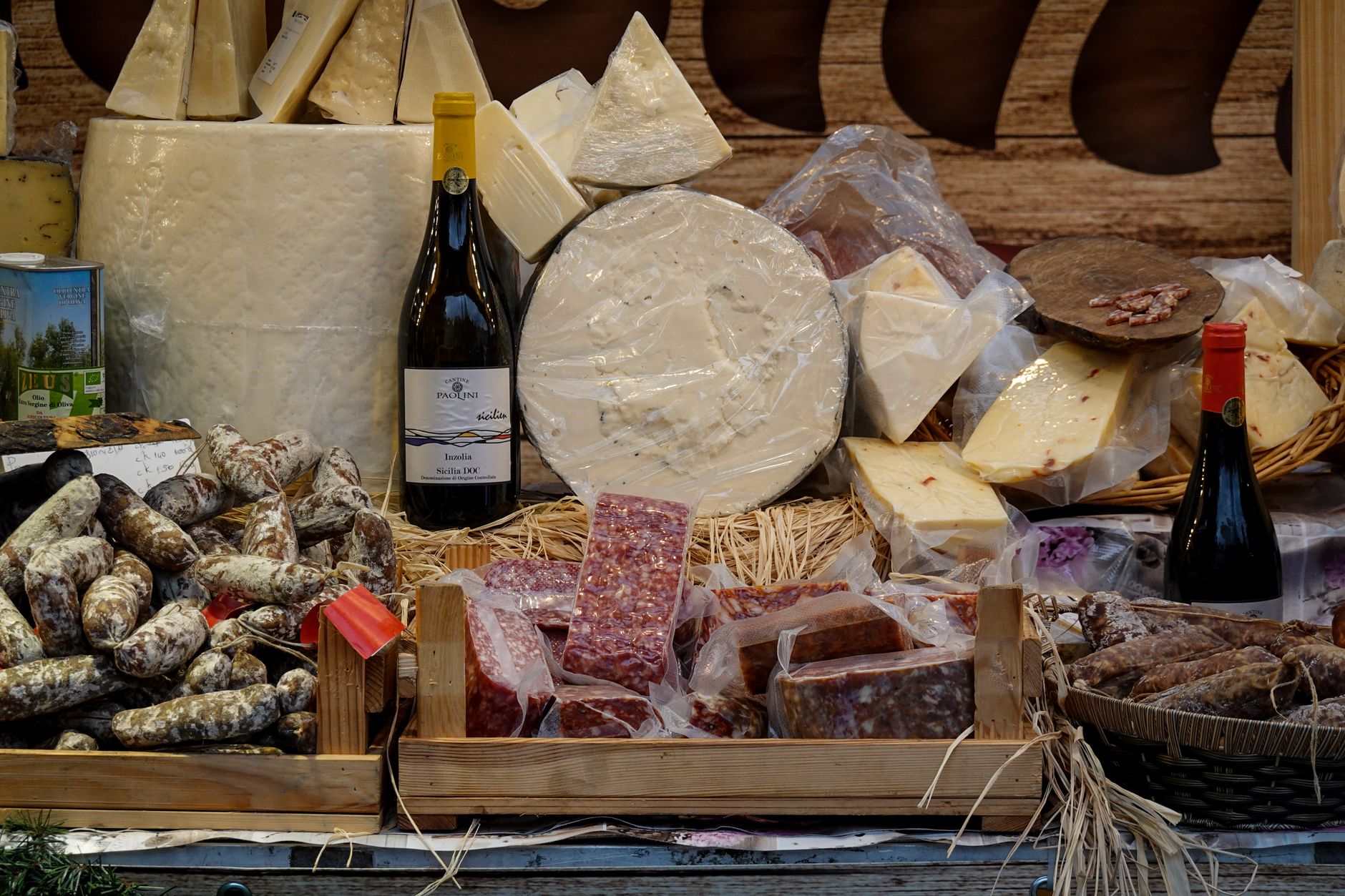
Browse Piazza Signorelli on Saturday mornings for aged pecorino from Pienza, cured wild boar salumi, and seasonal porcini mushrooms.
Markets & Produce
Browse Piazza Signorelli on Saturday mornings for aged pecorino from Pienza, cured wild boar salumi, and seasonal porcini mushrooms.
Slicing Finocchiona and Pecorino
Bottega dell'Innominato
Step inside to order fresh paninis stuffed with aged Pienza pecorino and fennel-cured finocchiona. It costs around five euros and takes ten minutes at the counter.
Editor TipTuscan salumi traditions rely on heritage pig breeds and wild fennel seeds, a medieval spice substitution that local butchers have perfected over centuries. Ask for a slice of the stagionato pecorino to taste before they wrap your sandwich.
Sampling Warm Crust Porchetta
Mercato Settimanale di Camucia
Walk the food stalls at Piazza Sergardi and buy a porchetta roll carved warm from the whole roast pig for five euros. Allow forty-five minutes to browse the produce rows.
Editor TipValdichiana growers bring seasonal greens, raw-milk pecorino, and fennel-scented roast pork here every week, feeding local working families rather than tour buses. Arrive before 09:30 before the crispiest crackling sells out and local parking fills up.
Note from the Editor
“Tackle Cortona's vertical streets early before the Tuscan sun warms the paving stones. Day-trippers thin out rapidly the higher you climb, leaving the upper ramparts quiet until late morning.”
The Bed
Where to stay in Cortona
Which part of town to book, and what each one costs you in walking, noise or quiet.
The Comparison
Cortona, or somewhere near it
The places you are realistically choosing between, and the honest case for each.
The Local Record
Where to read more about Cortona
The blogs, boards, guides and operators worth bookmarking.
What to do in Cortona Tuscany Italy
Cortona is built on a steep incline where daily life gathers around Piazza della Repubblica and Piazza Signorelli. Mornings belong to market stalls and espresso at street-facing counters; afternoons are spent climbing stone lanes to church courtyards or lingering over wine. It suits independent travellers comfortable with vertical climbs, regional cooking, and layered Etruscan and Renaissance history away from heavy tour-bus corridors.
24 hours in Cortona Tuscany Italy
Start early at the Diocesan Museum for Fra Angelico's Annunciation, then climb the steep Via Crucis to the Medici Fortress. Lunch on duck pici at an osteria on Via Ghibellina, spend the afternoon in the MAEC Etruscan museum, and finish with evening wine at Piazza Garibaldi overlooking the glowing valley. Select 1 Day above to see it.
2 days in Cortona Tuscany Italy
A second day lets you hike out the eastern gate to the quiet Franciscan hermitage of Le Celle along the wooded stream. Head down to the plain for lunch to explore the Etruscan burial mounds, then return to town for a massive Chianina steak grilled over coals, paired with Cortona DOC Syrah. Choose 2 Days to expand the plan.
3 days in Cortona Tuscany Italy
Three days allow unhurried exploration of the Valdichiana border country. Drive south to the ferry at Passignano sul Trasimeno for lake fish on Isola Maggiore, or head west into Montepulciano for cellar tastings, returning to Cortona for late-night strolls along quiet, lamplit stone lanes.
Cortona Tuscany Italy itineraries by interest
Archaeology & Antiquities in Cortona Tuscany Italy
See the Etruscan bronze chandelier at MAEC inside Palazzo Casali and explore the second-century BC Melone burial mounds down on the plain.
Local Pasta in Cortona Tuscany Italy
Order hand-rolled pici tossed with rich duck ragù or chianina meat sauce at family-run trattorias along Via Nazionale and Piazza Signorelli.
Wine & Vineyards in Cortona Tuscany Italy
Sample bold Cortona DOC Syrah and Sangiovese blends produced in hillside vineyards facing southwest across the sunlit Valdichiana.
Sacred Architecture in Cortona Tuscany Italy
Climb to the sixteenth-century Santa Maria delle Grazie al Calcinaio and the hillside sanctuary of Santa Margherita above the fortress.
Historic Fortifications in Cortona Tuscany Italy
Walk the perimeter of the trapezoidal Medici Fortress at the top of the ridge and trace the monumental polygonal Etruscan town walls.
Meat & Butchery in Cortona Tuscany Italy
Try thick Chianina T-bone steaks grilled rare over wood embers and seasoned simply with coarse salt and local extra virgin olive oil.
Renaissance Art in Cortona Tuscany Italy
Examine Fra Angelico's Annunciation and paintings by local master Luca Signorelli in the quiet Museo Diocesano opposite the cathedral.
Hilltop Views in Cortona Tuscany Italy
Stop at Piazza Garibaldi at dusk for wide looks across the olive groves toward Lake Trasimeno, with a glass of crisp local white in hand.
Markets & Produce in Cortona Tuscany Italy
Browse Piazza Signorelli on Saturday mornings for aged pecorino from Pienza, cured wild boar salumi, and seasonal porcini mushrooms.
Monastic Life in Cortona Tuscany Italy
Walk two kilometres east into the wooded valley to visit Le Celle hermitage, established by Saint Francis of Assisi in 1211.
Craft Traditions in Cortona Tuscany Italy
Browse artisan workshops along Via Guelfa turning local walnut, beaten copper, and hand-painted glazed ceramics in classical styles.
Day Trips in Cortona Tuscany Italy
Drive twenty minutes south to Lake Trasimeno for grilled perch, or forty minutes north to the antique markets and frescoed chapels of Arezzo.