
.jpg)
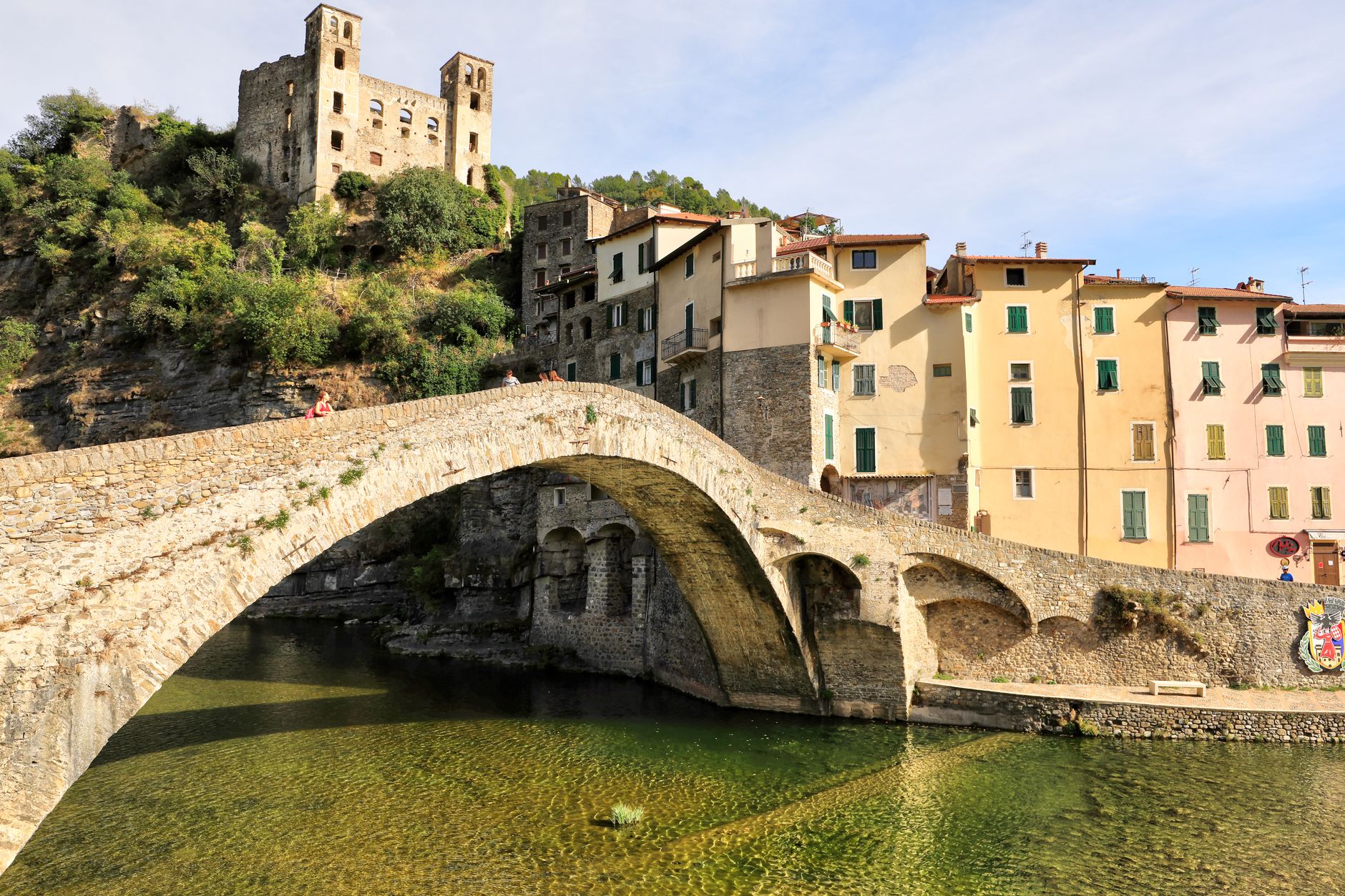
Dolceacqua sits ten kilometres north of Ventimiglia in the Nervia Valley, a twenty-minute ride on the local bus. It is known for its single-arch fifteenth-century bridge spanning the river and the peppery Rossese di Dolceacqua red wine produced on the terraced hills above. Dolceacqua is worth visiting if you want to drink DOC red wine at village cellars and walk medieval vaulted stone alleys. Look elsewhere if you want sandy beaches, flat promenades, or late-night clubbing.
Last updated 5 Oct 2026
Build a Dolceacqua itinerary.
Choose up to 4 threads that pull you in. Your plan arrives organised around them.
The Bed
Where to stay in Dolceacqua
Which part of town to book, and what each one costs you in walking, noise or quiet.
The Comparison
Dolceacqua, or somewhere near it
The places you are realistically choosing between, and the honest case for each.
The Local Record
Where to read more about Dolceacqua
The blogs, boards, guides and operators worth bookmarking.
What to do in Dolceacqua Liguria Italy
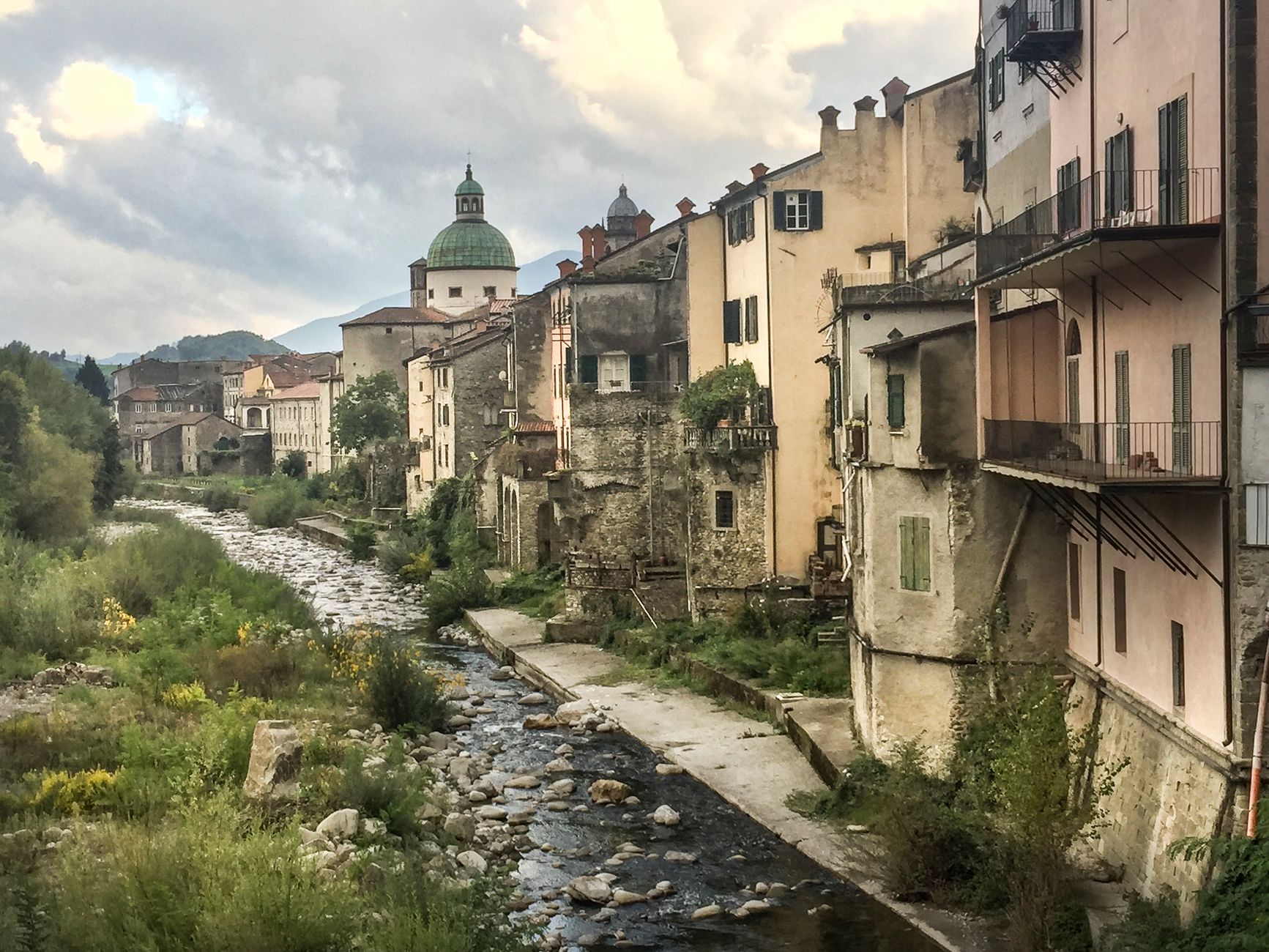
Dolceacqua splits in two across the river Nervia: the older Terra district clinging to the castle hill and the flatter Borgo across the stone bridge. Daily life centres around morning espresso on Piazza Garibaldi, browsing village cellars for Rossese wine, and climbing the stepped alleys to Castello dei Doria. It suits unhurried walkers, wine enthusiasts, and anyone who appreciates quiet stone masonry.
24 hours in Dolceacqua Liguria Italy
Start with a fresh micchetta pastry from a Borgo bakery, then cross the 33-metre bridge to wander Terra's dark carrugi. Climb up to the Doria Castle ruins before midday. For dinner, order coniglio alla ligure with a bottle of Rossese at an osteria along the riverbank. Select 1 Day above to see it.
2 days in Dolceacqua Liguria Italy
Use your second morning to walk the marked trail among olive terraces up to the sanctuary of dell'Addolorata for valley views. In the afternoon, take a ten-minute drive further up the Nervia valley to Apricale, dining on pansotti with walnut sauce in its stone piazza. Choose 2 Days to expand the plan.
3 days in Dolceacqua Liguria Italy
With three days, arrange a cellar tasting at an independent Rossese vineyard on the hills above town. Spend the afternoon cooling off in the rock pools of the Nervia, or take the 20-minute bus to Ventimiglia to explore the Friday border market and seaside fish stalls.
Dolceacqua Liguria Italy itineraries by interest
Wine & Vineyards in Dolceacqua Liguria Italy
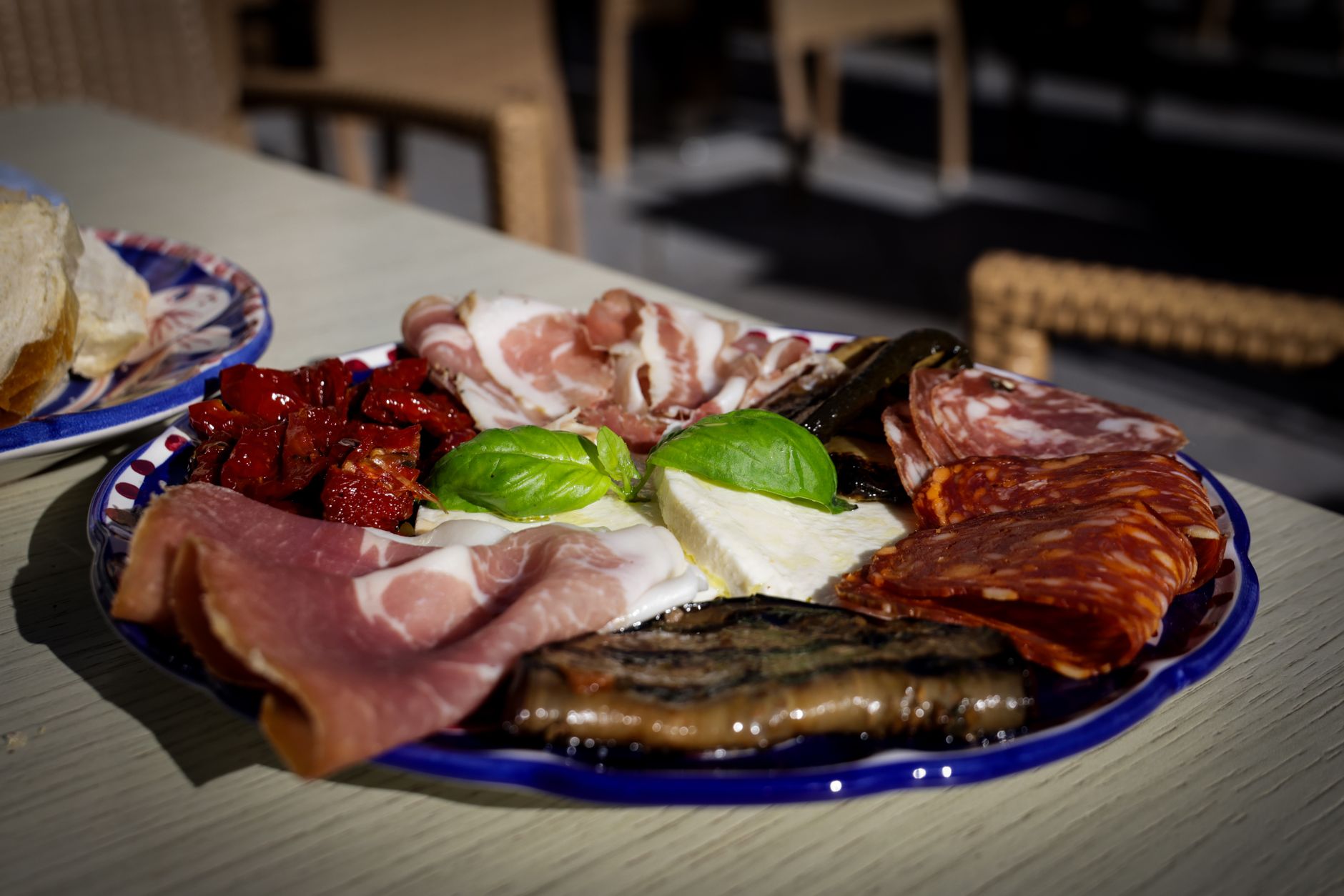
Taste Rossese di Dolceacqua DOC, a light, spicy red poured in cantinas across Terra, best paired with rabbit stew and local goat cheese.
Medieval Architecture in Dolceacqua Liguria Italy
Cross the 15th-century stone arch bridge over the Nervia and climb the covered alleyways leading to the ruined 12th-century Castello dei Doria.
Local Pastries in Dolceacqua Liguria Italy
Order micchetta, the brioche pastry dusted with sugar that village bakers make to commemorate a 14th-century stand against the local feudatory.
Olive Oil in Dolceacqua Liguria Italy
Sample fragrant, mild extra virgin oil pressed from Taggiasca olives grown on steep slate terraces flanking the Nervia Valley.
Art History in Dolceacqua Liguria Italy
Stand where Claude Monet set his easel in 1884 on the Borgo bank, looking across the humpbacked bridge toward the castle towers.
Hiking Trails in Dolceacqua Liguria Italy
Follow the waymarked mule paths uphill to the sanctuary of dell'Addolorata or cross the ridge toward the medieval village of Perinaldo.
Old Town Alleys in Dolceacqua Liguria Italy
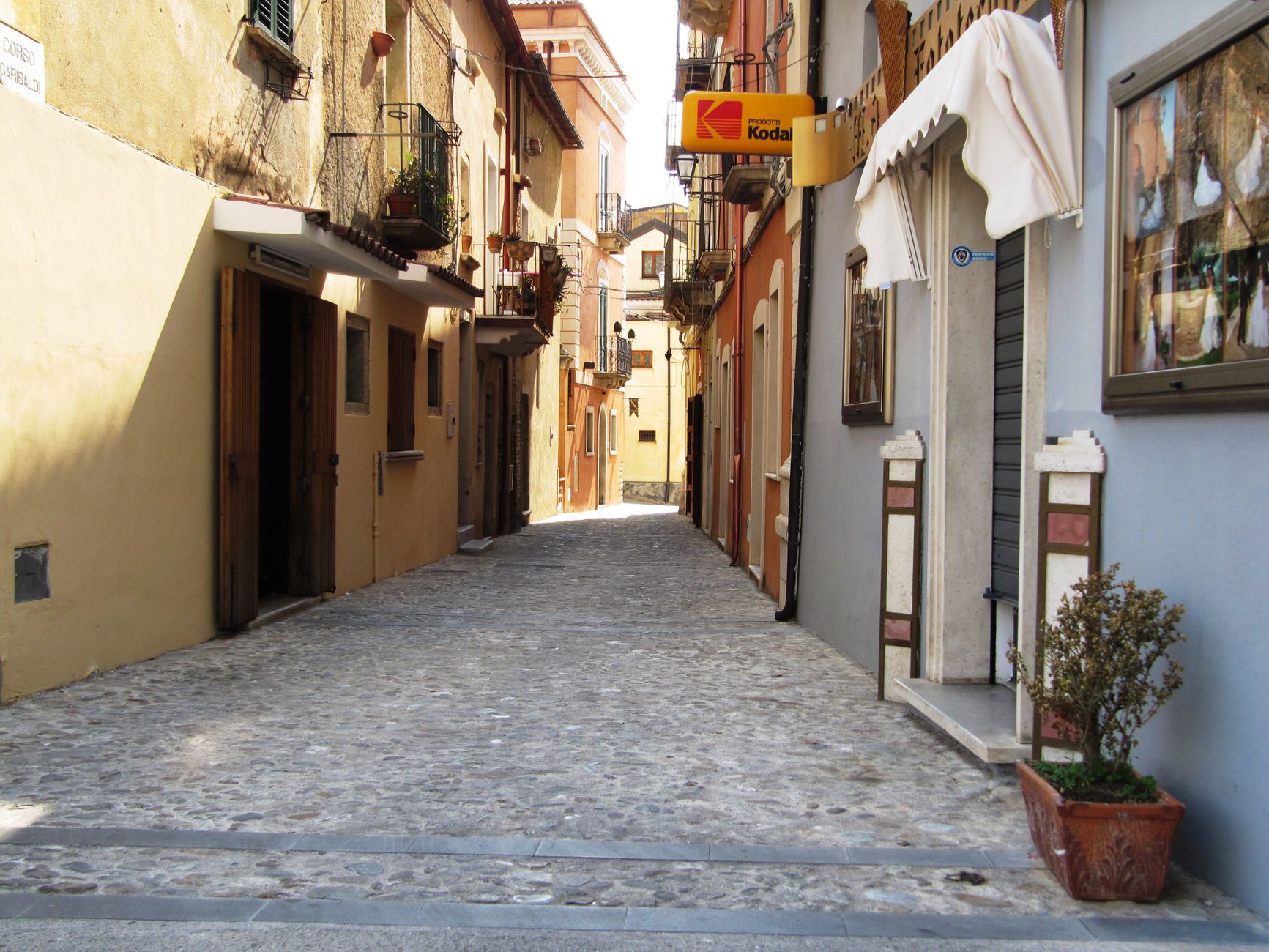
Navigate the vaulted carrugi of the Terra district, where narrow stone passageways stay naturally cool even during peak July heat.
Regional Dining in Dolceacqua Liguria Italy
Sit down for brandacujun salt cod mash, stuffed zucchini blossoms, and slow-braised coniglio alla ligure cooked with taggiasca olives.
Day Trips in Dolceacqua Liguria Italy
Drive higher up the Nervia valley to Apricale and Isolabona for steep stone villages, or ride the bus back down to the Ventimiglia coast.
Sacred Art in Dolceacqua Liguria Italy
Visit the Church of Sant'Antonio Abate to see the 15th-century polyptych by Ludovico Brea honouring Saint Devota.
River Swimming in Dolceacqua Liguria Italy
Wade into the cool, clear pools of the Nervia river just below the village bridge during hot summer afternoons.
Craft Workshops in Dolceacqua Liguria Italy
Browse artisan studios cut directly into the ground-floor stone vaults, from painters to olive-wood carvers working by open doorways.