Fès.


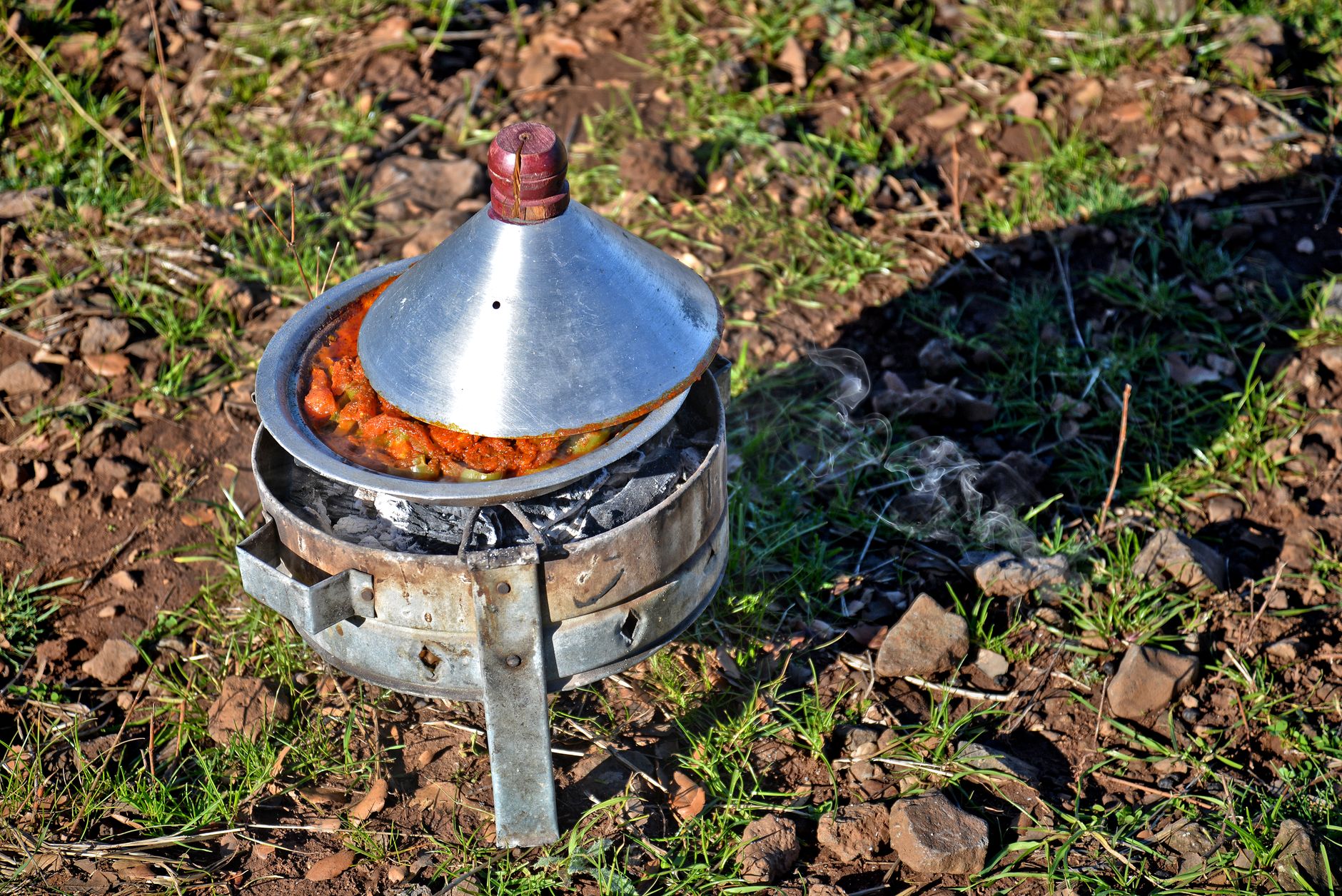
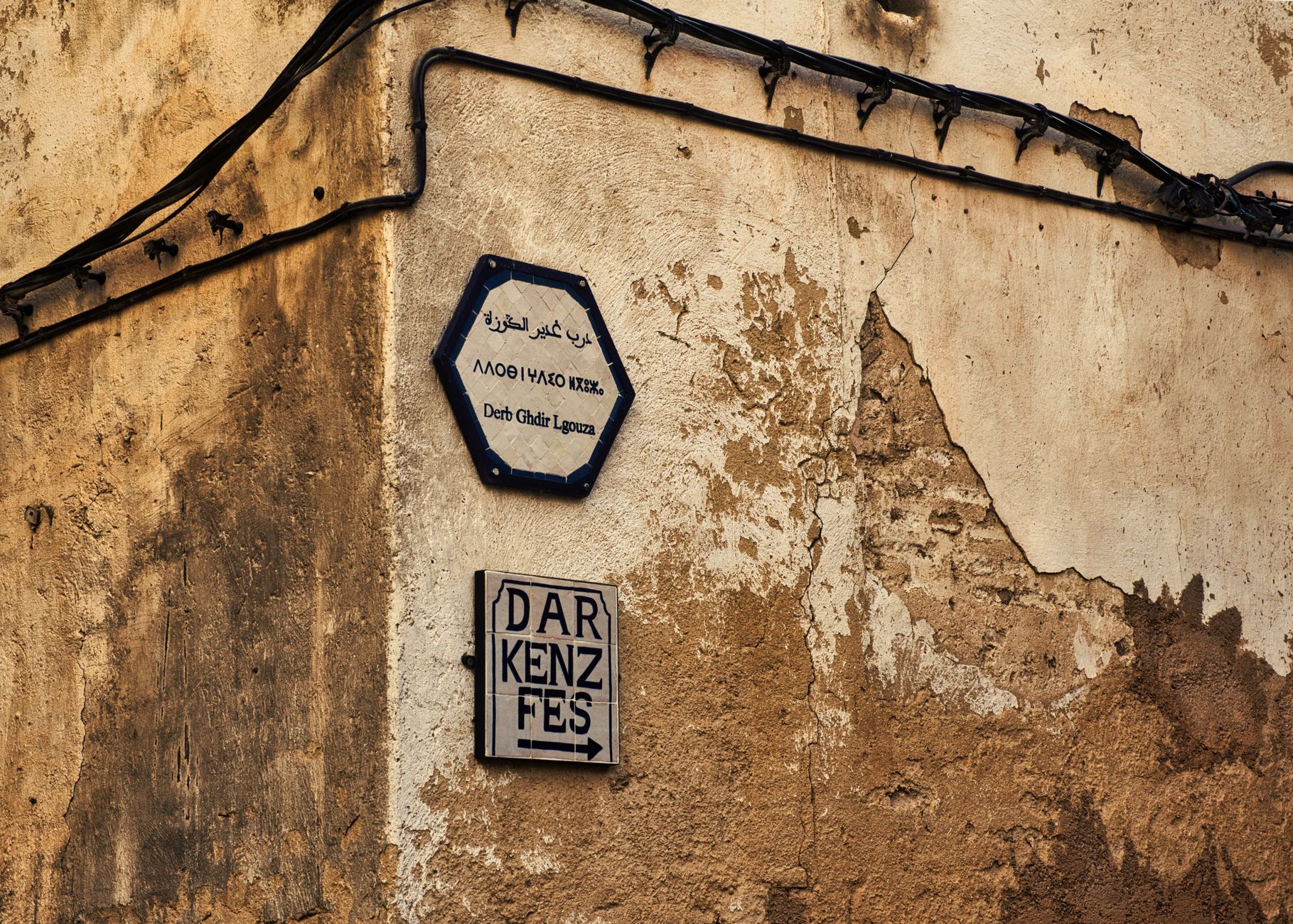
Fès sits in northern Morocco, reached by a 3.5-hour train from Casablanca. It is famous for Fès el-Bali, a car-free ninth-century medina housing traditional craft guilds and the University of Al-Qarawiyyin. Daily life moves through alleys lined with communal bakeries, weavers, and copper workshops. Fès is worth visiting if you want to navigate dense medieval street networks and eat slow-cooked lamb tagines. Look elsewhere if you want open coastal promenades, late-night bar scenes, or easily drivable centres.
Last updated 15 Sept 2026
Build a Fès itinerary.
Choose up to 4 threads that pull you in. Your plan arrives organised around them.
The Bed
Where to stay in Fès
Which part of town to book, and what each one costs you in walking, noise or quiet.
The Comparison
Fès, or somewhere near it
The places you are realistically choosing between, and the honest case for each.
The Local Record
Where to read more about Fès
The blogs, boards, guides and operators worth bookmarking.
What to do in Fès Fès & Meknès Morocco
The city splits between the dense pedestrian core of Fès el-Bali, the thirteenth-century Fès el-Jdid, and the French colonial Ville Nouvelle. Your day naturally follows the sound of call to prayer and artisans working metal in Place Seffarine. It suits patient travellers who enjoy getting turned around in narrow passages and lingering over mint tea.
24 hours in Fès Fès & Meknès Morocco
Enter through Bab Bou Jeloud at 8:30 AM to tour Medersa Bou Inania before tour groups arrive. Follow Tala'a Kebira down to the Chouara Tannery by midday, stop for a fava-bean bissara lunch, and finish with sunset over the medina from the Merenid Tombs. Select 1 Day above to see it.
2 days in Fès Fès & Meknès Morocco
Spend morning in the Mellah examining the Ibn Danan Synagogue and wood-framed balconies. Cross into Jnan Sbil gardens for quiet shade, then take a short taxi to the pottery workshops of Ain Nokbi. Dine on pigeon pastilla and stewed zaalouk at a traditional riad table. Choose 2 Days to expand the plan.
3 days in Fès Fès & Meknès Morocco
Hire a driver or take an early train to Meknès and the sprawling Roman ruins at Volubilis, home to exceptional in-situ floor mosaics. Return to Fès for a hammam scrub and a slow pot of mint tea scented with wild mountain herbs on a high rooftop terrace.
Fès Fès & Meknès Morocco itineraries by interest
Leather Tanning in Fès Fès & Meknès Morocco
Watch tanners work sheep and cow hides in the medieval stone vats of Chouara Tannery using pigeon droppings and natural dyes like saffron and indigo.
Sacred Architecture in Fès Fès & Meknès Morocco
Explore 14th-century cedar carvings and zellij tiles at Medersa Bou Inania and the perimeter courtyards of the 9th-century Al-Qarawiyyin mosque.
Street Food in Fès Fès & Meknès Morocco
Sample grilled merguez skewers, crisp potato maakouda fritters, stuffed msemmen flatbreads, and bowls of spiced fava bean bissara near Bab Bou Jeloud.
Craft Traditions in Fès Fès & Meknès Morocco
Track master artisans engraving brass trays at Place Seffarine, weaving agave silk in fondouks, and shaping glazed cobalt-blue pottery.
Communal Baking in Fès Fès & Meknès Morocco
Follow neighbourhood bakers tending communal wood-fired ovens (farrans), roasting trays of cumin seeds, sesame, and daily khobz rounds.
Palaces & Gardens in Fès Fès & Meknès Morocco
Walk among pomegranate trees and date palms in the 19th-century Jnan Sbil gardens, then view the grand brass doors of Dar al-Makhzen.
Historic Quarters in Fès Fès & Meknès Morocco
Wander the 15th-century Mellah Jewish quarter in Fès el-Jdid, noted for carved wooden balconies, ironwork, and the Ibn Danan Synagogue.
Traditional Cooking in Fès Fès & Meknès Morocco
Order slow-simmered lamb tagines with prunes and almonds, alongside savoury-sweet pigeon or chicken pastilla dusted with cinnamon and sugar.
Panoramic Views in Fès Fès & Meknès Morocco
Climb to the Merenid Tombs at dusk for wide vistas across the minarets, satellite dishes, and dense stone basin of the Fès el-Bali valley.
Day Trips in Fès Fès & Meknès Morocco
Board a local grand taxi or train to explore the Roman mosaics of Volubilis, the holy hill town of Moulay Idriss, and imperial Meknès.
Spices & Botanicals in Fès Fès & Meknès Morocco
Navigate Souk el-Attarine for sacks of ras el hanout, dried damask rosebuds, orange blossom water, and blocks of fragrant amber resin.
Ceramics & Tilework in Fès Fès & Meknès Morocco
Visit the Ain Nokbi pottery quarter outside the walls to watch artisans hand-cut individual zellij mosaic tiles and paint tin-glazed tagines.