Volubilis.


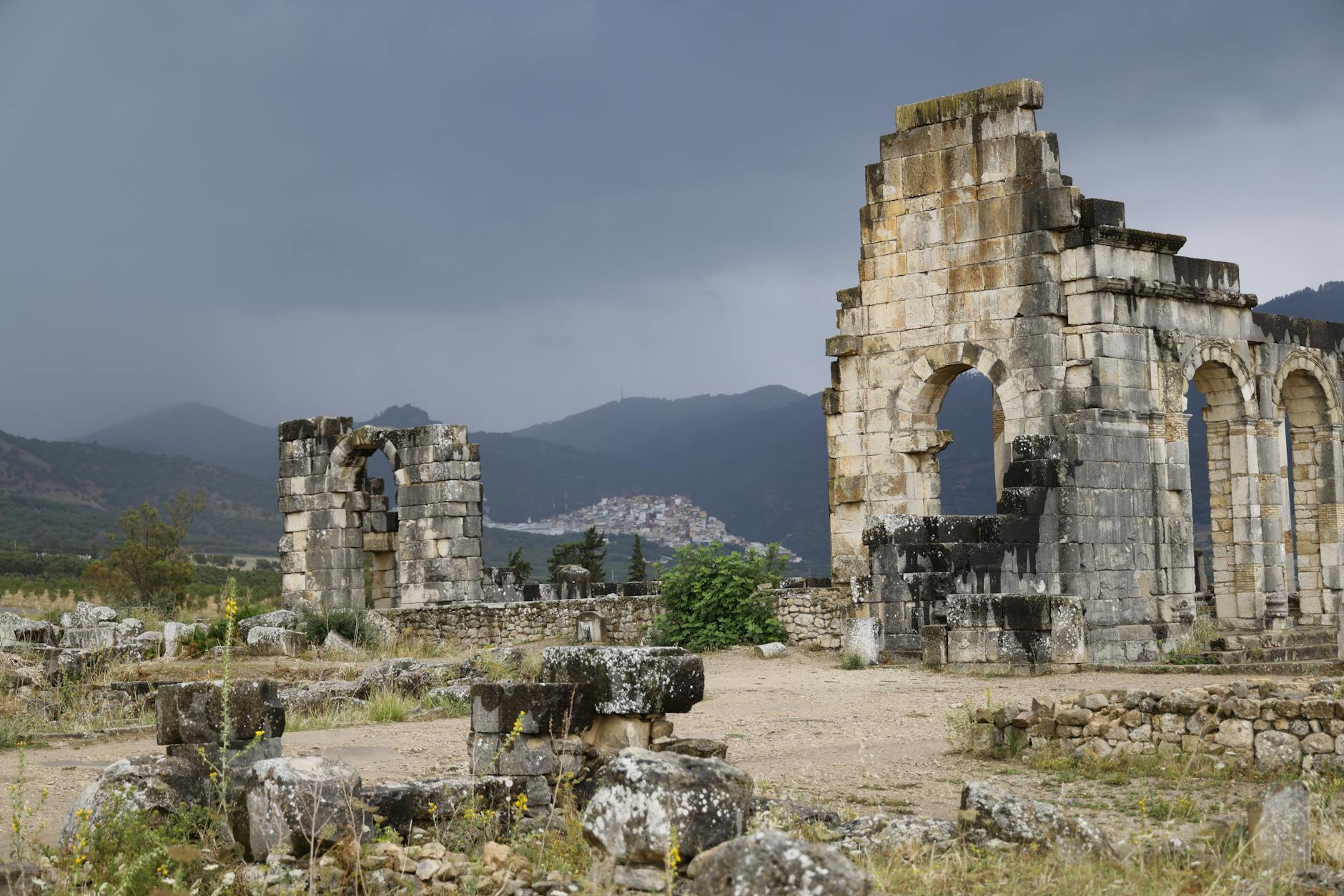
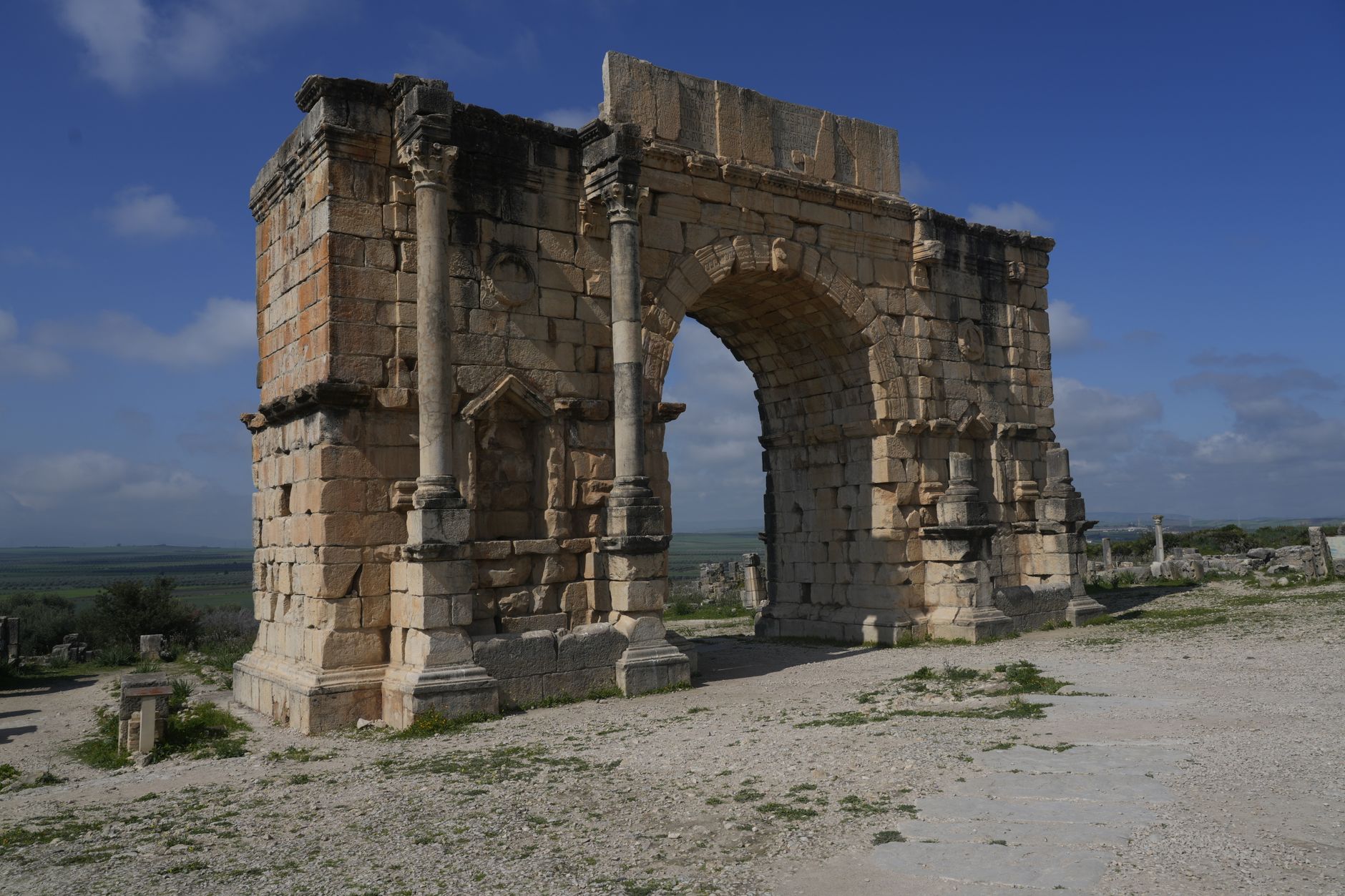
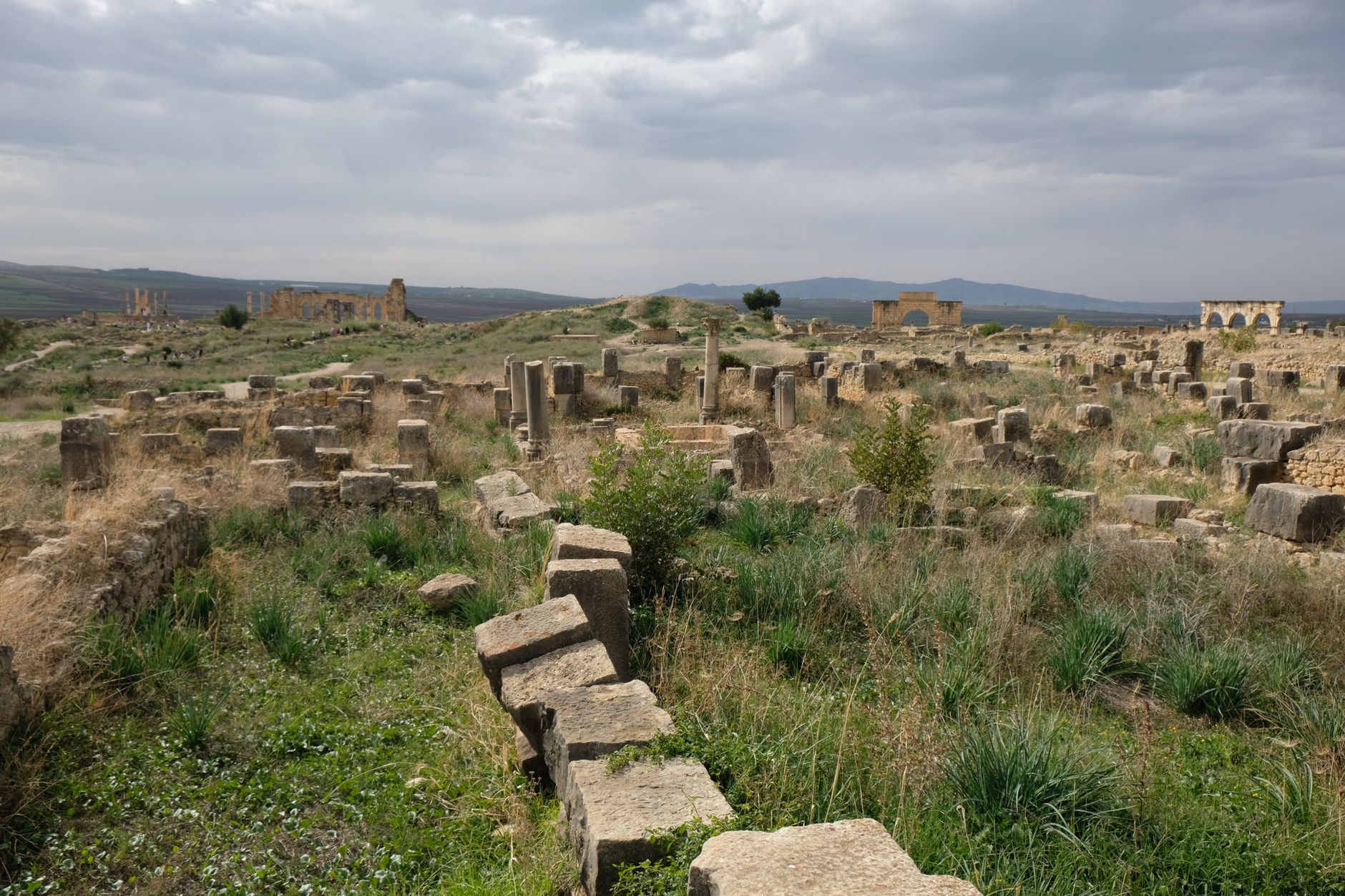
Volubilis sits thirty kilometres north of Meknès, roughly ninety minutes by grand taxi from Fès. The site preserves Morocco's most complete Roman city, known for its intricate second-century floor mosaics left in open air and ancient stone olive presses overlooking the Zerhoun valley. Storks nest atop the arch of Caracalla, and breezes keep the hillside bearable. Volubilis is worth visiting if you want to examine Roman mosaics right where they were laid and walk an ancient forum without guard ropes. Look elsewhere if you need shaded indoor galleries, paved accessible paths, or on-site dining options.
Last updated 11 Sept 2026
Build a Volubilis itinerary.
Choose up to 4 threads that pull you in. Your plan arrives organised around them.
The Bed
Where to stay in Volubilis
Which part of town to book, and what each one costs you in walking, noise or quiet.
The Comparison
Volubilis, or somewhere near it
The places you are realistically choosing between, and the honest case for each.
The Local Record
Where to read more about Volubilis
The blogs, boards, guides and operators worth bookmarking.
What to do in Volubilis Fès & Meknès Morocco
The site unrolls across an open limestone shelf above the Oued Khoumane, anchored by the House of the Columns and the Tingis Gate. A visit here revolves around unhurried walking before midday heat, inspecting detailed mosaic floors and reading the landscape of Roman North Africa. It suits curious walkers, history readers, and anyone who appreciates ancient stone framed by rolling green wheat fields and wild fennel.
24 hours in Volubilis Fès & Meknès Morocco
Arrive at 8:30 AM when gates open to explore the ruins and museum quietly before tour buses land. By noon, drive five minutes up to Moulay Idriss Zerhoun for grilled spiced kefta and mint tea on the main square. Finish the afternoon twenty miles south at Bab El Mansour in Meknès. Select 1 Day above to see it.
2 days in Volubilis Fès & Meknès Morocco
Spend the morning strolling the Dar El-Kebira district and Royal Stables in Meknès. After lunch of slow-cooked lamb tagine with prunes near Place el-Hedim, take an afternoon tasting tour through the hillside vineyards of the Saïss plain before watching the sunset over the Zerhoun ridge. Choose 2 Days to expand the plan.
3 days in Volubilis Fès & Meknès Morocco
A third day allows for a quiet hike along the ridge from Moulay Idriss through the olive hills of Sidi Ali Ben Hamdouch. Take a slow lunch of fresh goat cheese and flatbread in the village, followed by an unhurried visit to the artisan damascene metal workshops tucked inside Meknès medina.
Volubilis Fès & Meknès Morocco itineraries by interest
Ancient Mosaics in Volubilis Fès & Meknès Morocco
Look for the Labours of Hercules, Diana bathing, and Dionysus in the House of the Ephebe, preserved under open sky where craftsmen set the tesserae.
Classical Architecture in Volubilis Fès & Meknès Morocco
Walk the Decumanus Maximus toward the Arch of Caracalla, the Capitoline Temple columns, and the basilica's sturdy second-century limestone foundations.
Olive Oil Culture in Volubilis Fès & Meknès Morocco
Inspect the massive stone counterweights and pressing basins that supplied olive oil across Mauretania Tingitana and still feed the valley's groves.
Regional Markets in Volubilis Fès & Meknès Morocco
Saturday market day in nearby Moulay Idriss Zerhoun fills stalls with fresh goat cheese in palm leaves, wild capers, sun-dried figs, and mountain honey.
Sacred Architecture in Volubilis Fès & Meknès Morocco
Gaze down at the green tiled roofs of the Moulay Idriss mausoleum and Morocco's only cylindrical minaret, decorated with green Fassi tilework.
Street Food in Volubilis Fès & Meknès Morocco
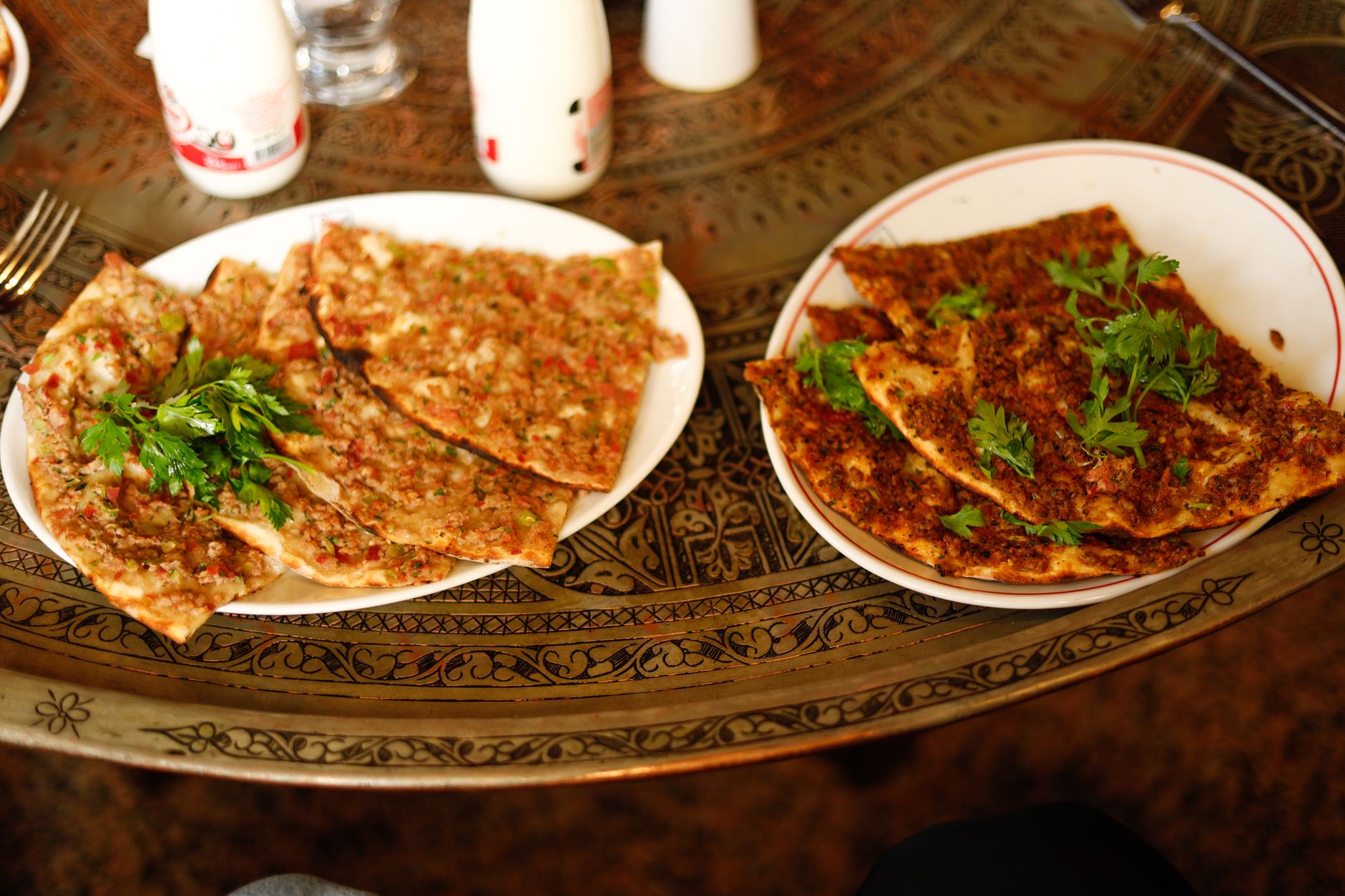
Pull up a plastic stool for minced kefta brochettes grilled over olive charcoal and hot khobz flatbreads with cumin at the Moulay Idriss town square.
Imperial Heritage in Volubilis Fès & Meknès Morocco
Head south into Meknès to see Bab El Mansour, the subterranean vaults of Habs Qara, and the monumental granaries at Heri es-Souani.
Valley Walks in Volubilis Fès & Meknès Morocco
Trek the hillside donkey paths through Zerhoun olive groves connecting Volubilis to the Roman thermal baths and aqueducts at Ain Schkor.
Historic Medinas in Volubilis Fès & Meknès Morocco
Navigate the calmer lanes of the Meknès old town, browsing damascene steel inlays in Place el-Hedim without the intense hawking found in larger cities.
Local Wine in Volubilis Fès & Meknès Morocco
Sample robust reds made from Carignan and Syrah at the nearby cellars of Les Celliers de Meknès, rooted in the fertile slopes of the Saïss plain.
Traditional Souks in Volubilis Fès & Meknès Morocco
Explore the olive and pickle souk behind Bab Bou Ameir in Meknès, tasting bitter cured purple olives, salted lemons, and fiery harissa pastes.
Clay and Ceramics in Volubilis Fès & Meknès Morocco
Watch potters work red Zerhoun clay on foot-powered wheels, firing rustic water jugs and unglazed tagines in wood-stoked hillside kilns.