Moulay Idriss Zerhoun.
.jpg)

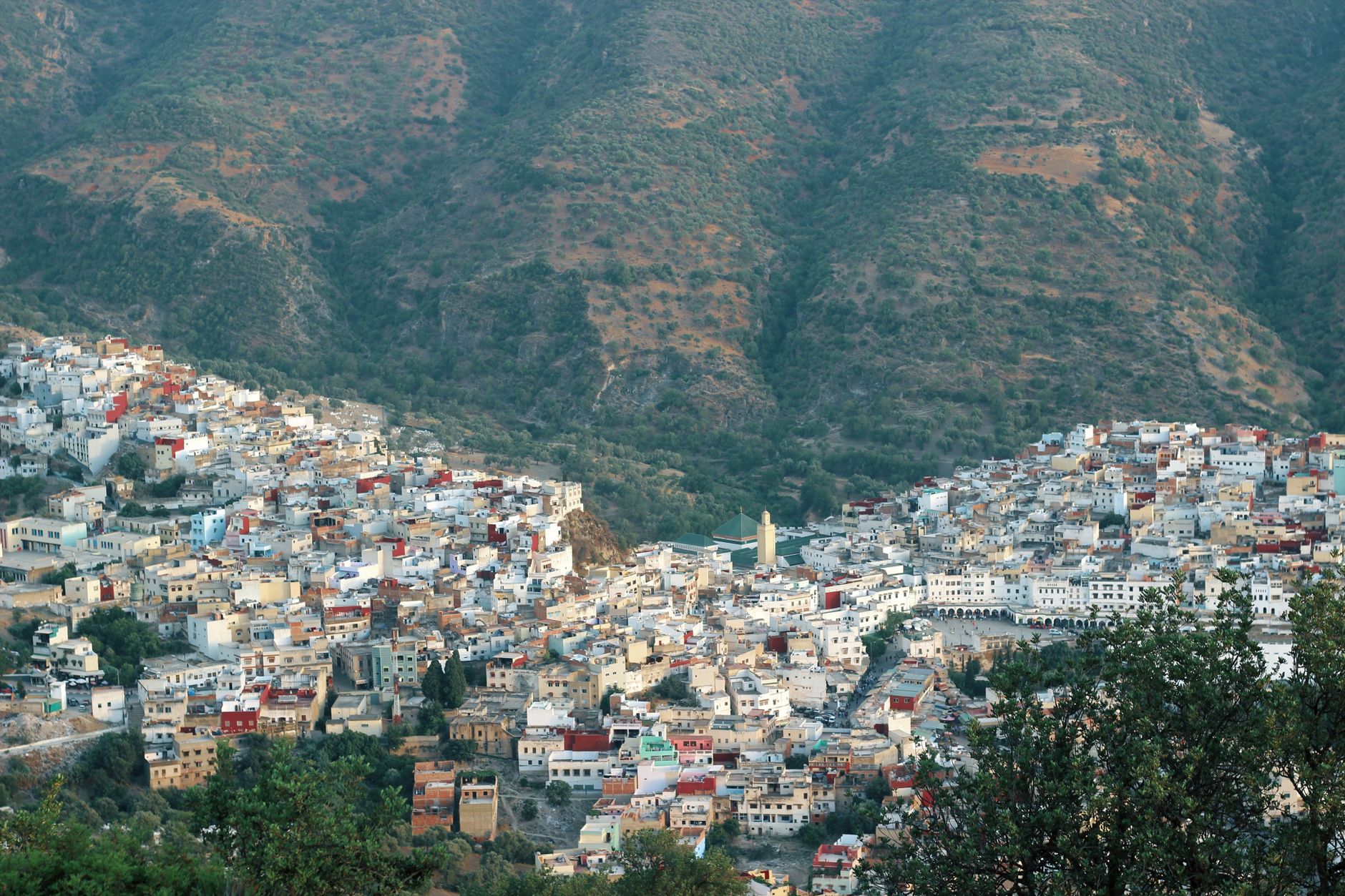
Moulay Idriss Zerhoun sits twenty-five kilometres north of Meknès, reached in thirty minutes by grand taxi. Whitewashed houses drape across two hillcrests around the mausoleum of Idris I, the eighth-century founder of Morocco's first dynasty. The town is famous for charcoal-grilled kefta in the square and its proximity to the Roman site at Volubilis. Moulay Idriss Zerhoun is worth visiting if you want to eat spiced minced beef hot off the coals and walk ancient Roman ruins without the tourist buses. Look elsewhere if you want lively nightlife, alcohol served with dinner, flat step-free streets, or luxury hotel amenities.
Last updated 11 Sept 2026
Build a Moulay Idriss Zerhoun itinerary.
Choose up to 4 threads that pull you in. Your plan arrives organised around them.
The Bed
Where to stay in Moulay Idriss Zerhoun
Which part of town to book, and what each one costs you in walking, noise or quiet.
The Comparison
Moulay Idriss Zerhoun, or somewhere near it
The places you are realistically choosing between, and the honest case for each.
The Local Record
Where to read more about Moulay Idriss Zerhoun
The blogs, boards, guides and operators worth bookmarking.
What to do in Moulay Idriss Zerhoun Fès & Meknès Morocco
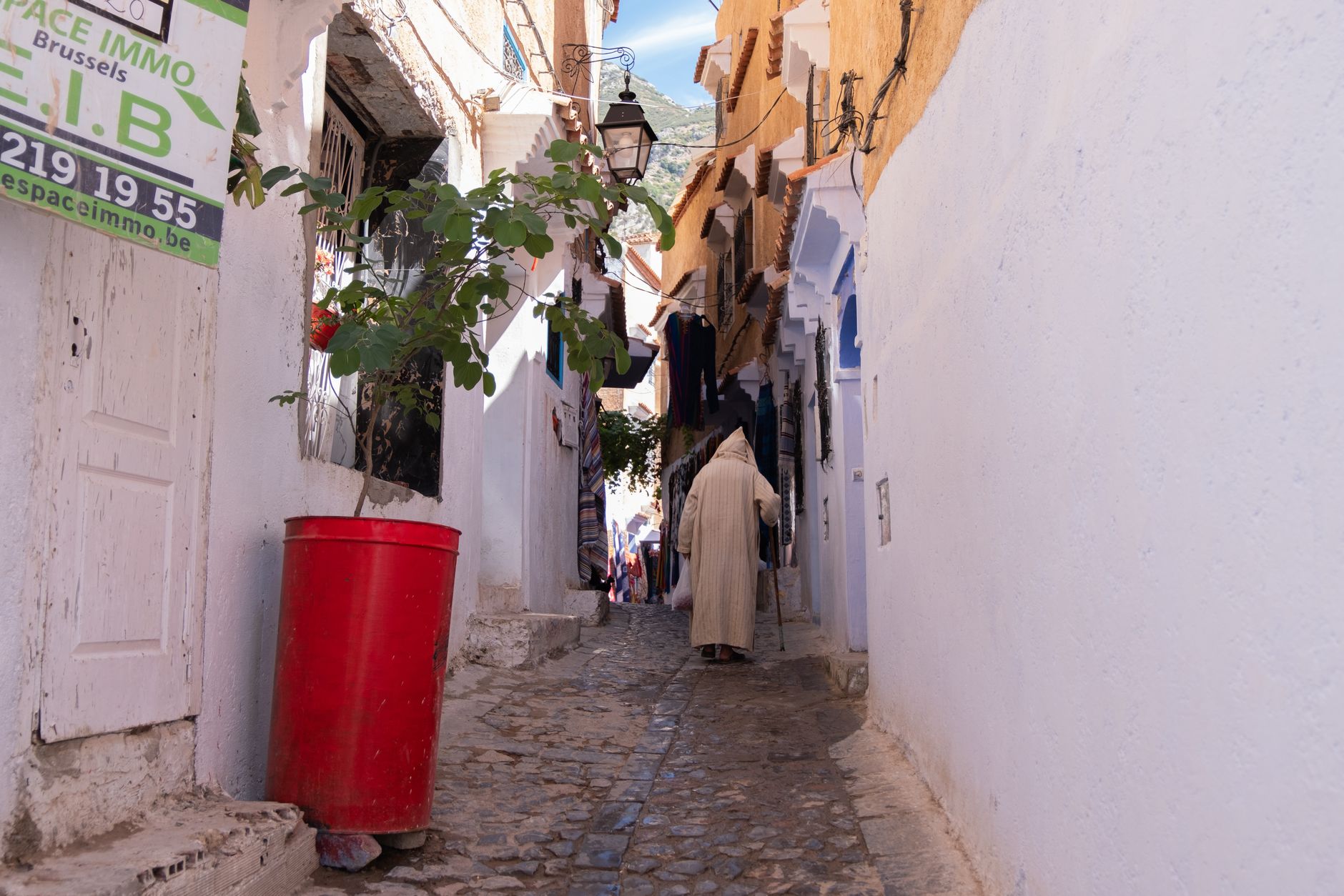
Moulay Idriss Zerhoun is draped across two high ridges, Khiber and Tazga, meeting at a buzzing central square. Days here move at a gentle pace dictated by the call to prayer, the clink of mint tea glasses, and the sizzle of midday grills. Non-Muslims cannot enter the central shrine, but the town is delightfully walkable for travellers who enjoy hillside staircases, quiet residential lanes, and sweeping views across the Zerhoun olive groves.
24 hours in Moulay Idriss Zerhoun Fès & Meknès Morocco
Start with warm harcha and mint tea on Place Mohammed VI, then walk down to the Roman ruins at Volubilis before the midday heat. Return by grand taxi for a lunch of fresh minced kefta grilled over charcoal, then climb up to the Petite Terrasse before dusk to watch the light change over the green roof of the Zaouia. Select 1 Day above to see it.
2 days in Moulay Idriss Zerhoun Fès & Meknès Morocco
A second day lets you explore the Tazga neighbourhood, tracking down the unusual round minaret and visiting a working neighbourhood bread oven. In the afternoon, hike the ridge trails toward the village of Sidi Ali Ben Hamdouch, stopping for a tagine of goat meat simmered with wild prunes and local Picholine olives. Choose 2 Days to expand the plan.
3 days in Moulay Idriss Zerhoun Fès & Meknès Morocco
With three days, venture thirty minutes south to Meknès to tour the cavernous royal stables of Moulay Ismail and the vast gate of Bab El Mansour. Spend your final morning browsing the Saturday country souk for mountain honey, pressed olive oil, and dried figs before a quiet sunset tea on the square.
Moulay Idriss Zerhoun Fès & Meknès Morocco itineraries by interest
Street Food in Moulay Idriss Zerhoun Fès & Meknès Morocco
Butchers around Place Mohammed VI season minced beef with cumin, onion, and fresh mint before throwing flat patties onto searing charcoal braziers.
Sacred Architecture in Moulay Idriss Zerhoun Fès & Meknès Morocco
The Zaouia of Moulay Idriss features green-tiled roofs, brass knockers, and Morocco's only cylindrical minaret, built in 1939 with Quranic tilework.
Archaeological Sites in Moulay Idriss Zerhoun Fès & Meknès Morocco
Walk forty minutes downhill to Volubilis to inspect second-century mosaics of Diana and Bacchus, the triumphal arch of Caracalla, and stone olive mills.
Hill Walking in Moulay Idriss Zerhoun Fès & Meknès Morocco
Climb the steep stepped paths of the Khiber and Tazga quarters for panoramic valley vistas and lookouts over the sacred green-tiled sanctuary below.
Olive Oil Culture in Moulay Idriss Zerhoun Fès & Meknès Morocco
The Zerhoun massif yields pungent green Picholine olive oil; visit traditional stone presses operating in lower valleys during the autumn harvest.
Market Life in Moulay Idriss Zerhoun Fès & Meknès Morocco
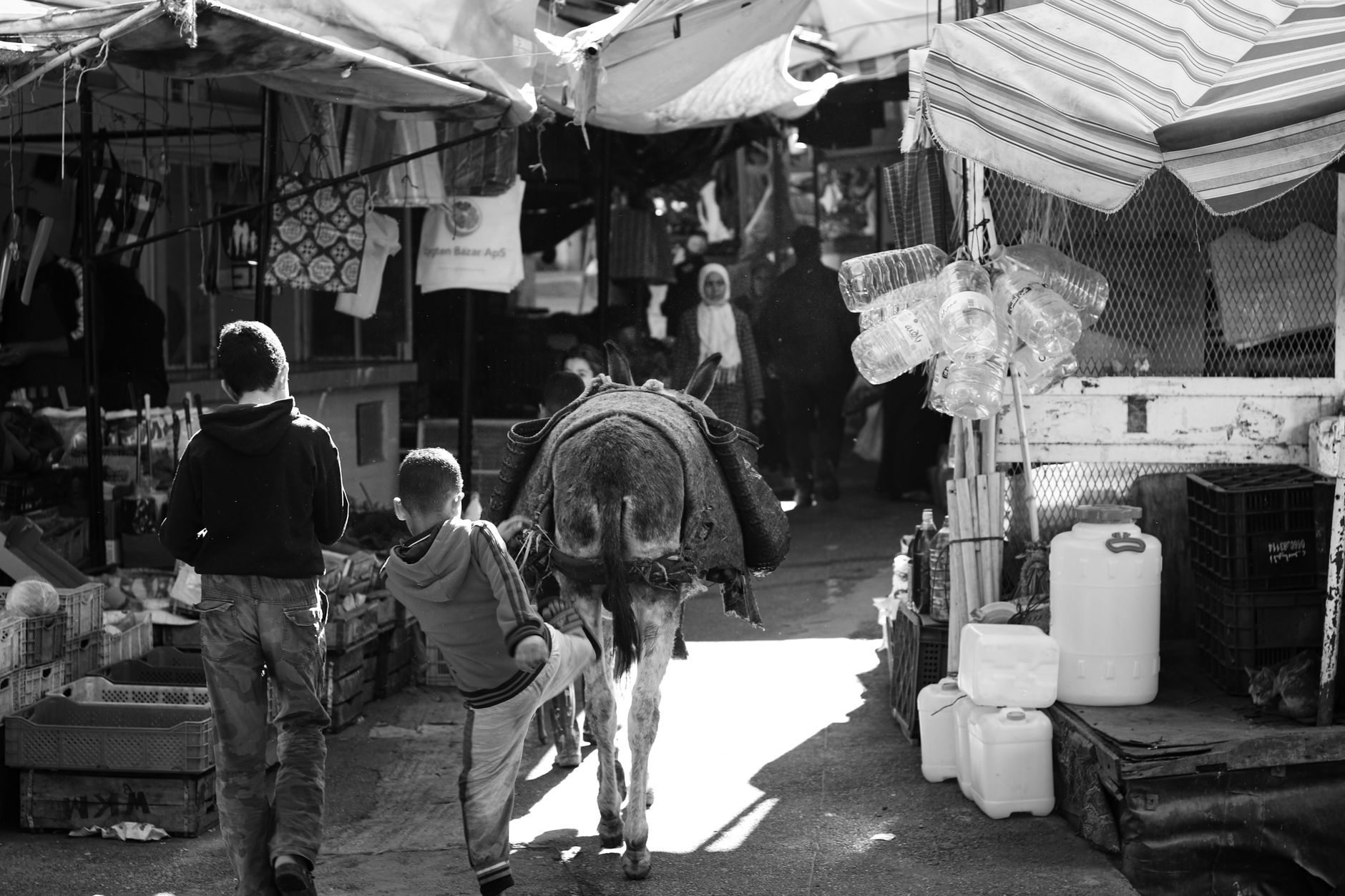
Saturday souks draw Berber farmers selling wild herbs, mountain honey, dried figs, pickled lemons, and fresh sheep-milk cheeses along the lower streets.
Local Baking in Moulay Idriss Zerhoun Fès & Meknès Morocco
Community wood ovens bake rounds of crusty khobz and semolina harcha, served warm with salted butter and bitter mountain honey at morning tea stalls.
Day Trips in Moulay Idriss Zerhoun Fès & Meknès Morocco
Hail a shared grand taxi to Meknès to explore the massive stone granaries of Heri es-Souani and the grand Bab El Mansour gate across Place el-Hedim.
Traditional Sweets in Moulay Idriss Zerhoun Fès & Meknès Morocco
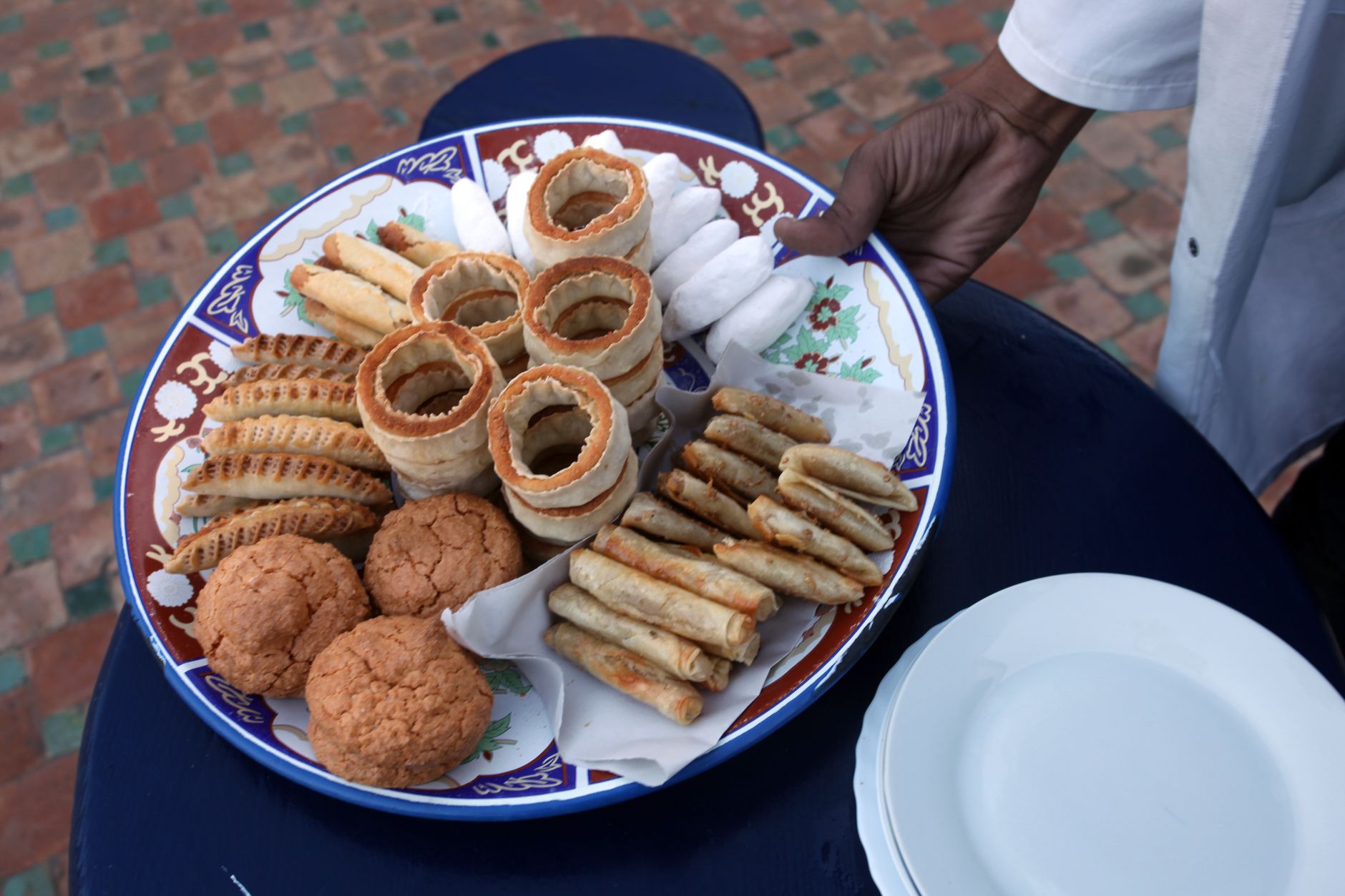
Confectioners stack sticky mounds of nougat, almond-stuffed dates, and sesame-coated chebakia on tin platters along the pilgrimage approach.
Rural Life in Moulay Idriss Zerhoun Fès & Meknès Morocco
Wander farm tracks into surrounding olive groves where donkeys carry sacks of olives and mountain water directly to stone village basins.
Scenic Viewpoints in Moulay Idriss Zerhoun Fès & Meknès Morocco
Head to the Grande Terrasse or Petite Terrasse near sunset to watch soft light wash across the Zerhoun ridge and the vast Saïss plain below.
Tea Culture in Moulay Idriss Zerhoun Fès & Meknès Morocco
Sit at shaded terrace cafes on the central plaza for gunpowder green tea steeped heavily with fresh spearmint, absinthe, and lumps of white sugar.