Sefrou.


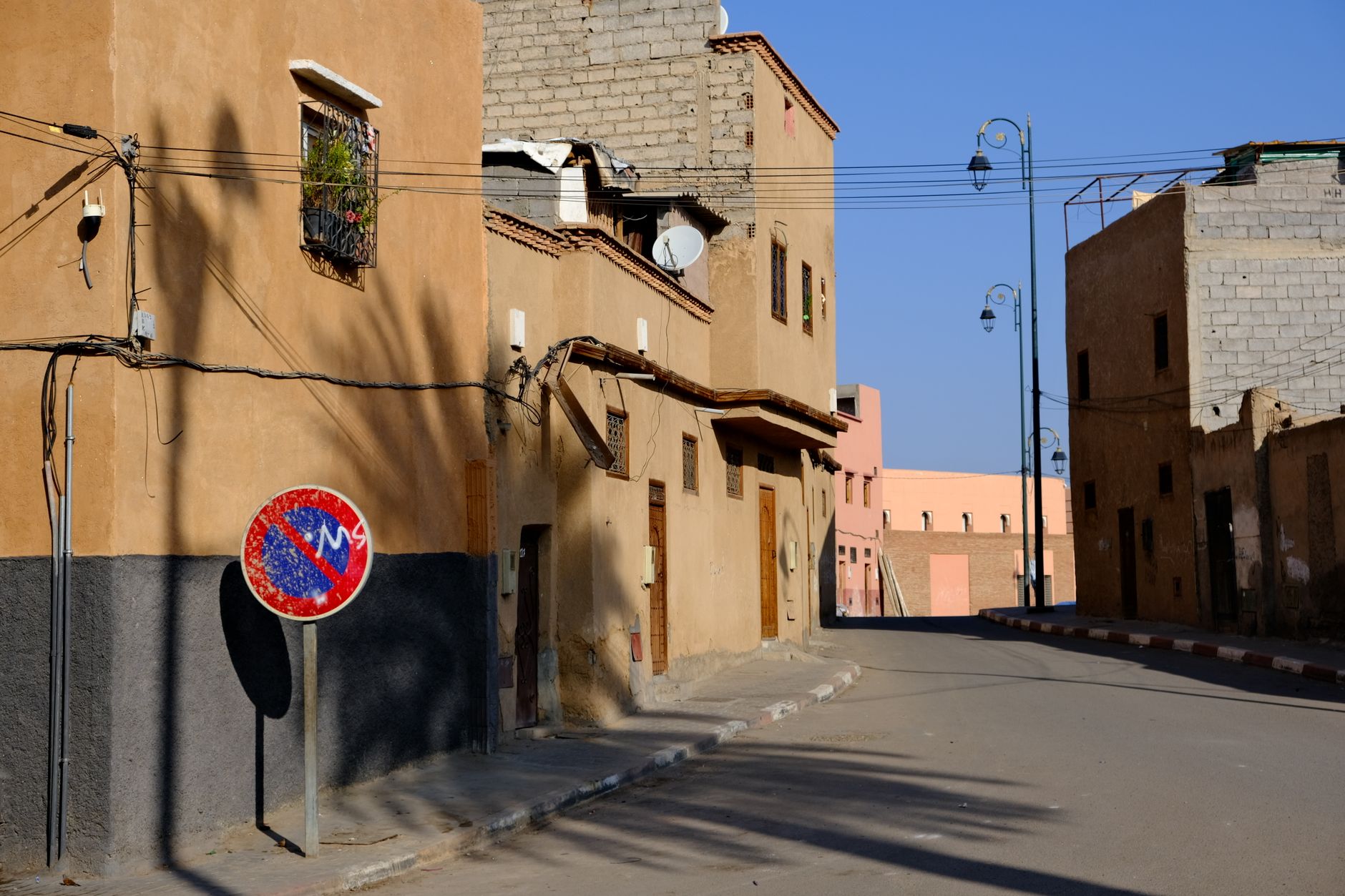
Sefrou sits 28 kilometres south of Fès, reachable in thirty-five minutes by grand taxi from Bab Ftouh. The town is known for its historic Jewish Mellah, the annual June cherry harvest, and the Oued Aggai cutting straight through the walled medina. Whitewashed timber-framed balconies overhang narrow alleys that see a fraction of the tourist foot traffic of its northern neighbour. Sefrou is worth visiting if you want to walk an active, unvarnished market town with deep artisan roots at a quiet pace. Look elsewhere if you want luxury riads, late-night entertainment, fine dining, or a checklist of restored monuments and museums.
Last updated 11 Sept 2026
Build a Sefrou itinerary.
Choose up to 4 threads that pull you in. Your plan arrives organised around them.
The Bed
Where to stay in Sefrou
Which part of town to book, and what each one costs you in walking, noise or quiet.
The Comparison
Sefrou, or somewhere near it
The places you are realistically choosing between, and the honest case for each.
The Local Record
Where to read more about Sefrou
The blogs, boards, guides and operators worth bookmarking.
What to do in Sefrou Fès & Meknès Morocco
Sefrou is anchored by the Oued Aggai, which splits the walled core into the old Medina and the historic Mellah. The daily rhythm is shaped by morning market trading, afternoon tea in quiet plazas, and walking the riverbanks. It suits independent travellers who prefer working Moroccan street life without touts, souvenir clutter, or the frantic negotiation common in larger cities.
24 hours in Sefrou Fès & Meknès Morocco
Start early at Bab el-Makam, tracking the river into the Mellah to see overhanging wooden facades. Stop for mint tea and fresh msemmen near Place Bab Semmarine, walk fifteen minutes out to the Cascade de Sefrou by noon, and finish with charcoal-grilled beef kefta by Bab Beni Medrek before an evening taxi ride. Select 1 Day above to see it.
2 days in Sefrou Fès & Meknès Morocco
A second day lets you hike or take a quick grand taxi to neighbouring Bhalil to visit troglodyte cave houses. Return to Sefrou for a lunch of clay-pot lamb tagine with preserved lemons, followed by an afternoon search for silk button weavers working in Medina doorframes. Choose 2 Days to expand the plan.
3 days in Sefrou Fès & Meknès Morocco
With three days, venture south into the Middle Atlas foothills toward Immouzzer Kandar and the cedar forests of Ifrane. Spend your final morning browsing the Wednesday livestock and produce souk before a slow walk up to the Sidi Ali Bousserghine shrine for valley views.
Sefrou Fès & Meknès Morocco itineraries by interest
Jewish Heritage in Sefrou Fès & Meknès Morocco
Walk the Mellah to see wooden-balconied houses, former synagogues, and the cemetery where Moroccan Jews and Muslims honoured local saintly figures.
Medina Walking in Sefrou Fès & Meknès Morocco
Enter Bab el-Makam to navigate residential alleys along Oued Aggai, crossing arched stone bridges past communal bread ovens and ironmongers.
Market Produce in Sefrou Fès & Meknès Morocco
Visit Souk el-Arba on Wednesdays for black Beldi olives, fresh mint, local honey, and Burlat cherries picked straight from surrounding orchards.
Craft Traditions in Sefrou Fès & Meknès Morocco
Watch artisans knot traditional silk djellaba buttons by hand in small Medina workshops, a cooperative craft Sefrou women have sustained for decades.
Water & Rivers in Sefrou Fès & Meknès Morocco
Follow the riverside path past washing pools to the Cascade de Sefrou, a modest waterfall shaded by poplars and limestone bluffs just outside town.
Street Food in Sefrou Fès & Meknès Morocco
Grab hot round harcha flatbread griddled on iron pans, followed by skewered spiced kefta grilled over charcoal at open-front stalls near Bab Beni Medrek.
Sacred Architecture in Sefrou Fès & Meknès Morocco
Observe the exterior minarets of the Grand Mosque and visit Sidi Ali Bousserghine, a hillside shrine offering views over the Saïss plain.
Day Hikes in Sefrou Fès & Meknès Morocco
Trek the seven-kilometre trail through olive groves to Bhalil, known for troglodyte cave dwellings carved into the yellow limestone ridge.
Regional Cooking in Sefrou Fès & Meknès Morocco
Order slow-simmered lamb tagine with prunes and toasted almonds or rich fava bean bissara drizzled with spicy olive oil at unpretentious town cafes.
Orchards & Agriculture in Sefrou Fès & Meknès Morocco
Stroll along rural irrigation canals feeding apple, plum, and cherry orchards during spring bloom, when foothill farms supply the valley markets.
Hill Walks in Sefrou Fès & Meknès Morocco
Climb the terraced slope to the sanctuary of Sidi Bou Ali for a cool breeze, stone ruins, and panoramic sightlines back toward the Middle Atlas.
Textiles & Weaving in Sefrou Fès & Meknès Morocco
Look for coarse Berber wool carpets, striped blankets, and hand-embroidered table linens woven on vertical looms in family-run ateliers.