


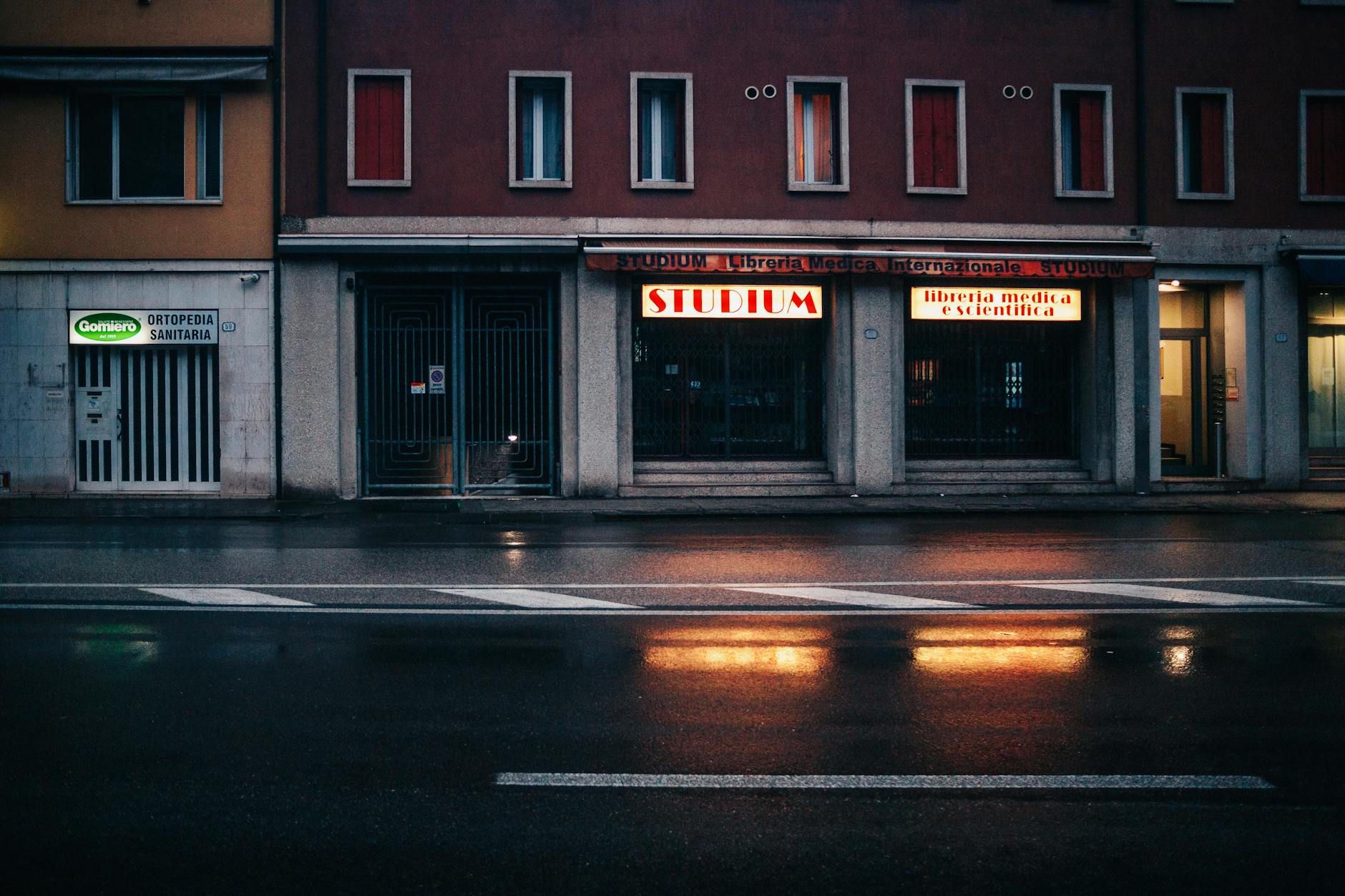
Bicycle bells ring across the cobblestones under twenty miles of medieval arcades, sheltering students, market porters, and professors in equal measure. Giotto painted the Scrovegni Chapel here in 1305 with blues so vivid they still stop you mid-stride, while the Palazzo della Ragione hums underneath with butchers slicing soppressa and cheese mongers grating aged Asiago. It is a serious university town that never takes itself too solemnly to skip late-afternoon spritz.
Last updated 28 Aug 2026
Build a Padua itinerary.
Choose up to 4 threads that pull you in. Your plan arrives organised around them.
We'll craft a 4-lens plan for Padua, one collapsible strand per lens.
Regional Cooking
Dine on bigoli with duck ragù, bollito misto with pungent pear mostarda, and baccalà alla padovana in wood-panelled dining rooms along Via del Santo.
Regional Cooking
Dine on bigoli with duck ragù, bollito misto with pungent pear mostarda, and baccalà alla padovana in wood-panelled dining rooms along Via del Santo.
Dining on Bigoli and Duck
Osteria dal Capo
Book a table two days ahead for dinner. Expect around thirty-five euros per person for thick extruded pasta and slow-braised meats paired with local Colli Euganei reds.
Editor TipPaduan cooking leans heavily on courtyard birds and hearty pasta, perfected across centuries to sustain both university scholars and lagoon traders. Order the bigoli all'anatra and ask for a carafe of Raboso. The acidity cuts right through the rich duck fat.
Handmade Bigoli and Venetian Wine
Osteria L'Anfora
Reserve two days ahead or arrive at opening on Via Soncin. Order bigoli with duck ragu and a carafe of Colli Euganei Cabernet for an easy dinner under 30 euros.
Editor TipThick, extruded bigoli have anchored Venetian tables since the seventeenth century, sustained here by neighbourhood regulars in the narrow streets of the old Ghetto. Ask for the daily boiled beef with green salsa if available. Space is tight, so keep coats on the wall hooks.
Spit-Roasted Pigeon and Hand-Cut Bigoli
Antica Trattoria Ballotta
Reserve a table by phone a day ahead. Order the torreglia pigeon roasted on the spit and the hand-pressed bigoli with duck ragù with a jug of local Serprino.
Editor TipServing wayfarers since the sixteenth century, this kitchen anchors Euganean Hills cooking around game birds, woodsmoke, and thick extruded pasta dressed in rich poultry reductions. Ask for a table under the pergola in mild weather, and try a glass of the local Fior d'Arancio moscato.
Botanical Gardens
Wander the 1545 Orto Botanico, the world’s oldest academic garden, with Goethe’s palm tree and medicinal herb beds laid out in circular Renaissance plots.
Botanical Gardens
Wander the 1545 Orto Botanico, the world’s oldest academic garden, with Goethe’s palm tree and medicinal herb beds laid out in circular Renaissance plots.
Renaissance Physic Garden Walk
Orto Botanico di Padova
Buy tickets at the gate or online for ten euros. Spend ninety minutes wandering the circular 1545 stone layout and modern biodiversity glasshouses, located an easy stroll south of Prato della Valle.
Editor TipEstablished in 1545 by the Venetian Republic for the University of Padua to teach medical students medicinal botany, this is the world's oldest academic botanical garden still in its original site. Seek out the 1585 St. Peter's Palm inside its protective glass rotunda, famously studied by Goethe in 1786.
Monastic Herbalist Tradition
Abbazia di Praglia
Take bus TL from Padua directly to the abbey gates. Monks guide quiet 45-minute tours of the four cloisters on the hour, and the apothecary shop opens at nine for herbal teas and elixirs.
Editor TipFounded in the twelfth century and rebuilt in the Renaissance, Praglia remains an active Benedictine community renowned for restoring ancient illuminated manuscripts and compounding botanical remedies. Buy a bottle of their walnut nocino or herbal infusion at the farmacia; card payment is accepted.
Symbolic Boxwood Labyrinth
Giardino Monumentale di Valsanzibio
Entry is twelve euros at the baroque Diana portal. Allow ninety minutes to wander the boxwood hedges, working seventeenth-century water fountains, and cypress-lined paths.
Editor TipDesigned in 1669 as an aristocratic vow to spare a Venetian noble family from the plague, these historic botanical grounds form an allegorical journey from mortal sin toward spiritual clarity. Wear sturdy flat shoes; the gravel paths and maze trails are unforgiving on thin soles.
Medieval Architecture
Admire the wooden keel roof of Palazzo della Ragione and the baptistery of the Duomo, lined with vibrant 14th-century frescoes by Giusto de' Menabuoi.
Medieval Architecture
Admire the wooden keel roof of Palazzo della Ragione and the baptistery of the Duomo, lined with vibrant 14th-century frescoes by Giusto de' Menabuoi.
Tasting Cured Meats Under Vaults
Sotto il Salone
Walk the stone corridors beneath Palazzo della Ragione. Stop at the cheese stalls, order a small plate of aged Monte Veronese, and stand with locals sipping morning espresso.
Editor TipOperating continuously since 1218, this covered arcade represents one of the oldest communal markets in Europe, sustaining Veneto butchery traditions through multi-generational family counters. Keep small coins ready. The stallholders appreciate exact change and move too quickly for card machine delays.
Sacred Art
Reserve weeks ahead for Giotto’s 1305 fresco cycle at the Scrovegni Chapel, then visit Donatello’s high altar bronzes inside the Basilica di Sant’Antonio.
Sacred Art
Reserve weeks ahead for Giotto’s 1305 fresco cycle at the Scrovegni Chapel, then visit Donatello’s high altar bronzes inside the Basilica di Sant’Antonio.
Giotto's Lapis Lazuli Vault
Cappella degli Scrovegni
Reserve your timed entry online weeks ahead. Arrive fifteen minutes early for the climate-control airlock before your strict fifteen-minute window with the 1305 fresco cycle.
Editor TipEnrico Scrovegni commissioned Giotto to paint this private chapel to atone for his family's usury, sparking the shift from flat Byzantine icons toward humanistic Renaissance emotion. Stand dead center and look up at the vault immediately upon entry while the rest of the group gathers along the walls.
Note from the Editor
“Padua rewards precision. Book your Scrovegni Chapel entry days ahead, take the earliest morning slot before the tour buses roll in from Venice, and leave yourself thirty minutes between sights to stroll the colonnades.”
The Bed
Where to stay in Padua
Which part of town to book, and what each one costs you in walking, noise or quiet.
The Comparison
Padua, or somewhere near it
The places you are realistically choosing between, and the honest case for each.
The Local Record
Where to read more about Padua
The blogs, boards, guides and operators worth bookmarking.
What to do in Padua Veneto Italy
Padua is a pedestrian city structured around grand piazzas and broad arcades, making it easy to navigate on foot without hurry. Mornings centre on the food stalls between Piazza delle Erbe and Piazza della Frutta, afternoons on centuries of Renaissance frescoes and quiet university courtyards, and evenings on the ritual aperitivo. It suits independent travellers who enjoy deep Italian history without the frantic crowds of neighbouring Venice.
24 hours in Padua Veneto Italy
Start with a timed morning ticket for Giotto’s Scrovegni Chapel. Walk south through Palazzo Bo to Piazza delle Erbe for lunch: a plate of bigoli con l'anatra at an arcade trattoria. Spend the afternoon at the Basilica di Sant’Antonio, then join the evening crowd for an Aperol spritz in Piazza dei Signori as the clock strikes six. Select 1 Day above to see it.
2 days in Padua Veneto Italy
Dedicate day two to the southern quarter. Explore the 16th-century Orto Botanico and circle Prato della Valle before exploring the Jewish Ghetto's narrow alleys. For dinner, seek out a rustic osteria serving bollito misto with salsa verde and horsemeat carpaccio, paired with local Colli Euganei reds. Choose 2 Days to expand the plan.
3 days in Padua Veneto Italy
A third day lets you head south into the Euganean Hills. Catch a local bus to the medieval walled village of Arquà Petrarca, where the poet Petrarch spent his final years. Spend the afternoon tasting volcanic Garganega wine and olive oil at a hillside cantina before returning to Padua for a final mint espresso at Caffè Pedrocchi.
Padua Veneto Italy itineraries by interest
Sacred Art in Padua Veneto Italy
Reserve weeks ahead for Giotto’s 1305 fresco cycle at the Scrovegni Chapel, then visit Donatello’s high altar bronzes inside the Basilica di Sant’Antonio.
Markets & Produce in Padua Veneto Italy
Piazza delle Erbe fills with produce by eight, while the medieval Salone beneath Palazzo della Ragione houses traditional butcher and cheese stalls.
Historic Cafes in Padua Veneto Italy
Order the signature espresso with mint cream at the green marble bar of Caffè Pedrocchi, an intellectual hub without doors since 1831.
Academic History in Padua Veneto Italy
Walk the 1594 wooden anatomical theatre at Palazzo Bo where Galileo taught physics and Elena Cornaro Piscopia earned the world’s first female degree.
Botanical Gardens in Padua Veneto Italy
Wander the 1545 Orto Botanico, the world’s oldest academic garden, with Goethe’s palm tree and medicinal herb beds laid out in circular Renaissance plots.
Local Wine in Padua Veneto Italy
Sip dry Raboso and volcanic Fior d'Arancio Moscato from the nearby Euganean Hills at rustic osterie tucked around Piazza dei Signori.
Regional Cooking in Padua Veneto Italy
Dine on bigoli with duck ragù, bollito misto with pungent pear mostarda, and baccalà alla padovana in wood-panelled dining rooms along Via del Santo.
Public Squares in Padua Veneto Italy
Stroll the elliptical moat of Prato della Valle ringed by 78 stone statues, then settle at a café in Piazza dei Signori under the astronomical clock.
Day Trips in Padua Veneto Italy
Board a regional train for the short twenty-minute ride to Vicenza for Palladian villas, or take a bus into the thermal baths of Abano Terme.
Thermal Spas in Padua Veneto Italy
Soak in mineral-rich thermal mud and volcanic springs in neighbouring Montegrotto and Abano Terme, a quick twelve-minute train ride south.
Medieval Architecture in Padua Veneto Italy
Admire the wooden keel roof of Palazzo della Ragione and the baptistery of the Duomo, lined with vibrant 14th-century frescoes by Giusto de' Menabuoi.
Waterways & Canals in Padua Veneto Italy
Walk along the Piovego canal and Riviera Paleocapa, where Venetian water gates and medieval fortifications edge the quiet urban waterways.