Frederikshavn.



Sits 65 kilometres north of Aalborg, reached in under an hour by direct train. Frederikshavn is primarily known as the working ferry terminal connecting Jutland to Gothenburg and Oslo, alongside its historic maritime defences and Kattegat seafood. Frederikshavn is worth visiting if you want fresh butter-fried plaice straight from the quay and access to quiet northern island nature. Look elsewhere if you want high-energy urban nightlife, preserved medieval architecture, or guaranteed sunshine.
Last updated 25 Sept 2026
Build a Frederikshavn itinerary.
Choose up to 4 threads that pull you in. Your plan arrives organised around them.
The Bed
Where to stay in Frederikshavn
Which part of town to book, and what each one costs you in walking, noise or quiet.
The Comparison
Frederikshavn, or somewhere near it
The places you are realistically choosing between, and the honest case for each.
The Local Record
Where to read more about Frederikshavn
The blogs, boards, guides and operators worth bookmarking.
What to do in Frederikshavn North Denmark Denmark
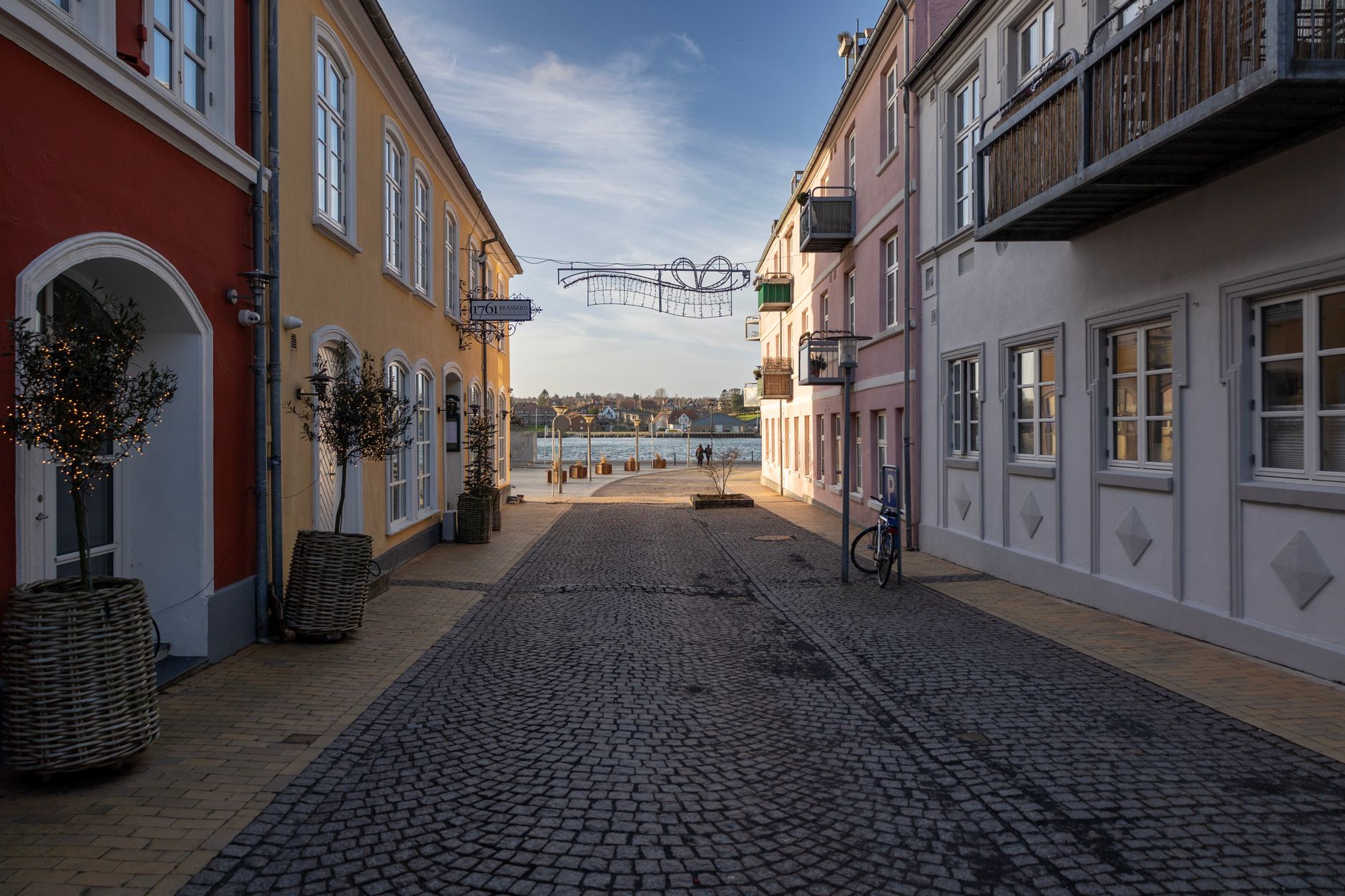
Frederikshavn sits flat against the Kattegat, framed by working shipyards, passenger ferries, and low glacial hills to the south. Daily life moves with the maritime traffic on Havnepladsen and the quiet pedestrian rhythm along Danmarksgade. It suits travellers after fresh coastal air, unpretentious North Jutland hospitality, and solid local fish rather than resort polish.
24 hours in Frederikshavn North Denmark Denmark
Start at Krudttårnet by the harbour, then head south to the gun emplacements of Bangsbo Fort. For lunch, order butter-fried plaice at a quay-side restaurant. Spend the afternoon walking the breezy path out to Palmestranden before a glass of local ale on Danmarksgade. Select 1 Day above to see it.
2 days in Frederikshavn North Denmark Denmark
Dedicate your second day to the Bangsbo estate, exploring the botanical gardens and the medieval Elling ship. Take an afternoon walk up Pikkerbakken for sweeping sea views, then drive six kilometres north to Strandby for smoked herring at the working fishing dock. Choose 2 Days to expand the plan.
3 days in Frederikshavn North Denmark Denmark
A third day lets you catch the morning ferry out to the bird sanctuary of Hirsholmene for quiet walking among granite cottages. Alternatively, take the 35-minute train north to Skagen to see Grenen where two seas meet, returning to Frederikshavn for dinner.
Frederikshavn North Denmark Denmark itineraries by interest
Local Seafood in Frederikshavn North Denmark Denmark
Taste whole pan-fried Kattegat plaice (rødspætte) served with brown butter and boiled potatoes along Havnepladsen or in small harbour smokehouses.
Maritime Fortifications in Frederikshavn North Denmark Denmark
Explore the 1688 Krudttårnet powder tower and the hilltop artillery bunkers at Bangsbo Fort, built during the German occupation in World War II.
Island Day Trips in Frederikshavn North Denmark Denmark
Board the small postal boat Seadog to Hirsholmene, an isolated car-free archipelago with an 1886 granite lighthouse and breeding sea bird colonies.
Coastal Walks in Frederikshavn North Denmark Denmark
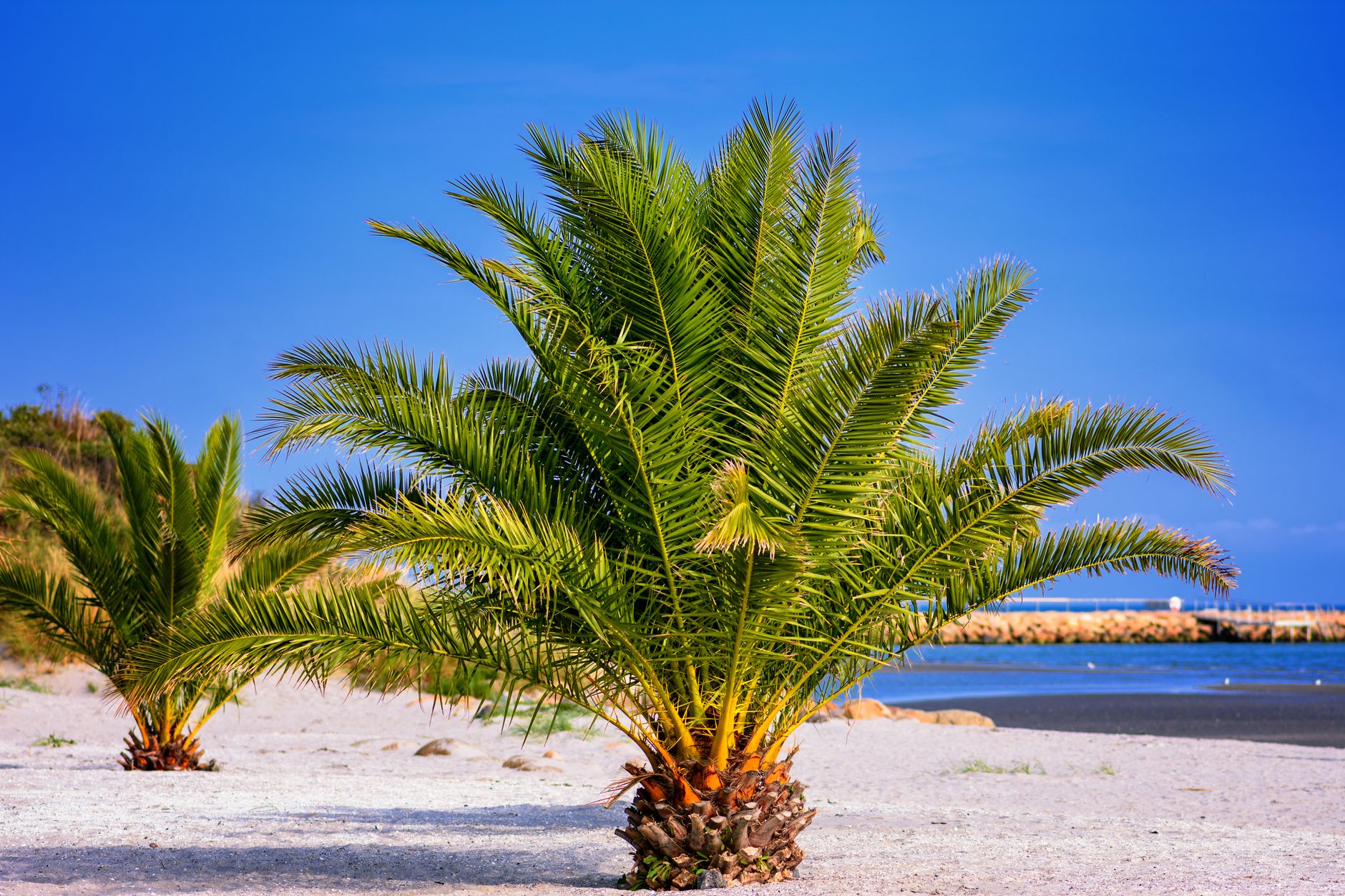
Stroll along the marina to Palmestranden, where exotic potted palms meet Baltic dunes, or follow the seaside gravel trail toward Strandby harbour.
Hilltop Views in Frederikshavn North Denmark Denmark
Climb Pikkerbakken, a 71-metre coastal bluff offering a wide wooden observation deck overlooking the Kattegat sea and the active working docks below.
Historic Manors in Frederikshavn North Denmark Denmark
Visit Bangsbo Hovedgård, an 18th-century manor house complex with moat gardens, naval history exhibitions, and an extensive surrounding botanical park.
Beaches in Frederikshavn North Denmark Denmark
Relax at Palm Beach during July and August, or walk the open sands north of the port where gentle shallows and sea air offer an unhurried seaside break.
Craft Beer in Frederikshavn North Denmark Denmark
Sample regional microbrews like dark stouts and hoppy ales at Jerry's Restaurant and Bryghus, brewed on copper kettles in central Frederikshavn.
Maritime Heritage in Frederikshavn North Denmark Denmark
See the Elling Ship, a reconstructed 12th-century merchant vessel displayed at the Bangsbo Museum alongside vintage shipwright tools and local lore.
Botanical Gardens in Frederikshavn North Denmark Denmark
Walk the gravel paths of Bangsbo Botaniske Have, featuring medicinal herbs, woodland rock gardens, and an English-style landscaped park open daily.
Ferry Travel in Frederikshavn North Denmark Denmark
Watch daily Stena Line and DFDS vessels navigate the commercial sound, or buy a foot ticket across the Kattegat straight into central Gothenburg.
Cycling in Frederikshavn North Denmark Denmark
Rent a town bike to pedal the flat coastal trail north to Strandby fishing village or south through the shaded beech trees of Bangsbo Woods.