Gapado.


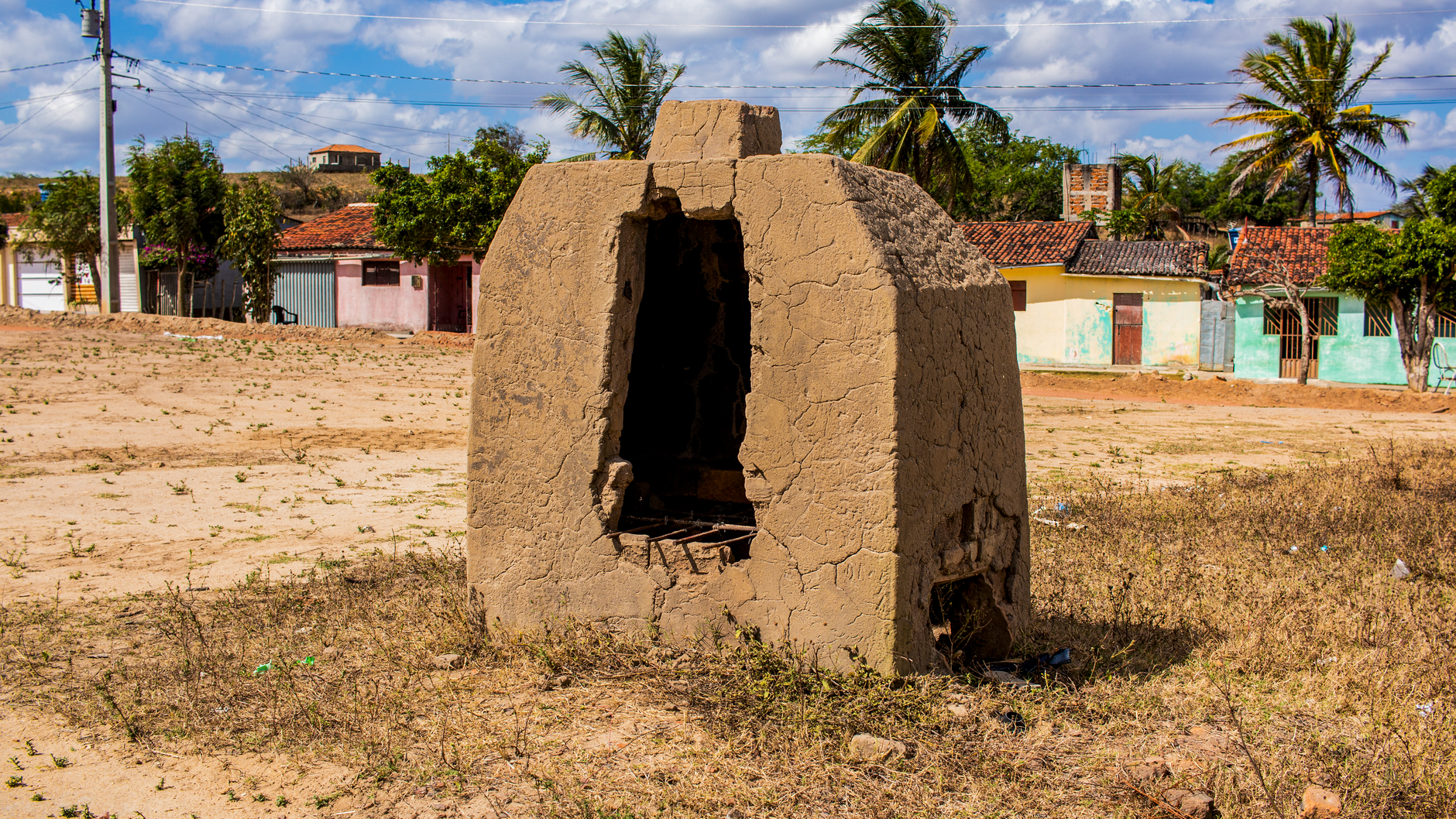
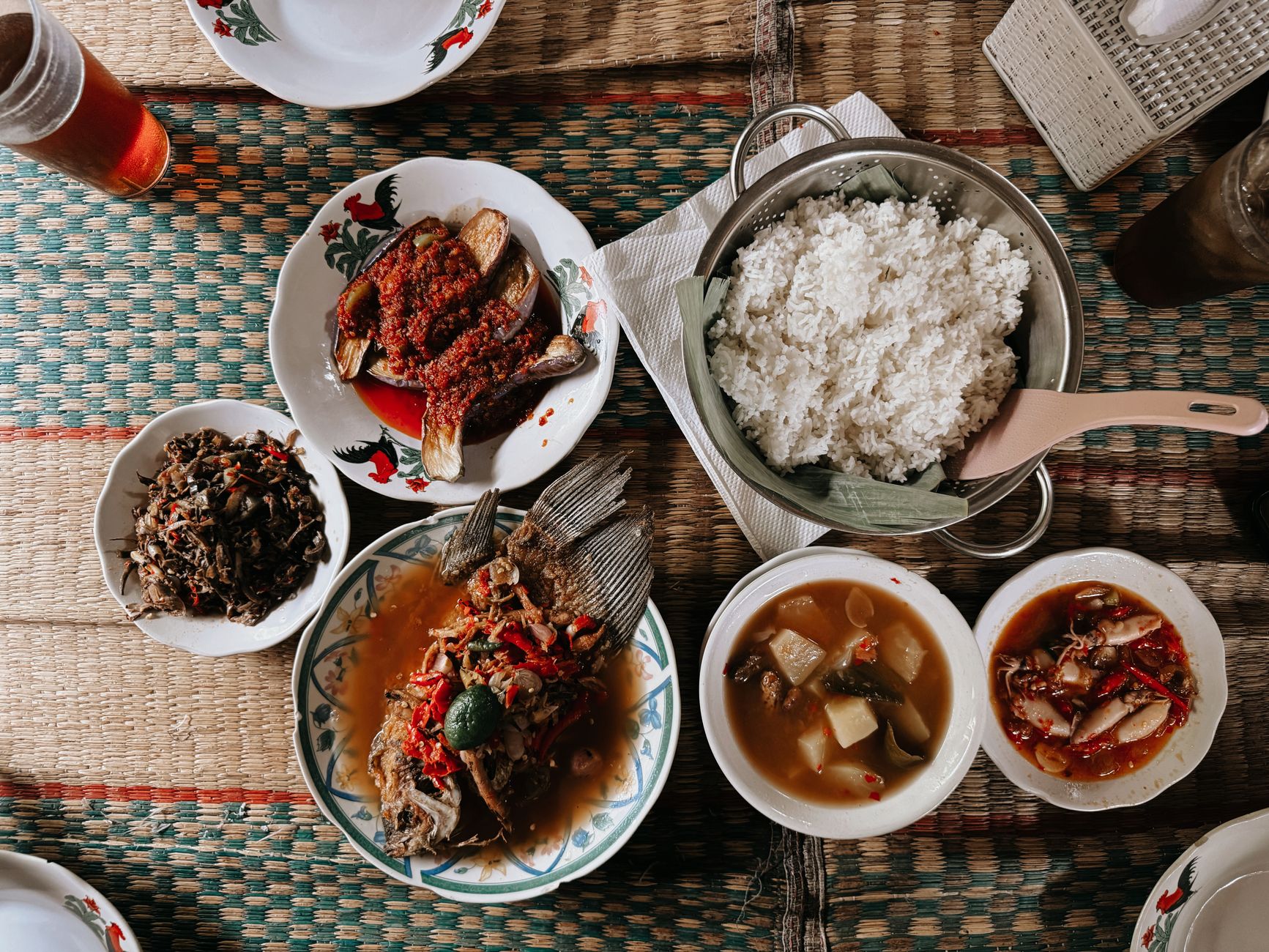

Gapado sits 5.5 kilometres south of Jeju Island, reached by a ten-minute ferry ride from Unjin Port in Moseulpo. It is a pancake-flat reef of basalt known for its green barley fields and the haenyeo who dive its shallows for sea snails and urchin. Gapado is worth visiting if you want to walk or cycle an uninterrupted coastal path and eat fresh bomal kalguksu by the harbour. Look elsewhere if you want car rentals, nightlife, late-night dining, or shelter from the wind.
Last updated 23 Nov 2026
Build a Gapado itinerary.
Choose up to 4 threads that pull you in. Your plan arrives organised around them.
The Bed
Where to stay in Gapado
Which part of town to book, and what each one costs you in walking, noise or quiet.
The Comparison
Gapado, or somewhere near it
The places you are realistically choosing between, and the honest case for each.
The Local Record
Where to read more about Gapado
The blogs, boards, guides and operators worth bookmarking.
What to do in Gapado Jeju-do South Korea
Gapado is an exceptionally flat island pinned between Jeju and Marado, shaped by wind, stone walls, and sea farming. Daily life revolves around the ferry dockings at Sangdong Port in the north and Hadong Port in the south. Visitors stroll or cycle the level cross-island lanes, take in unhindered views of Hallasan across the water, and eat simple seafood lunches. It suits day-trippers and walkers who value open skies and quiet horizons.
24 hours in Gapado Jeju-do South Korea
Take the 9:00 AM ferry from Unjin Port, rent a bicycle at Sangdong, and pedal the perimeter road before the crowds swell. Stop in Hadong for a bowl of sea snail kalguksu and grilled mackerel at noon, then walk the barley fields to Gapadonji before catching the 3:30 PM boat back. Select 1 Day above to see it.
2 days in Gapado Jeju-do South Korea
An overnight stay lets you experience the absolute hush after the last ferry departs at four. Walk Hadong village in the soft twilight, drink local barley makgeolli alongside fresh conch sashimi at a harbour guesthouse, and wake early to watch haenyeo divers enter the sunrise surf. Choose 2 Days to expand the plan.
3 days in Gapado Jeju-do South Korea
Three days allow a thoroughly unhurried base. Spend one morning sketching or birdwatching on the southern rocks, then take the short boat run across to neighbouring Marado to compare the two outposts before returning for a leisurely seafood dinner in Moseulpo.
Gapado Jeju-do South Korea itineraries by interest
Local Seafood in Gapado Jeju-do South Korea
Slurp hot bowls of bomal kalguksu (sea snail noodle soup) and raw sora (turban shell conch) sliced fresh by returning haenyeo divers.
Coastal Walks in Gapado Jeju-do South Korea
Follow the 4.2-kilometre Jeju Olle Trail Route 10-1 along the perimeter road, circling the low basalt coastline on foot in two hours.
Cycling in Gapado Jeju-do South Korea
Rent a single-gear bicycle near Sangdong Port to pedal flat lanes between fields of green barley and the southern harbour of Hadong.
Agriculture in Gapado Jeju-do South Korea
Walk among forty thousand square metres of cheongbori (green barley), harvested in late spring to produce roasted barley tea and flour.
Maritime Heritage in Gapado Jeju-do South Korea
Observe the bulteok stone windbreaks and diving gear used by generational haenyeo women working the rocky tidal shelves at low tide.
Island Views in Gapado Jeju-do South Korea
Climb the island’s highest point at twenty metres, Gapadonji, for sweeping sightlines of Mount Hallasan, Sanbangsan, and nearby Marado.
Local Baking in Gapado Jeju-do South Korea
Taste chewy barley hotteok griddled fresh with sweet syrup and nutty roasted barley grains at small stalls along the main village road.
Day Trips in Gapado Jeju-do South Korea
Catch the morning ferry back to Unjin Port to explore the sea cliffs of Songaksan and the busy fish market at Moseulpo on Jeju mainland.
Traditional Drinks in Gapado Jeju-do South Korea
Sample cold Gapado barley makgeolli poured from plastic jugs, naturally nutty and paired with savoury jeon pancakes near Hadong Port.
Wind & Weather in Gapado Jeju-do South Korea
Stand beside the twin wind turbines spinning above the reef, where maritime gales dictate daily ferry schedules and fishing runs.
Folk Traditions in Gapado Jeju-do South Korea
Look for stone dolhareubang figures and piled-basalt shrines where island families historically prayed for safe returns from the sea.
Harbour Life in Gapado Jeju-do South Korea
Watch skiffs tie up at Sangdong and Hadong piers, where locals sort kelp and unload small catches onto the concrete slipways.