Geoje.


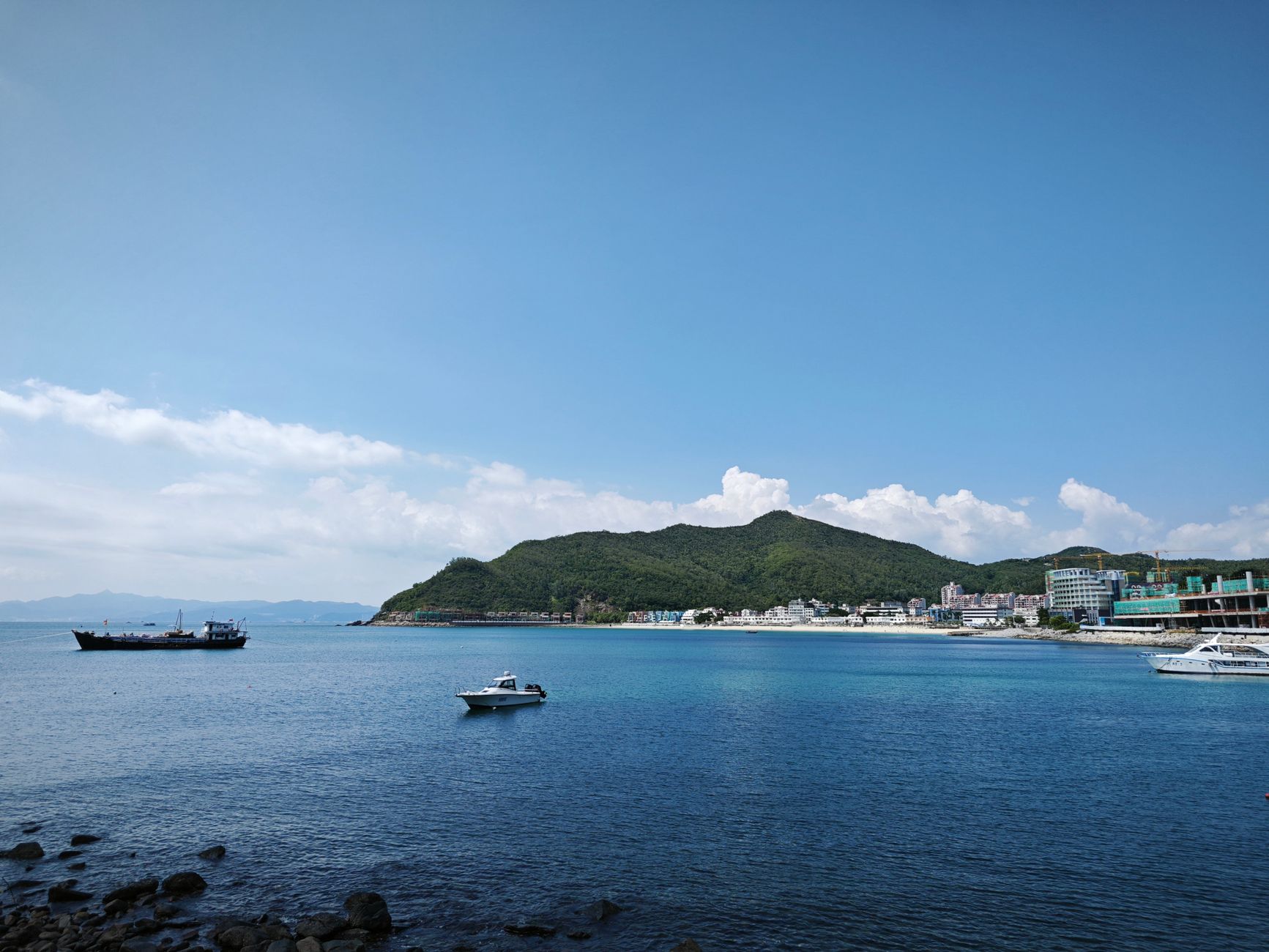


Geoje sits just an hour west of Busan across the Geoga Bridge, anchored by two of the world's largest shipyards and a rugged, indented coastline. It is known for its working ports, cold-water seafood, and maritime history. Geoje is worth visiting if you want wild coastal cliffs, ferry hops to outer islets, and raw sea squirt over rice. Look elsewhere if you want walkable historic alleys, rapid rail connections, or late-night entertainment districts.
Last updated 25 Sept 2026
Build a Geoje itinerary.
Choose up to 4 threads that pull you in. Your plan arrives organised around them.
The Bed
Where to stay in Geoje
Which part of town to book, and what each one costs you in walking, noise or quiet.
The Comparison
Geoje, or somewhere near it
The places you are realistically choosing between, and the honest case for each.
The Local Record
Where to read more about Geoje
The blogs, boards, guides and operators worth bookmarking.
What to do in Geoje Gyeongsangnam-do South Korea
Geoje is a sprawling, vehicle-reliant island where colossal maritime industry meets quiet fishing coves. Daily life divides between the humming shipyard districts of Gohyeon and Okpo in the north and the tranquil coastline to the south. It suits independent drivers, hikers, and seafood lovers eager to trade polished tourist hubs for windswept cliffs and docks where work boats unload daily catches.
24 hours in Geoje Gyeongsangnam-do South Korea
Start early with a ferry to Oedo Botania from Gujora Port before tour buses arrive. Head back for lunch near Hakdong for a bowl of sea squirt bibimbap. Spend the afternoon walking the breezy promontory at Windy Hill, then finish in Gohyeon with fresh sliced flounder and cold soju at the market. Select 1 Day above to see it.
2 days in Geoje Gyeongsangnam-do South Korea
Dedicate your second day to the island's past and high points. Tour the Geoje POW Camp in Gohyeon for a sobering look at 1950s history, then take the Geoje Panorama Cable Car up Nojasan. In the evening, head down to the small harbour of Jisepo for grilled rockfish and quiet waterside views. Choose 2 Days to expand the plan.
3 days in Geoje Gyeongsangnam-do South Korea
A third day allows for a drive down to Yeocha-Hongpo along the dramatic southern cliff road. Stop to hike the coastal trail toward Garaesan peak, then take a peaceful afternoon tea overlooking the pebble shore at Hakdong. Finish with a visit to the Okpo shipyard lookouts as the cranes light up at dusk.
Geoje Gyeongsangnam-do South Korea itineraries by interest
Local Seafood in Geoje Gyeongsangnam-do South Korea
Slurp bowlfuls of meongge bibimbap (sea squirt rice) in Gohyeon, or order fresh gwang-eo (flatfish) sliced alive right at the docks.
Coastal Walks in Geoje Gyeongsangnam-do South Korea
Follow the wooden boardwalks of the Southern Coast trail around Windy Hill and the jagged rock formations of Sinseondae.
Maritime History in Geoje Gyeongsangnam-do South Korea
Visit Okpo to see where Admiral Yi Sun-sin defeated the Japanese navy in 1592, framed today by colossal dry docks and gantry cranes.
Island Day Trips in Geoje Gyeongsangnam-do South Korea
Catch a 20-minute ferry from Gujora or Jangseungpo out to Oedo Botania, a subtropical marine garden built onto outer sea cliffs.
Modern Industry in Geoje Gyeongsangnam-do South Korea
Observe Hanwha Ocean and Samsung Heavy Industries yards building container ships and LNG tankers towering over Okpo and Gohyeon bays.
War History in Geoje Gyeongsangnam-do South Korea
Walk the surviving barracks, guard towers, and tank displays at the Geoje POW Camp, which held over 170,000 prisoners in the 1950s.
Beaches in Geoje Gyeongsangnam-do South Korea
Skip the sand for the smooth black pebbles at Hakdong Mongdol Beach, where the surf rolls stones with a distinct rattling rhythm.
Markets & Produce in Geoje Gyeongsangnam-do South Korea
Wander Gohyeon Market for live octopuses, dried anchovies, sweet yuzu citrus, and mountain greens gathered on the southern slopes.
Hiking in Geoje Gyeongsangnam-do South Korea
Climb Nojasan or Garaesan along ridgeline trails for panoramic views across the Hallyeohaesang National Park archipelago.
Garden Design in Geoje Gyeongsangnam-do South Korea
Tour the Geoje Jungle Dome, a vast glass biome in Geonam housing thousands of tropical plants beneath hexagonal steel frames.
Scenic Lookouts in Geoje Gyeongsangnam-do South Korea
Ride the Geoje Panorama Cable Car up Nojasan to view the sea islands, or stop at Yeocha observatory for steep offshore vistas.
Street Food in Geoje Gyeongsangnam-do South Korea
Graze along Okpo and Gohyeon market alleys for hot hotteok, spicy tteokbokki, and skewers of Geoje-style fishcake in steaming broth.