Ipoh.




Ipoh sits two hours north of Kuala Lumpur on the electric train line, flanked by sheer limestone karst cliffs. Once the tin capital of the British Empire, the city is best known today for its white coffee roasted with palm oil margarine and its exceptional Cantonese culinary legacy. The Kinta River divides the compact British colonial core from the Chinese commercial quarter. Ipoh is worth visiting if you want to eat chicken rice and silky flat rice noodles three times a day in open-air coffee shops. Look elsewhere if you want buzzing nightlife, ocean beaches, or major indoor museums to fill rainy afternoons.
Last updated 8 Sept 2026
Build a Ipoh itinerary.
Choose up to 4 threads that pull you in. Your plan arrives organised around them.
The Bed
Where to stay in Ipoh
Which part of town to book, and what each one costs you in walking, noise or quiet.
The Comparison
Ipoh, or somewhere near it
The places you are realistically choosing between, and the honest case for each.
The Local Record
Where to read more about Ipoh
The blogs, boards, guides and operators worth bookmarking.
What to do in Ipoh Peninsular Malaysia Malaysia
Ipoh splits neatly across the Kinta River: British civic architecture and dense Chinese shophouses on the west, mid-century commercial streets on the east. The day revolves unhurriedly around coffee shops, pastry counters, and late-afternoon noodles. It rewards walkers who prefer unvarnished urban texture and serious regional cooking to polished resort infrastructure.
24 hours in Ipoh Peninsular Malaysia Malaysia
Start with morning white coffee and egg tarts on Jalan Bandar Timah, then walk the Old Town shophouse alleys before noon. Spend the hot midday inside Perak Tong cave temple. Finish at dusk with steamed chicken and plump bean sprouts along Jalan Theatre in the New Town. Select 1 Day above to see it.
2 days in Ipoh Peninsular Malaysia Malaysia
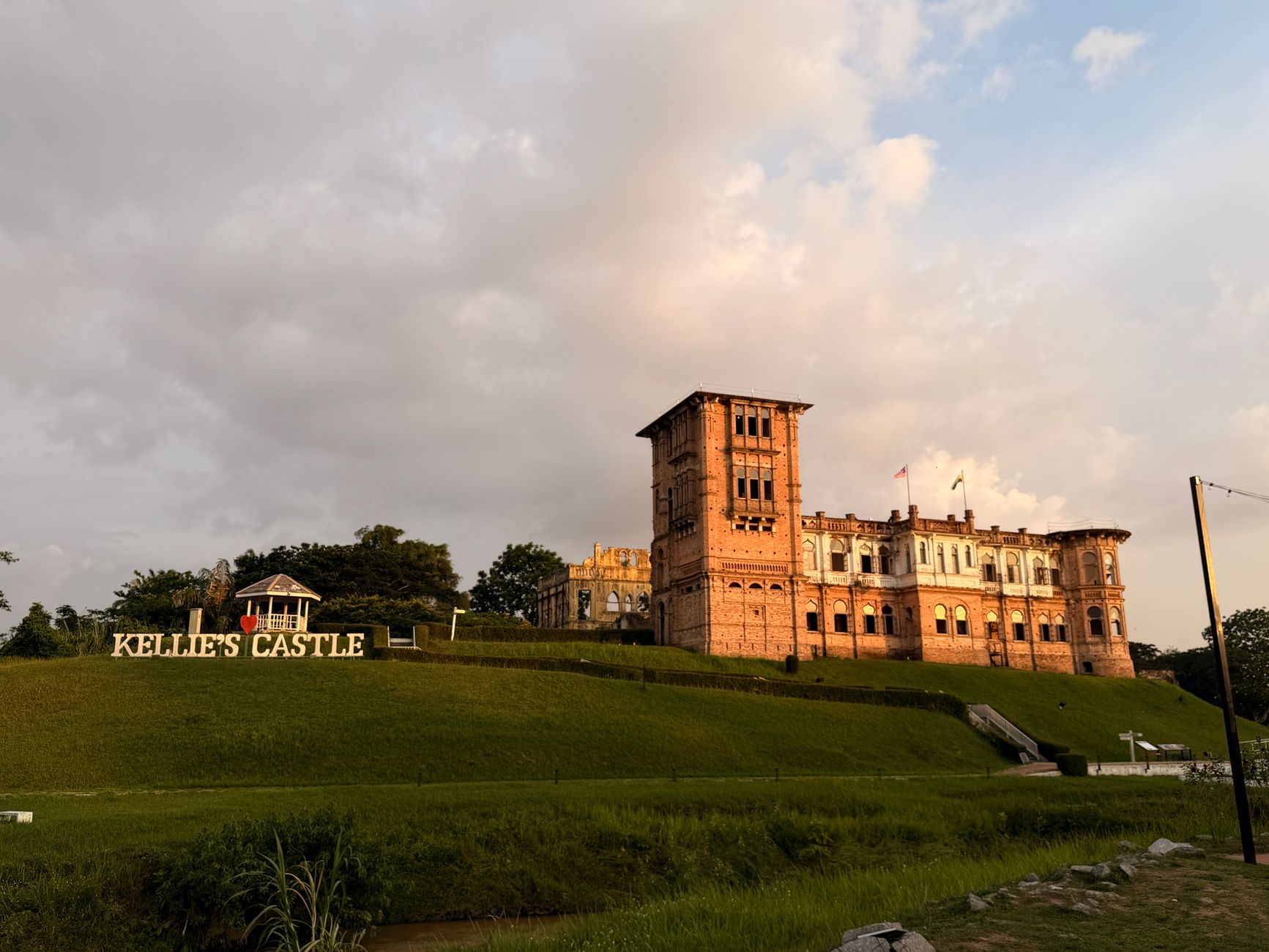
Head south to explore the cavern systems of Gua Tempurung or the strange Scottish ruins of Kellie's Castle. Return for lunch in Pasir Pinji for handmade fish balls and stuffed tofu, followed by fresh soya bean curd spooned hot from wooden buckets at Funny Mountain. Choose 2 Days to expand the plan.
3 days in Ipoh Peninsular Malaysia Malaysia
A third day allows an early morning climb up the tea plantations of Cameron Highlands or a slow circuit through the old royal town of Kuala Kangsar. Back in town, spend the afternoon tasting sweet Tambun pomelos and visiting Hakka guildhalls without watching the clock.
Ipoh Peninsular Malaysia Malaysia itineraries by interest
Street Food in Ipoh Peninsular Malaysia Malaysia
Slurp kai si hor fun noodles in prawn broth at Thean Chun, then line up for salt-baked chicken seasoned with angelica root at Aun Kheng Lim.
Sacred Architecture in Ipoh Peninsular Malaysia Malaysia
Climb through natural limestone chambers to reach the Taoist altars and cliff-face frescoes of Perak Tong and Sam Poh Tong temples.
Colonial Heritage in Ipoh Peninsular Malaysia Malaysia
Walk the heritage trail past the 1917 railway station, the neoclassical Town Hall, and the century-old mercantile shophouses along Jalan Panglima.
Coffee Culture in Ipoh Peninsular Malaysia Malaysia
Order iced white coffee pulled with condensed milk at Kedai Kopi Sin Yoon Loong, roasted dark with margarine in iron drums since 1937.
Cave Exploration in Ipoh Peninsular Malaysia Malaysia
Wade through subterranean river passages and cathedral-sized dry caverns at Gua Tempurung, twenty minutes south along the limestone ridge.
Local Produce in Ipoh Peninsular Malaysia Malaysia
Sample sweet Tambun pomelos sold along Jalan Gopeng, grown in calcium-rich soil beneath the cliffs, alongside fragile peanut brittle.
Traditional Baking in Ipoh Peninsular Malaysia Malaysia
Queue at Guan Heong Biscuit Shop for meat floss pastries and flaky kaya puffs baked fresh in wood-fired ovens since 1910.
Urban Walking in Ipoh Peninsular Malaysia Malaysia
Cross the Kinta River footbridges between Old Town and New Town, navigating five-foot ways and shaded arcades lined with mural art.
Day Trips in Ipoh Peninsular Malaysia Malaysia
Drive thirty minutes to the abandoned brick arches and secret cellars of Kellie's Castle, or visit the historic tin-mining town of Batu Gajah.
Evening Dining in Ipoh Peninsular Malaysia Malaysia
Squeeze onto plastic stools along Cowan Street for poached chicken with crunchy bean sprouts, followed by ginger-syrup tau fu fah.
Folk History in Ipoh Peninsular Malaysia Malaysia
Tour the preserved 1929 tin-mining club at Han Chin Pet Soo to understand the Hakka miners, secret societies, and early migrant commerce.
Thermal Springs in Ipoh Peninsular Malaysia Malaysia
Soak in natural mineral-rich hot springs fed by geothermal groundwater at the base of the karst foothills in Tambun.