Kuala Lumpur.


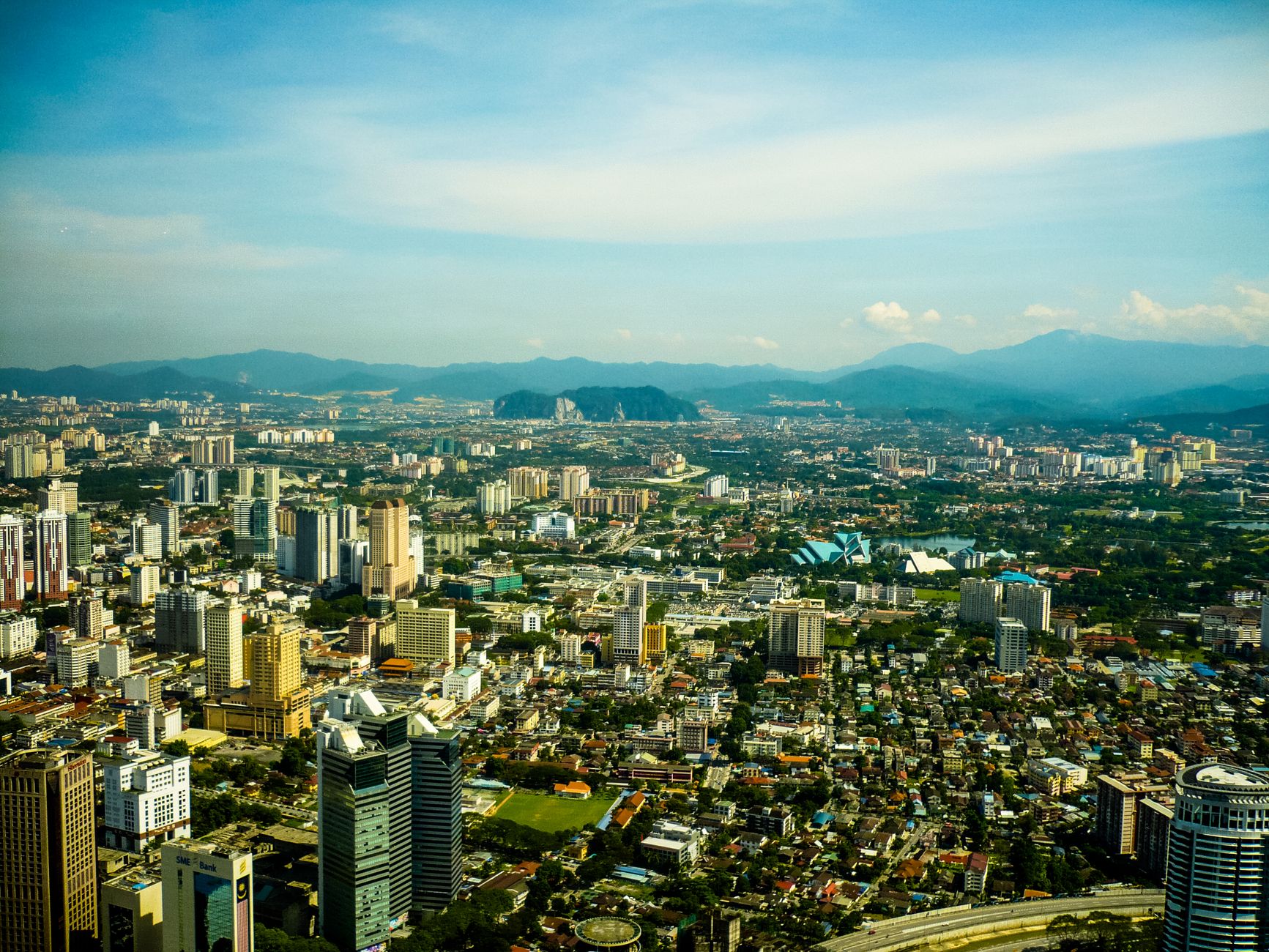
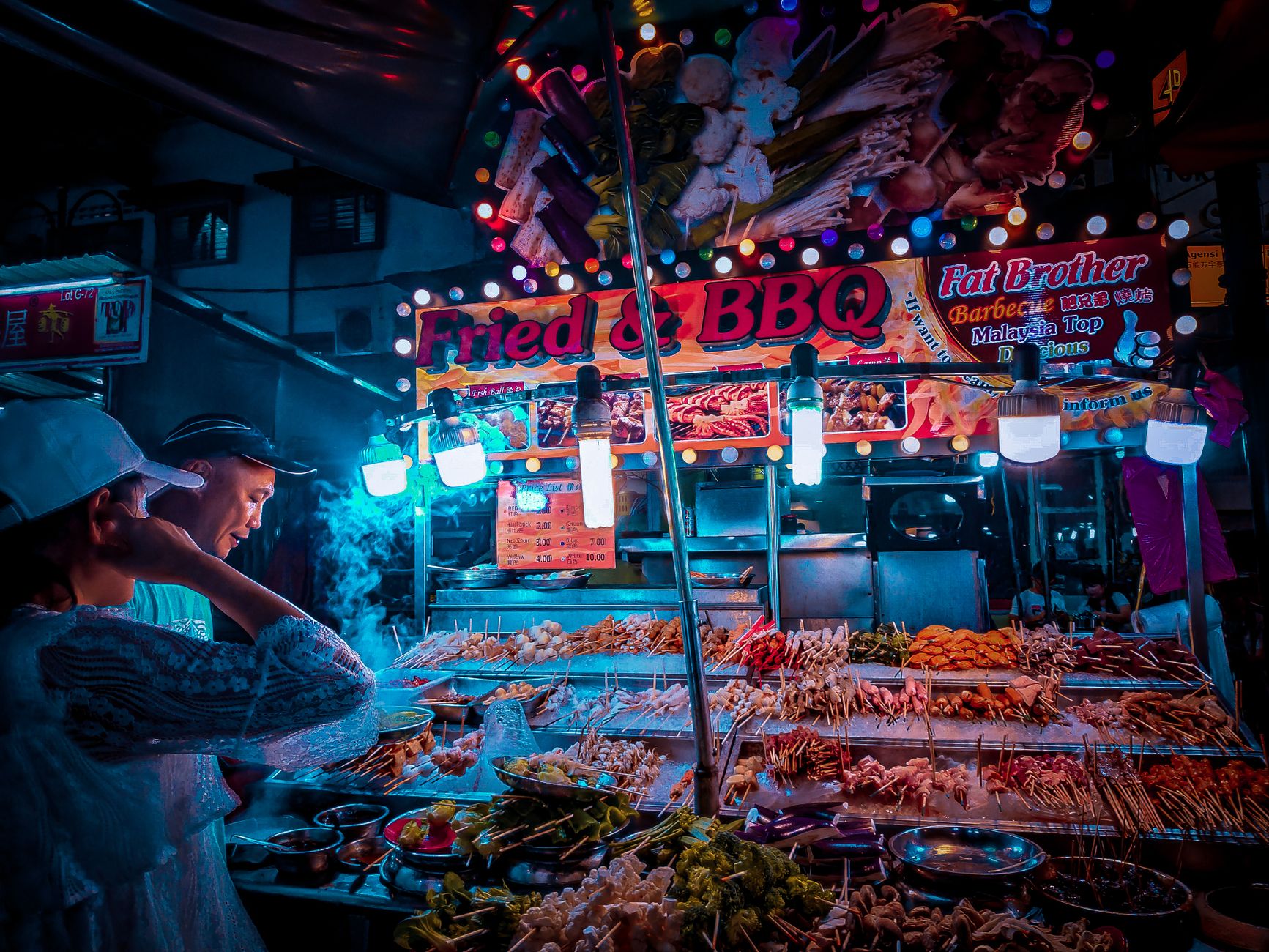

Kuala Lumpur sits 45 kilometres north of Kuala Lumpur International Airport, reached in 28 minutes on the non-stop KLIA Ekspres train. Malaysia's capital is defined by its hawker stalls, where Malay, Chinese, and Indian cooking traditions intersect over charcoal fires. Kuala Lumpur is worth visiting if you want to eat unmatched char kway teow and banana leaf rice across dense hawker enclaves. Look elsewhere if you want walkable seaside promenades, cool mountain air, or historic streets free of traffic.
Last updated 27 Sept 2026
Build a Kuala Lumpur itinerary.
Choose up to 4 threads that pull you in. Your plan arrives organised around them.
The Bed
Where to stay in Kuala Lumpur
Which part of town to book, and what each one costs you in walking, noise or quiet.
The Comparison
Kuala Lumpur, or somewhere near it
The places you are realistically choosing between, and the honest case for each.
The Local Record
Where to read more about Kuala Lumpur
The blogs, boards, guides and operators worth bookmarking.
What to do in Kuala Lumpur Peninsular Malaysia Malaysia
Kuala Lumpur runs on humidity, traffic, and fierce appetite. The city clusters around distinct pockets: Chinatown shophouses, Brickfields spice merchants, Kampung Baru stilt houses, and the steel towers of KLCC. Daily life naturally revolves around breakfast at a coffee shop, cooling off indoors through midday thunderstorms, and eating late under the neon signs of open-air hawkers. It rewards travellers who follow their appetites and do not mind the heat.
24 hours in Kuala Lumpur Peninsular Malaysia Malaysia
Start early at Yut Kee for Hainanese pork chops and kaya toast. Spend the morning viewing Merdeka Square before the midday sun peaks, then take the MRT to Chinatown for claypot rice on Petaling Street. Finish the night sipping cold beer over satay and grilled chicken wings along Jalan Alor. Select 1 Day above to see it.
2 days in Kuala Lumpur Peninsular Malaysia Malaysia
Spend morning two in Brickfields eating banana leaf rice with mutton varuval, then wander through the restored printing presses and studios of the Zhongshan Building. By dusk, cross into Kampung Baru for grilled stingray and nasi lemak while looking up at the illuminated Petronas Towers. Choose 2 Days to expand the plan.
3 days in Kuala Lumpur Peninsular Malaysia Malaysia
Take the morning commuter train out to the towering limestone chambers of Batu Caves before the tour buses arrive. Return for a calm afternoon stroll through the orchids at Perdana Botanical Gardens, followed by an unhurried dinner of herbal bak kut teh in the old Klang-style stalls of Pudu.
Kuala Lumpur Peninsular Malaysia Malaysia itineraries by interest
Street Food in Kuala Lumpur Peninsular Malaysia Malaysia
Order wok-charred char kway teow on Jalan Alor, claypot chicken rice on Petaling Street, and flaky roti canai at twenty-four-hour mamak stalls.
Sacred Architecture in Kuala Lumpur Peninsular Malaysia Malaysia
Climb the 272 steps at Batu Caves, visit the blue-tiled National Mosque, and admire the Dravidian carvings of Sri Mahamariamman Temple.
Markets & Produce in Kuala Lumpur Peninsular Malaysia Malaysia
Weave through Chow Kit Wet Market for fresh rambutan, mangosteen, and torch ginger before browsing dry spices and fresh pastes at Pudu Market.
Colonial History in Kuala Lumpur Peninsular Malaysia Malaysia
Inspect Moorish arches and copper domes around Merdeka Square, Sultan Abdul Samad Building, and the 1910 Kuala Lumpur Railway Station.
Local Coffee in Kuala Lumpur Peninsular Malaysia Malaysia
Sip thick Hainanese kopi poured over condensed milk with kaya butter toast and soft-boiled eggs at Yut Kee, serving since 1928.
Modern Art in Kuala Lumpur Peninsular Malaysia Malaysia
Explore contemporary Southeast Asian canvases at Ilham Gallery, then browse independent regional printmakers at the Zhongshan Building.
Night Markets in Kuala Lumpur Peninsular Malaysia Malaysia
Navigate the Wednesday Connaught Pasar Malam for stinky tofu, salted egg squid skewers, and freshly squeezed sugarcane juice from carts.
Day Trips in Kuala Lumpur Peninsular Malaysia Malaysia
Catch the KTM Komuter train to the limestone cliffs of Batu Caves, or take an hour bus to the historic shophouses of Kuala Selangor.
City Parks in Kuala Lumpur Peninsular Malaysia Malaysia
Walk the canopy walkway at KL Forest Eco Park, a protected rainforest patch, or stroll the boardwalks of the Perdana Botanical Gardens.
Regional Cooking in Kuala Lumpur Peninsular Malaysia Malaysia
Sample fiery rendang and nasi lemak in Kampung Baru, or sit for South Indian banana leaf thali meals along the leafy roads of Brickfields.
Neighbourhood Walks in Kuala Lumpur Peninsular Malaysia Malaysia
Trace the 1920s clan houses and herbal medicine shops of Chinatown, then head across the rail tracks to the saree shops of Little India.
Textile Crafts in Kuala Lumpur Peninsular Malaysia Malaysia
Watch artisans hand-wax traditional floral motifs at the National Craft Complex, or buy hand-stamped batik sarongs along Jalan Tuanku Abdul Rahman.