Melaka.


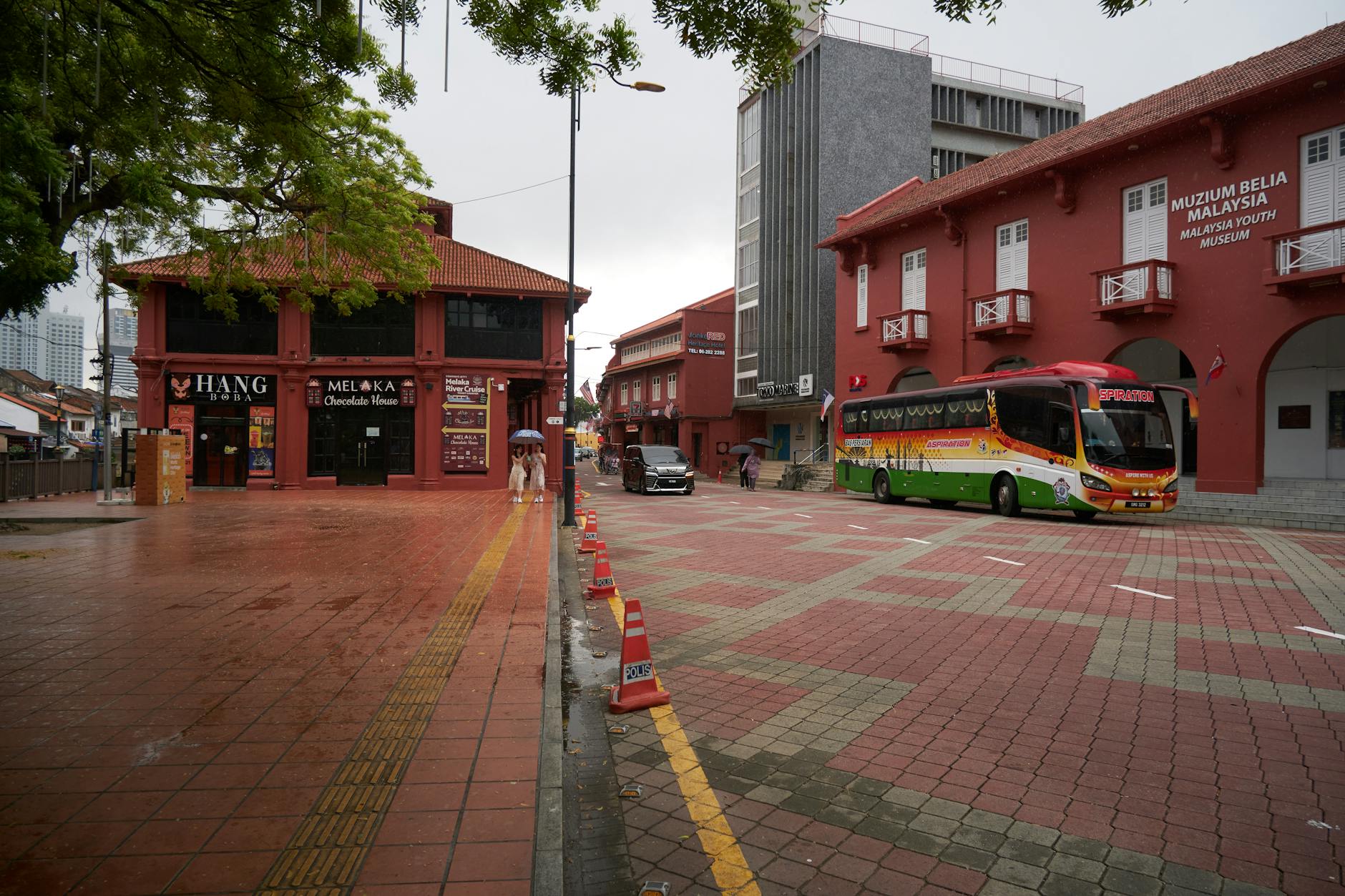


Melaka sits two hours south of Kuala Lumpur by bus along the Strait of Malacca. The compact city centre is defined by its layered history as a major fifteenth-century trading port, marked by Dutch brickwork, Portuguese ruins, and a distinctive Peranakan heritage. Melaka is worth visiting if you want to explore old trade routes on foot and eat complex Nyonya curries simmered with belacan and torch ginger. Look elsewhere if you want swimmable beaches, cool mountain air, or late-night clubbing.
Last updated 27 Sept 2026
Build a Melaka itinerary.
Choose up to 4 threads that pull you in. Your plan arrives organised around them.
The Bed
Where to stay in Melaka
Which part of town to book, and what each one costs you in walking, noise or quiet.
The Comparison
Melaka, or somewhere near it
The places you are realistically choosing between, and the honest case for each.
The Local Record
Where to read more about Melaka
The blogs, boards, guides and operators worth bookmarking.
What to do in Melaka Peninsular Malaysia Malaysia
Melaka is shaped by its tidal river and a compact grid of seventeenth-century streets. Days here revolve around morning noodles, quiet afternoon museum visits to escape the equatorial sun, and long dinners over tamarind-laced stews. It suits curious walkers, history readers, and travellers who plan entire afternoons around a bowl of cendol. The old town is flat, easily crossed on foot, and best explored early before weekend coaches arrive.
24 hours in Melaka Peninsular Malaysia Malaysia
Start at eight on Jalan Tokong with a bowl of Nyonya laksa before climbing St. Paul's Hill for the early breeze. Cross the river to explore the Dutch Stadthuys, break for chicken rice balls on Jalan Hang Jebat, and spend the cooler evening walking the river promenade out to the maritime museum. Select 1 Day above to see it.
2 days in Melaka Peninsular Malaysia Malaysia
Spend day two admiring the carved timber details along Jalan Tun Tan Cheng Lock, visiting the Baba & Nyonya Heritage Museum. By late afternoon, take a ten-minute taxi to the Portuguese Settlement at Ujong Pasir for grilled sambal stingray and Kristang devilled curry by the water. Choose 2 Days to expand the plan.
3 days in Melaka Peninsular Malaysia Malaysia
A third day allows an unhurried morning along the quiet shophouses of Bukit Cina and its fifteenth-century well. Take an afternoon excursion to the coastal sand dunes of Pantai Klebang for coconut shakes, then return for claypot duck soup in the old quarter.
Melaka Peninsular Malaysia Malaysia itineraries by interest
Regional Cooking in Melaka Peninsular Malaysia Malaysia
Nyonya laksa scented with daun kesum, pongteh chicken braised in fermented soy, and pai tee shells filled with jicama.
Maritime History in Melaka Peninsular Malaysia Malaysia
Explore the Stadthuys from 1650, the ruins of A Famosa, and St. Paul's Hill overlooking the ancient trading lanes of the strait.
Street Food in Melaka Peninsular Malaysia Malaysia
Hainanese chicken rice balls along Jalan Hang Jebat, satay celup skewered into bubbling peanut broth, and cendol with fresh gula melaka.
Sacred Architecture in Melaka Peninsular Malaysia Malaysia
Walk Harmony Street to see the 1728 Kampung Kling Mosque, the 1645 Cheng Hoon Teng Temple, and Sri Poyyatha Vinayagar Moorthi.
Markets & Produce in Melaka Peninsular Malaysia Malaysia
Browse night stalls on Jonker Street for warm pineapple tarts and dodol, or visit Medan Makan Boon Leong for morning market noodles.
Craft Traditions in Melaka Peninsular Malaysia Malaysia
Watch cobblers hand-stitch beaded Peranakan slippers on Jalan Tokong and woodworkers carve ancestral plaques in traditional shophouses.
Historic Quarters in Melaka Peninsular Malaysia Malaysia
Wander the Portuguese Settlement at Ujong Pasir for spicy Kristang baked fish, and admire Dutch colonial plaster on Jalan Heeren.
Desserts & Bakeries in Melaka Peninsular Malaysia Malaysia
Sample shaved ice cendol drenched in dark coconut palm sugar, layered Nyonya kuih, and freshly baked buttery pineapple tarts.
Riverside Walks in Melaka Peninsular Malaysia Malaysia
Stroll the stone paved paths along the Melaka River at sunset, passing painted trade warehouses, iron bridges, and quiet waterfront cafes.
Local Seafood in Melaka Peninsular Malaysia Malaysia
Head to Klebang and Portuguese Square for grilled stingray rubbed with sambal, butter prawns, and clam soup boiled with lemongrass.
Antiques & Curios in Melaka Peninsular Malaysia Malaysia
Search Jalan Hang Kasturi and Jalan Tun Tan Cheng Lock for vintage Straits Chinese porcelain, wooden tiffin carriers, and brassware.
Day Trips in Melaka Peninsular Malaysia Malaysia
Drive thirty minutes north to Ayer Keroh forest trails, or take a short boat crossing to Pulau Besar for coastal shrines and legends.