

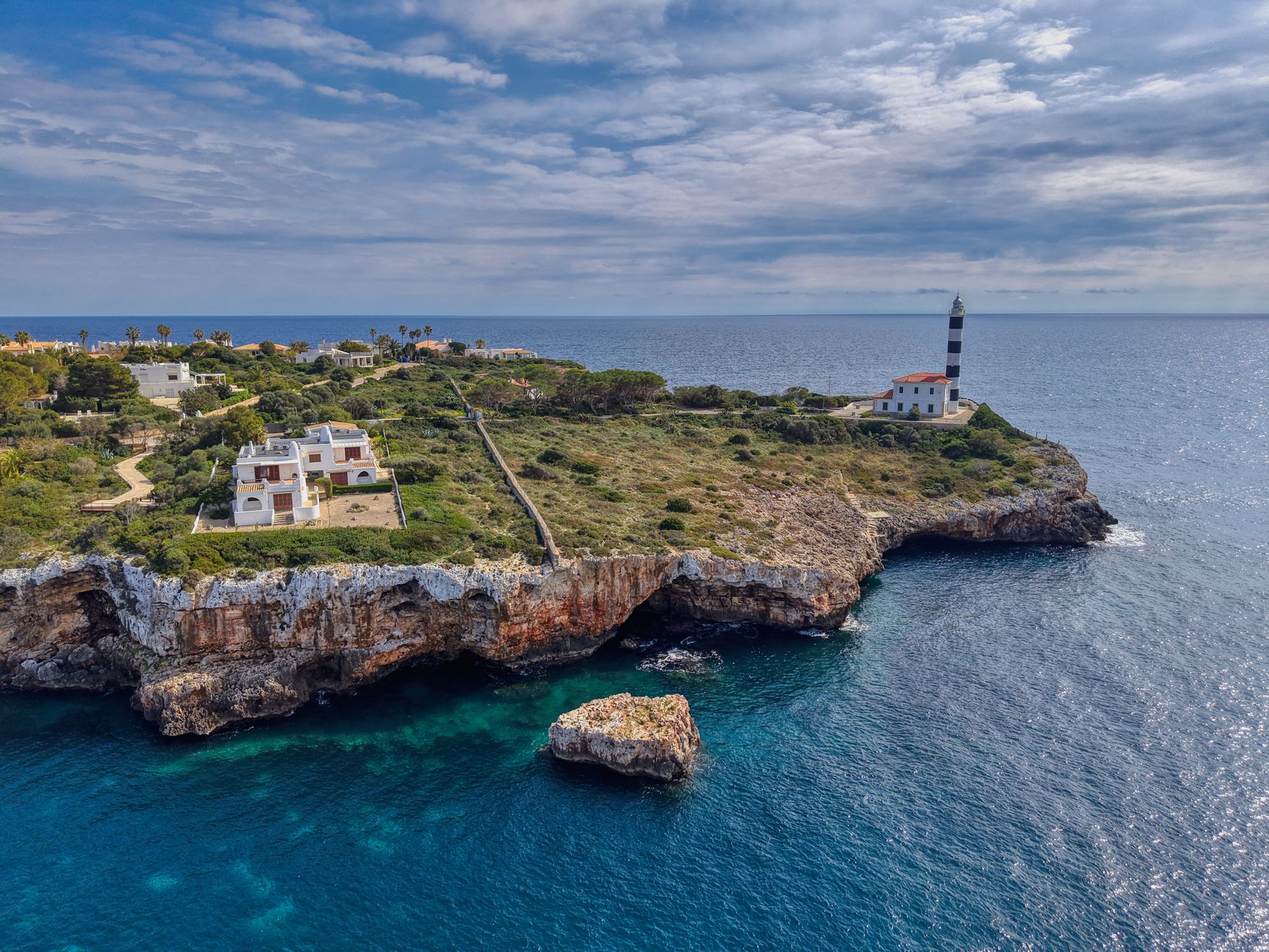
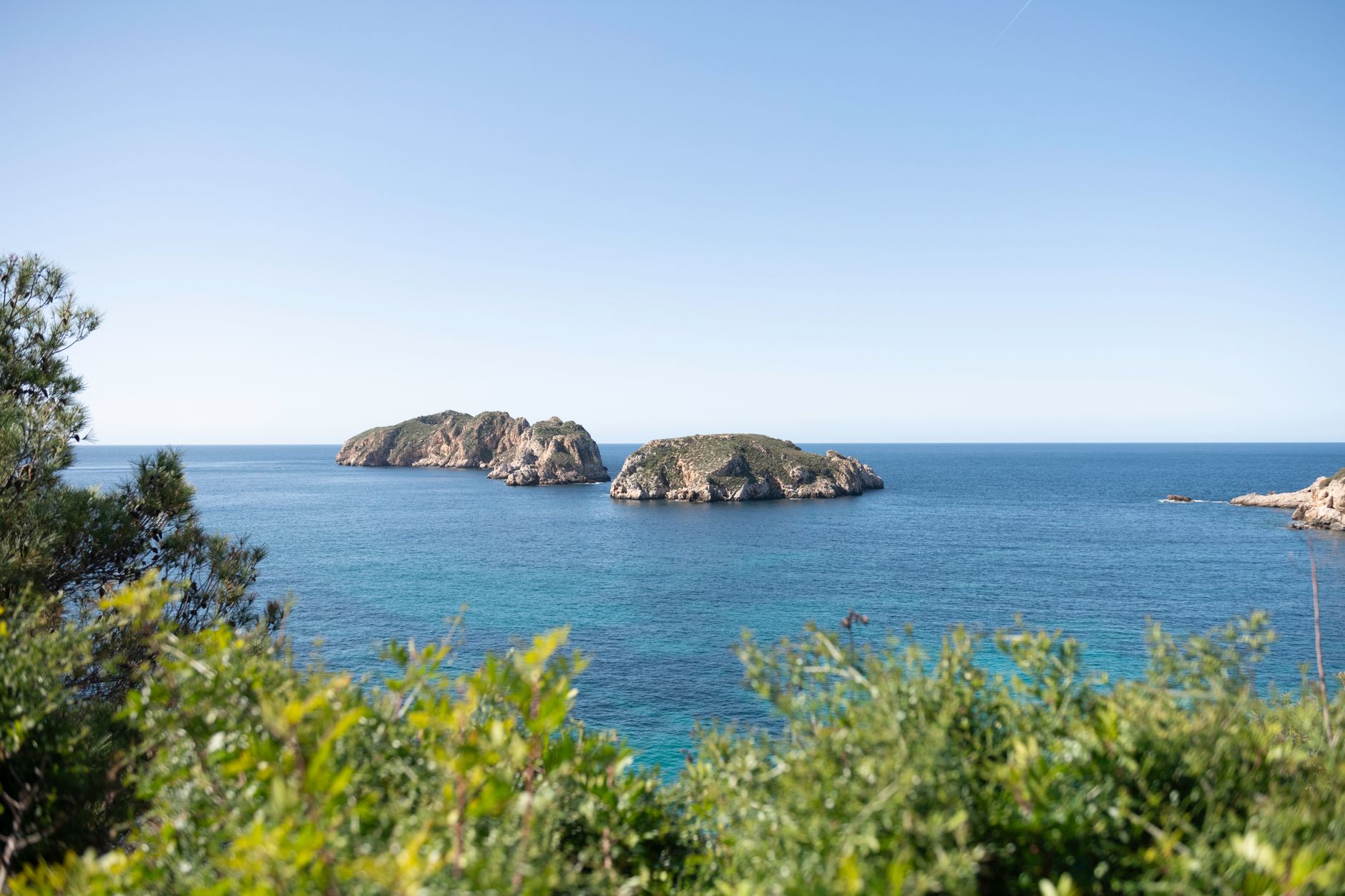

Sitting eight miles off Punta de Mita in Banderas Bay, Islas Marietas takes roughly forty-five minutes to reach by licensed panga. This uninhabited volcanic archipelago is designated as a national park, famed for its cavernous collapsed beach, vibrant coral heads, and nesting seabird colonies. Islas Marietas is worth visiting if you want to swim through a tidal arch into a sunlit volcanic crater and snorkel among parrotfish. Look elsewhere if you want unguided island hiking, resort beachfronts, or casual dry landings.
Last updated 3 Nov 2026
Build a Islas Marietas itinerary.
Choose up to 4 threads that pull you in. Your plan arrives organised around them.
The Bed
Where to stay in Islas Marietas
Which part of town to book, and what each one costs you in walking, noise or quiet.
The Comparison
Islas Marietas, or somewhere near it
The places you are realistically choosing between, and the honest case for each.
The Local Record
Where to read more about Islas Marietas
The blogs, boards, guides and operators worth bookmarking.
What to do in Islas Marietas Nayarit Mexico
A trip to Islas Marietas revolves strictly around the ocean, tides, and park authorities. You sleep on the mainland in Punta de Mita or Puerto Vallarta, set off early by boat before the midday winds pick up, and spend your time swimming through rock arches or viewing seabird colonies from the bow. It suits active travellers comfortable in open water who value precise conservation rules over lounge chairs.
24 hours in Islas Marietas Nayarit Mexico
Catch a 7:30 boat from Punta de Mita harbour to reach Playa del Amor before crowds form. Swim the tidal tunnel, snorkel the outer reef shelf, and return to shore by noon. Spend the afternoon over cold beer and a platter of aguachile negro at a beach shack along Playa El Anclote, watching fishing pangas haul in their nets. Select 1 Day above to see it.
2 days in Islas Marietas Nayarit Mexico
A second day lets you explore the coastline north of the islands. Drive twenty minutes to Sayulita for a morning surf lesson, then continue to San Pancho for a quiet walk along the sand. For dinner, sit down at a palapa restaurant for pargo zarandeado, slow-grilled over wood with dried chiles and soy sauce. Choose 2 Days to expand the plan.
3 days in Islas Marietas Nayarit Mexico
With three days, venture south across Banderas Bay by water taxi to the roadless cove of Yelapa. Hike up to the waterfall path, swim the river mouth, and stop for fish tacos on the return trip through La Cruz de Huanacaxtle, timing your walk with the afternoon market stalls.
Islas Marietas Nayarit Mexico itineraries by interest
Marine Wildlife in Islas Marietas Nayarit Mexico
Spot Pacific green sea turtles, giant mantas, and yellowtail surgeonfish along the protected volcanic shelf of Isla Larga.
Birdwatching in Islas Marietas Nayarit Mexico
Binoculars reveal nesting colonies of blue-footed boobies, magnificent frigatebirds, and brown noddies on the volcanic cliffs.
Snorkelling & Diving in Islas Marietas Nayarit Mexico
Drift over massive brain coral and volcanic swim-throughs around Pavonas reef, wearing mandatory life jackets with your guide.
Coastal Geology in Islas Marietas Nayarit Mexico
Study basaltic archways, tide-carved sea caves, and the sunken roof of Playa del Amor created by ancient volcanic eruptions.
Boat Charters in Islas Marietas Nayarit Mexico
Board licensed pangas departing early from the public pier in Punta de Mita or the marina at La Cruz de Huanacaxtle.
Local Seafood in Islas Marietas Nayarit Mexico
Head back to Punta de Mita for whole red snapper zarandeado, grilled over mangrove charcoal, and lime-cured shrimp ceviche.
Whale Watching in Islas Marietas Nayarit Mexico
Between December and March, listen for humpback whales breaching and tail-slapping across the outer edge of Banderas Bay.
Protected Reserves in Islas Marietas Nayarit Mexico
Navigate CONANP permit limits, strict twenty-minute swim caps inside the crater, and rules forbidding sunscreen in the water.
Kayaking & Paddling in Islas Marietas Nayarit Mexico
Paddle ocean kayaks around the perimeter of Isla Redonda, keeping distance from jagged rock shelves and pounding Pacific surf.
Beach Wandering in Islas Marietas Nayarit Mexico
Wade ashore at Playa La Nopalera during low swell to examine tide pools cut into rust-red volcanic stone.
Nearby Villages in Islas Marietas Nayarit Mexico
Spend the late afternoon along Avenida El Anclote in Punta de Mita, watching fishermen unload morning catches on the sand.
Coastal Ecology in Islas Marietas Nayarit Mexico
Observe how strict visitor quotas since 2016 have restored damaged branching coral and cleared boat traffic from reef beds.