_-_panoramio.jpg)

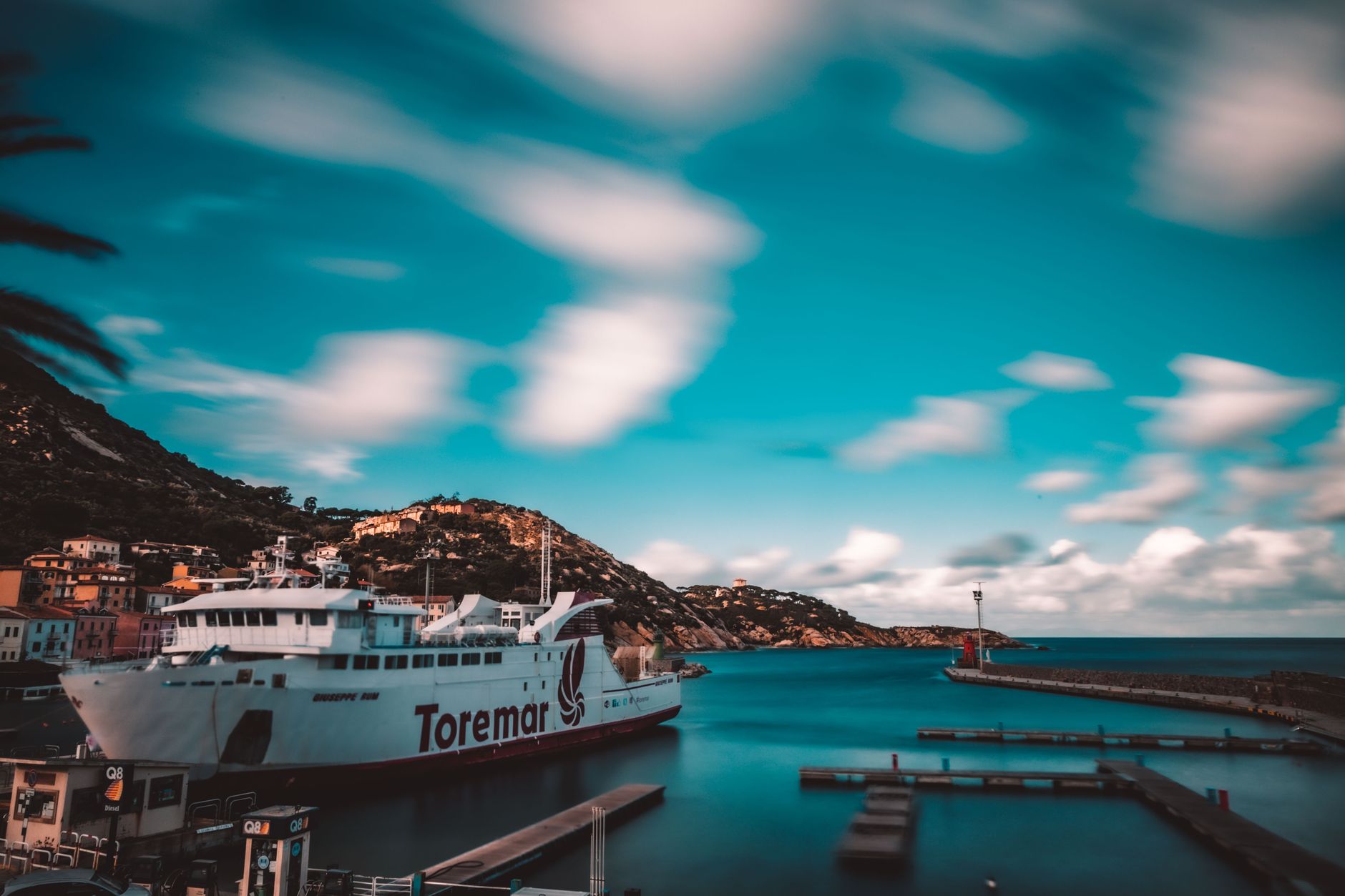
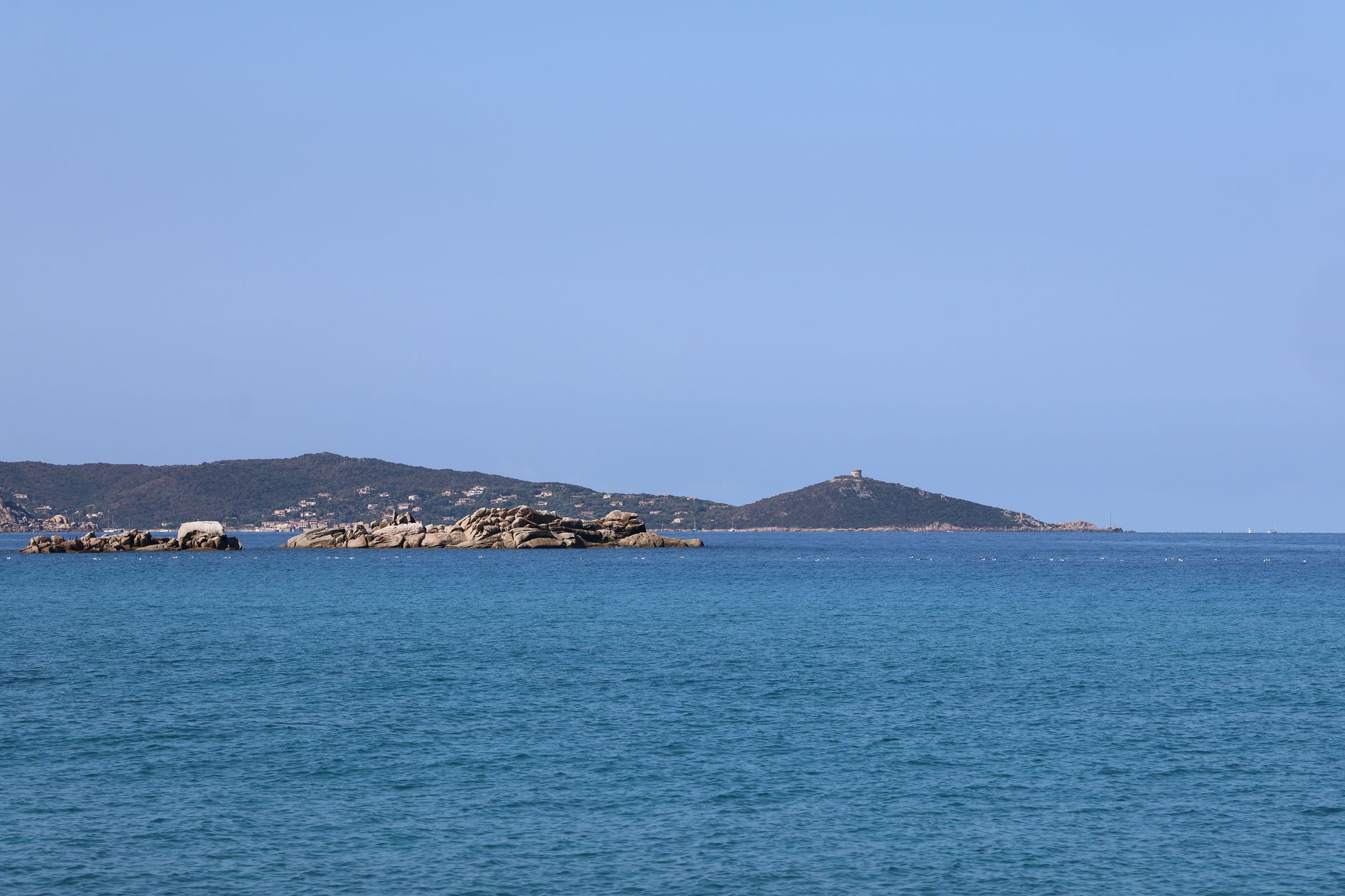
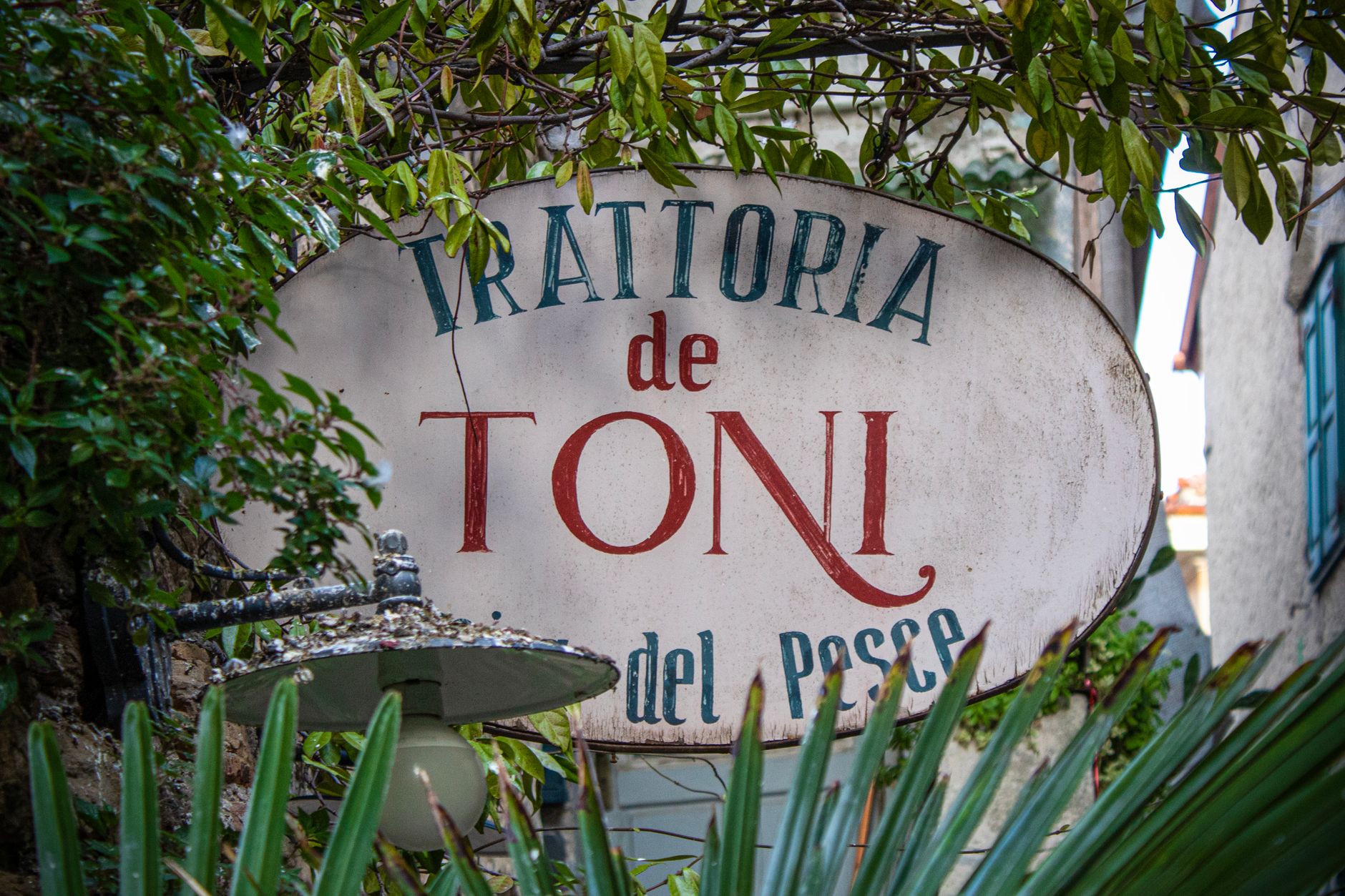
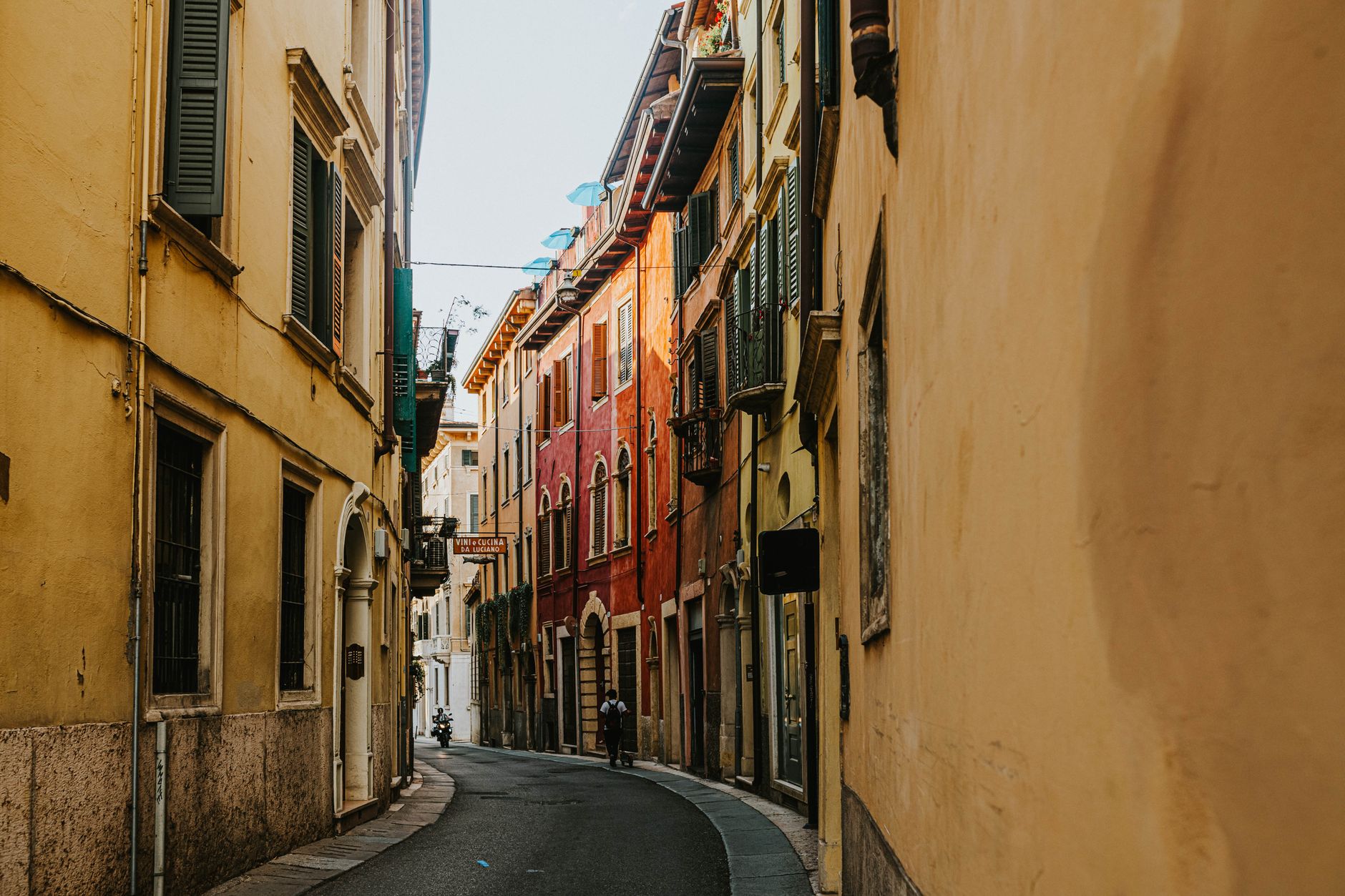
Isola del Giglio sits fourteen kilometres off Porto Santo Stefano, reached by a one-hour ferry across the Tuscan archipelago. The island is known for its preserved hilltop fortress and granite coastline. Isola del Giglio is worth visiting if you want to drink amber Ansonaco wine inside medieval ramparts, hike rocky donkey trails between coves, and swim in clear water. Look elsewhere if you want sandy resort promenades, lively nightclubs, or flat, effortless walking without steep climbs.
Last updated 10 Oct 2026
Build a Isola del Giglio itinerary.
Choose up to 4 threads that pull you in. Your plan arrives organised around them.
The Bed
Where to stay in Isola del Giglio
Which part of town to book, and what each one costs you in walking, noise or quiet.
The Comparison
Isola del Giglio, or somewhere near it
The places you are realistically choosing between, and the honest case for each.
The Local Record
Where to read more about Isola del Giglio
The blogs, boards, guides and operators worth bookmarking.
What to do in Isola del Giglio Toscana Italy
Life splits between three distinct hubs: Giglio Porto where ferries dock, Giglio Castello perched high on the ridge, and the wide bay of Giglio Campese. Days revolve around boat outings or cliffside hikes down to granite coves, followed by quiet evenings eating seafood or drinking cold wine within medieval stone walls. It suits walkers and unhurried travellers.
24 hours in Isola del Giglio Toscana Italy
Take the morning bus fifteen minutes uphill from Giglio Porto to Giglio Castello. Wander the fortress lanes and have a plate of pasta with wild rabbit. Head down to Giglio Campese for an afternoon swim, finishing with fresh totani overlooking the Medici tower at sunset. Select 1 Day above to see it.
2 days in Isola del Giglio Toscana Italy
Hike the coastal path south from Giglio Porto to the secluded cove of Cala delle Caldane for a morning swim. In the afternoon, visit an artisanal winery for Ansonaco poured with cured palamita and sheep pecorino, ending the evening along the quayside of the port. Choose 2 Days to expand the plan.
3 days in Isola del Giglio Toscana Italy
Charter a boat or take a taxi boat out to Giannutri island to explore Roman villa ruins, or walk the quiet southern trail out to the Capel Rosso lighthouse. Take the time to sample panficato from a village bakery before catching the evening ferry back to the mainland.
Isola del Giglio Toscana Italy itineraries by interest
Local Seafood in Isola del Giglio Toscana Italy
Eat palamita sott'olio, fried totani, and cacciucco made with rockfish caught by small boats docking along the waterfront in Giglio Porto.
Wine & Vineyards in Isola del Giglio Toscana Italy
Taste dry, tannic Ansonaco white wine poured from flagons, cultivated on heroic granite terraces sloping sharply toward the sea.
Fortified Towns in Isola del Giglio Toscana Italy
Walk the narrow stone alleys, arches, and twelfth-century Aldobrandeschi fortress walls of Giglio Castello, 400 metres above the sea.
Coastal Walks in Isola del Giglio Toscana Italy
Follow old mule paths from Giglio Porto up to Capel Rosso lighthouse or down through scrub to secluded granite bays like Cala dell'Allume.
Beaches & Coves in Isola del Giglio Toscana Italy
Swim in turquoise water at Spiaggia delle Cannelle, the red sand of Campese, or the granite slabs of Cala delle Caldane, reached on foot.
Sacred Architecture in Isola del Giglio Toscana Italy
Visit the seventeenth-century church of San Pietro Apostolo in Castello to see its ivory crucifix attributed to Giambologna.
Maritime History in Isola del Giglio Toscana Italy
Inspect the Roman villa ruins and old fish traps at Giglio Porto, plus Saracen watchtowers like Torre del Saraceno standing on the rocks.
Island Hiking in Isola del Giglio Toscana Italy
Traverse Trail 1 along the island spine through maquis and stone palmenti to the panoramic high point at Poggio della Pagana.
Boat Trips in Isola del Giglio Toscana Italy
Hire a wooden gozzo at the port to circle the granite cliffs, anchoring in emerald bays like Cala del Corvo accessible only by water.
Traditional Sweets in Isola del Giglio Toscana Italy
Pick up panficato, the dense local confection of dried figs, walnuts, grapes, and chocolate baked for centuries across the island.
Scuba Diving in Isola del Giglio Toscana Italy
Dive the granite pinnacles of Punta Fenaio and Scoglio del Corvo, home to red gorgonian fans, moray eels, and barracuda shoals.
Sunsets & Views in Isola del Giglio Toscana Italy
Watch the sun drop behind Montecristo and Corsica from the western bay of Giglio Campese, beside the sixteenth-century Medici tower.