




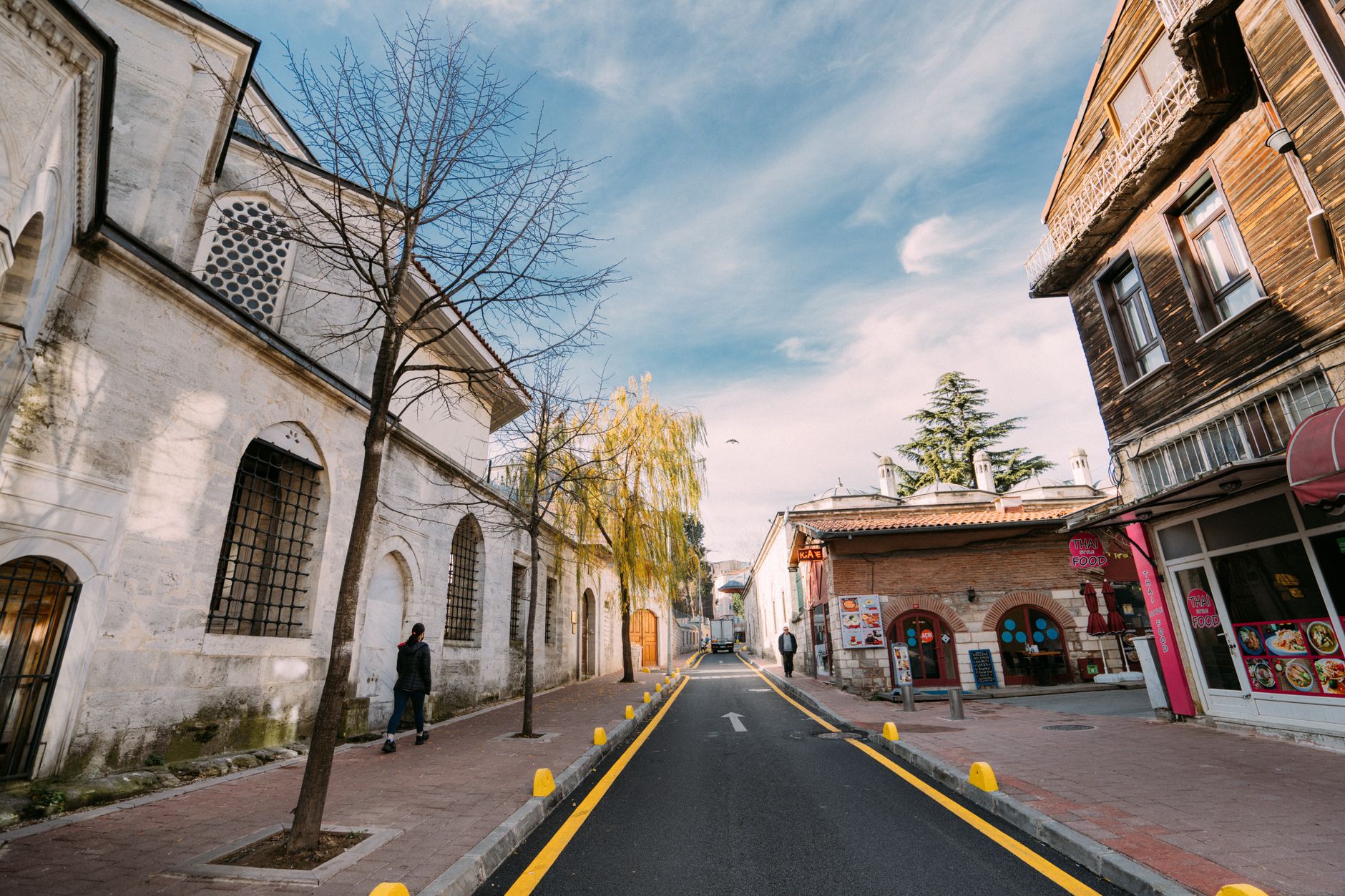
Jerada sits sixty kilometres south of Oujda along the N17, roughly an hour by car or grand taxi into the arid high plateaus of eastern Morocco. Built around anthracite coal deposits discovered in 1927, the town is known for its towering slag heaps, French-era pithead structures, and a fierce, enduring mining identity. The pace is slow, unvarnished, and distinctly working-class. Jerada is worth visiting if you want to understand Morocco’s industrial history and walk the quiet perimeter of twentieth-century collieries. Look elsewhere if you want historic medinas, artisan souks, boutique riads, or lively dining and nightlife.
Last updated 12 Sept 2026
Build a Jerada itinerary.
Choose up to 4 threads that pull you in. Your plan arrives organised around them.
The Bed
Where to stay in Jerada
Which part of town to book, and what each one costs you in walking, noise or quiet.
The Comparison
Jerada, or somewhere near it
The places you are realistically choosing between, and the honest case for each.
The Local Record
Where to read more about Jerada
The blogs, boards, guides and operators worth bookmarking.
What to do in Jerada Oriental Morocco
Jerada is an austere, frank town stretched along a shallow valley of the Oriental steppe. Daily life pivots around Boulevard Hassan II and the central market square, where mineworkers and sheep herders gather over strong black coffee and hot chickpea karan. It suits the unhurried traveller drawn to twentieth-century industrial archaeology, stark high-altitude topography, and eastern border cuisine devoid of touristic staging.
24 hours in Jerada Oriental Morocco
Start your morning walking the base of the slag heaps near Hassi Blal to take in the sheer scale of the old shafts. For lunch, order mutton tagine with prunes at a no-frills grill near the grand taxi rank. Spend the late afternoon drinking spearmint tea on Avenue Mohammed V as the dust settles and the hills turn ochre. Select 1 Day above to see it.
2 days in Jerada Oriental Morocco
A second day lets you head twenty minutes north into the green terrace farms of Guenfouda, where fresh mountain spring water feeds pomegranate and olive groves. Return to Jerada for an evening bowl of steaming, hand-rolled berkoukes pasta scented with wild thyme, followed by warm harcha flatbread. Choose 2 Days to expand the plan.
3 days in Jerada Oriental Morocco
With three days, take the southward run across the empty high plateau to Ain Beni Mathar for a soak in natural warm mineral baths, or venture into the rocky escarpments around Tiouli. You will have time to linger at weekly rural livestock souks and watch high-steppe life move at its true, unhurried rhythm.
Jerada Oriental Morocco itineraries by interest
Industrial Heritage in Jerada Oriental Morocco
Inspect the decommissioned Charbonnages du Maroc mine heads, concrete sorting towers, and massive black slag heaps flanking the town edge.
Regional Cooking in Jerada Oriental Morocco
Eat slow-simmered Beni Yaala mutton tagine, steaming bowls of peppery berkoukes pasta, and hot khobz baked in neighborhood communal ovens.
Street Food in Jerada Oriental Morocco
Grab paper-wrapped wedges of karan, the spiced chickpea tart dusted with cumin, washed down with a cold glass of sweet barida citrus drink.
Plateau Landscapes in Jerada Oriental Morocco
Drive across the Gaada plateau towards Tiouli, where high-altitude steppe gives way to sparse pine scrub and rocky limestone escarpments.
Local Markets in Jerada Oriental Morocco
Browse the central souk on Avenue Mohammed V for dried mountain herbs, wild thyme, wool blankets woven in local homes, and fresh goat butter.
Thermal Springs in Jerada Oriental Morocco
Soak tired joints at the rustic warm mineral baths of Ain Beni Mathar, an easy drive south along the desert road through open steppe.
Modern History in Jerada Oriental Morocco
Trace Morocco's twentieth-century labor movements at the civic monuments and union halls built during the anthracite mining boom.
Valley Walks in Jerada Oriental Morocco
Follow the dry streambeds and olive orchards of Oued Isly's upper tributaries near Guenfouda, walking ancient shepherds' footpaths.
Café Culture in Jerada Oriental Morocco
Sip gunpowder green tea scented with fresh sheeba or spearmint at pavement cafés along Boulevard Hassan II while workers gather after dusk.
Craft Traditions in Jerada Oriental Morocco
Seek out unpolished pottery, hand-knotted alfa grass baskets, and heavy wool djellabas tailored specifically for high-steppe winters.
Day Trips in Jerada Oriental Morocco
Head north into Oujda’s walled medina to see the fourteenth-century Merenid madrasa and taste spiced snails at Souk El Ma.
Geological Sights in Jerada Oriental Morocco
Examine fossil-bearing shale and quartz outcroppings among the eroded hills and abandoned open-cast diggings surrounding Hassi Blal.