Imlil.


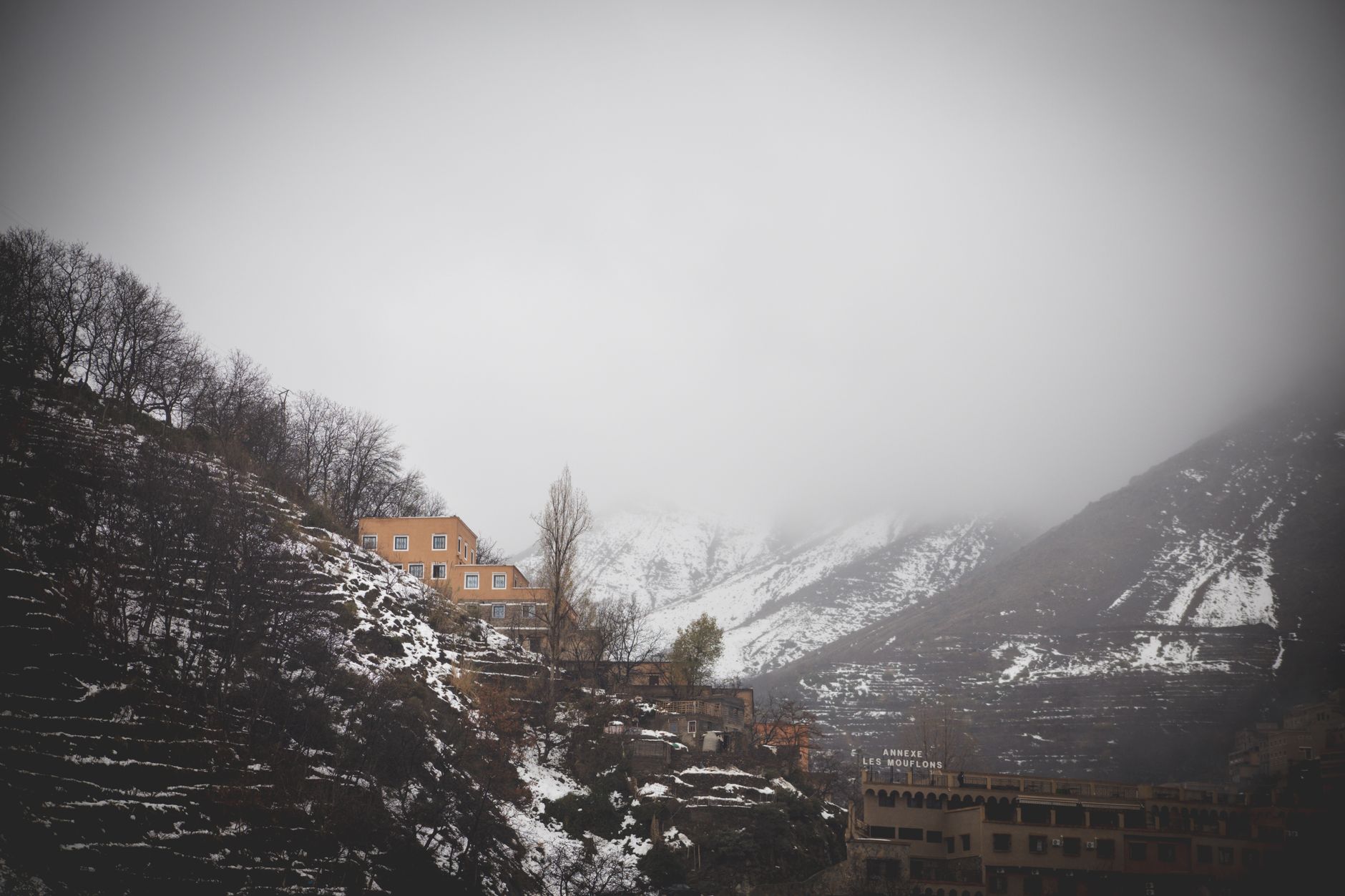


Imlil sits sixty-five kilometres south of Marrakesh, roughly ninety minutes by car or shared grand taxi via the market town of Asni. The settlement is known for its stone-built Amazigh hamlets, walnut terraces, and as the launch point for climbing Mount Toubkal. It runs on trail boots, mule paths, and wood smoke rather than city rush. Imlil is worth visiting if you want to trade valley heat for mountain walking, terraced orchards, and slow-cooked lamb tagines. Look elsewhere if you want nightlife, flat paved streets, indoor cultural attractions, or luxury resort amenities.
Last updated 9 Sept 2026
Build a Imlil itinerary.
Choose up to 4 threads that pull you in. Your plan arrives organised around them.
The Bed
Where to stay in Imlil
Which part of town to book, and what each one costs you in walking, noise or quiet.
The Comparison
Imlil, or somewhere near it
The places you are realistically choosing between, and the honest case for each.
The Local Record
Where to read more about Imlil
The blogs, boards, guides and operators worth bookmarking.
What to do in Imlil Marrakesh & High Atlas Morocco
Imlil is built along the steep river valley of the Assif n'Ait Mizane, centered around a small cluster of gear shops, butcher stalls, and quiet guesthouses. The day naturally follows the sun and the trails, starting with early walks up terraced hillsides and ending with hot mint tea on flat roofs. It suits hikers, independent walkers, and anyone wanting crisp mountain air.
24 hours in Imlil Marrakesh & High Atlas Morocco
Start with a brisk two-hour morning walk up to the stone hamlet of Aroumd. Grab a lunch of vegetable tagine and crusty bread on a terrace overlooking the valley, then spend the afternoon following the walnut trails back down toward Mzik before dark. Select 1 Day above to see it.
2 days in Imlil Marrakesh & High Atlas Morocco
A second day lets you climb to the Tizi n'Tamatert pass at 2,279 metres. Descend into the neighbouring Imnane Valley for a pot of mint tea and Berber omelettes spiced with cumin, returning to Imlil as the afternoon light hits the walnut orchards. Choose 2 Days to expand the plan.
3 days in Imlil Marrakesh & High Atlas Morocco
With three days, arrange a local guide and trek over high passes toward isolated stone villages like Tacheddirt. Alternatively, begin the two-day push toward the summit of Jbel Toubkal, staying overnight at the mountain refuge at 3,207 metres.
Imlil Marrakesh & High Atlas Morocco itineraries by interest
Mountain Hiking in Imlil Marrakesh & High Atlas Morocco
Hike the steep mule track to the village of Aroumd or tackle the multi-day ascent to the 4,167-metre summit of Jbel Toubkal.
Regional Cooking in Imlil Marrakesh & High Atlas Morocco
Eat Berber tagines cooked over charcoal with walnuts, dried prunes, or spiced eggs with cumin and freshly baked flatbread.
Village Architecture in Imlil Marrakesh & High Atlas Morocco
Explore mud-brick and fieldstone houses terraced into steep granite slopes in the traditional Amazigh hamlets of Mzik and Tamatert.
Local Markets in Imlil Marrakesh & High Atlas Morocco
Catch the Saturday market in nearby Asni for mountain produce, raw sheep wool, livestock trading, and fresh walnuts.
Tea & Hospitality in Imlil Marrakesh & High Atlas Morocco
Sip gunpowder green tea brewed with fresh mountain mint and wild thyme on stone rooftop terraces overlooking the Mizane Valley.
Valley Walks in Imlil Marrakesh & High Atlas Morocco
Wander through centuries-old walnut groves and apple orchards alongside irrigation channels between Imlil and Armed.
Craft Traditions in Imlil Marrakesh & High Atlas Morocco
Watch local artisans weave flat-weave wool rugs and carve walnut wood in small family-run workshops along the riverbank.
High Passes in Imlil Marrakesh & High Atlas Morocco
Trek up to Tizi n'Tamatert at 2,279 metres for broad panoramic views across the Imnane Valley and neighboring peaks.
River Walks in Imlil Marrakesh & High Atlas Morocco
Follow the rushing meltwater stream of the Assif n'Isoughwan past water-powered grain mills and cold rock pools.
Winter Sports in Imlil Marrakesh & High Atlas Morocco
Navigate crampon routes and snow-covered high passes on ski touring expeditions across the Toubkal massif from January to April.
Day Hikes in Imlil Marrakesh & High Atlas Morocco
Walk the gentle four-hour circuit to the red-rock village of Tacheddirt, passing through quiet terraced barley fields.
Botanical Sights in Imlil Marrakesh & High Atlas Morocco
Walk the valley floor in spring when wild cherry, apple, and almond blossoms frame the snow-capped High Atlas peaks.