

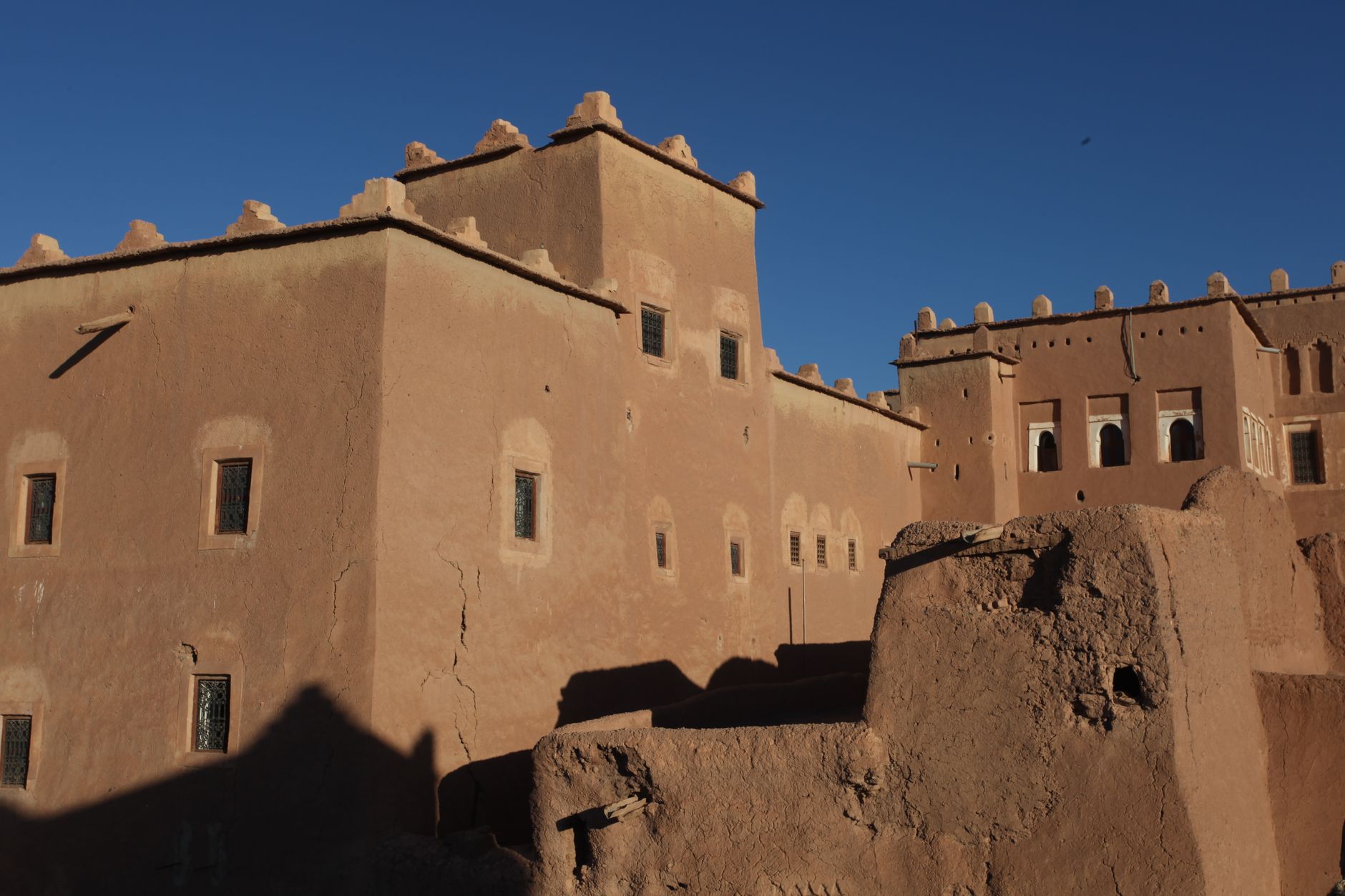


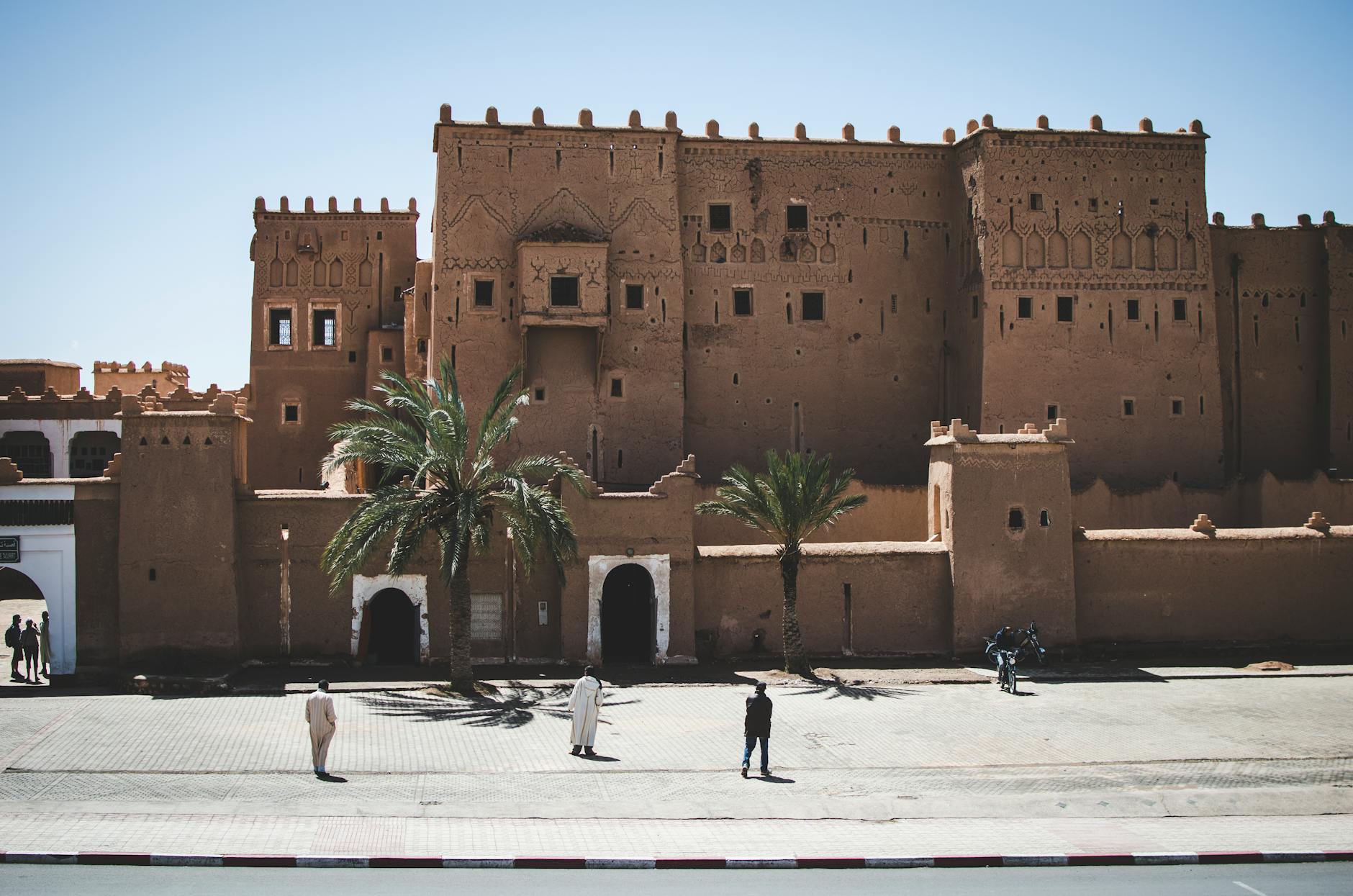
Taourirt sits eighty minutes west of Oujda by direct ONCF train, where the railway lines from Fes and Nador meet along the Za river plain. The town functions as an agricultural hub, known across the Oriental region for olive processing and bustling livestock markets. Life here moves around freight and farming schedules. Taourirt is worth visiting if you want a practical base for exploring the highland history of Debdou while eating charcoal-grilled lamb. Look elsewhere if you want restored historic quarters, boutique riads, curated museums, or a lively evening restaurant scene.
Last updated 12 Sept 2026
Build a Taourirt itinerary.
Choose up to 4 threads that pull you in. Your plan arrives organised around them.
The Bed
Where to stay in Taourirt
Which part of town to book, and what each one costs you in walking, noise or quiet.
The Comparison
Taourirt, or somewhere near it
The places you are realistically choosing between, and the honest case for each.
The Local Record
Where to read more about Taourirt
The blogs, boards, guides and operators worth bookmarking.
What to do in Taourirt Oriental Morocco
Taourirt is laid out along the N6 highway and the rail tracks, where life revolves around early morning souks, café terraces, and the rhythm of passenger trains. It is an honest working hub suited to travellers moving across eastern Morocco who prefer unvarnished market towns over tour bus itineraries. Expect straightforward hospitality, busy family-run butchers, and a steady breeze coming down off the eastern highlands.
24 hours in Taourirt Oriental Morocco
Start with strong coffee and fresh msemen by the station before walking the central market stalls. By one o'clock, take a table near Boulevard Mohammed V for lamb brochettes grilled over hardwood charcoal. Finish your evening with mint tea on Place de la Marche Verte as the air cools. Select 1 Day above to see it.
2 days in Taourirt Oriental Morocco
Head south on your second morning to the mountain village of Debdou, an easy fifty-minute taxi ride. Walk past the old Mellah neighbourhood and uphill to the ruined Merinid fortress. Eat a slow tagine prepared with mountain prunes and almonds beside the running water of Ain Sbilya. Choose 2 Days to expand the plan.
3 days in Taourirt Oriental Morocco
Use your third day to explore the Moulouya River valley towards Guercif, stopping at local olive presses and roadside melon vendors. Return for a quiet late afternoon walk along the Za riverbed, followed by a bowl of spiced harira soup from a neighbourhood cook.
Taourirt Oriental Morocco itineraries by interest
Local Markets in Taourirt Oriental Morocco
Browse the weekly souk for brined Sevillana olives, wild mountain thyme, and raw honey brought down from the Za valley hillsides.
Street Food in Taourirt Oriental Morocco
Order charcoal-grilled lamb chops, seasoned minced kefta, and crusty round khobz at the open-air grills facing Boulevard Mohammed V.
Day Trips in Taourirt Oriental Morocco
Drive fifty kilometres south on the R507 to Debdou, exploring the fourteenth-century Merinid kasbah and the fresh springs of Ain Sbilya.
Rail Journeys in Taourirt Oriental Morocco
Catch the morning ONCF train linking Oujda to Fes, watching dry steppe landscapes shift into the dramatic gorges of the Oued Moulouya.
Traditional Stews in Taourirt Oriental Morocco
Sample slow-braised beef tajine simmered with wild cardoons, local garlic, and small green olives cured in regional salt brine.
River Valleys in Taourirt Oriental Morocco
Follow the Za and Moulouya riverbanks west of town for peaceful afternoon walks along irrigation canals and date palm groves.
Craft Traditions in Taourirt Oriental Morocco
Seek out handwoven wool blankets and flatweave Berber carpets sold by weavers visiting from the nearby Beni Bou Yahi tribal areas.
Historic Fortresses in Taourirt Oriental Morocco
Visit the remnants of historical kasbah bastions built along ancient caravan corridors between the Oriental plains and the northern coast.
Tea Culture in Taourirt Oriental Morocco
Sit at a shaded café on Place de la Gare for dark gunpowder tea brewed with wild spearmint, absinthe leaves, and neat sugar cubes.
Agricultural Heritage in Taourirt Oriental Morocco
Tour local olive oil cooperatives along Route Nationale 6 during the autumn pressing season to taste freshly milled virgin oils.
Mountain Walks in Taourirt Oriental Morocco
Hike the arid limestone trails around Jbel Zerga, offering wide views over the plains of the Oriental plateau and river ravines.
Neighbourhood Life in Taourirt Oriental Morocco
Walk the grid of the central Ville Nouvelle in late afternoon when families gather in the squares for warm roasted chickpeas and sweets.