Koufonísia (Páno Koufonísi).
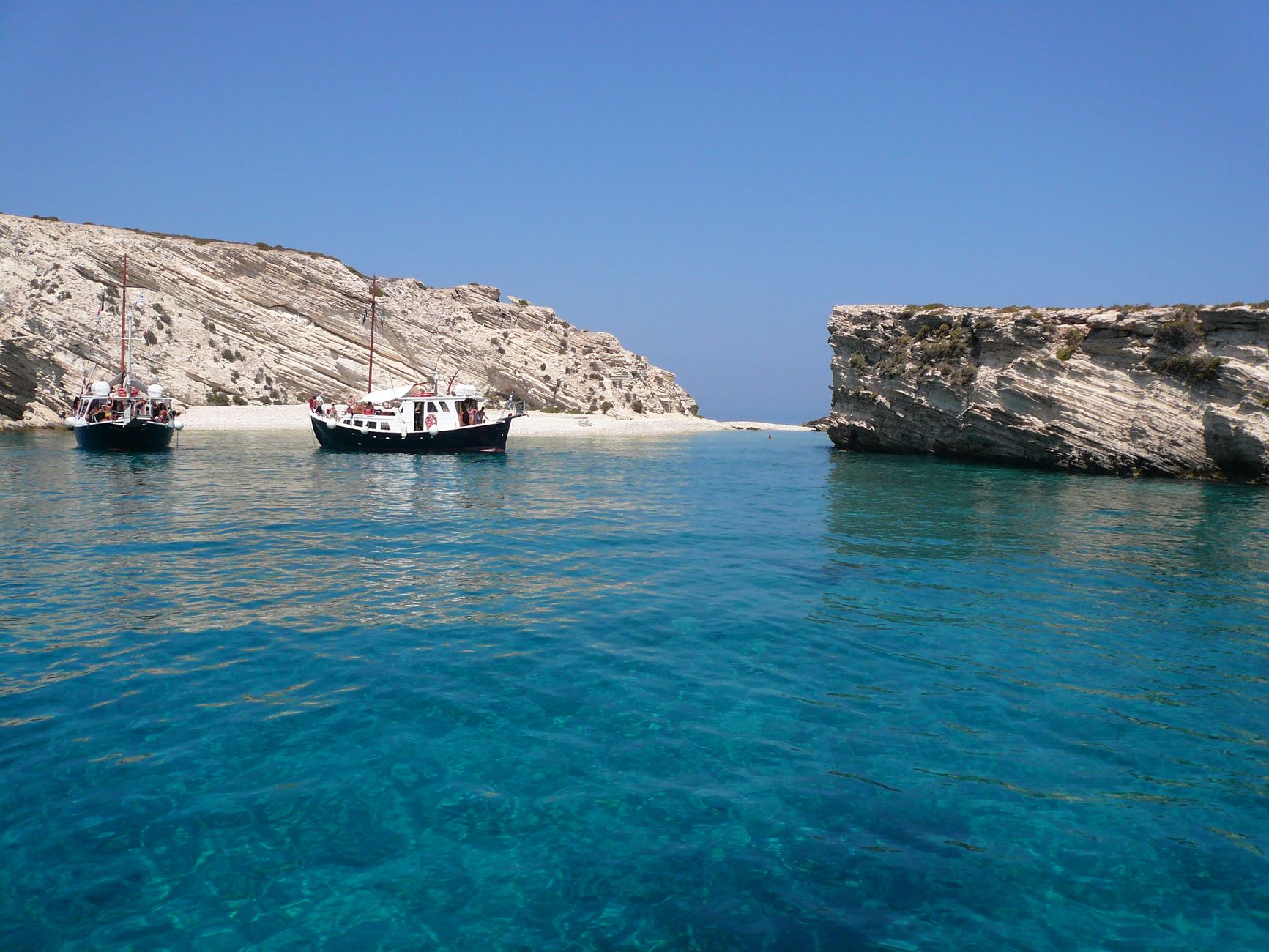
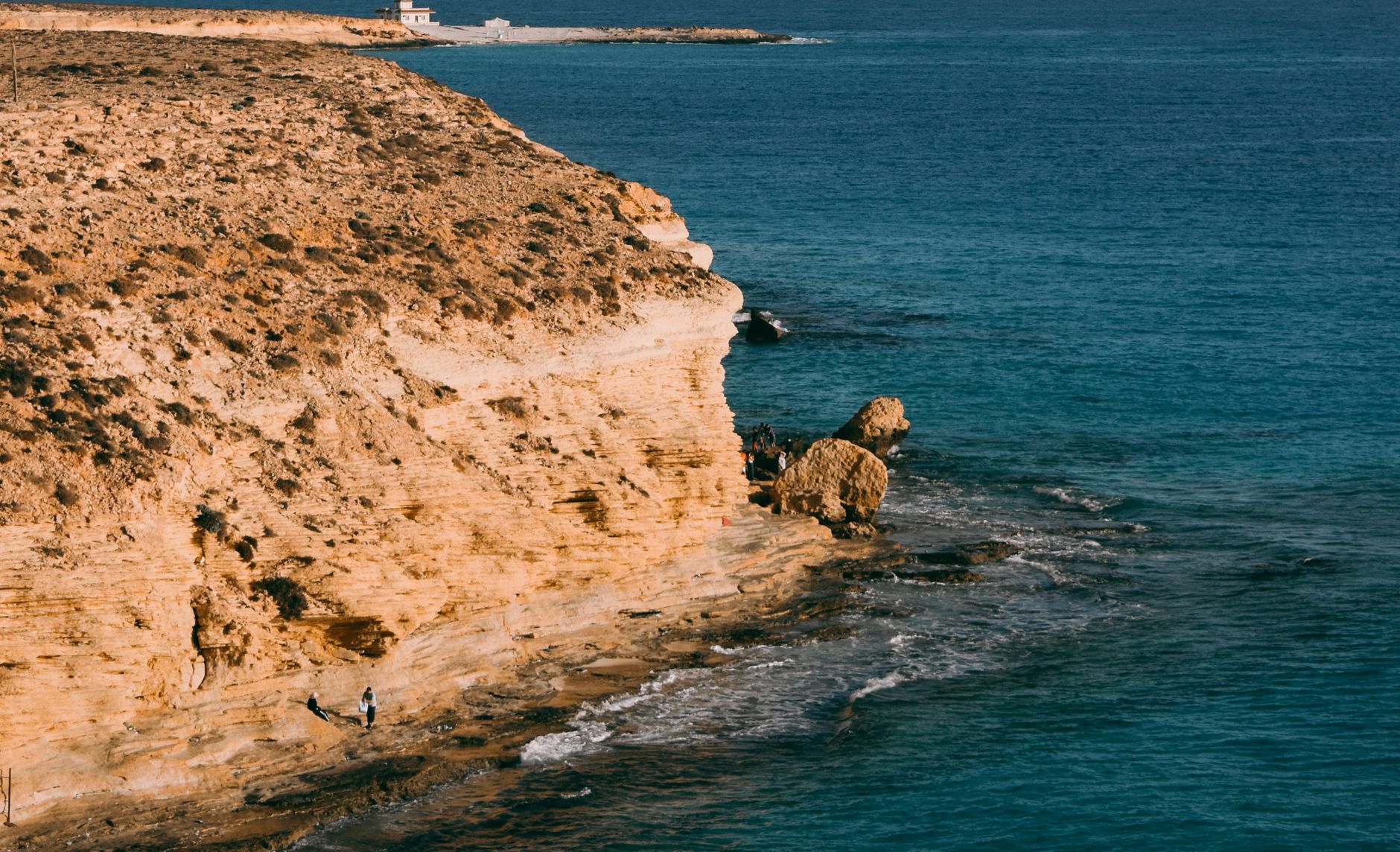
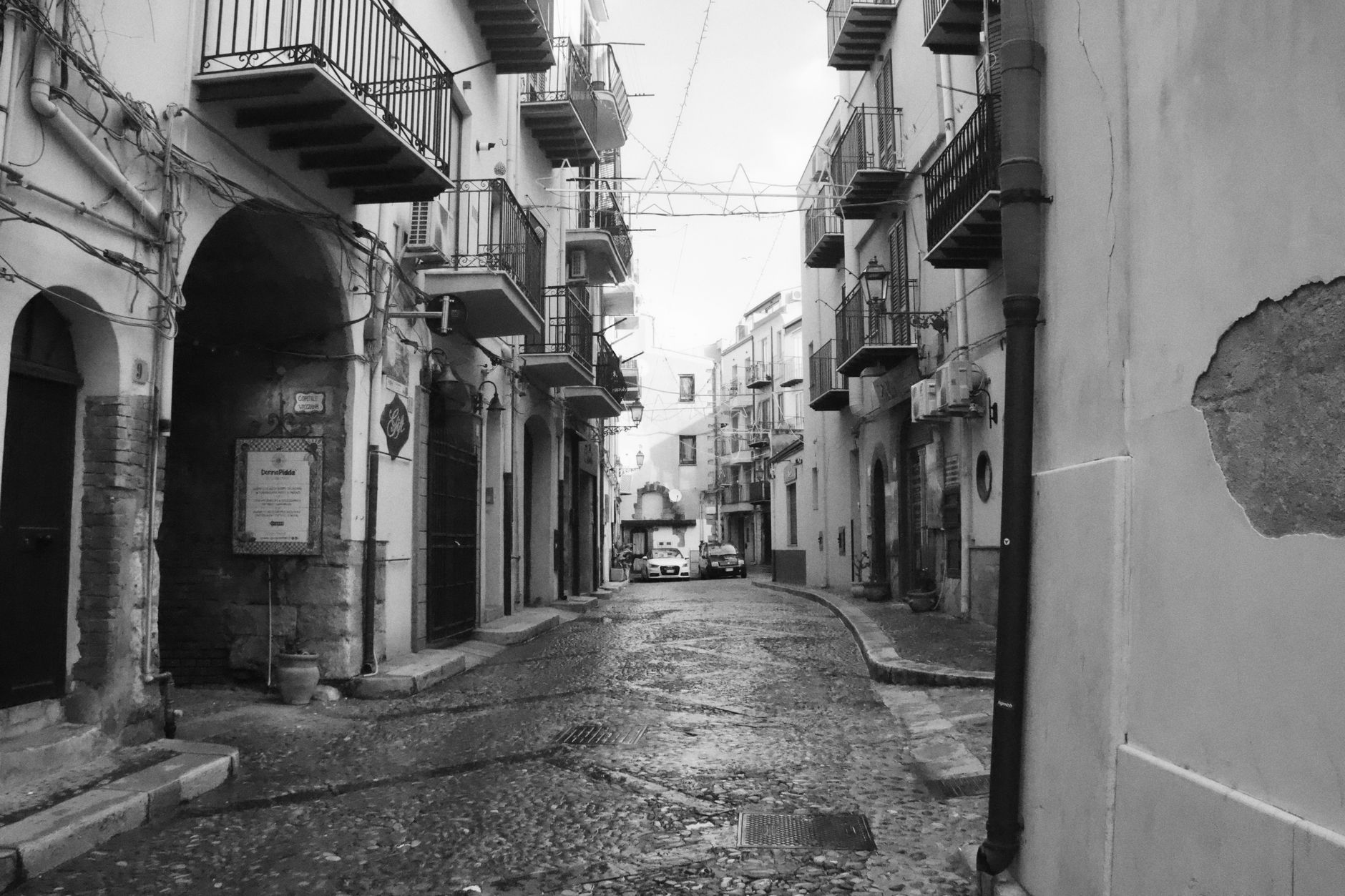
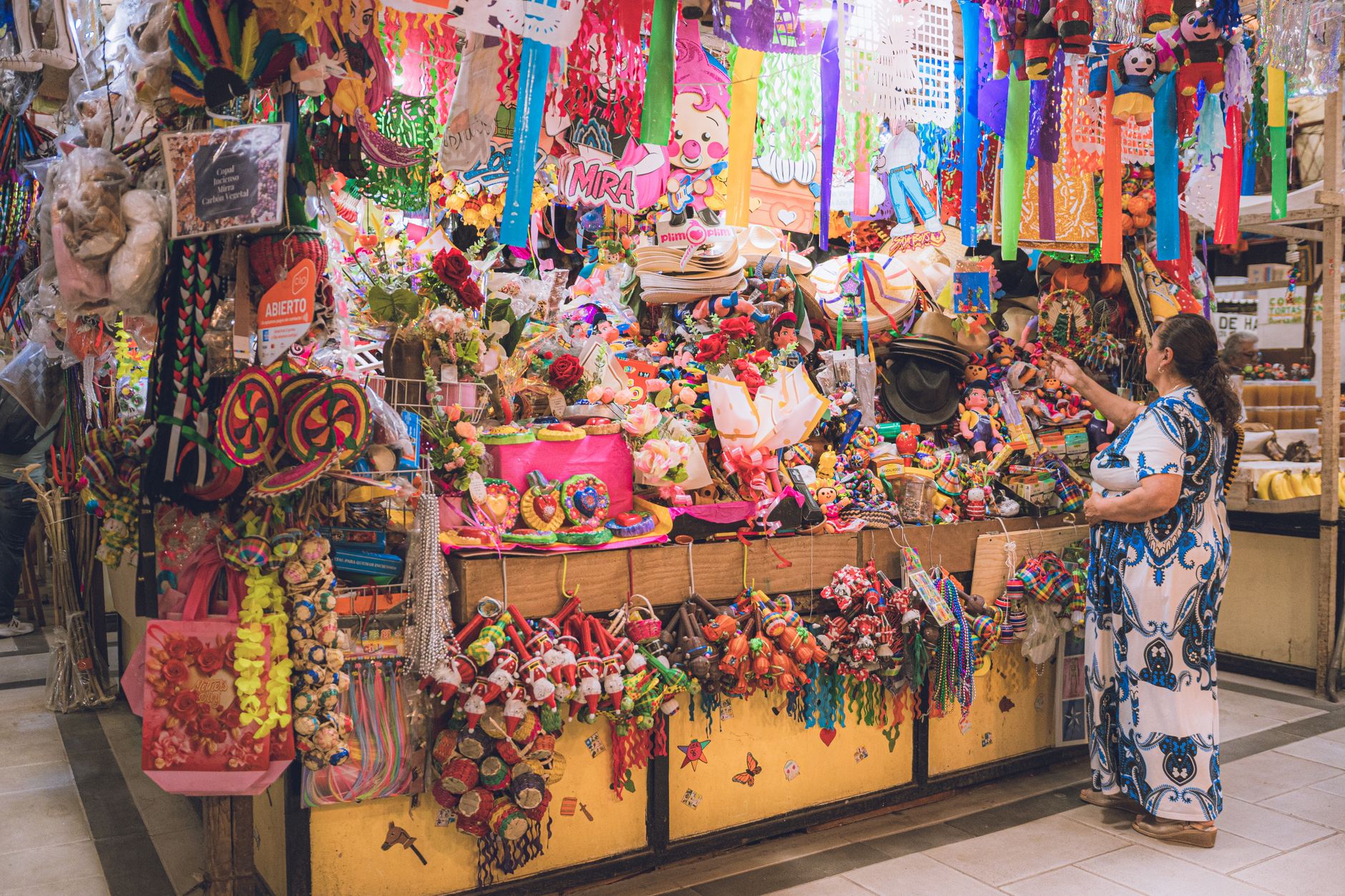
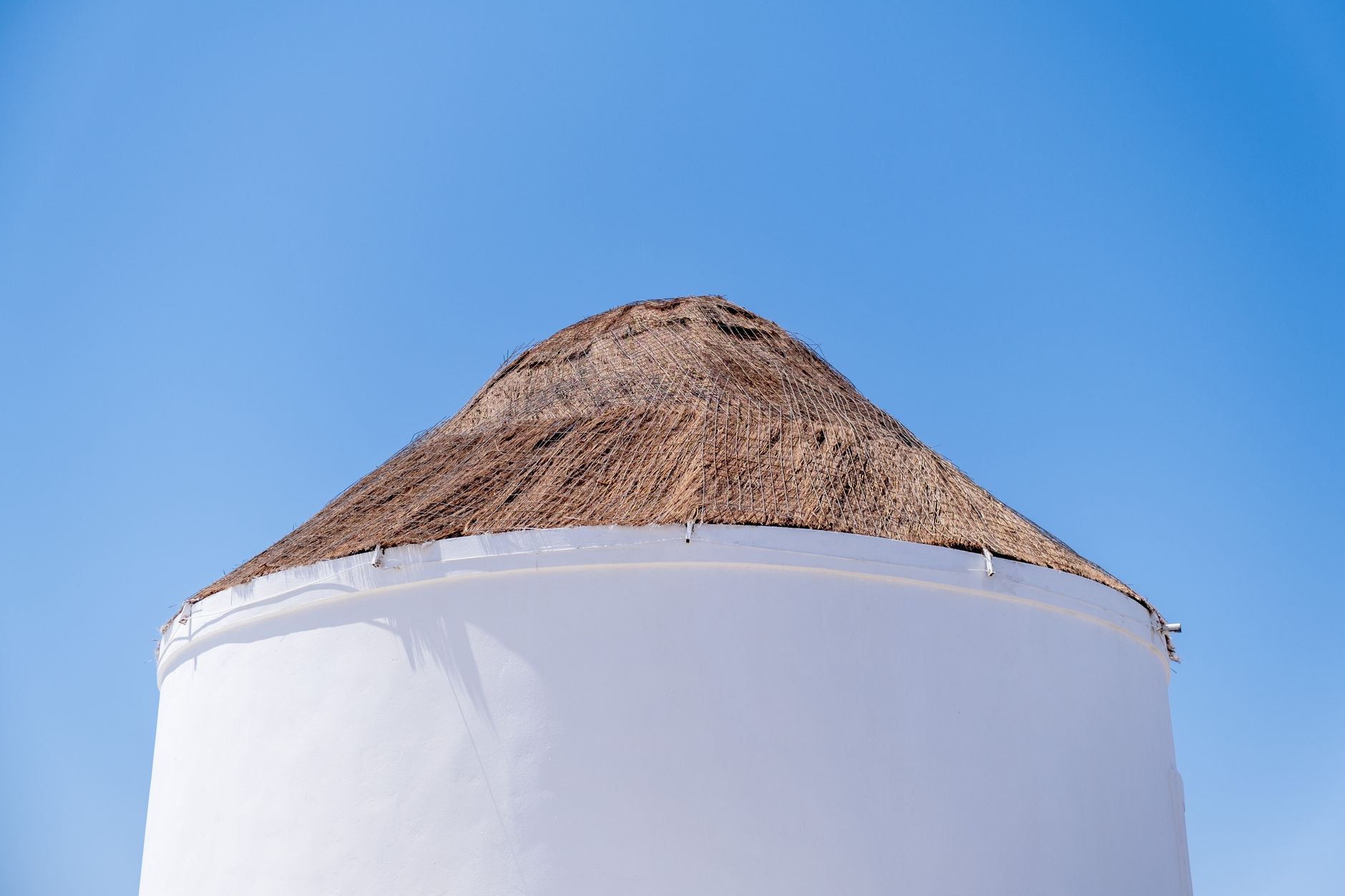
The wooden caïques knock gently against the stone mole in Chora, their nets coiled tight in the Aegean sun. At barely four square kilometres, Páno Koufonísi demands nothing heavier than sandals and a water bottle. Dirt paths trace low sandstone bluffs carved with sea caves, delivering you from one pale cove to the next without a single switchback. Fishermen still mend gear beside the town beach, while tavernas serve simply grilled barbounia and ladenia flatbread without fanfare. Koufonísia (Páno Koufonísi) is worth visiting if you want to travel entirely on foot between coves and eat fresh local catch by the water. Look elsewhere if you want late-night clubs, full-service beach bars with loungers, archaeological sites, or paved roads for scenic drives.
Last updated 5 Sept 2026
Build a Koufonísia (Páno Koufonísi) itinerary.
Choose up to 4 threads that pull you in. Your plan arrives organised around them.
The Bed
Where to stay in Koufonísia (Páno Koufonísi)
Which part of town to book, and what each one costs you in walking, noise or quiet.
The Comparison
Koufonísia (Páno Koufonísi), or somewhere near it
The places you are realistically choosing between, and the honest case for each.
The Local Record
Where to read more about Koufonísia (Páno Koufonísi)
The blogs, boards, guides and operators worth bookmarking.
What to do in Koufonísia (Páno Koufonísi) South Aegean Greece
Páno Koufonísi is small enough that you can walk end-to-end in under an hour. Daily life centres on the harbour at Chora and the eastern dirt track running out to Pori Bay. The island suits travellers who want flat walks, clear swimming coves, and relaxed seafood dinners without cars, bus schedules, or checklist sightseeing.
24 hours in Koufonísia (Páno Koufonísi) South Aegean Greece
Start with morning coffee and ladenia in Chora, then walk east past Fanos to the sand at Italida. Swim into the rock cleft at Devil's Eye by midday, reach Pori for a lunch of grilled calamari, and stroll back along the clifftop track for sunset drinks at the port. Select 1 Day above to see it.
2 days in Koufonísia (Páno Koufonísi) South Aegean Greece
On day two, catch the morning boat to uninhabited Káto Koufonísi. Spend the day walking between the pebble beach at Nero and the stone chapel of Panagia, eating goat stew at the solitary taverna before returning to Páno Koufonísi for evening grilled red mullet. Choose 2 Days to expand the plan.
3 days in Koufonísia (Páno Koufonísi) South Aegean Greece
A third day allows a slow circuit around the wilder western headland of Páno Koufonísi, followed by a chartered boat trip out towards the uninhabited, protected archaeological island of Keros to see its steep cliffs and ancient Cycladic history from the water.
Koufonísia (Páno Koufonísi) South Aegean Greece itineraries by interest
Local Seafood in Koufonísia (Páno Koufonísi) South Aegean Greece
Look for barbounia and fresh octopus grilled over charcoal at Chora tavernas, landed daily by the island's working fishing fleet.
Coastal Walks in Koufonísia (Páno Koufonísi) South Aegean Greece
Follow the flat eastern cliff trail linking Finikas, Fanos, and the natural rock pool at Devil's Eye directly to Pori Bay.
Beaches in Koufonísia (Páno Koufonísi) South Aegean Greece
Swim at Finikas, Italida, and the sweeping crescent of Pori, where fine pale sand meets shallow, wind-carved turquoise water.
Island Hopping in Koufonísia (Páno Koufonísi) South Aegean Greece
Board the daily water taxi or morning caique across the narrow strait to the quiet coves and deserted chapel on Kato Koufonisi.
Local Baking in Koufonísia (Páno Koufonísi) South Aegean Greece
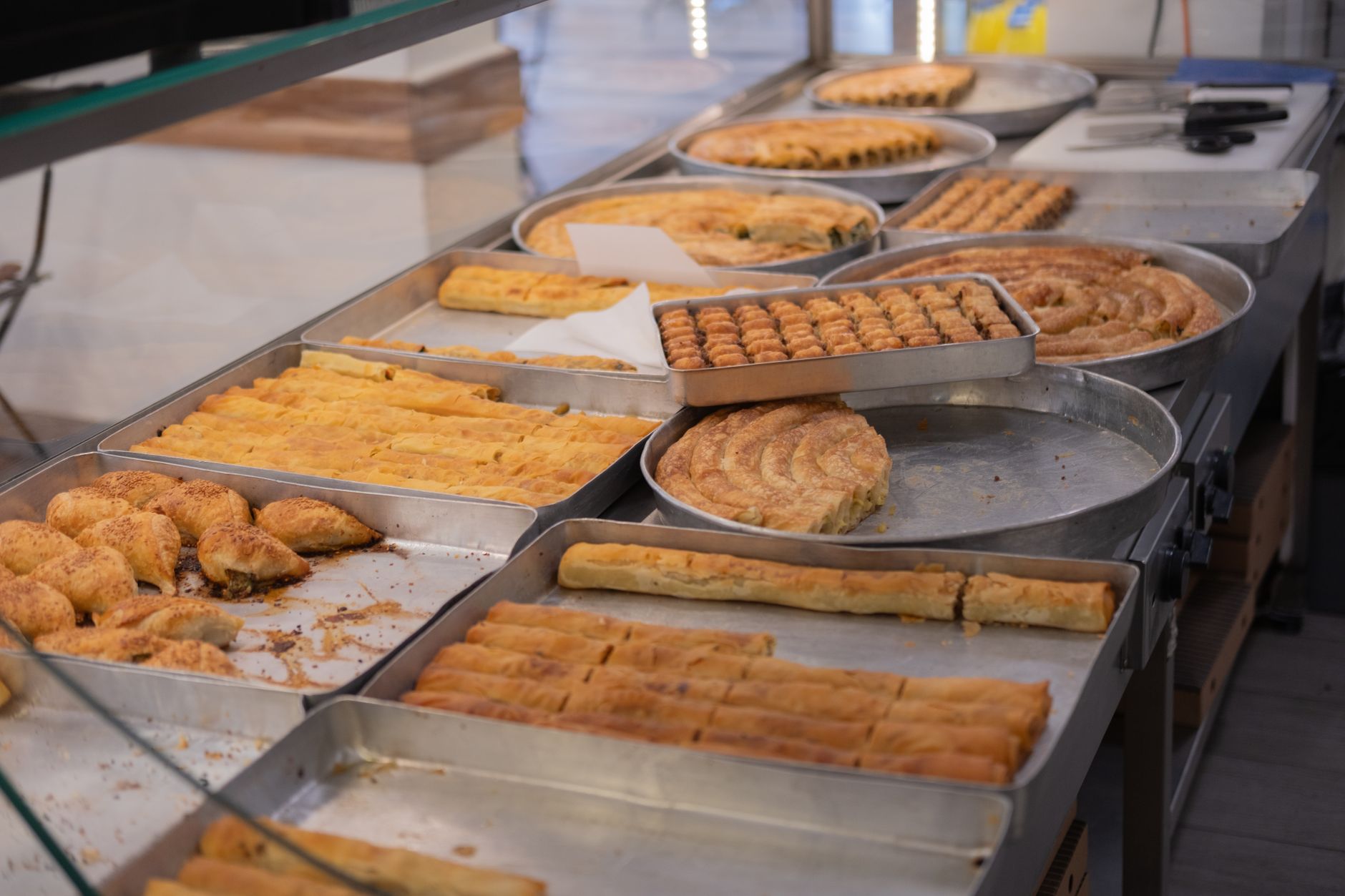
Pick up warm ladenia topped with onions and tomatoes, or crisp sweet fyllo pastries filled with local mizithra from the Chora bakery.
Maritime History in Koufonísia (Páno Koufonísi) South Aegean Greece
Inspect the traditional wooden caïques at the fishing port, where net-mending rituals have outlasted modern commercial marina developments.
Geological Formations in Koufonísia (Páno Koufonísi) South Aegean Greece
Swim through the limestone sea caves near Gala and explore the natural rock arch of Devil's Eye along the eastern shoreline.
Sacred Architecture in Koufonísia (Páno Koufonísi) South Aegean Greece
Walk up to the whitewashed chapel of Agios Georgios above the port, built with classic Cycladic arches and a bright blue dome.
Cycladic Heritage in Koufonísia (Páno Koufonísi) South Aegean Greece
Learn how Early Cycladic marble figurines from the 3rd millennium BC were unearthed across the Koufonisia islets and nearby Keros.
Local Spirits in Koufonísia (Páno Koufonísi) South Aegean Greece
Sip chilled rakomelo infused with thyme honey and cloves alongside small plates of marinated anchovies as the sun sets over Naxos.
Boat Charters in Koufonísia (Páno Koufonísi) South Aegean Greece
Hire a small wooden skiff from the main harbour to reach isolated sea caves and pebbled coves inaccessible from the coastal footpath.
Stargazing in Koufonísia (Páno Koufonísi) South Aegean Greece
Walk out to Pori headland after dark, where low light pollution reveals clear views of the Milky Way above the quiet Aegean Sea.