Kraków.


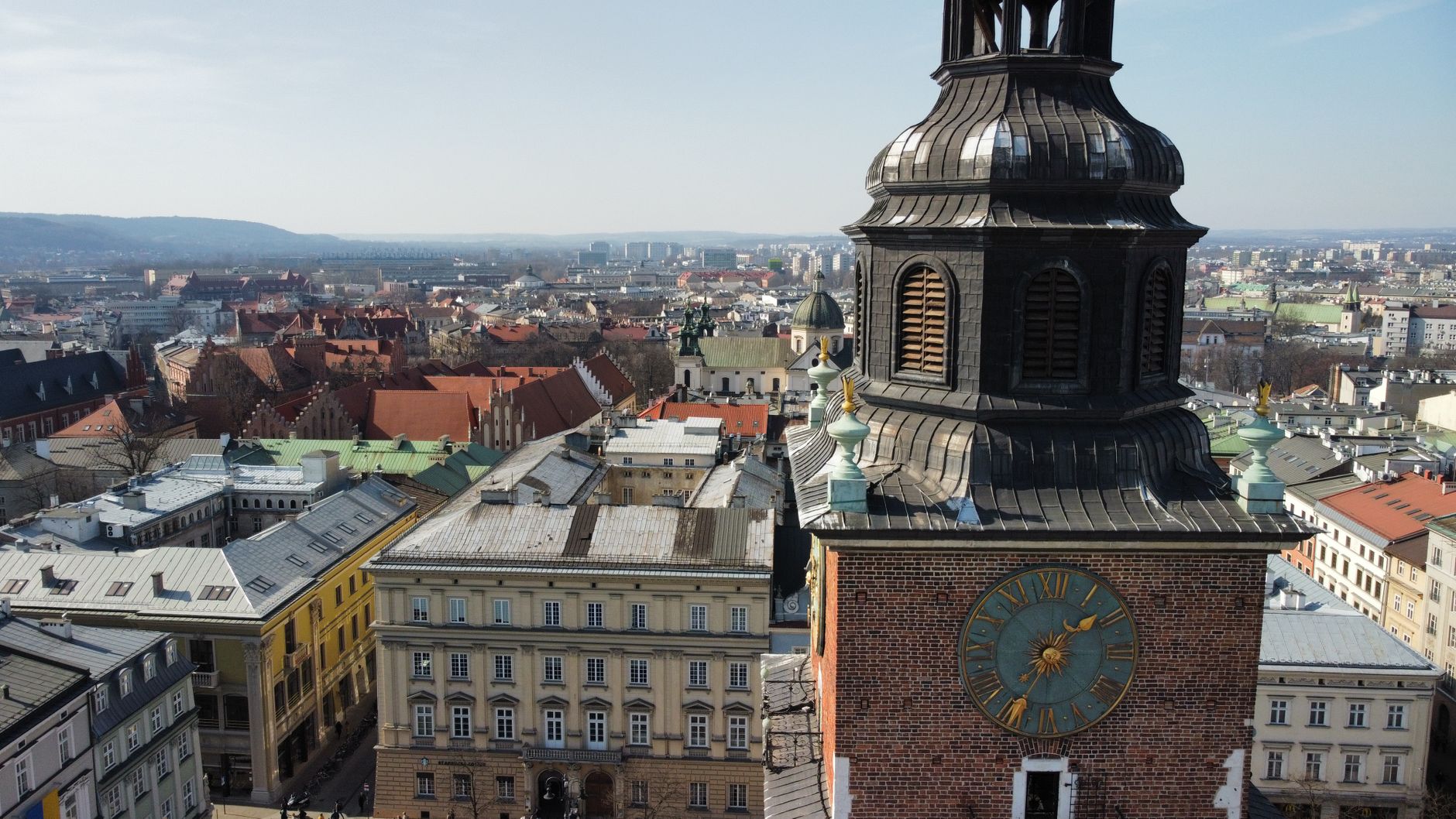
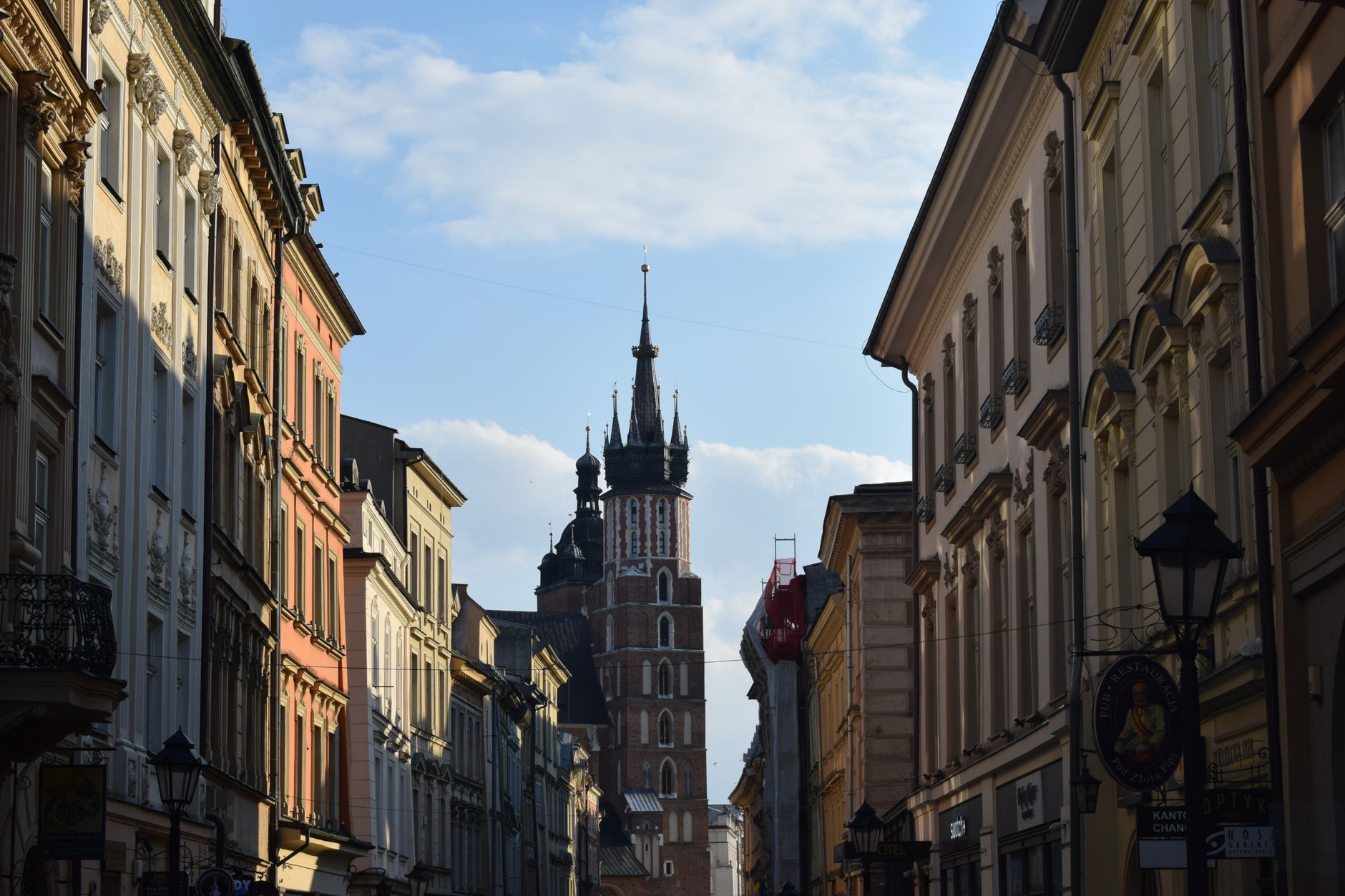

Every hour on the hour, a trumpet call breaks off mid-note from the highest tower of St. Mary’s Basilica, honouring a thirteenth-century watchman who took an arrow to the throat. Below, the Rynek Główny spreads across four ringed hectares of flagstones and limestone arches. You walk south toward Wawel Castle along Grodzka, where the Vistula River bends beneath royal ramparts. Kraków kept its medieval core intact, making it one of Central Europe's most walkable brick-and-mortar archives.
Last updated 28 Aug 2026
Build a Kraków itinerary.
Choose up to 4 threads that pull you in. Your plan arrives organised around them.
The Bed
Where to stay in Kraków
Which part of town to book, and what each one costs you in walking, noise or quiet.
The Comparison
Kraków, or somewhere near it
The places you are realistically choosing between, and the honest case for each.
The Local Record
Where to read more about Kraków
The blogs, boards, guides and operators worth bookmarking.
What to do in Kraków Lesser Poland Poland
Kraków is built for walking, with its broad medieval square at the hub and the green loop of the Planty holding everything in comfortable orbit. Days here settle easily into a rhythm of museum visits, cathedral towers, and quiet cellar cafes. It suits curious walkers, history readers, and travellers who appreciate hearty, unpretentious food served without ceremony.
24 hours in Kraków Lesser Poland Poland
Start early on the Rynek before the crowds gather, then climb Wawel Hill to see the royal state rooms. Lunch on potato-and-cheese pierogi at Bar Mleczny Targowy. Spend the afternoon crossing into Kazimierz for coffee near Plac Nowy, finishing with an evening walk along the Vistula boulevards. Select 1 Day above to see it.
2 days in Kraków Lesser Poland Poland
Day two belongs to Podgórze across the footbridge. Tour the wartime exhibitions at Schindler’s Factory, then explore the contemporary galleries at MOCAK. For dinner, head back into Kazimierz for roast duck or braised venison paired with sour cherry nalewka liqueurs in a candlelit brick cellar. Choose 2 Days to expand the plan.
3 days in Kraków Lesser Poland Poland
A third day allows you to catch an early local train to Wieliczka to wander the cavernous chambers of the salt mine. Return by mid-afternoon to browse the morning stalls at Stary Kleparz for regional cheeses and freshly fried pączki before a quiet evening stroll through the Planty.
Kraków Lesser Poland Poland itineraries by interest
Street Food in Kraków Lesser Poland Poland
Grab an obwarzanek krakowski from a blue street cart or a toasted zapiekanka covered in mushrooms and cheese at Plac Nowy in Kazimierz.
Sacred Architecture in Kraków Lesser Poland Poland
Stand before the carved linden-wood altarpiece by Veit Stoss in St. Mary’s Basilica, or inspect the Romanesque facade of St. Andrew’s on Grodzka.
Traditional Dining in Kraków Lesser Poland Poland
Queue at Bar Mleczny Pod Temidą for platefuls of ruskie pierogi, barszcz red beet soup, and cabbage rolls served across stainless steel counters.
Royal History in Kraków Lesser Poland Poland
Tour the Renaissance arcaded courtyard and crown treasury of Wawel Royal Castle, then visit the royal crypts inside Wawel Cathedral.
Jewish Heritage in Kraków Lesser Poland Poland
Walk Kazimierz to visit the sixteenth-century Remah Synagogue, the Old Jewish Cemetery, and the restored prayer houses along Szeroka street.
Modern History in Kraków Lesser Poland Poland
Cross the river to Podgórze to tour Oskar Schindler’s Enamel Factory and the monument of bronze chairs at Plac Bohaterów Getta.
Underground Sites in Kraków Lesser Poland Poland
Descend beneath the Cloth Hall floor into the Rynek Underground museum to see excavated eleventh-century market stalls and merchant graves.
Baking Traditions in Kraków Lesser Poland Poland
Stop at Cukiernia Michałek for traditional pączki plum doughnuts, or sample Kraków-style sernik cheesecake dusted with vanilla sugar.
Market Produce in Kraków Lesser Poland Poland
Browse Stary Kleparz market north of the Planty for pickled cucumbers, smoked oscypek sheep cheese, wild forest mushrooms, and fresh dill.
Spirits & Cellars in Kraków Lesser Poland Poland
Descend into brick cellar bars along Bracka for cold shots of herbal Żubrówka or dark porter brewed in regional Małopolska distilleries.
City Parks in Kraków Lesser Poland Poland
Walk the shaded four-kilometre green belt of the Planty, which replaced the medieval defensive walls and encircles the entire Old Town.
Day Trips in Kraków Lesser Poland Poland
Take the twenty-minute train to Wieliczka to see subterranean chapels carved directly from rock salt, or take a day coach to the Tatras.