Poznań.


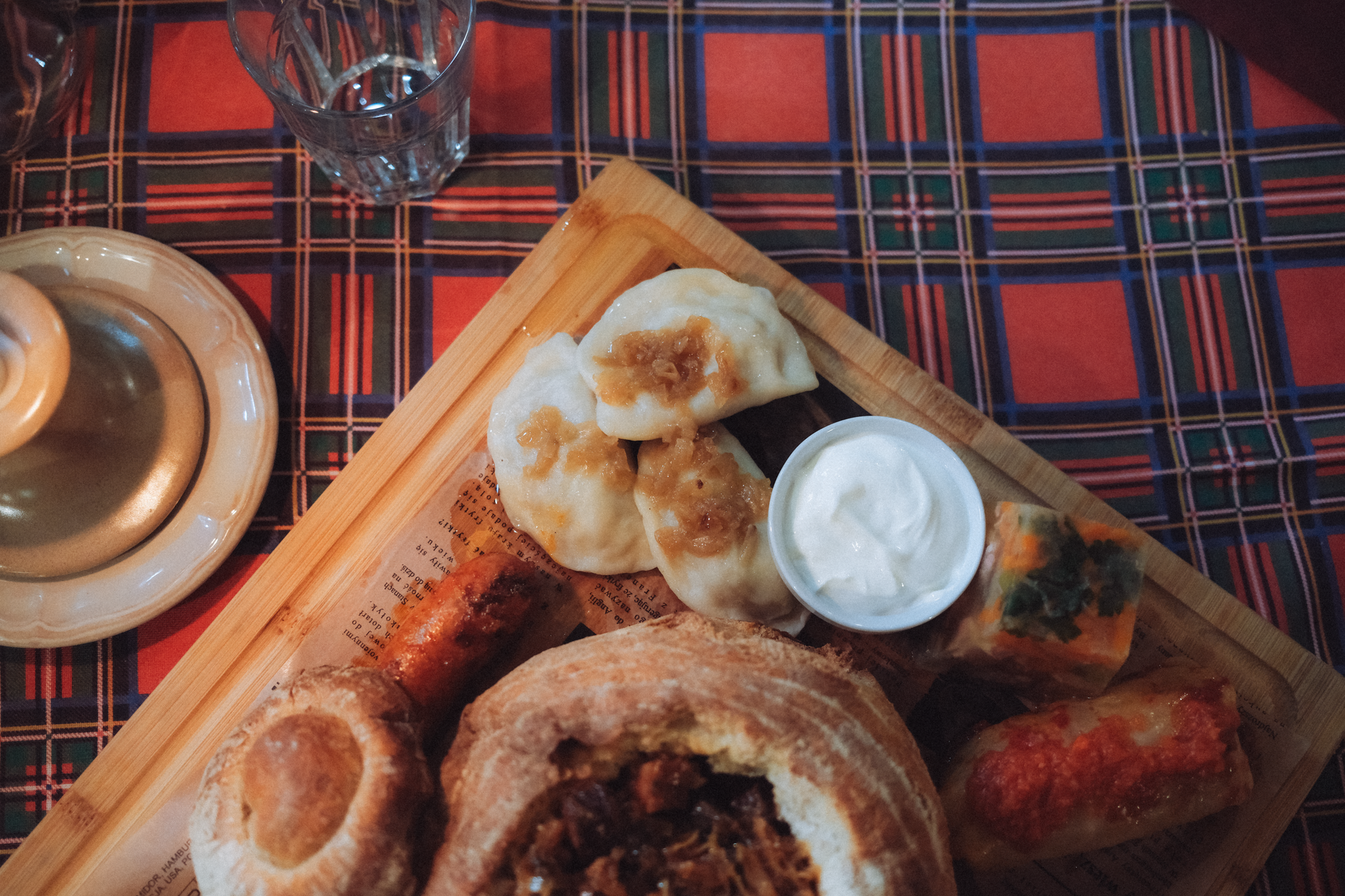

Poznań sits two and a half hours west of Warsaw and two hours east of Berlin by direct train. The city is known as the cradle of the Polish state on Ostrów Tumski and for the Renaissance town hall on the Old Market Square. It remains an energetic university town with a distinct regional food culture. Poznań is worth visiting if you want to explore foundational Polish history, eat slow-roasted duck with steamed yeast dumplings, and walk neighbourhood streets free of tour crowds. Look elsewhere if you want blockbuster international museums, dramatic natural scenery, or a sprawling metropolis with a week's worth of major sights.
Last updated 8 Sept 2026
Build a Poznań itinerary.
Choose up to 4 threads that pull you in. Your plan arrives organised around them.
The Bed
Where to stay in Poznań
Which part of town to book, and what each one costs you in walking, noise or quiet.
The Comparison
Poznań, or somewhere near it
The places you are realistically choosing between, and the honest case for each.
The Local Record
Where to read more about Poznań
The blogs, boards, guides and operators worth bookmarking.
What to do in Poznań Greater Poland Poland
Poznań unfolds around Stary Rynek and radiates outward toward the imperial quarter, the student-heavy cafes of Jeżyce, and the quiet cathedral island of Ostrów Tumski. Mornings belong to market squares and bakeries, afternoons to museums or the palm house, and evenings to long tavern dinners over regional goose and craft beer. It suits independent travellers who value historic depth, solid public transit, and genuine neighbourhood culture over tourist spectacles.
24 hours in Poznań Greater Poland Poland
Start at 9:00 with Saint Martin croissants before watching the town hall clock at noon on Stary Rynek. Cross the river to Ostrów Tumski for the cathedral crypts. Eat roast duck with pyzy on Chwaliszewo, then spend the evening sampling craft beer along Woźna. The entire central core is easily covered on foot in fifteen minutes between stops. Select 1 Day above to see it.
2 days in Poznań Greater Poland Poland
Take the green tram line west to Jeżyce to admire the art nouveau facades and shop Rynek Jeżycki for seasonal fruit and smoked cheese. Stop for lunch at a neighbourhood bistro serving pyry z gzikiem, jacket potatoes with herbed quark. In the afternoon, explore the massive 1910 Imperial Castle on Święty Marcin, finishing with dinner and natural wine along Kościelna. Choose 2 Days to expand the plan.
3 days in Poznań Greater Poland Poland
Ride the local train twenty minutes south to Kórnik Castle to tour its neo-Gothic interiors and arboretum, or head to Rogalin Palace to walk among century-old oak trees along the Warta floodplains. Alternatively, spend a slower morning wandering the tropical pavilions of the Wilson Park Palm House before renting a bike along the shores of Lake Malta.
Poznań Greater Poland Poland itineraries by interest
Regional Pastries in Poznań Greater Poland Poland
Track down certified Rogale Świętomarceńskie filled with white poppy seeds, nuts, and candied orange peel at bakeries along Święty Marcin.
Sacred Architecture in Poznań Greater Poland Poland
Cross to Ostrów Tumski to enter the tenth-century Peter and Paul Archcathedral and inspect the subterranean vaults holding early royal tombs.
Neighbourhood Dining in Poznań Greater Poland Poland
Wander the art nouveau streets of Jeżyce for small bistros serving pyry z gzikiem, roasted goose, and natural wines near Rynek Jeżycki.
Urban Repurposing in Poznań Greater Poland Poland
Explore Stary Browar, a red-brick nineteenth-century brewery converted into a contemporary commercial and public art space near Półwiejska.
Military Fortifications in Poznań Greater Poland Poland
Tour Fort VII and walk the wooded grounds of Park Cytadela to see Magdalena Abakanowicz's massive iron sculpture installation, Nierozpoznani.
Local Markets in Poznań Greater Poland Poland
Browse stalls at Plac Wielkopolski and Rynek Jeżycki for pickled seasonal cucumbers, Greater Poland honey, forest chanterelles, and local curd cheese.
Modern Art in Poznań Greater Poland Poland
Browse the Polish collection at the National Museum on Marcinkowskiego, notable for Jacek Malczewski's symbolist canvases and Stanislaw Wyspiański.
Beer & Breweries in Poznań Greater Poland Poland
Sample regional Greater Poland pilsners and craft porters in basement taprooms tucked behind the Old Market Square and along Woźna.
Green Spaces in Poznań Greater Poland Poland
Stroll the shores of Lake Malta or visit the nineteenth-century Palm House in Wilson Park to wander through twelve dense botanical glasshouses.
Imperial Architecture in Poznań Greater Poland Poland
Visit the Neo-Romanesque Imperial Castle built for Wilhelm II in 1910, now an open cultural centre housing exhibitions and independent cinemas.
Historic Squares in Poznań Greater Poland Poland
Watch the mechanical goats butt horns at noon on the Renaissance Town Hall clock before examining the colourful merchants' houses on Stary Rynek.
Traditional Cooking in Poznań Greater Poland Poland
Sit down for kaczka po poznańsku, roast duck served with red cabbage and pyzy dumplings, at unpretentious taverns along Stary Rynek and Chwaliszewo.