



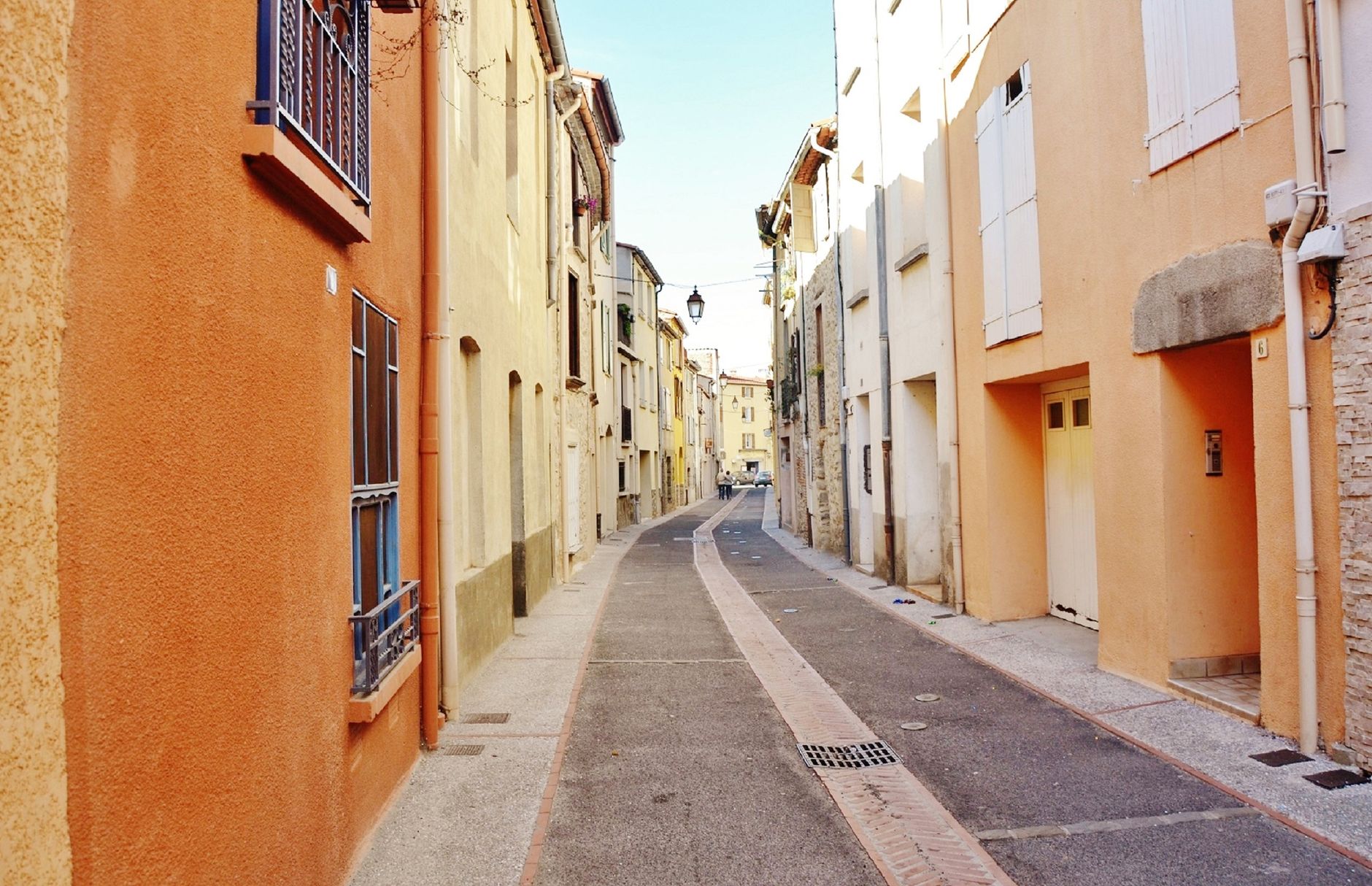
Golden limestone reflects the midday sun directly into the Dordogne river, pinning a single row of ochre houses against sheer rock. You walk up through narrow stone stairways where banana trees and Mediterranean palms thrive in an unexpected microclimate. The town is built upward rather than outward, crowned by troglodytic fort remnants and the Manoir de Tarde. It is compact, steep, and unapologetically vertical.
Last updated 28 Aug 2026
Build a La Roque-Gageac itinerary.
Choose up to 4 threads that pull you in. Your plan arrives organised around them.
The Bed
Where to stay in La Roque-Gageac
Which part of town to book, and what each one costs you in walking, noise or quiet.
The Comparison
La Roque-Gageac, or somewhere near it
The places you are realistically choosing between, and the honest case for each.
The Local Record
Where to read more about La Roque-Gageac
The blogs, boards, guides and operators worth bookmarking.
What to do in La Roque-Gageac Dordogne France
La Roque-Gageac strings itself out along the north bank of the Dordogne, hemmed in by a towering rock cliff. Mornings begin down by the riverbanks before the heat builds, moving slowly up through the exotic garden terraces and calades toward the troglodyte ruins. It suits travellers who appreciate short, steep climbs, riverside views, and lingering lunches centered on duck, walnuts, and Bergerac wine.
24 hours in La Roque-Gageac Dordogne France
Arrive by nine to wander the exotic gardens before tour coaches appear. Board a morning gabarre on the Dordogne, then climb to La Belle Étoile for duck magret and sarladaise potatoes. Spend the afternoon touring the troglodyte fort ruins before an evening drink on the river quayside. Select 1 Day above to see it.
2 days in La Roque-Gageac Dordogne France
A second day lets you cross the river to walk the manicured boxwood maze at the Gardens of Marqueyssac. Follow with an afternoon exploring the medieval weapons at Château de Castelnaud, finishing with grilled confit and a bottle of Pécharmant in neighbouring Beynac. Choose 2 Days to expand the plan.
3 days in La Roque-Gageac Dordogne France
With three days, rent a canoe at riverside for a leisurely paddle to Saint-Vincent-de-Cosse, drifting under limestone cliffs. Take an afternoon trip to Sarlat-la-Canéda to explore its Saturday market stalls and Renaissance alleys without having to rush back.
La Roque-Gageac Dordogne France itineraries by interest
River Journeys in La Roque-Gageac Dordogne France
Board a traditional wooden gabarre from the quayside or rent a canoe to drift downriver past limestone bluffs and fortified castles.
Regional Dining in La Roque-Gageac Dordogne France
Order duck confit, sarladaise potatoes fried in rendered fat, and walnut tarts at terrace bistros overlooking the Dordogne.
Cliffside Architecture in La Roque-Gageac Dordogne France
Climb steep stone steps to the twelfth-century troglodyte fort carved directly into the high rock face above town.
Botany & Gardens in La Roque-Gageac Dordogne France
Wander the hillside Jardin Exotique, where a warm southern microclimate allows palm trees, bamboos, and cacti to flourish.
Local Markets in La Roque-Gageac Dordogne France
Browse the Friday morning stalls by the river for Rocamadour goat cheese, walnut oil, summer strawberries, and fresh cèpes.
Valley Hiking in La Roque-Gageac Dordogne France
Take the marked trail climbing behind the cliffs toward the plateau for panoramic views spanning the Dordogne valley.
Historic Manors in La Roque-Gageac Dordogne France
Examine the renaissance gables and cylindrical turrets of the fifteenth-century Manoir de Tarde tucked below the cliffs.
Local Wine in La Roque-Gageac Dordogne France
Sample crisp Bergerac whites and robust red Pécharmant made from Merlot and Cabernet Franc at nearby riverside cellars.
Castle Visits in La Roque-Gageac Dordogne France
Cross the valley to explore Château de Castelnaud's medieval trebuchets and the cliff-hanging terraces of Château de Marqueyssac.
Village Walks in La Roque-Gageac Dordogne France
Navigate the cobbled calades, narrow passages, and ancient washhouses linking the upper terraces to the riverbank.
Périgord Truffles in La Roque-Gageac Dordogne France
Taste black summer truffles shaved over buttery farm eggs or stirred into fresh tagliatelle at rustic village dining rooms.
Caving & Prehistory in La Roque-Gageac Dordogne France
Drive fifteen minutes to explore ancient stalactites and prehistoric cave engravings across the Vézère and Dordogne basins.