



Lovina sits on Bali’s northern shore, a three-hour drive across the central volcanic highlands from Ngurah Rai International Airport. It is known for its quiet strip of black sand villages, calm coastal waters, and fleets of wooden jukung outriggers setting out at dawn. Lovina is worth visiting if you want calm seas, affordable coastal lodgings, and access to northern temples and waterfalls without southern crowds. Look elsewhere if you want rolling surf, late-night dance clubs, or manicured white-sand resort strips.
Last updated 9 Oct 2026
Build a Lovina itinerary.
Choose up to 4 threads that pull you in. Your plan arrives organised around them.
The Bed
Where to stay in Lovina
Which part of town to book, and what each one costs you in walking, noise or quiet.
The Comparison
Lovina, or somewhere near it
The places you are realistically choosing between, and the honest case for each.
The Local Record
Where to read more about Lovina
The blogs, boards, guides and operators worth bookmarking.
What to do in Lovina Bali Indonesia
Lovina stretches across several fishing villages along Jalan Raya Seririt-Singaraja, centred on the dolphin monument at Kalibukbuk. Life here keeps a slower, tidal rhythm. Mornings start on the water aboard narrow jukung outriggers before the heat settles in, afternoons belong to shade and coffee, and evenings bring grilled fish on the sand. It suits independent travellers who prefer quiet coastlines to resort clubs.
24 hours in Lovina Bali Indonesia
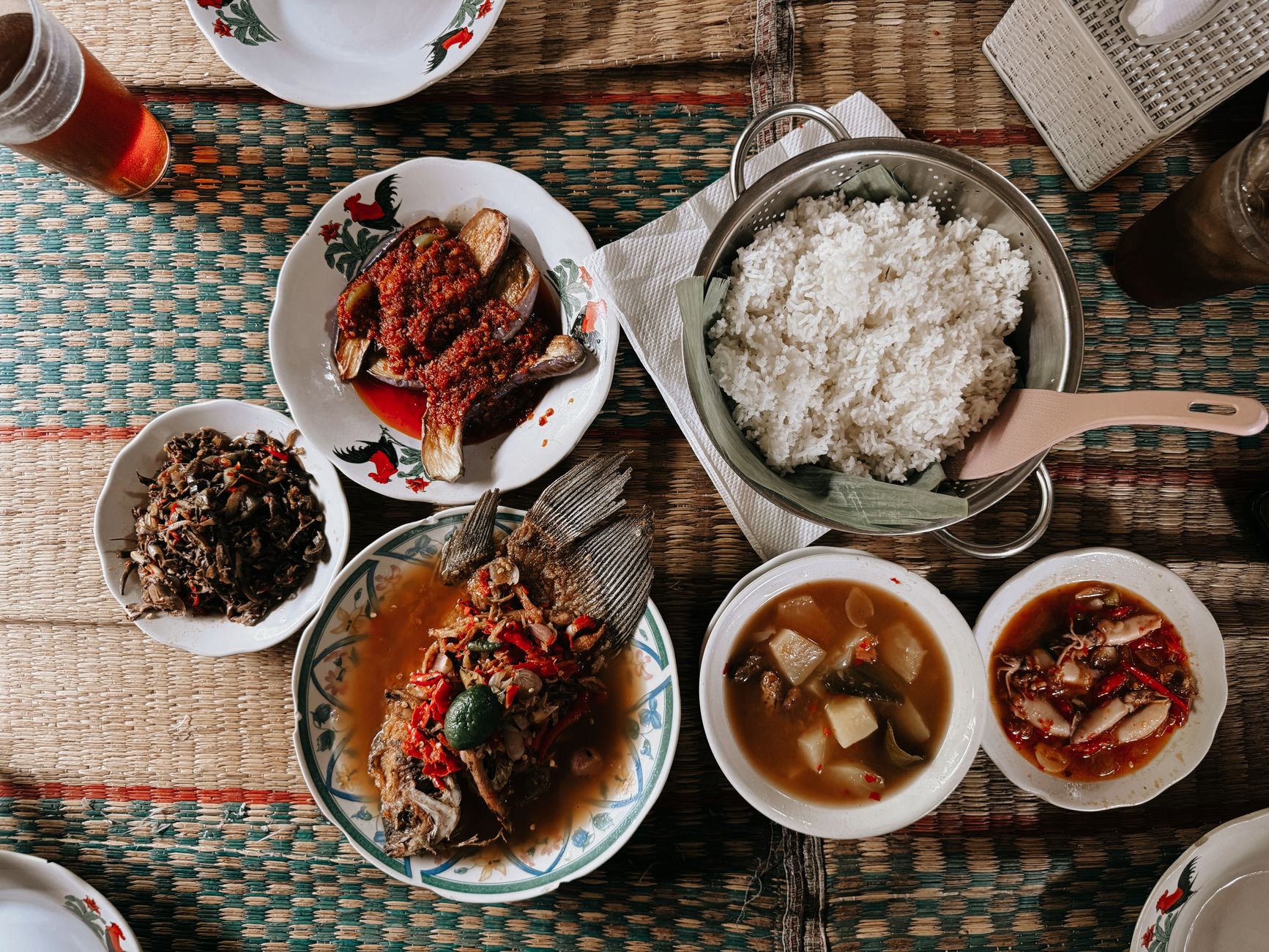
Start at 6:00 AM on a jukung outrigger from Kalibukbuk beach to watch spinner dolphins. Head inland by scooter for lunch of spicy grilled fish with sambal matah in Anturan. Spend the afternoon soaking in the thermal pools at Air Panas Banjar, ten minutes west, before catching the sunset with cold beer on the black sand. Select 1 Day above to see it.
2 days in Lovina Bali Indonesia
Dedicate your second day to Singaraja, Bali’s former colonial capital six miles east. Browse the Gedong Kirtya palm-leaf manuscript museum, inspect old Dutch harbour warehouses, and eat crisp babi guling or sate plecing at Pasar Anyar. In the late afternoon, head into the hills to visit Brahmavihara-Arama monastery. Choose 2 Days to expand the plan.
3 days in Lovina Bali Indonesia
A third day lets you venture further afield without clock-watching. Hire a driver heading west to Pemuteran and take a dive boat to Menjangan Island for pristine coral drop-offs, or hike south into the cool clove valleys around Sekumpul Waterfall, where multi-tiered cascades drop into misty jungle ravines.
Lovina Bali Indonesia itineraries by interest
Local Seafood in Lovina Bali Indonesia
Order whole grilled red snapper slathered in sambal matah over coconut husks at Warung Bambu Pemaron, served with water spinach and fresh lime.
Sacred Architecture in Lovina Bali Indonesia
Visit Brahmavihara-Arama Buddhist monastery in Banjar for tiered stupas, and Pura Beji Sangsit to see intricate 15th-century northern stone carvings.
Hot Springs in Lovina Bali Indonesia
Soak in the sulphurous thermal pools of Air Panas Banjar, where warm water pours from stone naga mouths into landscaped jungle pools open daily.
Marine Life in Lovina Bali Indonesia
Charter a wooden outrigger jukung at Kalibukbuk beach at dawn to spot spinner dolphins and snorkel over the reef conservation project.
Waterfalls in Lovina Bali Indonesia
Hike down stone steps through clove plantations to Gitgit Waterfall and the multi-tiered cascades of Sekumpul Waterfall in the northern hills.
Markets & Produce in Lovina Bali Indonesia
Wander Pasar Anyar in nearby Singaraja at daybreak for fresh mangosteens, torch ginger flowers, snake fruit, and freshly grated coconut.
Colonial History in Lovina Bali Indonesia
Explore Singaraja's historic harbour district to see Dutch colonial godowns, the royal palace of Puri Agung Singaraja, and palm-leaf manuscripts.
Coastal Walks in Lovina Bali Indonesia
Stroll the volcanic sand flats between Anturan and Kalibukbuk as fishermen repair nets and small beachfront warungs serve iced local robusta coffee.
Snorkelling & Diving in Lovina Bali Indonesia
Take a boat from Labuan Lalang to Menjangan Island for sheer coral walls, sea fans, and clear drift dives inside West Bali National Park.
Traditional Cooking in Lovina Bali Indonesia
Taste authentic northern Balinese dishes like sate lilit, lawar made with long beans, and smoky babi guling spiced with turmeric and galangal.
Highland Drives in Lovina Bali Indonesia
Climb the hairpin turns of the Bedugul pass past Lake Bratan and Lake Buyan, stopping for fresh roadside strawberries and mountain views.
Village Crafts in Lovina Bali Indonesia
Watch weavers produce intricate endek and songket textiles on traditional wooden handlooms in the heritage weaving villages near Buleleng.