M'Hamid.


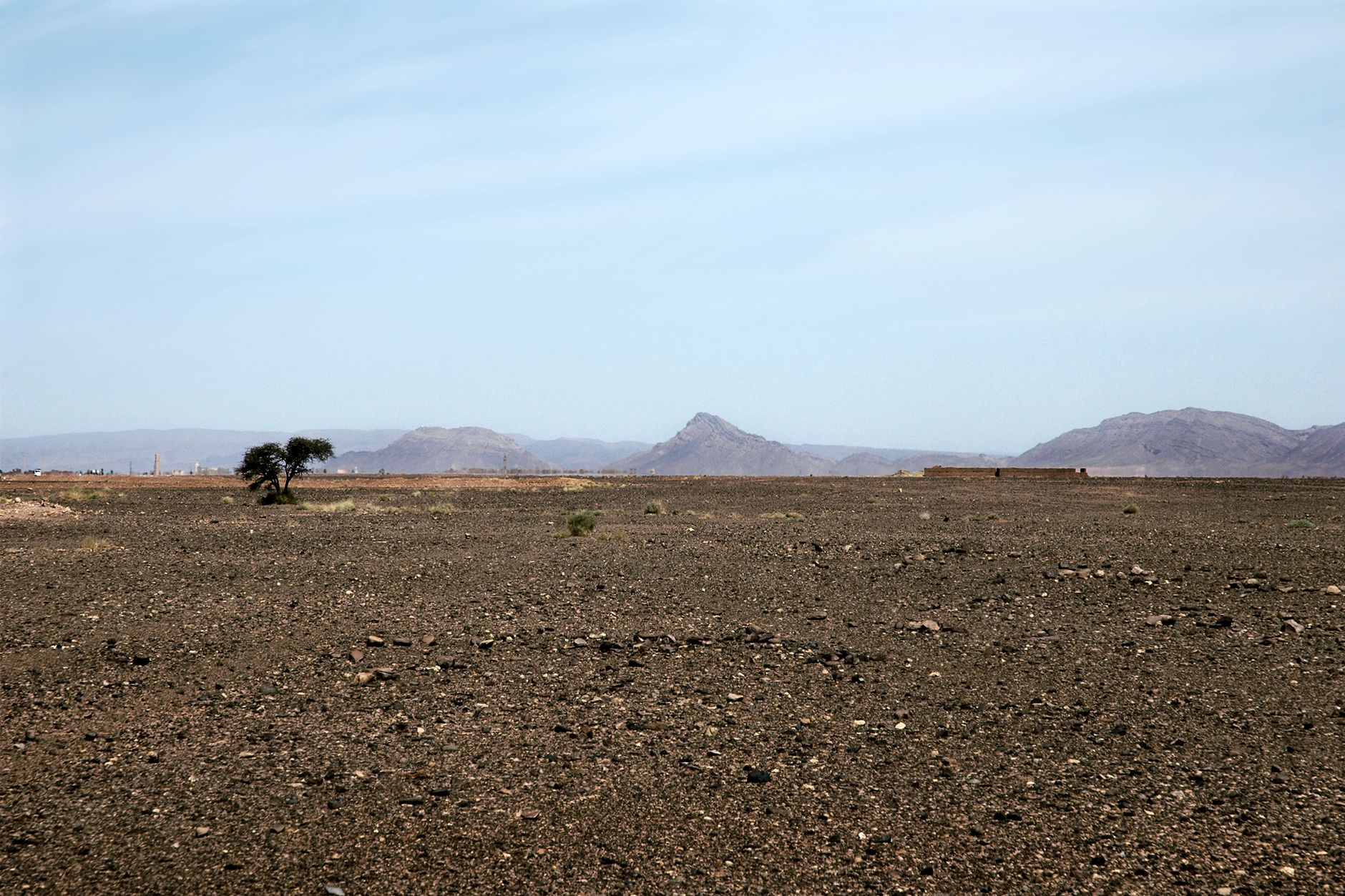

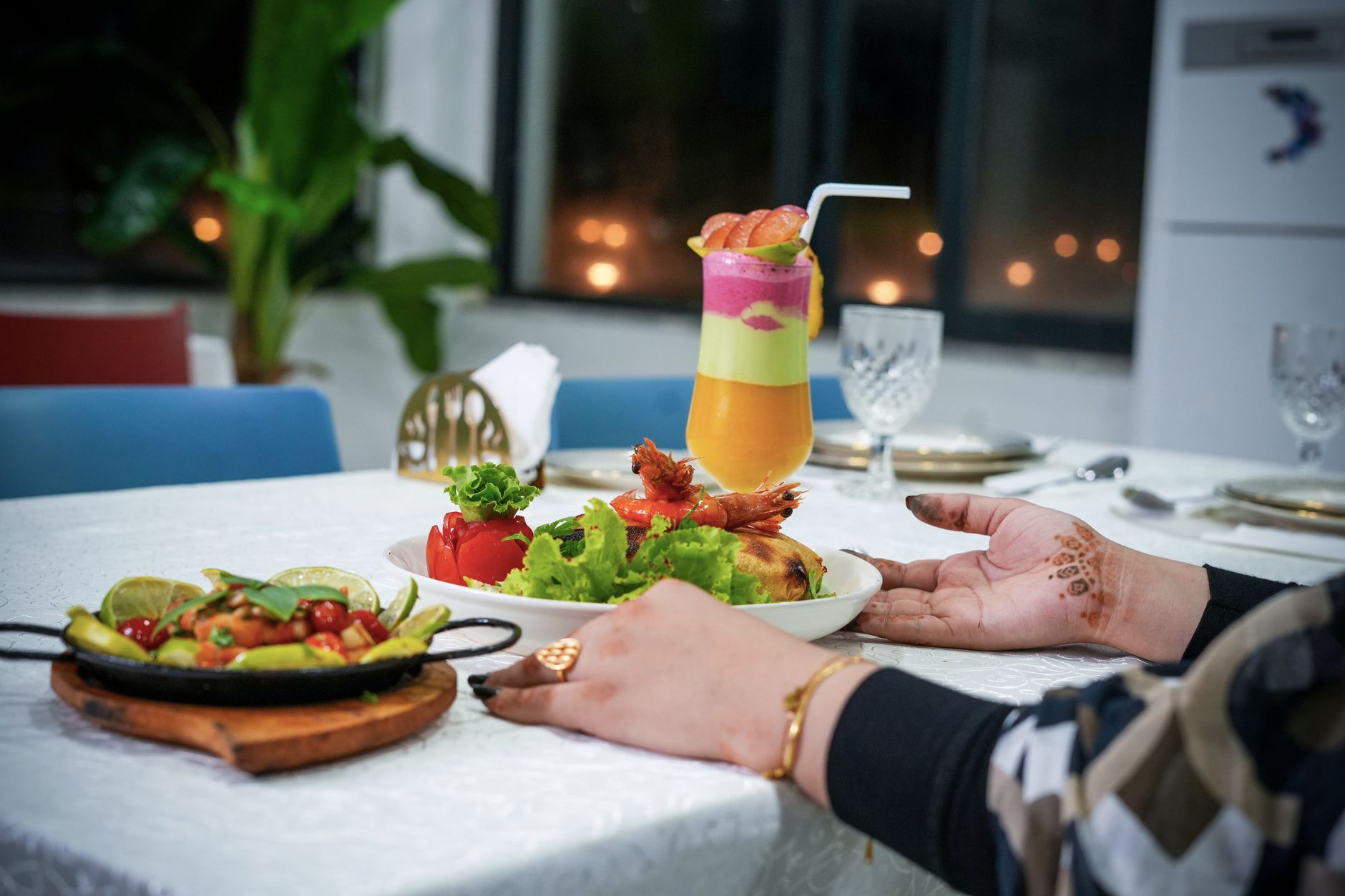
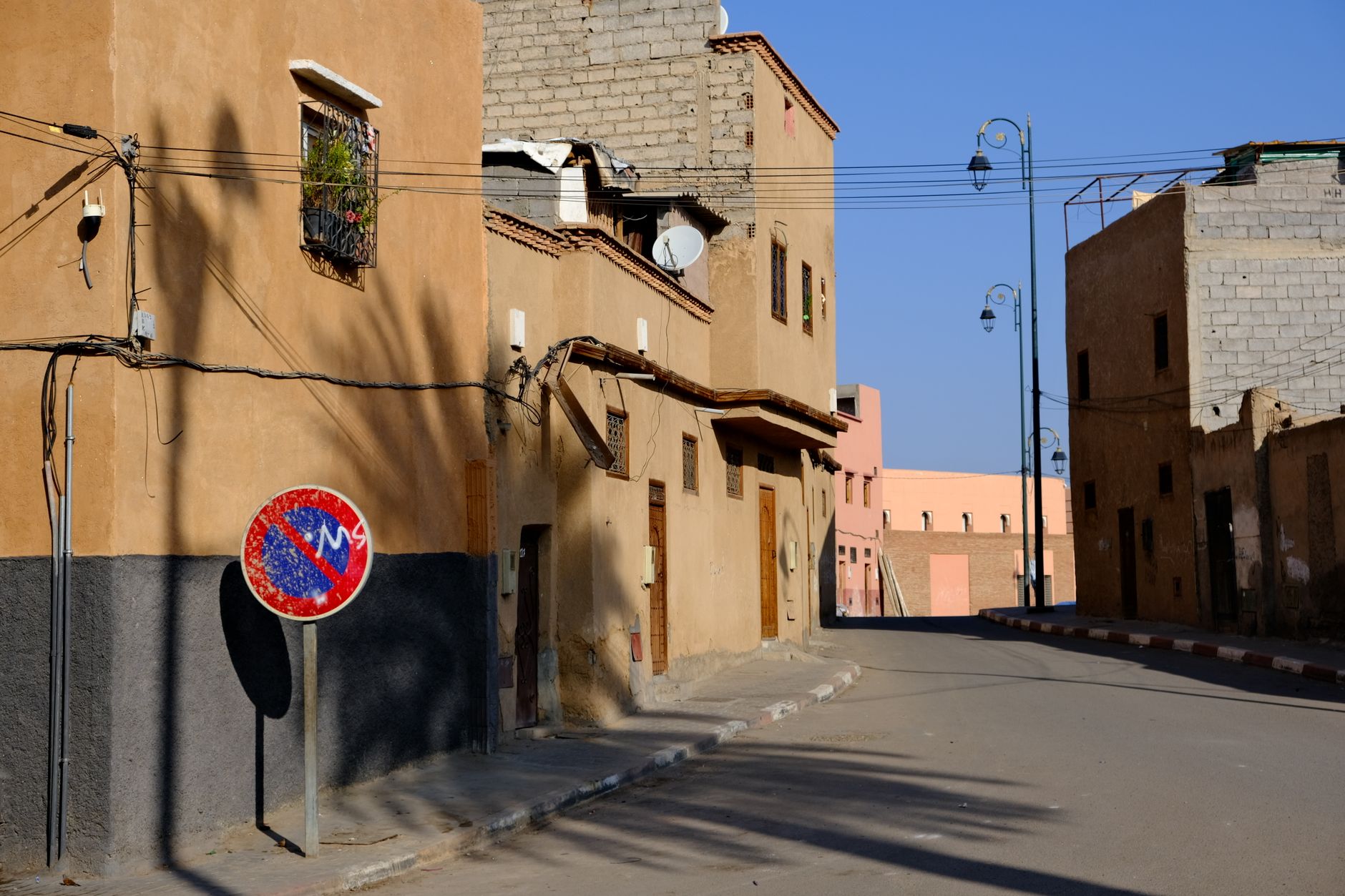
M'Hamid sits at the literal end of National Route 9, about five hours south of Ouarzazate across the Drâa Valley. It is famous as the final paved outpost before the Saharan expanse of Erg Chigaga and for its resilient palm groves and ancient mudbrick ksour. Here, the sand blows across the road and daily life runs on sweet mint tea and date harvests. M'Hamid is worth visiting if you want to travel past the end of the road into remote sand seas without resort crowds. Look elsewhere if you want luxury resort amenities, lively nightlife, paved pedestrian streets, or air-conditioned indoor sights away from the sand and heat.
Last updated 14 Sept 2026
Build a M'Hamid itinerary.
Choose up to 4 threads that pull you in. Your plan arrives organised around them.
The Bed
Where to stay in M'Hamid
Which part of town to book, and what each one costs you in walking, noise or quiet.
The Comparison
M'Hamid, or somewhere near it
The places you are realistically choosing between, and the honest case for each.
The Local Record
Where to read more about M'Hamid
The blogs, boards, guides and operators worth bookmarking.
What to do in M'Hamid Drâa & Tafilalet Morocco
M'Hamid is a low-slung desert town where paved road gives way to desert track. Life revolves around the sun, the wind, and departures into the dunes. The center consists of one main sandy avenue flanked by cafes, carpet merchants, and agency offices. It suits self-reliant travellers eager to trade city conveniences for vast skies, mudbrick history, and genuine Saharan hospitality.
24 hours in M'Hamid Drâa & Tafilalet Morocco
Spend the morning exploring the earthen tunnels of Ksar M'Hamid Bali on foot. Grab lunch at a local cafe for a hot camel tagine and sweet mint tea, then leave by 4x4 before mid-afternoon for the two-hour drive to Erg Chigaga to catch sunset atop the dunes. Select 1 Day above to see it.
2 days in M'Hamid Drâa & Tafilalet Morocco
Wake early in the dunes to watch sunrise over Erg Chigaga before traversing the stony Iriqui dried lake bed. Head back to town for an evening walking the quiet palm groves of Ouled M'Hia, ending with fresh flatbread and skewered kefta from a village grill. Choose 2 Days to expand the plan.
3 days in M'Hamid Drâa & Tafilalet Morocco
A third day allows a relaxed detour thirty minutes north to Zagora and the pottery workshops of Tamegroute, where artisans still fire distinctive green-glazed ceramics in subterranean kilns and preserve medieval Koranic manuscripts in the village library.
M'Hamid Drâa & Tafilalet Morocco itineraries by interest
Desert Journeys in M'Hamid Drâa & Tafilalet Morocco
Board a 4x4 or camel trek across seventy kilometres of washboard track to Erg Chigaga, Morocco's largest field of untouched barchan dunes.
Traditional Bread in M'Hamid Drâa & Tafilalet Morocco
Watch bakers prepare tagella, the Saharan flatbread baked directly under hot coals and clean sand, served broken into spicy mutton broth.
Mudbrick Architecture in M'Hamid Drâa & Tafilalet Morocco
Wander through Ksar M'Hamid Bali, the decaying sixteenth-century fortified clay settlement cooling the desert sun with shaded covered alleyways.
Local Markets in M'Hamid Drâa & Tafilalet Morocco
Visit the Monday souk along the main drag for Majhoul dates, hand-woven palm baskets, plastic jerrycans, and cumin-scented butcher stalls.
Desert Music in M'Hamid Drâa & Tafilalet Morocco
Listen to Sahrawi and Gnawa musicians play the guembri and metal qraqeb clappers around nighttime fires, performing nomadic call-and-response songs.
Palm Groves in M'Hamid Drâa & Tafilalet Morocco
Stroll the network of earthen irrigation channels in the palmeraie, where farmers cultivate mint, alfalfa, and pomegranates under date palms.
Stargazing in M'Hamid Drâa & Tafilalet Morocco
Step away from village generator light into zero-light-pollution desert darkness where the Milky Way stretches clearly from horizon to horizon.
Textiles & Weaving in M'Hamid Drâa & Tafilalet Morocco
Find local cooperatives weaving heavy camel-wool carpets and durable nomadic tents using wooden ground looms and plant dyes.
Nomadic Heritage in M'Hamid Drâa & Tafilalet Morocco
Learn the survival traditions of the Blue Men of the Sahara, including tea-making rituals, tent pitching, and navigating by desert landmarks.
Regional Stews in M'Hamid Drâa & Tafilalet Morocco
Eat slow-cooked camel meat tagines simmered with dried plums and Ras el Hanout, or desert-style medfouna stuffed with minced beef, eggs, and herbs.
Off-Road Driving in M'Hamid Drâa & Tafilalet Morocco
Navigate stony reg plains, dry acacia riverbeds of the Oued Drâa, and steep sand ridges with an experienced desert driver and deflated tyres.
Sacred Sites in M'Hamid Drâa & Tafilalet Morocco
Stop at modest local marabouts, whitewashed desert tombs of regional Sufi saints honouring generations of spiritual guides along old caravan paths.