Ouarzazate.


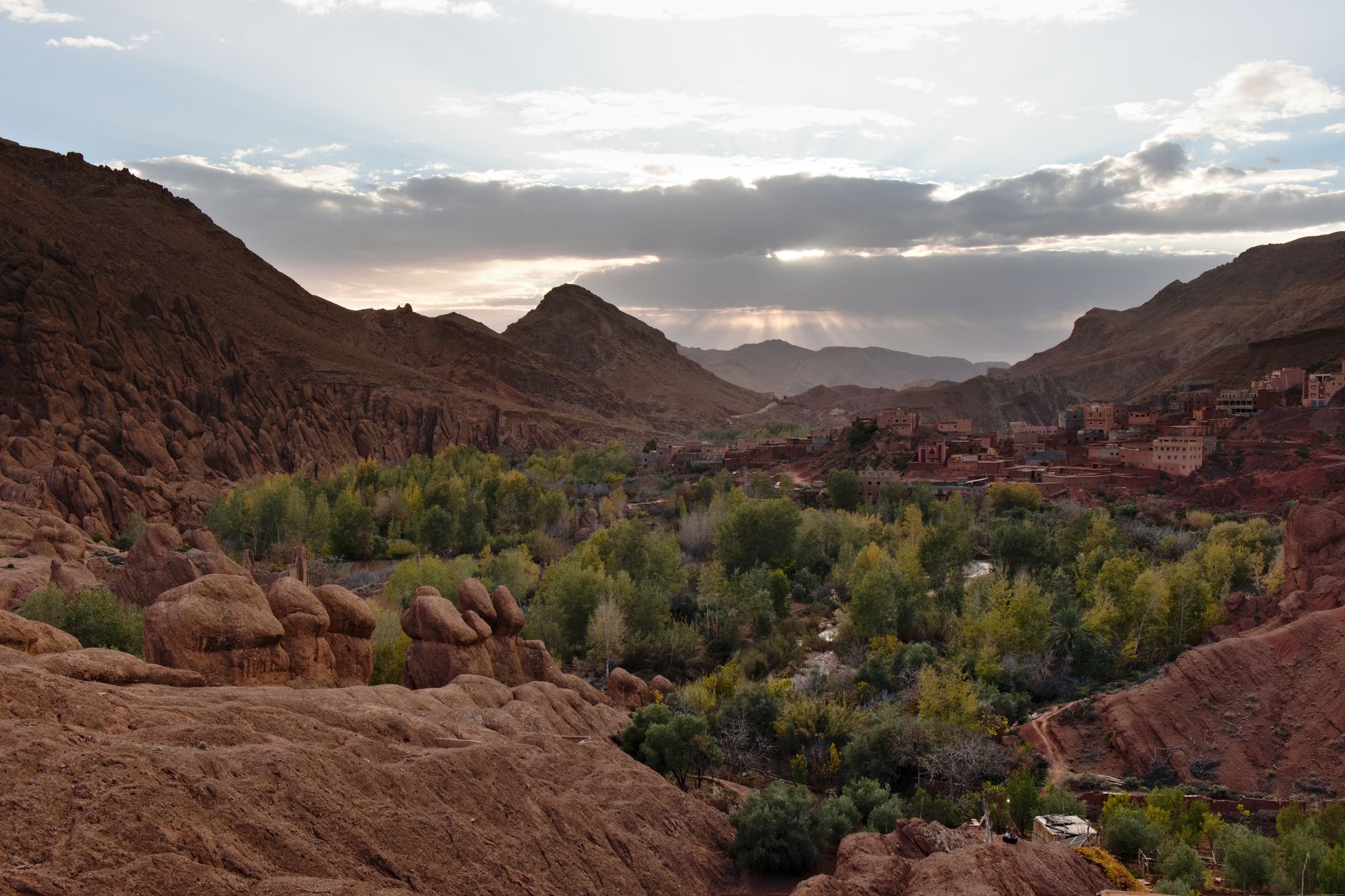
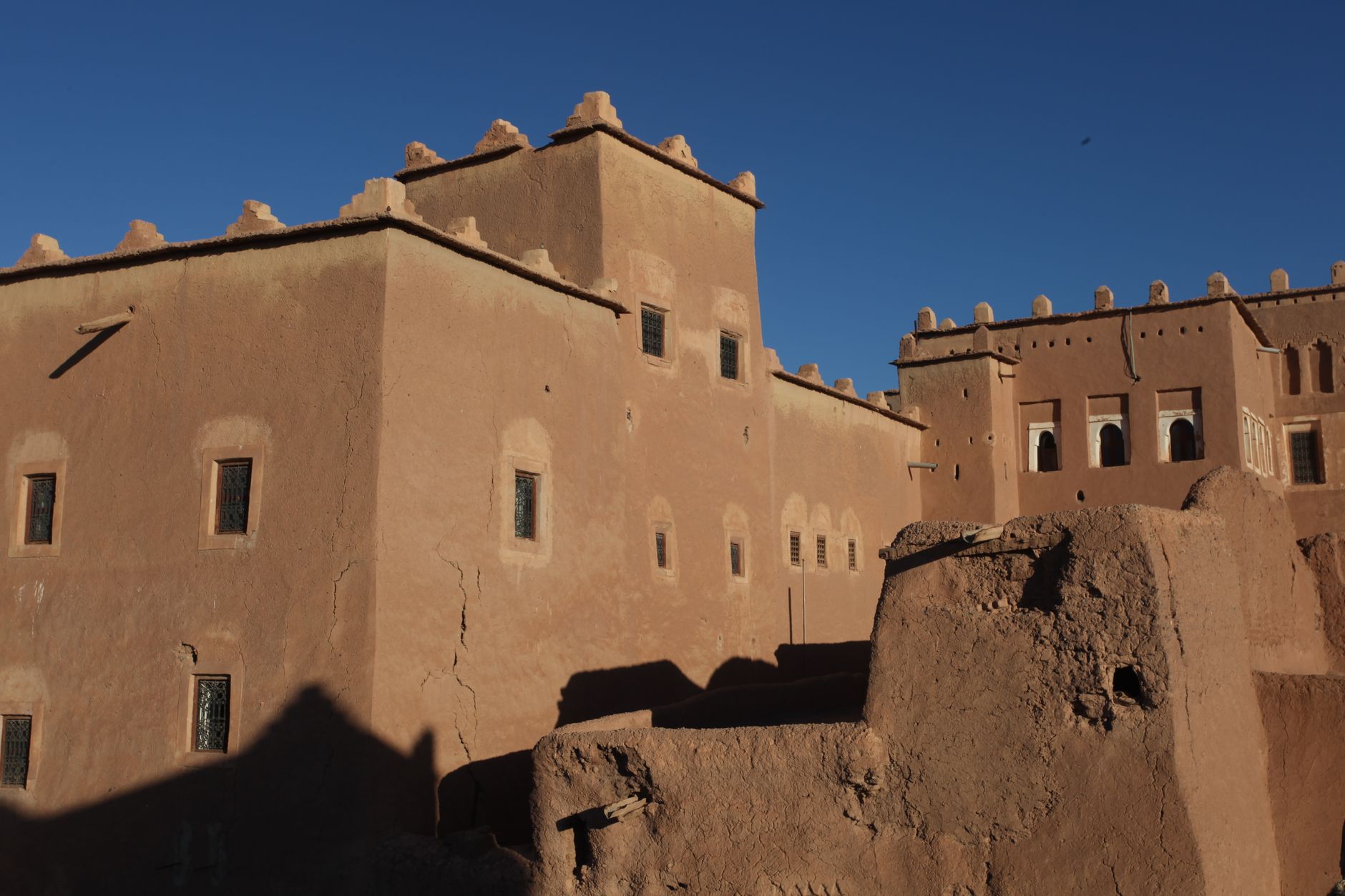
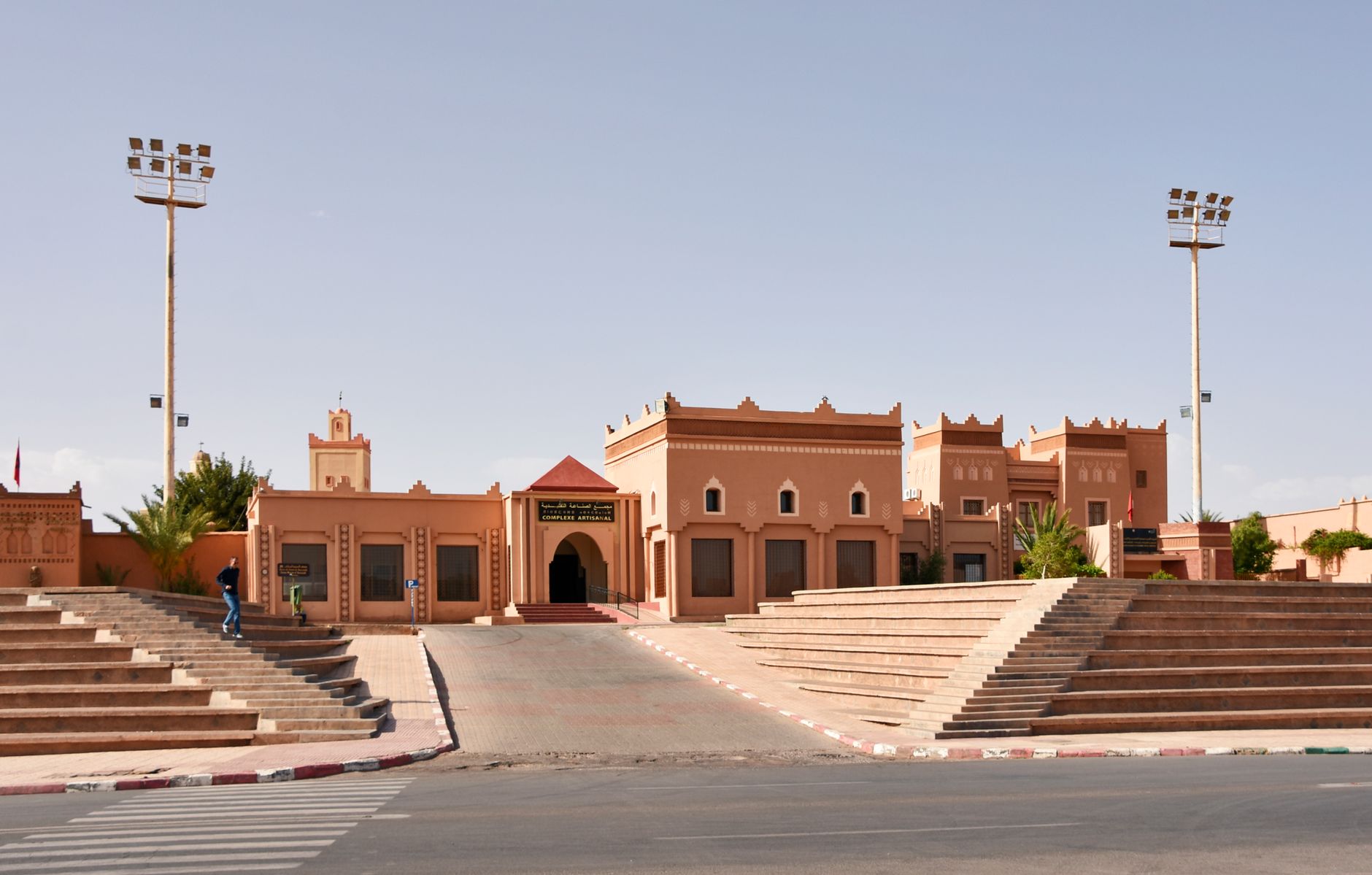
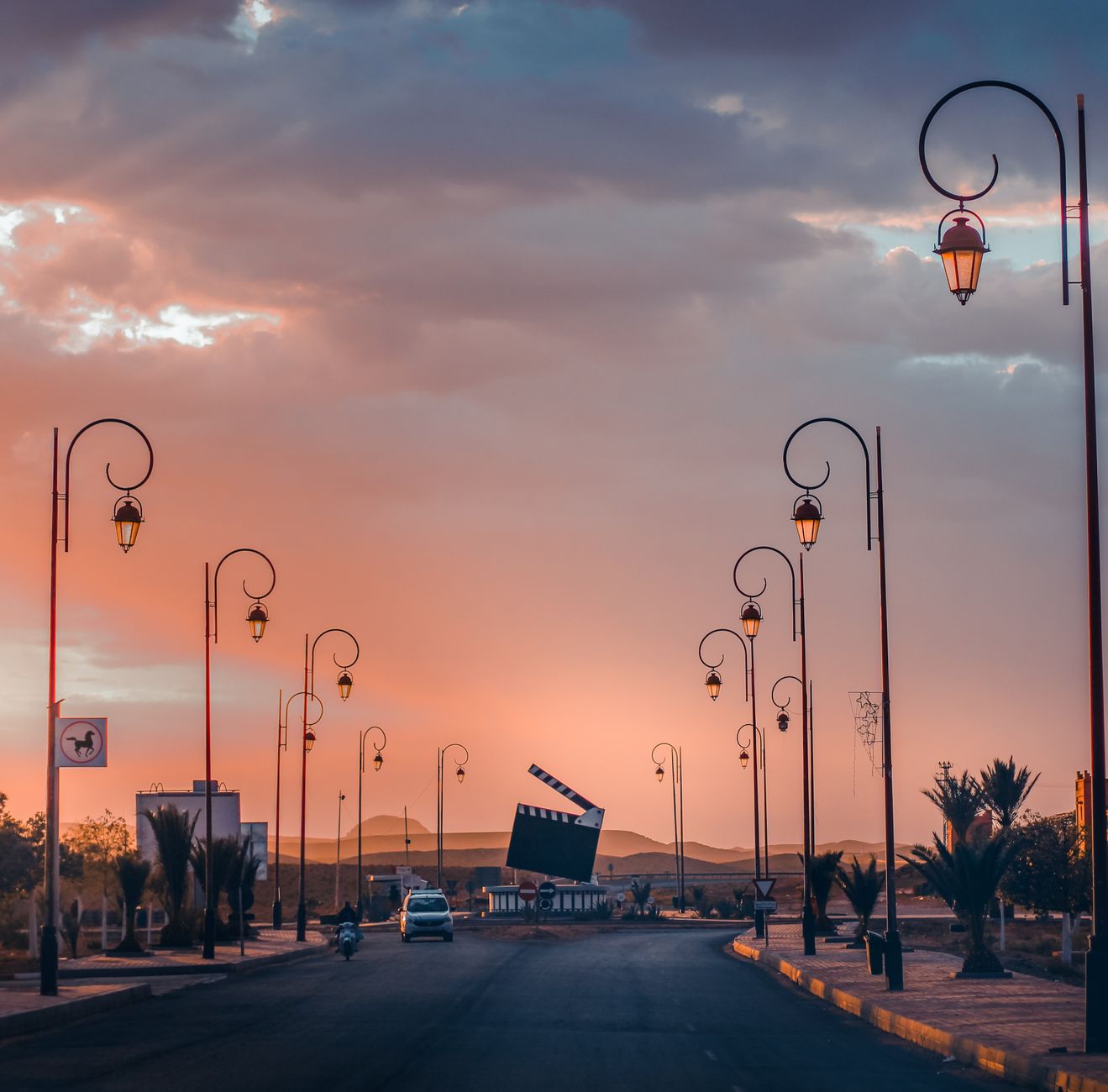
Sitting four hours southeast of Marrakech via the winding Tizi n'Tichka pass, Ouarzazate is southern Morocco's primary desert crossroads, known for sprawling film production lots and monumental clay architecture. The town serves as a practical base for exploring fortified ksour and the date-palm oases of the Drâa Valley. Ouarzazate is worth visiting if you want to inspect multi-storey earthen kasbah architecture and track old caravan routes into the desert. Look elsewhere if you want a compact, walkable historic core, lively nightlife, or sights you can explore without a car.
Last updated 13 Sept 2026
Build a Ouarzazate itinerary.
Choose up to 4 threads that pull you in. Your plan arrives organised around them.
The Bed
Where to stay in Ouarzazate
Which part of town to book, and what each one costs you in walking, noise or quiet.
The Comparison
Ouarzazate, or somewhere near it
The places you are realistically choosing between, and the honest case for each.
The Local Record
Where to read more about Ouarzazate
The blogs, boards, guides and operators worth bookmarking.
What to do in Ouarzazate Drâa & Tafilalet Morocco
Ouarzazate is a wide, unhurried town laid out across a high desert plateau. The day moves between morning visits to fortified earthen quarters like Taourirt Kasbah and quiet afternoons resting as the sun bakes the stone streets. It suits independent road trippers and architecture enthusiasts who prefer setting their own pace along the N9 and N10 routes.
24 hours in Ouarzazate Drâa & Tafilalet Morocco
Start early at Ait Benhaddou before tour buses pull in, crossing the Ounila riverbed on foot. Return to town for beef tagine with preserved lemons at a café on Avenue Mohammed V, then wander the passageways of Taourirt Kasbah in late afternoon light. Select 1 Day above to see it.
2 days in Ouarzazate Drâa & Tafilalet Morocco
A second day lets you drive forty minutes east to Skoura Oasis. Walk the palm groves around Kasbah Amridil, where caretakers demonstrate traditional mud-brick repair, then share a slow-cooked vegetable tagine seasoned with wild thyme at an oasis guesthouse. Choose 2 Days to expand the plan.
3 days in Ouarzazate Drâa & Tafilalet Morocco
Three days opens up the winding run south through the Drâa Valley toward Zagora. Stop in Agdz for mint tea beneath the date palms, explore the medieval underground library at Tamegroute, and pick up raw green-glazed pottery straight from the kiln yards.
Ouarzazate Drâa & Tafilalet Morocco itineraries by interest
Vernacular Architecture in Ouarzazate Drâa & Tafilalet Morocco
Walk Taourirt Kasbah and Ait Benhaddou to inspect compacted earth walls, ramparts, and cedar ceilings built without mortar.
Regional Cooking in Ouarzazate Drâa & Tafilalet Morocco
Seek out slow-simmered lamb and prune tagines, Medfouna Berber flatbread stuffed with spiced meat, and couscous with seven vegetables.
Film History in Ouarzazate Drâa & Tafilalet Morocco
Tour Atlas Studios and CLA Studios to see desert backdrops, Roman sets, and prop workshops operating since the 1980s.
Oasis Agriculture in Ouarzazate Drâa & Tafilalet Morocco
Follow irrigation channels through Skoura and the Drâa Valley to see date palms, pomegranates, and mint grown beneath shade.
Market Produce in Ouarzazate Drâa & Tafilalet Morocco
Browse the Sunday souk for local cumin, saffron threads from Taliouine, dried figs, olive oils, and piles of seasonal Medjool dates.
Craft Traditions in Ouarzazate Drâa & Tafilalet Morocco
Watch weavers in nearby Taznakht knot geometric wool carpets with natural dyes from saffron, henna, and pomegranate rinds.
Desert Landscapes in Ouarzazate Drâa & Tafilalet Morocco
Head southeast toward M'Hamid El Ghizlane or Merzouga for sweeping barchan dunes, gravel regs, and quiet granite canyons.
Gorge Walking in Ouarzazate Drâa & Tafilalet Morocco
Scramble between the vertical limestone cliffs of Dadès and Todra Gorges, following riverbeds lined with almond and walnut groves.
Ancient Fortifications in Ouarzazate Drâa & Tafilalet Morocco
Inspect fortified granaries and multi-towered ksour along the Route of a Thousand Kasbahs, especially Kasbah Amridil in Skoura.
Pottery Traditions in Ouarzazate Drâa & Tafilalet Morocco
Visit the village of Tamegroute to watch artisans glaze green ceramics using manganese, silica, and tamarisk kiln fires.
Night Skies in Ouarzazate Drâa & Tafilalet Morocco
Clear mountain air and minimal light pollution outside the town centre offer pristine stargazing over the anti-Atlas plateau.
Day Trips in Ouarzazate Drâa & Tafilalet Morocco
Drive along the N9 to the Glaoui clan stronghold at Telouet Kasbah, perched high in the Atlas with intact Andalusian tilework.