


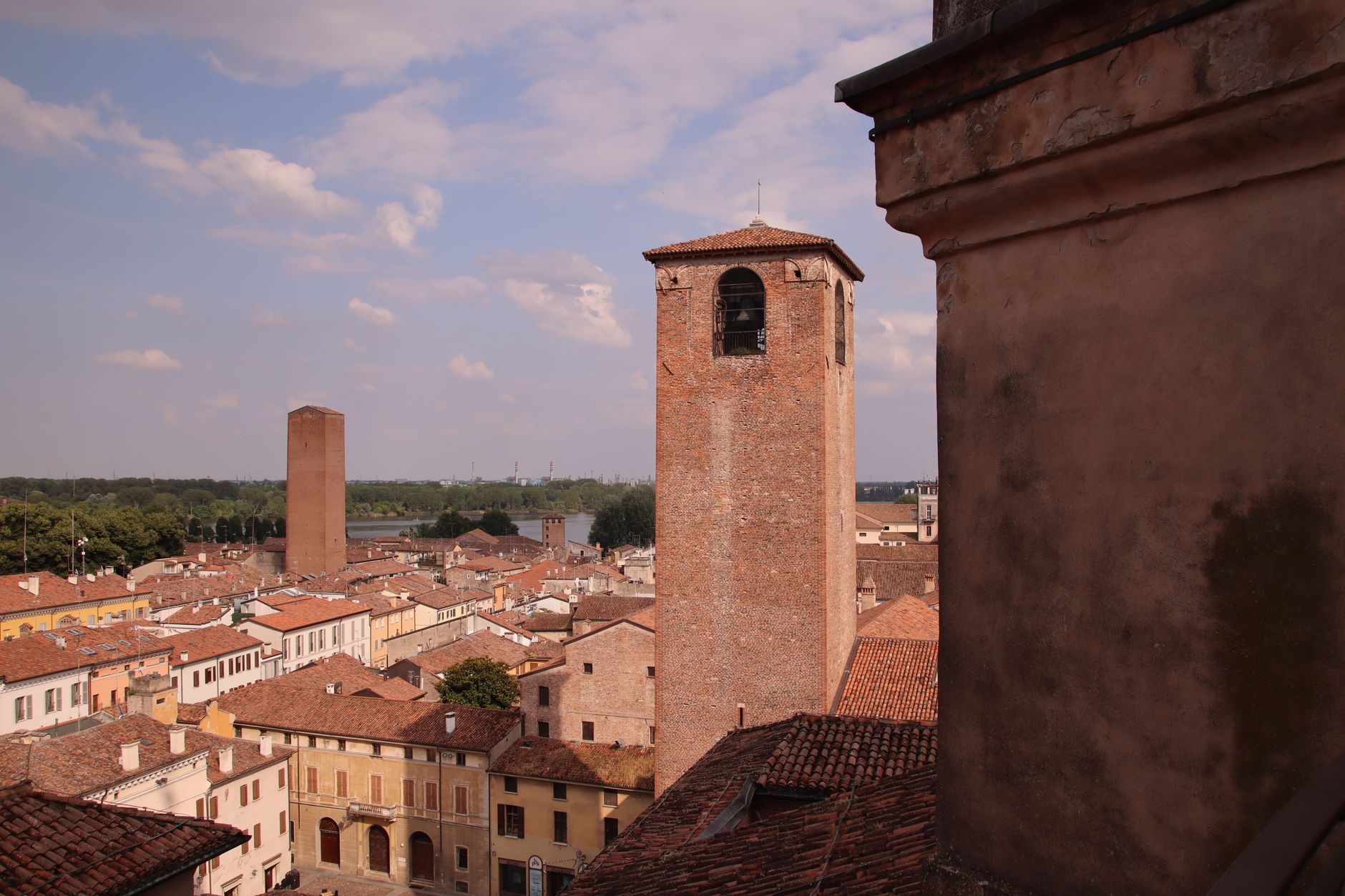

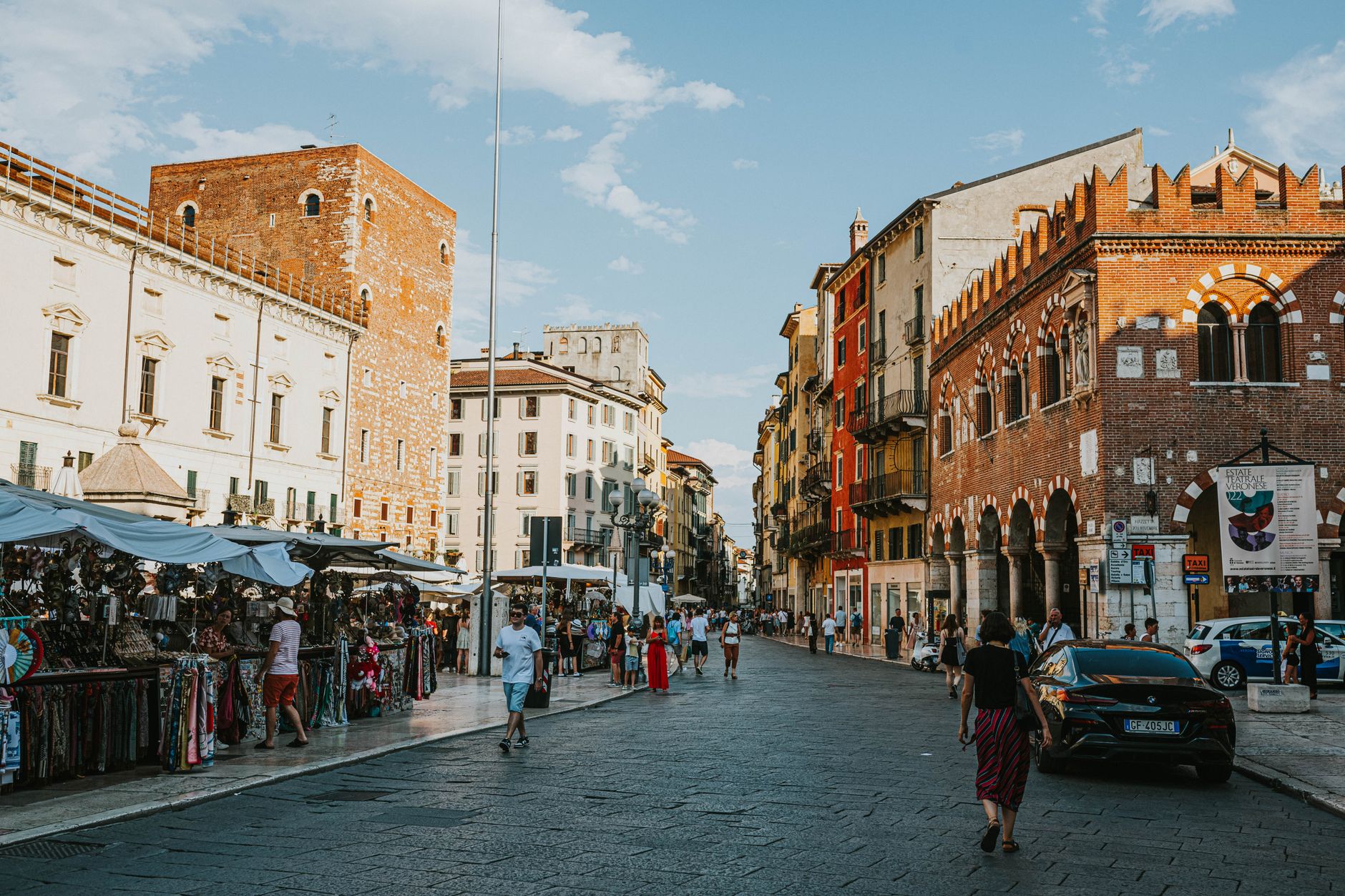
Mantova sits forty-five minutes south of Verona by regional train, bounded on three sides by artificial lakes fed by the Mincio. It is defined by Gonzaga patronage, home to the sprawling Palazzo Ducale and Giulio Romano's Palazzo Te. Mantova is worth visiting if you want monumental Renaissance frescoes, quiet cobblestone lanes, and rich pumpkin pasta. Look elsewhere if you need late-night clubs, seaside scenery, or fast urban energy.
Last updated 21 Oct 2026
Build a Mantova itinerary.
Choose up to 4 threads that pull you in. Your plan arrives organised around them.
The Bed
Where to stay in Mantova
Which part of town to book, and what each one costs you in walking, noise or quiet.
The Comparison
Mantova, or somewhere near it
The places you are realistically choosing between, and the honest case for each.
The Local Record
Where to read more about Mantova
The blogs, boards, guides and operators worth bookmarking.
What to do in Mantova Lombardy Italy
Mantova is compact and walkable, bounded by three calm lakes and built on a human scale. Days revolve around Piazza Sordello and Piazza delle Erbe, where locals linger for midday espresso and evening glasses of Lambrusco. It suits travellers who prefer unhurried strolls past brick Renaissance facades, long trattoria lunches, and quiet evenings without bus tours.
24 hours in Mantova Lombardy Italy
Book an early morning slot at Palazzo Ducale to view Mantegna's Camera degli Sposi before the tour groups arrive. Walk five minutes to Osteria delle Quattro Torte for tortelli di zucca, then stroll south to Palazzo Te by mid-afternoon. Finish with an aperitivo on Piazza delle Erbe as the brick clock tower lights up. Select 1 Day above to see it.
2 days in Mantova Lombardy Italy
Spend your second morning exploring the Jewish ghetto along Via Spagnoli and visiting the wooden Teatro Bibiena. Rent a bicycle for a flat ride along the shores of Lago Superiore, then settle into a neighbourhood trattoria for stracotto d'asino with polenta and a slice of crumbly sbrisolona cake. Choose 2 Days to expand the plan.
3 days in Mantova Lombardy Italy
A third day allows an easy 45-minute bike ride along the Mincio River to the fortified riverside village of Borghetto sul Mincio, famous for knot-shaped tortellini. Alternatively, take an electric boat cruise through the Mincio nature reserve or explore the Renaissance sanctuary at Grazie di Curtatone.
Mantova Lombardy Italy itineraries by interest
Renaissance Art in Mantova Lombardy Italy
Giulio Romano's dramatic frescoes in Palazzo Te, particularly the Sala dei Giganti, and Mantegna's Camera degli Sposi inside the Palazzo Ducale.
Fresh Pasta in Mantova Lombardy Italy
Handmade tortelli di zucca filled with sweet pumpkin, amaretto biscuits, and mostarda, served simply with browned butter and Parmigiano Reggiano.
Sacred Architecture in Mantova Lombardy Italy
Leon Battista Alberti's monumental Basilica di Sant'Andrea, home to the Holy Blood reliquaries, and the circular 11th-century Rotonda di San Lorenzo.
Regional Baking in Mantova Lombardy Italy
Sbrisolona, the crumbly almond and cornmeal cake snapped into shards by hand, and torta delle rose, an enriched yeast cake made with sweet butter.
Palace Interiors in Mantova Lombardy Italy
The five-hundred-room Palazzo Ducale complex, featuring the Gonzaga tapestries, labyrinthine courtyards, and Isabella d'Este's private studiolo.
Lakes & Waterways in Mantova Lombardy Italy
Flat boat trips across Lago Superiore through beds of summer lotus flowers, or cycling the shaded riverbanks of the Parco del Mincio.
Cured Meats in Mantova Lombardy Italy
Salame mantovano spiked with garlic and white wine, cotechino served over creamy polenta, and local mostarda di Mantova made with spicy pickled fruits.
Local Wine in Mantova Lombardy Italy
Dry, sparkling Lambrusco Mantovano DOC poured into sturdy tumblers, plus crisp whites from the Colline Moreniche morainic hills just to the north.
Historic Squares in Mantova Lombardy Italy
Piazza delle Erbe with its 15th-century astronomical clock tower, and the grand cobblestones of Piazza Sordello flanked by medieval palazzi.
Cycling in Mantova Lombardy Italy
The flat, dedicated 45-kilometre cycle path running along the Mincio River Greenway from Mantova directly to Peschiera del Garda.
Theatre & Music in Mantova Lombardy Italy
Teatro Scientifico Bibiena, an intimate 18th-century bell-shaped wooden jewel box where a young Mozart performed during his first Italian tour.
Meat Cookery in Mantova Lombardy Italy
Stracotto d'asino, donkey meat braised slowly with Lambrusco and aromatics, ladled over dense yellow polenta in traditional osterie.