


Sitting two hours northwest of Tepic in Nayarit's tidal wetlands, Mexcaltitán de Uribe is reached by a fifteen-minute skiff from the Embarcadero La Batanga. This oval island village is known for flooded wet-season streets, shrimp harvests, and its legendary claim as the ancestral Aztlán. Mexcaltitán de Uribe is worth visiting if you want to eat wood-smoked pescado zarandeado and dried shrimp fresh from the estuary. Look elsewhere if you expect beach clubs, paved resort amenities, or nightlife.
Last updated 26 Nov 2026
Build a Mexcaltitán de Uribe itinerary.
Choose up to 4 threads that pull you in. Your plan arrives organised around them.
The Bed
Where to stay in Mexcaltitán de Uribe
Which part of town to book, and what each one costs you in walking, noise or quiet.
The Comparison
Mexcaltitán de Uribe, or somewhere near it
The places you are realistically choosing between, and the honest case for each.
The Local Record
Where to read more about Mexcaltitán de Uribe
The blogs, boards, guides and operators worth bookmarking.
What to do in Mexcaltitán de Uribe Nayarit Mexico
Mexcaltitán de Uribe is a compact, wheel-shaped island barely four hundred metres across, resting quietly in Nayarit's Marismas Nacionales. The rhythm here follows the tide and the shrimp nets rather than an itinerary. You walk the concentric rings of Calle Hidalgo, eat lunch under a thatched palapa overlooking the water, and drift into the village museum. It suits travellers who appreciate unhurried provincial Mexico and excellent estuary cooking.
24 hours in Mexcaltitán de Uribe Nayarit Mexico
Board an early skiff at Embarcadero La Batanga for the fifteen-minute crossing. Spend your morning at Museo El Origen, then sit for a long lunch of robalo zarandeado at Restaurant La Alberca. Stroll the raised perimeter path as the light softens, and catch a boat back before sunset. Select 1 Day above to see it.
2 days in Mexcaltitán de Uribe Nayarit Mexico
An overnight stay lets you experience the lagoon at dawn when fishing skiffs push into the mist. Hire a local boatman to navigate the mangrove channels toward Boca de Camichín for fresh oysters, followed by an evening plate of shrimp tamales at a home kitchen near Plaza Hidalgo. Choose 2 Days to expand the plan.
3 days in Mexcaltitán de Uribe Nayarit Mexico
With a third day, head inland to Santiago Ixcuintla to see the massive ceramic mural at the municipal palace and browse regional market stalls. Continue south toward San Blas to explore the colonial ruins of the Fuerte de la Contaduría and the mangrove springs of La Tovara.
Mexcaltitán de Uribe Nayarit Mexico itineraries by interest
Local Seafood in Mexcaltitán de Uribe Nayarit Mexico
Order wood-smoked pescado zarandeado over mangrove charcoal, fresh ceviche de camarón, and crisp shrimp tamales at simple lagoon-side palapas.
Island History in Mexcaltitán de Uribe Nayarit Mexico
Tour the Museo El Origen on the central plaza to examine Mesoamerican pottery and the controversial archaeological case for the island as Aztlán.
Boat Trips in Mexcaltitán de Uribe Nayarit Mexico
Hire a lancha from Embarcadero La Batanga through dense mangrove canals lined with herons, white ibises, and wooden fishing weirs.
Village Walks in Mexcaltitán de Uribe Nayarit Mexico
Circle the raised perimeter sidewalks and unpaved alleys where fishermen mend nylon casting nets and dry pink shrimp on woven reed mats.
Sacred Architecture in Mexcaltitán de Uribe Nayarit Mexico
Step into the Parroquia de San Pedro y San Pablo on Plaza Hidalgo, the quiet 19th-century church anchoring the island's annual saint races.
Traditional Crafts in Mexcaltitán de Uribe Nayarit Mexico
Watch locals weave spherical shrimp traps from split reeds and carve small cedar dugout paddles in front of open-door village workshops.
Birdwatching in Mexcaltitán de Uribe Nayarit Mexico
Spot roseate spoonbills, wood storks, and osprey nesting in the tangled red mangrove branches of the surrounding Marismas Nacionales.
Festivals & Rituals in Mexcaltitán de Uribe Nayarit Mexico
Visit in late June during the Fiesta de San Pedro y San Pablo to see competing canoe races across the lagoon between rival parish statues.
Street Food in Mexcaltitán de Uribe Nayarit Mexico
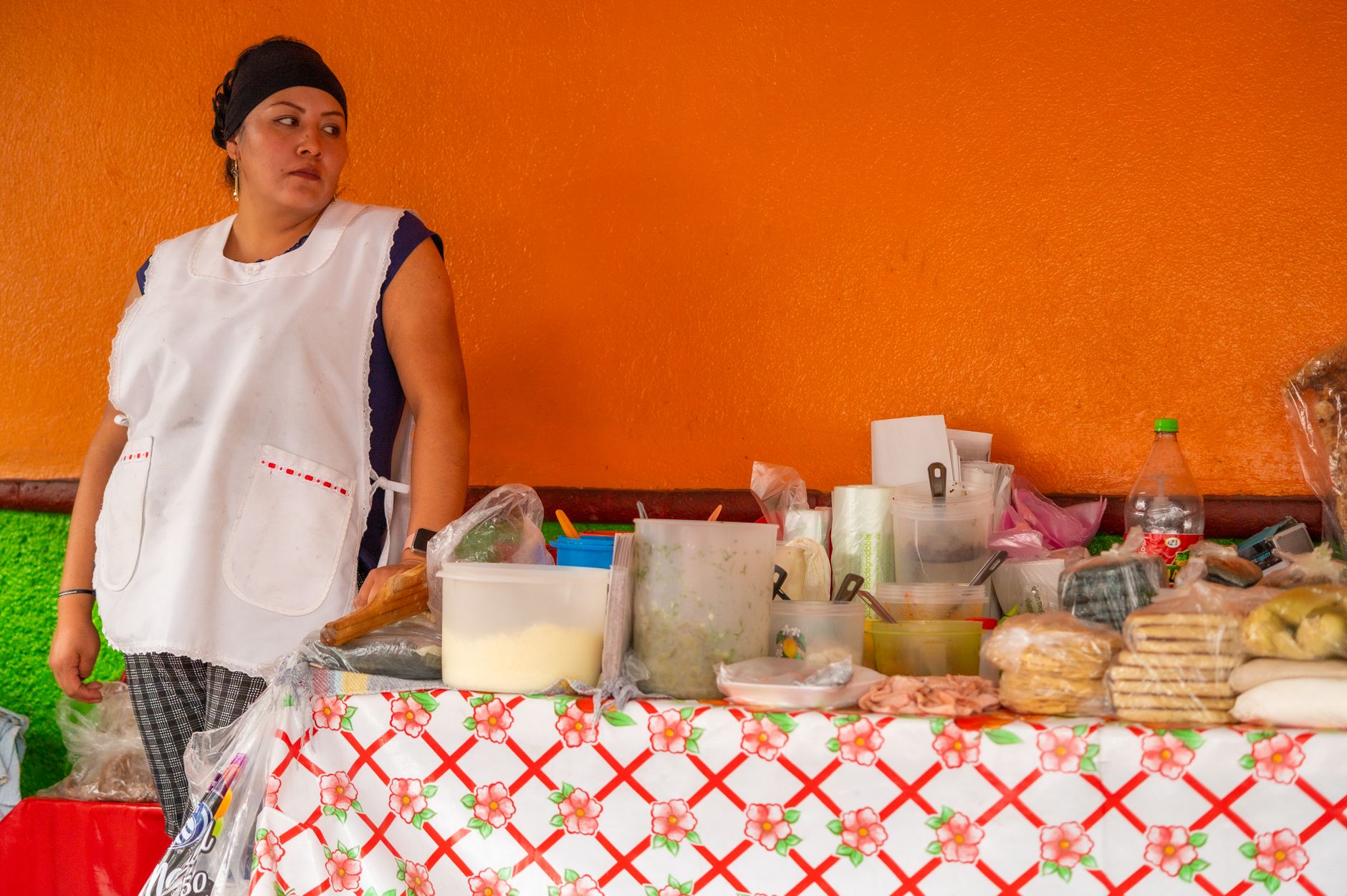
Try fried tlapiques wrapped in corn husks, dried shrimp patties, and crisp sopes topped with local cotija cheese sold from front-porch tables.
Day Trips in Mexcaltitán de Uribe Nayarit Mexico
Drive inland to Santiago Ixcuintla for its historic mural facade, regional market produce, and riverfront huichol craft workshops.
Lagoon Ecology in Mexcaltitán de Uribe Nayarit Mexico
Navigate the saltwater estuary system of the San Pedro River to observe oyster beds, tidal mudflats, and traditional tapo fish fences.
Photography in Mexcaltitán de Uribe Nayarit Mexico
Capture low-angled morning light on pastel stucco houses, water-filled summer streets, and wooden skiffs resting along the perimeter seawall.