Mungyeong.


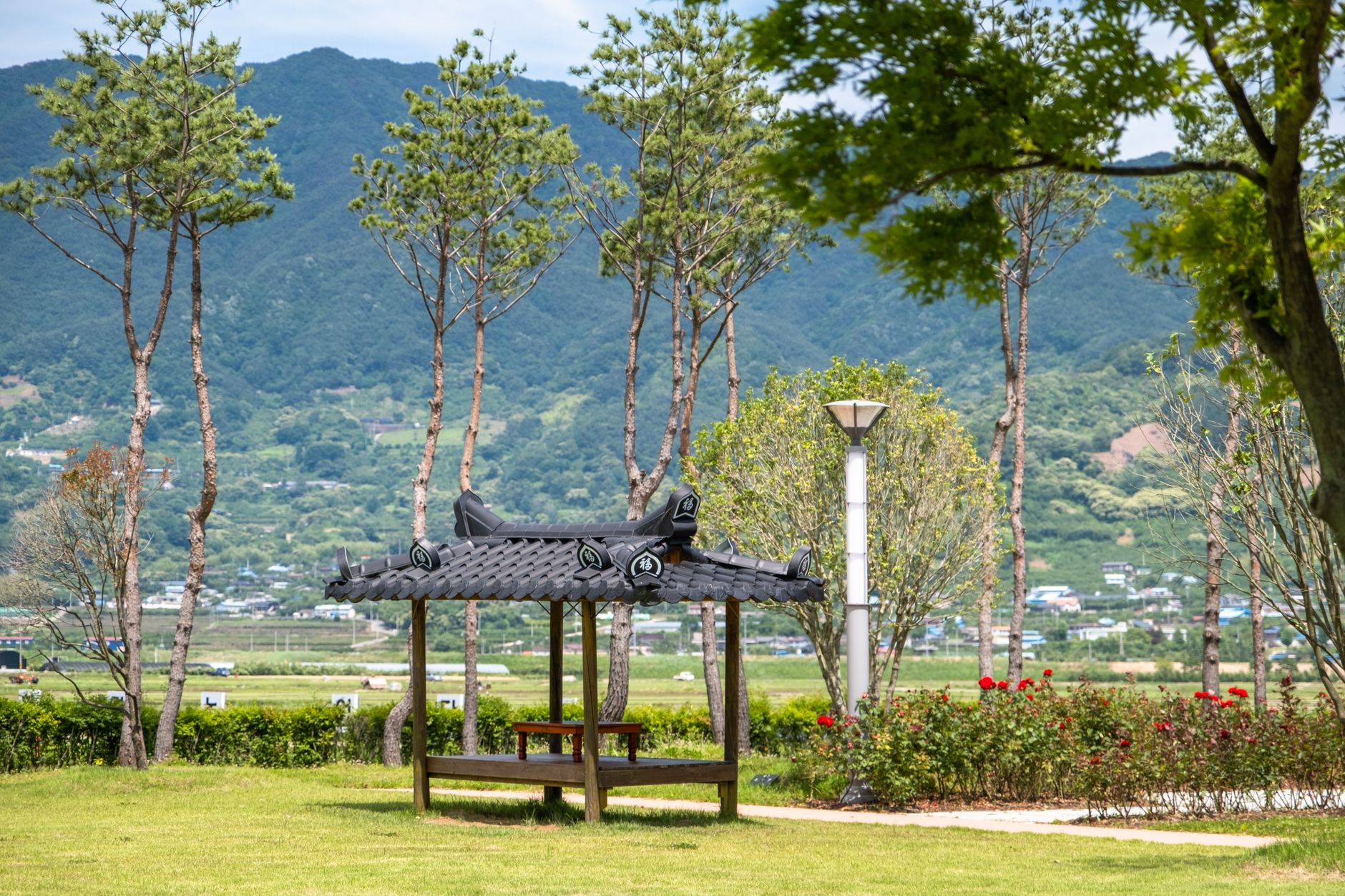


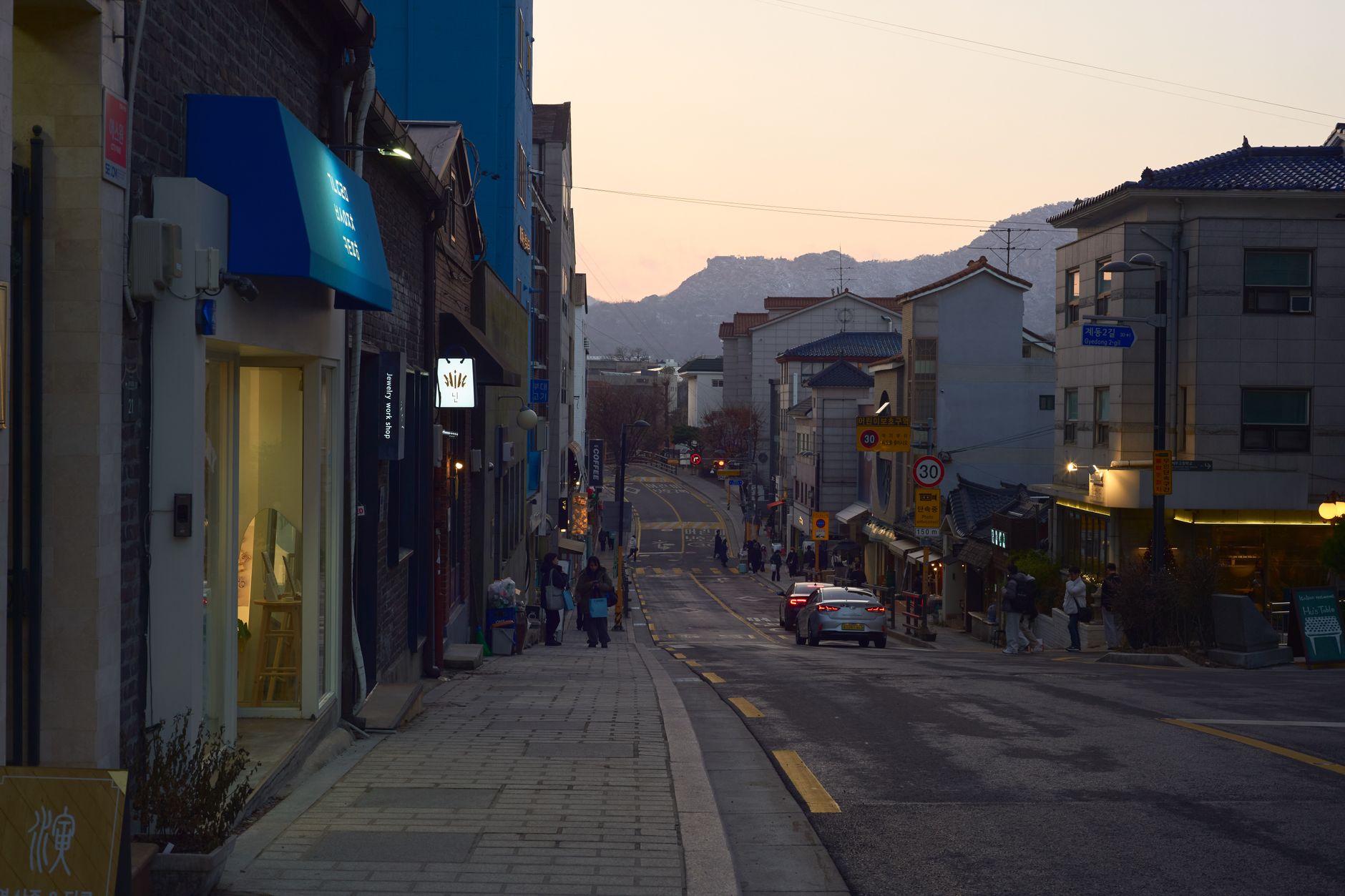
Mungyeong sits two hours southeast of Seoul by express bus, tucked beneath the granite ridges of the Sobaek Mountains. It is known across Korea for the ancient dirt pass of Mungyeong Saejae and pork fed on mineral-rich pegmatite stone. Mungyeong is worth visiting if you want to walk unpaved Joseon highway passes through three stone gates and eat grilled yakdol pork over hardwood charcoal. Look elsewhere if you need late-night drinking dens, dense museum clusters, or subways to get between sights.
Last updated 25 Sept 2026
Build a Mungyeong itinerary.
Choose up to 4 threads that pull you in. Your plan arrives organised around them.
The Bed
Where to stay in Mungyeong
Which part of town to book, and what each one costs you in walking, noise or quiet.
The Comparison
Mungyeong, or somewhere near it
The places you are realistically choosing between, and the honest case for each.
The Local Record
Where to read more about Mungyeong
The blogs, boards, guides and operators worth bookmarking.
What to do in Mungyeong Gyeongsangbuk-do South Korea
Days in Mungyeong divide neatly between the mountain pass at Saejae and the market hub of Jeomchon to the south. The rhythm here is unhurried: an early morning walk along the unpaved Joseon post road, a long lunch of stone-fed pork, and an afternoon poking around pottery kilns or mineral baths. It suits walkers, patient eaters, and travellers who prefer dirt paths and cold river gorges over urban rush.
24 hours in Mungyeong Gyeongsangbuk-do South Korea
Catch an early morning bus to Mungyeong Saejae. Walk three miles up to the second gate beneath pine canopies, then descend for lunch: yakdol samgyeopsal with pickled garlic at Saejae Sikdang. Spend your afternoon soaking at Mungyeong Oncheon before returning to Jeomchon. Select 1 Day above to see it.
2 days in Mungyeong Gyeongsangbuk-do South Korea
Devote the second morning to the pottery workshops around Danbong-ri and the coal heritage park at Ecoala. For lunch, seek out spicy freshwater fish maeuntang along the Yeonggang river, then ride the scenic rail bike through the old mining valley before dusk. Choose 2 Days to expand the plan.
3 days in Mungyeong Gyeongsangbuk-do South Korea
A third day allows a steep, demanding ascent of Juheulsan ridge or a venture west to the quiet stone stupas of Bongamsa in Gaeun. Linger over a hot pot of songi pine mushroom soup in a village canteen, taking your time on mountain backroads.
Mungyeong Gyeongsangbuk-do South Korea itineraries by interest
Mountain Trails in Mungyeong Gyeongsangbuk-do South Korea
Hike the red-clay track of Mungyeong Saejae through its three stone defense gates, or scramble up the granite slabs of Juheulsan.
Local Pork in Mungyeong Gyeongsangbuk-do South Korea
Order yakdol samgyeopsal, belly pork from pigs fed powdered pegmatite stone, grilled crisp over lump charcoal with salted sesame oil.
Fruit & Orchards in Mungyeong Gyeongsangbuk-do South Korea
Sample tart schisandra chinensis at Omija Wine Factory, where the five-flavor berries are fermented into dry sparkling and still wines.
Ceramic Traditions in Mungyeong Gyeongsangbuk-do South Korea
Visit traditional wood-fired mangdaengi climbing kilns in Danbong-ri, where potters shape Joseon-style buncheong bowls and white porcelain.
Hot Springs in Mungyeong Gyeongsangbuk-do South Korea
Soak in the alkaline and calcium-bicarbonate mineral waters of Mungyeong Hot Springs after a five-mile walk along the mountain pass.
Industrial Heritage in Mungyeong Gyeongsangbuk-do South Korea
Ride the underground shaft cart into the former Eunseong Coal Mine at Ecoala, then inspect miners' dormitories from the 1960s.
Historic Architecture in Mungyeong Gyeongsangbuk-do South Korea
Inspect the reconstructed stone ramparts, thatch outposts, and wooden gate towers at the first gate, Juheulgwan, built in 1708.
Market Stalls in Mungyeong Gyeongsangbuk-do South Korea
Browse dried wild deodeok roots, sun-dried red peppers, and jars of cured garlic at the traditional five-day market in Jeomchon.
Country Soups in Mungyeong Gyeongsangbuk-do South Korea
Slurp hot bowls of cheonggukjang and songi beoseot jeongol simmered with local pine mushrooms and fermented soybean paste near the trail.
Active Outdoors in Mungyeong Gyeongsangbuk-do South Korea
Pedal steel rail-bikes along the abandoned Gyeongbuk line tracks over the Yeonggang river gorge, or shoot clay targets at the range.
Film Sets in Mungyeong Gyeongsangbuk-do South Korea
Wander the full-scale open-air Joseon Dynasty palace and thatched village built inside the Saejae valley for period television dramas.
Temple Visits in Mungyeong Gyeongsangbuk-do South Korea
Climb through dense bamboo groves to Bongamsa on Huilyangsan, an ancient Nine Mountain Zen school monastery founded in 879.