Naxos.


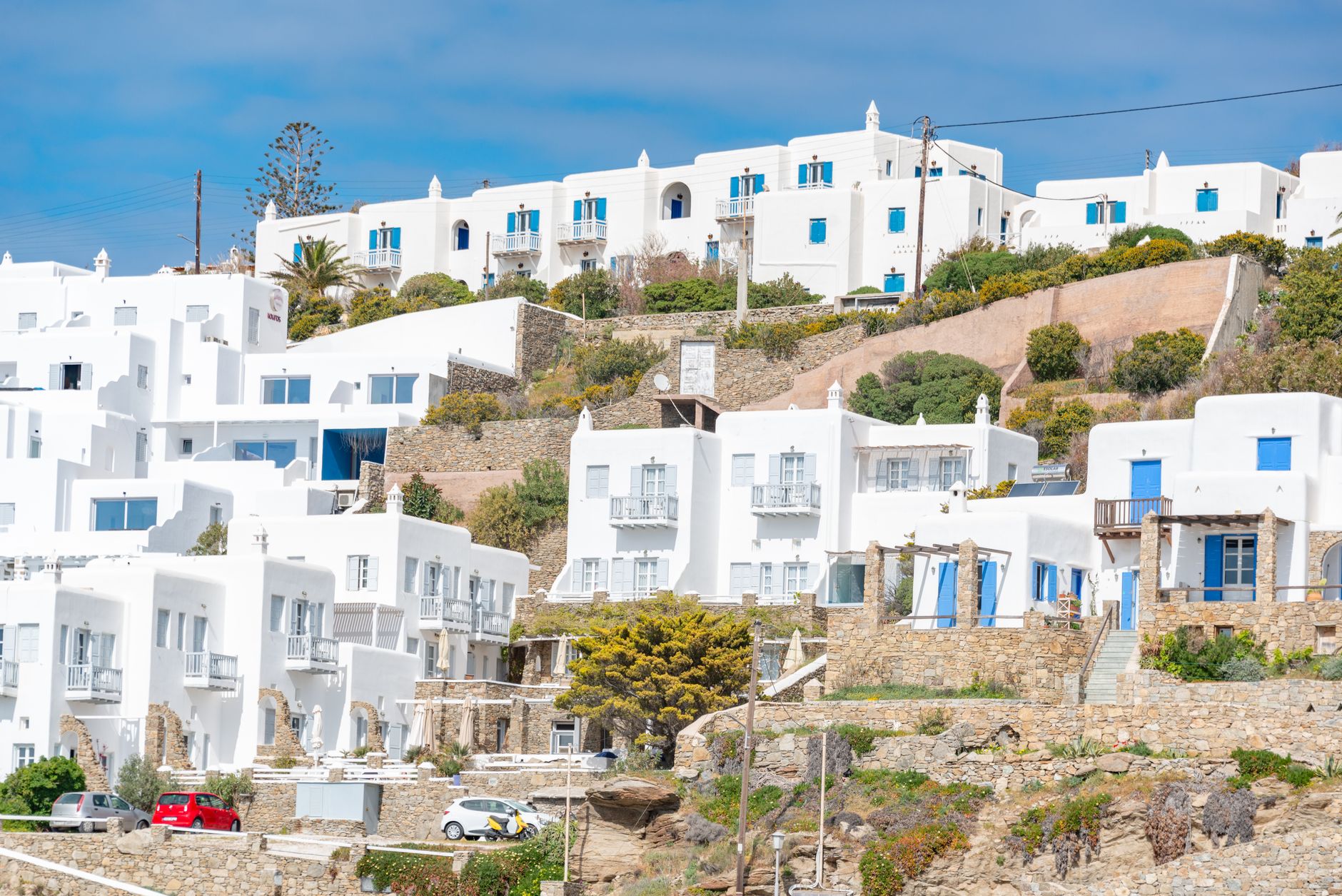
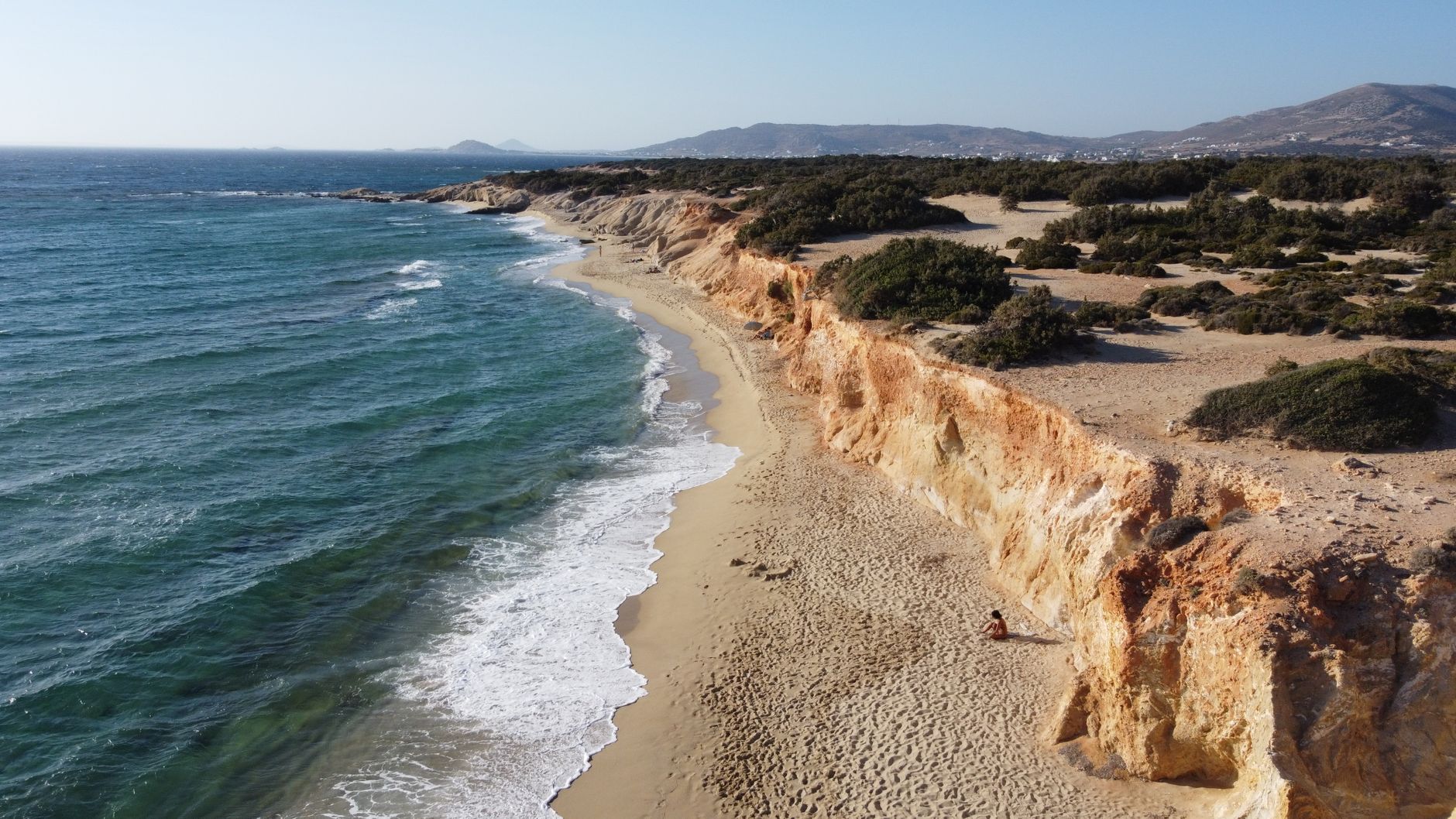
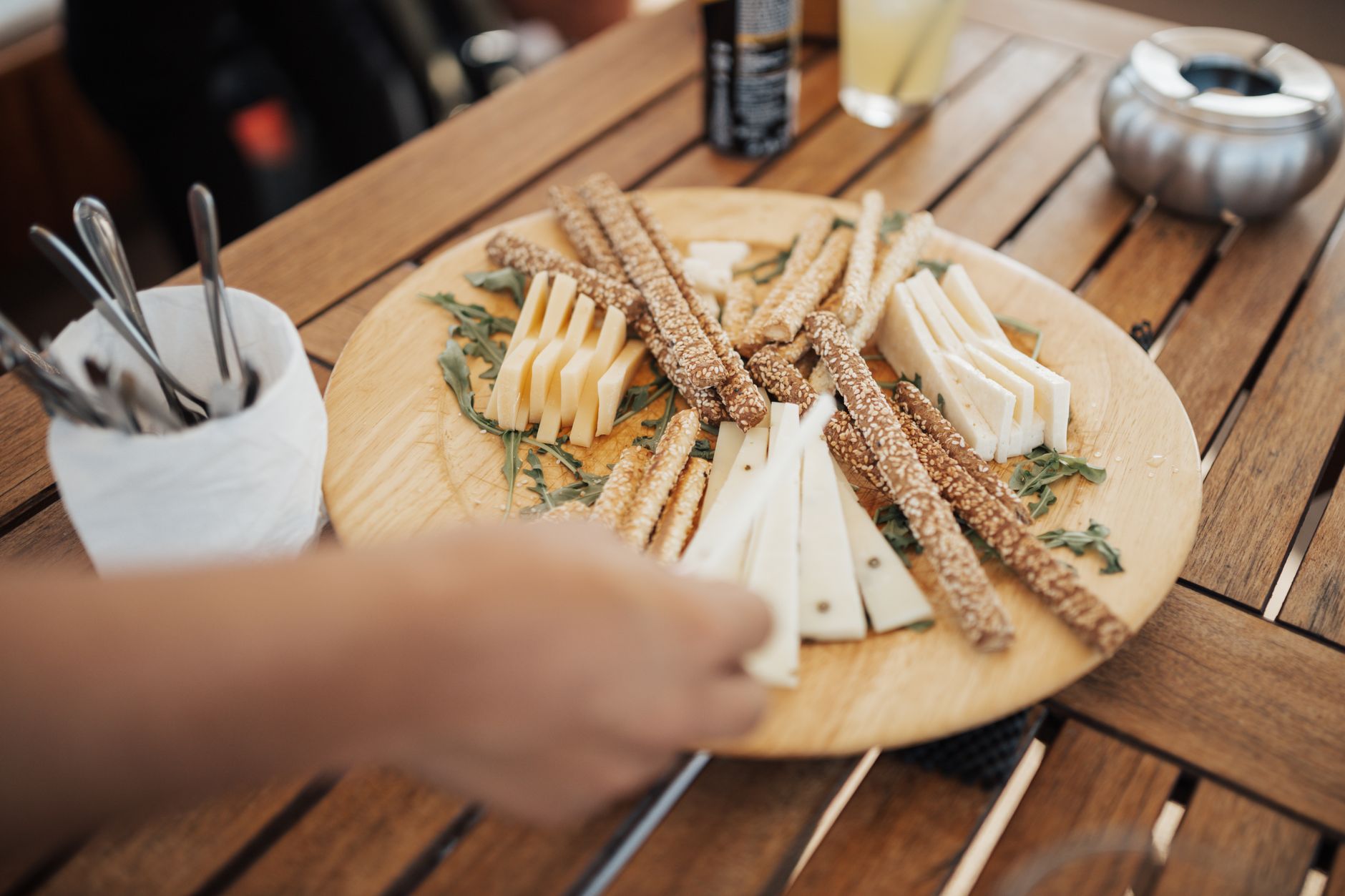

Naxos sits four hours south of Athens by ferry from Piraeus, or forty minutes by propeller plane. As the largest Cycladic island, it is known for fertile agricultural valleys, medieval Venetian bastions in Chora, and mountain villages growing their own produce. Naxos is worth visiting if you want mountain hiking between stone villages followed by island cheeses, roast kid goat, and uncrowded western sand beaches. Look elsewhere if you want high-octane luxury beach clubs, designer boutique shopping, or non-stop nightlife.
Last updated 2 Nov 2026
Build a Naxos itinerary.
Choose up to 4 threads that pull you in. Your plan arrives organised around them.
The Bed
Where to stay in Naxos
Which part of town to book, and what each one costs you in walking, noise or quiet.
The Comparison
Naxos, or somewhere near it
The places you are realistically choosing between, and the honest case for each.
The Local Record
Where to read more about Naxos
The blogs, boards, guides and operators worth bookmarking.
What to do in Naxos South Aegean Greece
Chora clusters around a 13th-century Venetian citadel, while the island's interior opens into olive groves and marble peaks. Mornings belong to shaded mountain squares or the western beaches, afternoons to long tavern lunches over potatoes and stewed goat, and sunsets to the marble gate of Apollo. It suits travellers who prefer walking boots and hearty plates over manicured resort loungers.
24 hours in Naxos South Aegean Greece
Start early at the Portara before the ferry crowds land, then wander the quiet staircases of the old Kastro. Catch the midday bus to Chalkio for lunch and kitron tasting, and return to Chora for grilled sardines and fried Naxian potatoes along the marina. Select 1 Day above to see it.
2 days in Naxos South Aegean Greece
Head deep into the interior on day two. Climb the marble steps of mountain Apeiranthos, stop for wood-fired goat in Koronos, and spend your late afternoon swimming off the long sands at Plaka, followed by a plate of Graviera cheese at a quiet beach tavern. Choose 2 Days to expand the plan.
3 days in Naxos South Aegean Greece
A third day allows for the slow trail from Melanes past the sleeping Kouros statues to Kinidaros, or an early ascent up Mount Zas. Finish with a late lunch of fresh fish on the pebble shore of Lionas, watching fishermen mend nets by the northern surf.
Naxos South Aegean Greece itineraries by interest
Local Cheeses in Naxos South Aegean Greece
Taste aged Graviera Naxou, fresh sweet Anthotyro, and peppery Kopanisti made from mountain cow and sheep milk at family creameries across the Tragea.
Village Dining in Naxos South Aegean Greece
Eat roasted goat in lemon sauce and wild hortopita under plane trees in Apeiranthos, Koronos, and Filoti, far from the waterfront tourist menus.
Mountain Trails in Naxos South Aegean Greece
Hike ancient marble mule paths connecting Kinidaros to Melanes, or climb Mount Zas from the spring at Aria through rocky, thyme-scented scrub.
Venetian Heritage in Naxos South Aegean Greece
Walk the 13th-century Kastro fortifications in Chora, past the Catholic Cathedral, family crests, and the tower of Crispi housing the museum.
Ancient Sanctuaries in Naxos South Aegean Greece
Visit the unfinished Temple of Apollo through the Portara arch at dusk, and see the sixth-century BC marble Temple of Demeter near Sangri.
Coastal Beaches in Naxos South Aegean Greece
Swim off the shallow sandy arcs of Plaka and Agios Prokopios, or head south to the wind-sculpted cedar dunes around secluded Alyko beach.
Local Distilleries in Naxos South Aegean Greece
Sample kitron, the island liqueur distilled from citron tree leaves, at the 1896 Vallindras distillery located right on Chalkio's main lane.
Harbour Seafood in Naxos South Aegean Greece
Order charred sun-dried octopus, grilled red mullet, and steamed wild greens at small family fish tavernas along the fishing port of Lionas.
Farm Produce in Naxos South Aegean Greece
Dig into dishes built on sweet Naxian potatoes, baked Melitzano-salata, local thyme honey, and fragrant sun-dried tomatoes from small plots.
Byzantine Churches in Naxos South Aegean Greece
Explore early Christian and Byzantine stone chapels in the olive groves of Tragea, especially Panagia Drosiani with sixth-century frescoes.
Quarry Sculptures in Naxos South Aegean Greece
Walk among ancient marble quarries in Apollonas and Melanes to inspect gigantic, half-carved kouros statues abandoned in situ since 600 BC.
Water Sports in Naxos South Aegean Greece
Catch steady summer Meltemi winds for windsurfing and kitesurfing over the turquoise shallows and sandbars at Mikri Vigla and Laguna.