.jpg)


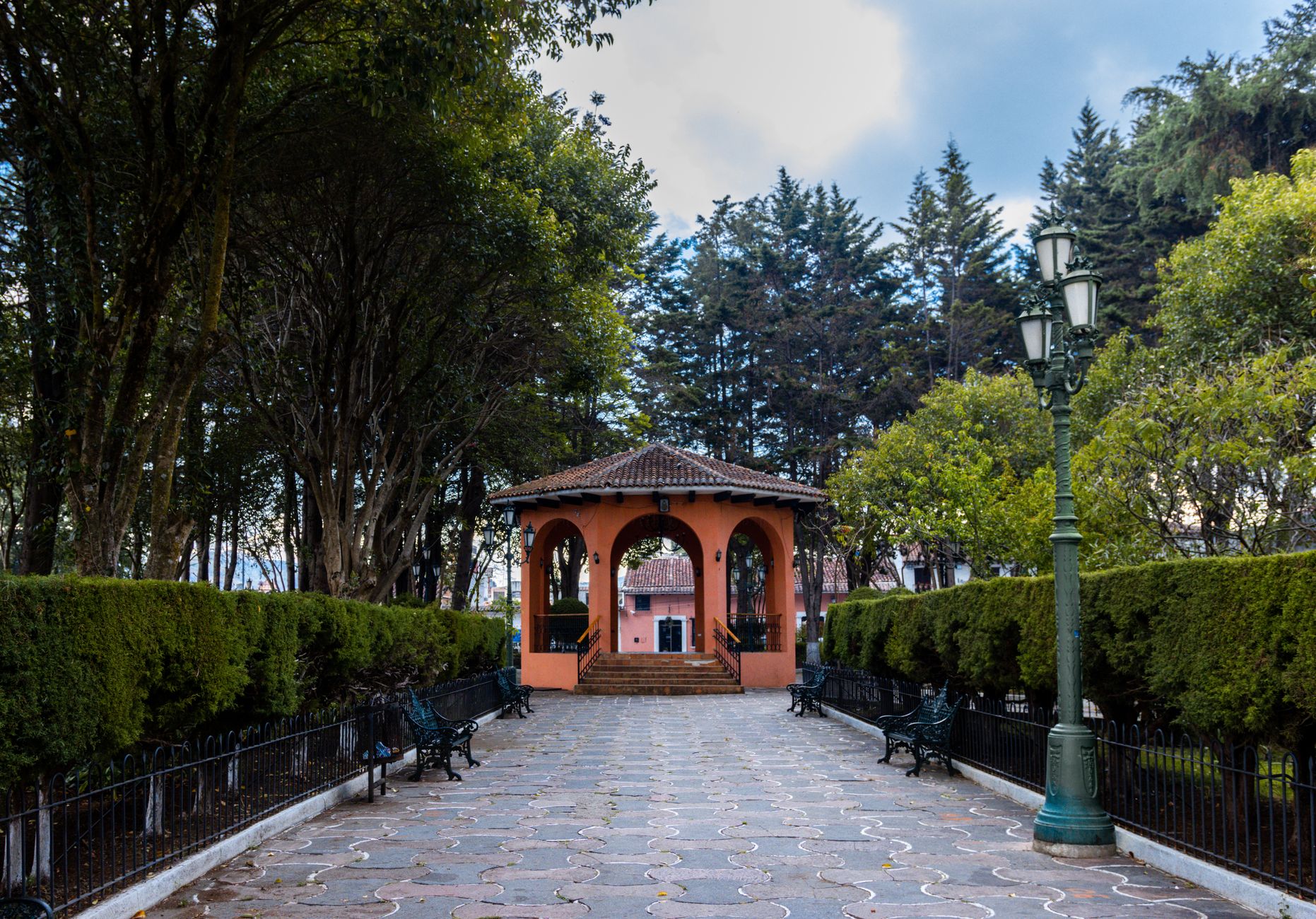

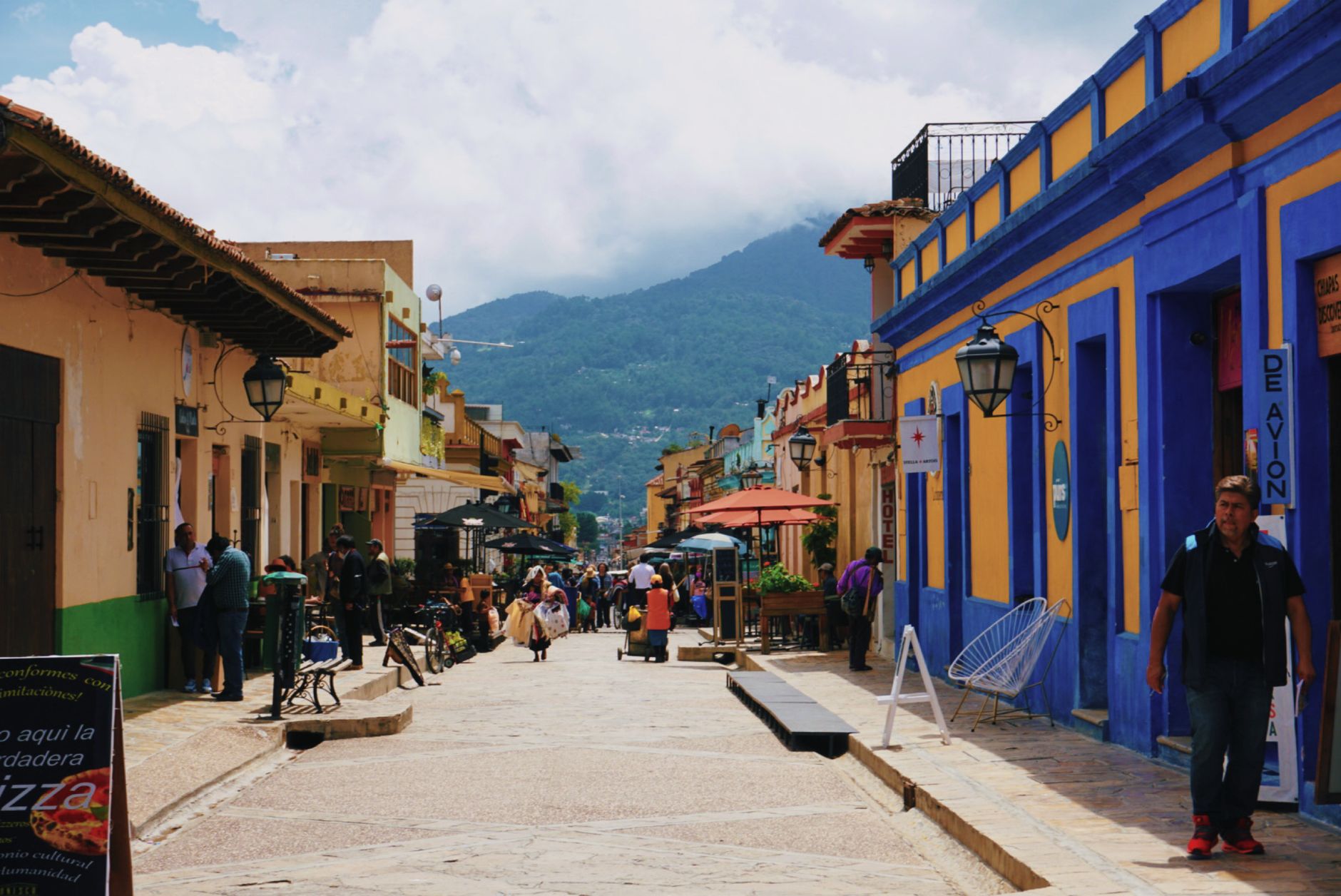
At 2,200 metres, the air hits your chest with a brisk mountain bite while woodsmoke curls over red-tile roofs. The town unfurls along stone streets paved under Spanish orders in the 1520s, now flanked by Tzotzil weavers, coffee roasters, and courtyard cafes. You walk uphill past the ochre facade of Santo Domingo to catch your breath, realizing the altitude does half the work. It is Chiapas at its most grounded.
Last updated 28 Aug 2026
Build a San Cristóbal de las Casas itinerary.
Choose up to 4 threads that pull you in. Your plan arrives organised around them.
The Bed
Where to stay in San Cristóbal de las Casas
Which part of town to book, and what each one costs you in walking, noise or quiet.
The Comparison
San Cristóbal de las Casas, or somewhere near it
The places you are realistically choosing between, and the honest case for each.
The Local Record
Where to read more about San Cristóbal de las Casas
The blogs, boards, guides and operators worth bookmarking.
What to do in San Cristóbal de las Casas Chiapas Mexico
Life here orbits the Zócalo and the twin pedestrian corridors of Real de Guadalupe and Calle 20 de Noviembre. Mornings belong to market stalls and strong black Chiapaneco brew; afternoons slide into quiet courtyards and textile hunting before the mountain chill sets in. It suits travelers who value slow walking, exceptional regional cooking, and unvarnished indigenous culture over resort polish.
24 hours in San Cristóbal de las Casas Chiapas Mexico
Start early with tamales de chipilín at Mercado Viejo, then climb the stairs to Iglesia de Guadalupe for clear morning valley views. Spend the midday admiring Santo Domingo and its textile museum. Dine on smoked pork tascalate stew off Real de Guadalupe, ending with pox at a quiet bar. Select 1 Day above to see it.
2 days in San Cristóbal de las Casas Chiapas Mexico
Take a morning collectivo to San Juan Chamula to observe its extraordinary candlelit church rites. Continue to nearby Zinacantán to see home weavers at work, then return to town for a late lunch of fresh trout and Chiapas cheeses in the leafy Barrio de Santa Lucía. Choose 2 Days to expand the plan.
3 days in San Cristóbal de las Casas Chiapas Mexico
Day three lets you hire a van down to Chiapa de Corzo for a boat trip along the towering cliffs of Cañón del Sumidero. Return in time for a slow afternoon among the cloud-forest orchids at Moxviquil, followed by coffee and dark Soconusco chocolate on Plaza 31 de Marzo.
San Cristóbal de las Casas Chiapas Mexico itineraries by interest
Local Coffee in San Cristóbal de las Casas Chiapas Mexico
Sip washed Bourbon and Typica beans roasted fresh across Barrio del Cerrillo, sourced directly from smallholder co-ops in the surrounding Chiapas highlands.
Market Cooking in San Cristóbal de las Casas Chiapas Mexico
Head to Mercado Municipal for bowls of caldo de gallina, beef cocido, and fresh tortillas pressed on cast iron comales by highland cooks.
Textile Traditions in San Cristóbal de las Casas Chiapas Mexico
Watch master weavers work backstrap looms with raw wool and plant dyes at Centro de Textiles del Mundo Maya inside the Santo Domingo convent.
Sacred Architecture in San Cristóbal de las Casas Chiapas Mexico
Study the ornate 16th-century stucco facade of Templo de Santo Domingo and the wooden Mudéjar ceiling inside the Church of San Francisco.
Regional Spirits in San Cristóbal de las Casas Chiapas Mexico
Sample pox, the traditional Tzotzil cane and corn liquor, neat or infused with regional fruits in small bars along Real de Guadalupe.
Day Trips in San Cristóbal de las Casas Chiapas Mexico
Take a twenty-minute collectivo out to San Juan Chamula to witness the pine-needle floors, copal incense, and syncretic rites of the central church.
Street Snacks in San Cristóbal de las Casas Chiapas Mexico
Seek out tamales de bola wrapped in fresh corn husks, sweet chalupas, and cups of warm atole sold on evening corners near Plaza 31 de Marzo.
Amber & Minerals in San Cristóbal de las Casas Chiapas Mexico
Browse raw and carved fossilized resin from Simojovel mines in the workshops along Calle Diego de Mazariegos and the dedicated amber museum.
Town Views in San Cristóbal de las Casas Chiapas Mexico
Climb the stone steps to the Church of San Cristóbal Mártir or Iglesia de Guadalupe for wide panoramas over the valley and red tile roofs.
River Canyons in San Cristóbal de las Casas Chiapas Mexico
Board a motor launch at Chiapa de Corzo to run the Grijalva River through the thousand-metre vertical walls of Cañón del Sumidero.
Indigenous Craft in San Cristóbal de las Casas Chiapas Mexico
Browse unglazed clay pottery, hand-embroidered blouses, and woven wool skirts sold directly by artisans in the courtyards of Zinacantán.
Highland Walks in San Cristóbal de las Casas Chiapas Mexico
Wander shaded pine trails and orchid nurseries at Orquídeas Moxviquil, just a twenty-minute walk north of the town center.