.jpeg)

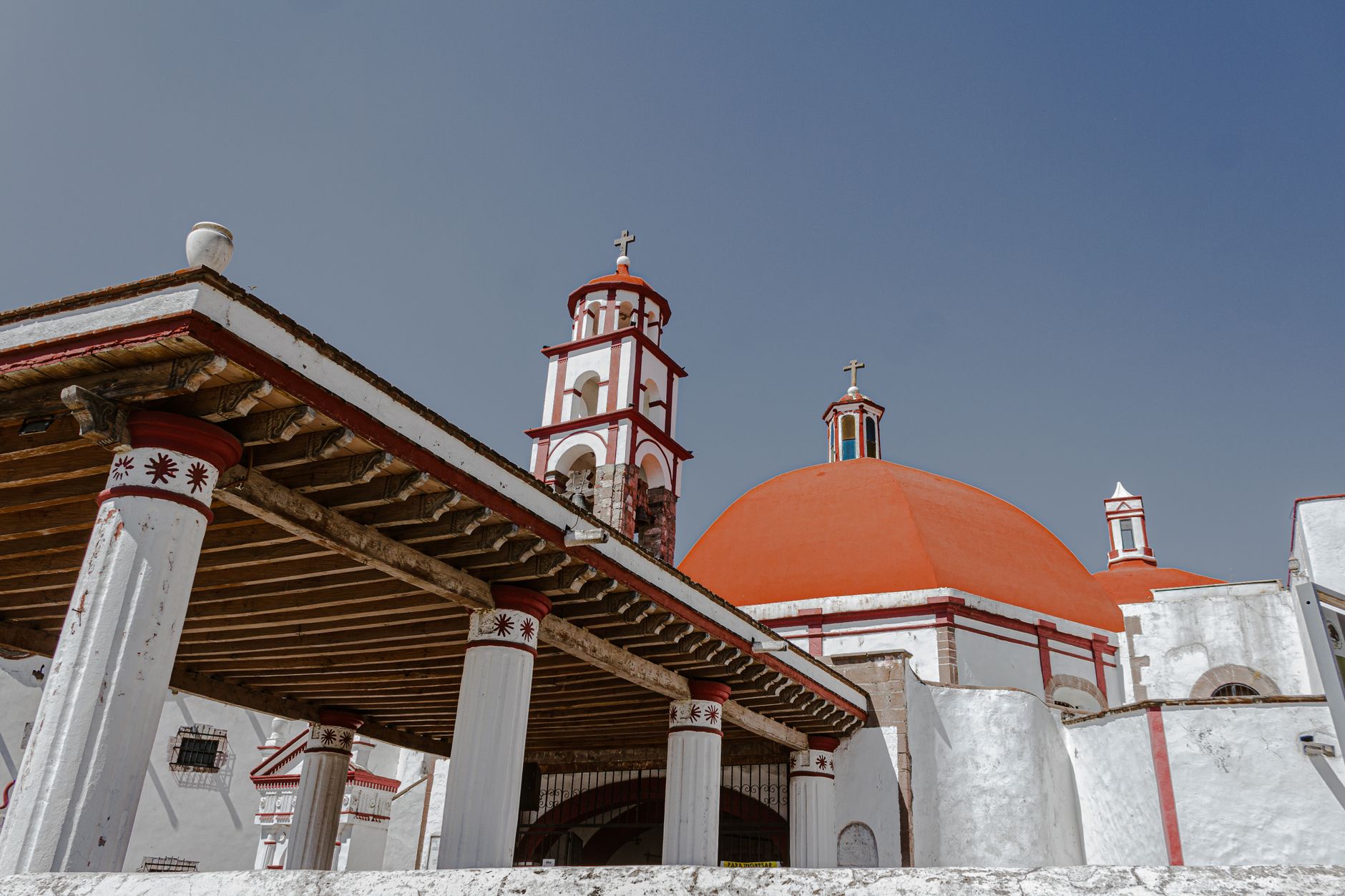


Oaxaca de Juárez sits in the Central Valleys, six hours south of Mexico City by road or a one-hour flight. It is renowned for complex regional moles, artisanal mezcal distillation, and pre-Hispanic Zapotec heritage. Oaxaca de Juárez is worth visiting if you want to study indigenous cooking, taste wild-agave mezcal at small palenques, and walk limestone streets between sixteenth-century churches. Look elsewhere if you require coastal resort amenities, fast transit, or modern nightlife.
Last updated 13 Oct 2026
Build a Oaxaca de Juárez itinerary.
Choose up to 4 threads that pull you in. Your plan arrives organised around them.
The Bed
Where to stay in Oaxaca de Juárez
Which part of town to book, and what each one costs you in walking, noise or quiet.
The Comparison
Oaxaca de Juárez, or somewhere near it
The places you are realistically choosing between, and the honest case for each.
The Local Record
Where to read more about Oaxaca de Juárez
The blogs, boards, guides and operators worth bookmarking.
What to do in Oaxaca de Juárez Oaxaca Mexico
Life in Oaxaca de Juárez centres on its leafy Zócalo and the pedestrian corridor of Calle Macedonio Alcalá. Days begin early in market stalls over hot chocolate and tamales, slow down through the midday heat in shady courtyards, and pick up again as evening smoke rises from comals. It suits travellers who appreciate layered culinary traditions, walking uneven cobblestone streets, and taking time to understand indigenous craft culture.
24 hours in Oaxaca de Juárez Oaxaca Mexico
Spend the morning at Mercado 20 de Noviembre ordering grilled cecina in the Pasillo de Humo. Walk five blocks north along Calle Alcalá to Templo de Santo Domingo, then finish with a slow dinner of mole negro and an unaged espadín mezcal near Plaza de la Danza. Select 1 Day above to see it.
2 days in Oaxaca de Juárez Oaxaca Mexico
Head twenty minutes uphill to the ancient Zapotec plaza of Monte Albán before the sun peaks. Return for lunch in quiet Barrio de Jalatlaco, then spend the afternoon browsing printmaking studios and tasting seasonal yellow mole at a family-run fonda. Choose 2 Days to expand the plan.
3 days in Oaxaca de Juárez Oaxaca Mexico
A third day allows an unhurried trip east into the Tlacolula Valley. Stop for sheep-milk cheese and barbacoa at a village market, watch master weavers work with indigo in Teotitlán del Valle, and visit a roadside palenque to see agave hearts roasting underground.
Oaxaca de Juárez Oaxaca Mexico itineraries by interest
Markets & Produce in Oaxaca de Juárez Oaxaca Mexico
Walk Mercado 20 de Noviembre for smoke-alley tasajo, Mercado Benito Juárez for quesillo, and Central de Abastos for mountain herbs and cacao beans.
Regional Spirits in Oaxaca de Juárez Oaxaca Mexico
Sample artisanal mezcal distilled from wild tobalá, tepeztate, and espadín agaves in clay pots across Matatlán and downtown tasting rooms.
Archaeology & Ruins in Oaxaca de Juárez Oaxaca Mexico
Climb the terraced Zapotec temples of Monte Albán overlooking the valley, or study intricate geometric stone fretwork at the tombs of Mitla.
Craft Traditions in Oaxaca de Juárez Oaxaca Mexico
Watch pedal-loom wool weaving in Teotitlán del Valle, cochineal dye extraction, and barro negro black pottery wheelwork in San Bartolo Coyotepec.
Street Food in Oaxaca de Juárez Oaxaca Mexico
Crisp tlayudas folded over asiento and refried black beans, steamed tamales wrapped in banana leaves, and bowls of tetelas blistered on dry comals.
Sacred Architecture in Oaxaca de Juárez Oaxaca Mexico
Study the gilded Baroque interior of sixteenth-century Templo de Santo Domingo de Guzmán and stone arches at the Basílica de la Soledad.
Traditional Cooking in Oaxaca de Juárez Oaxaca Mexico
Taste mole negro, chichilo, and coloradito simmered for days with dried chiles, chocolate, plantains, and charred tortillas across family fondas.
Botanical Gardens in Oaxaca de Juárez Oaxaca Mexico
Take the morning tour through Jardín Etnobotánico to see hundreds of native Oaxaca cacti, agave species, and medicinal plants behind convent walls.
Local Chocolate in Oaxaca de Juárez Oaxaca Mexico
Grind roasted Criollo cacao beans with Mexican cinnamon and almonds on Calle Mina for bowls of foaming hot chocolate water and pan de yema.
Contemporary Art in Oaxaca de Juárez Oaxaca Mexico
Visit Museo de Arte Contemporáneo and Graphic Arts Institute of Oaxaca (IAGO) to view regional printmaking, lithographs, and modern textiles.
Day Trips in Oaxaca de Juárez Oaxaca Mexico
Swim in mineral calcified springs at Hierve el Agua, stand beside the ancient Tule cypress tree, and visit Sunday village markets in Tlacolula.
Neighbourhood Walks in Oaxaca de Juárez Oaxaca Mexico
Stroll cobblestone alleys of Barrio de Jalatlaco and Barrio del Fortín, noting stone aqueducts, bright bougainvillea, and quiet public squares.