Zagora.
_(4).jpg)



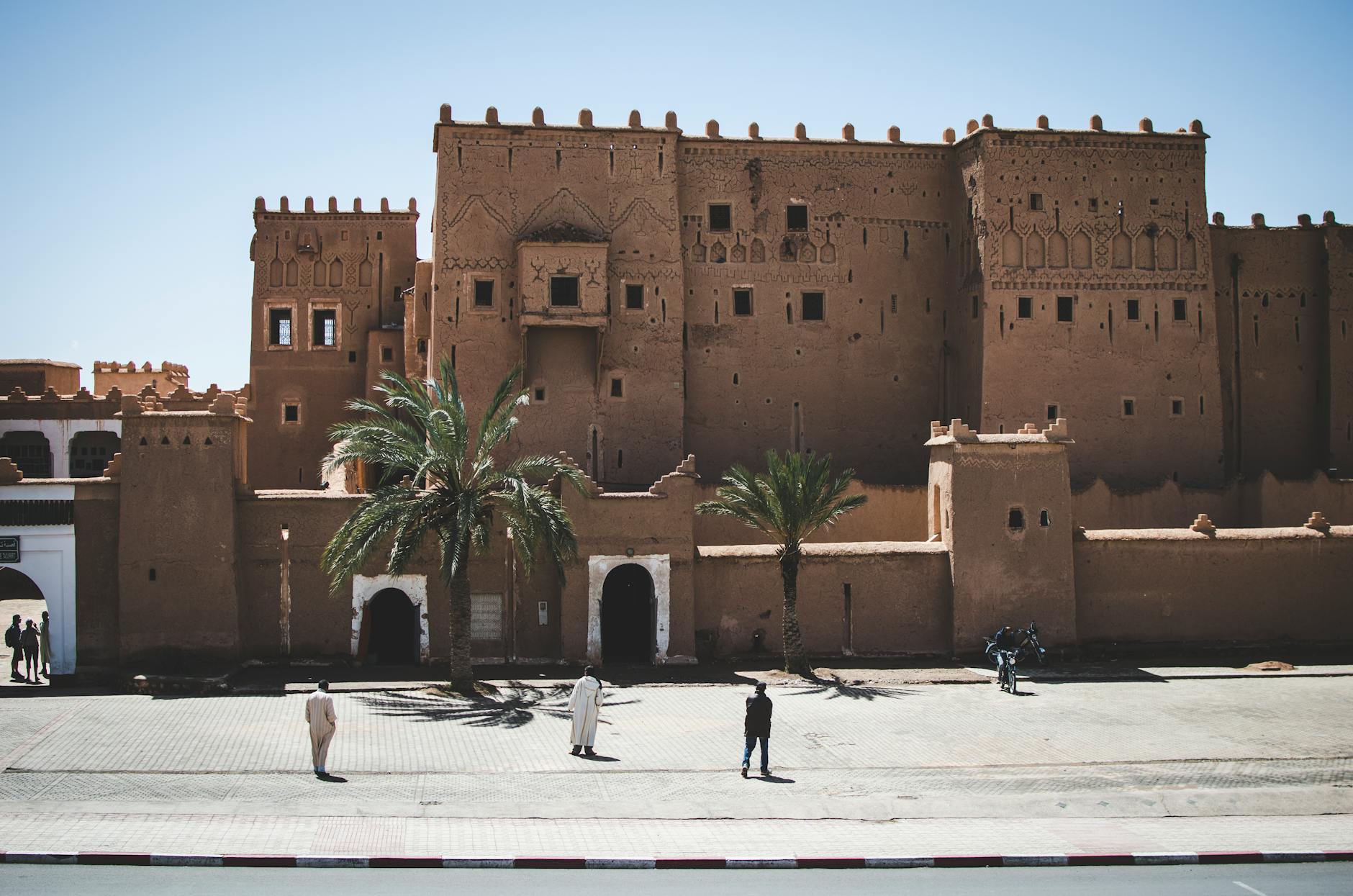
Zagora sits 160 kilometres southeast of Ouarzazate, reachable in under four hours by car along the N9 over the Tizi n'Tinififft pass. It is known for its vast date palm groves along the Drâa River and as the historic staging post marked by the iconic Timbuktu caravan sign. Zagora is worth visiting if you want to explore mud-brick ksour, eat slow-braised camel tagine, and trace old trade tracks. Look elsewhere if you want slick nightlife, alpine greenery, or a dense museum district.
Last updated 15 Sept 2026
Build a Zagora itinerary.
Choose up to 4 threads that pull you in. Your plan arrives organised around them.
The Bed
Where to stay in Zagora
Which part of town to book, and what each one costs you in walking, noise or quiet.
The Comparison
Zagora, or somewhere near it
The places you are realistically choosing between, and the honest case for each.
The Local Record
Where to read more about Zagora
The blogs, boards, guides and operators worth bookmarking.
What to do in Zagora Drâa & Tafilalet Morocco
Zagora is a low-slung, wide-streeted garrison town that stretches alongside Morocco's longest palm oasis. The town rhythm is dictated by the sun: early mornings belong to the shaded palmeraie and the souk, midday is for resting in the shade of mud-brick walls, and late afternoons draw locals out along Boulevard Mohammed V for mint tea. It suits independent travellers who appreciate desert geography, ancient trade history, and unvarnished southern pacing.
24 hours in Zagora Drâa & Tafilalet Morocco
Start before breakfast with a steady one-hour walk up Jbel Zagora for the sunrise. Spend the late morning walking the quiet alleyways of Ksar Amezrou, stop at a roadside café for charcoal-grilled kefta and fresh dates, and end the evening inspecting the famous Timbuktu sign on Avenue Hassan II as the desert wind cools the pavement. Select 1 Day above to see it.
2 days in Zagora Drâa & Tafilalet Morocco
A second day lets you drive twenty kilometres south to Tamegroute. Spend the morning examining fourteenth-century manuscripts at the Zaouia Naciria library, then watch potters throwing distinct green-glaze stoneware in underground pits. Return to Zagora for a dinner of slow-steamed camel tagine with almonds and prunes. Choose 2 Days to expand the plan.
3 days in Zagora Drâa & Tafilalet Morocco
With three days, venture north along the Drâa River to explore the multi-storey earthen towers of Kasbah Tamnougalt near Agdz. Alternatively, hire a driver and take the southern piste past M'Hamid toward the rolling dunes of Erg Chigaga, taking time to watch the sun drop over the stone desert plateau without rushing back.
Zagora Drâa & Tafilalet Morocco itineraries by interest
Local Cuisine in Zagora Drâa & Tafilalet Morocco
Seek out slow-cooked camel tagine with prunes, medfouna stuffed flatbreads, and harira served with sticky Majhool dates from the palmeraie.
Markets & Produce in Zagora Drâa & Tafilalet Morocco
Wander the Wednesday and Sunday souks along Boulevard Mohammed V for woven palm baskets, cumin, dried mint, and sacks of fresh Boufeggous dates.
Vernacular Architecture in Zagora Drâa & Tafilalet Morocco
Explore the earthen ramparts of Ksar Amezrou and Ksar Tissergate, built from sun-dried mud, straw, and palm trunks to deflect the desert sun.
Craft Traditions in Zagora Drâa & Tafilalet Morocco
Visit nearby Tamegroute to watch artisans glaze green pottery in wood-fired earthen kilns and hand-spin wool carpets on vertical wooden looms.
Sacred Architecture in Zagora Drâa & Tafilalet Morocco
Tour the seventeenth-century Zaouia Naciria library in Tamegroute, housing illuminated Quranic manuscripts written on gazelle-skin parchment.
Desert Routes in Zagora Drâa & Tafilalet Morocco
Head south past M'Hamid El Ghizlane toward the Erg Chigaga dunes, tracing ancient trans-Saharan camel caravan routes across hard-packed reg.
Hiking in Zagora Drâa & Tafilalet Morocco
Climb the rocky switchbacks of Jbel Zagora early in the morning for wide views across the Drâa ribbon of palms and the ruins of an Almoravid fort.
Palmeraie Walks in Zagora Drâa & Tafilalet Morocco
Follow dirt irrigation paths through the Amezrou date groves, shaded beneath date palms, pomegranate trees, and plots of alfalfa and mint.
History & Heritage in Zagora Drâa & Tafilalet Morocco
Inspect the faded 52-day Timbuktu sign on Avenue Hassan II and visit the Musée des Arts et Traditions de la Vallée du Drâa in Tissergate.
Street Food in Zagora Drâa & Tafilalet Morocco
Order charcoal-grilled lamb brochettes, crisp msemmen pancakes, and hot mint tea sweetened with date syrup at stalls off the central roundabout.
Stargazing in Zagora Drâa & Tafilalet Morocco
Drive ten minutes outside the town grid onto the dry stone plateau of the Fezouata basin for unpolluted views of the Milky Way and desert sky.
Day Trips in Zagora Drâa & Tafilalet Morocco
Follow the N9 north through the dramatic Draa canyon toward Agdz, stopping at Kasbah Tamnougalt and roadside date stands along the riverbank.