
,_Chania,_Hafen_--_2023_--_8532.jpg)
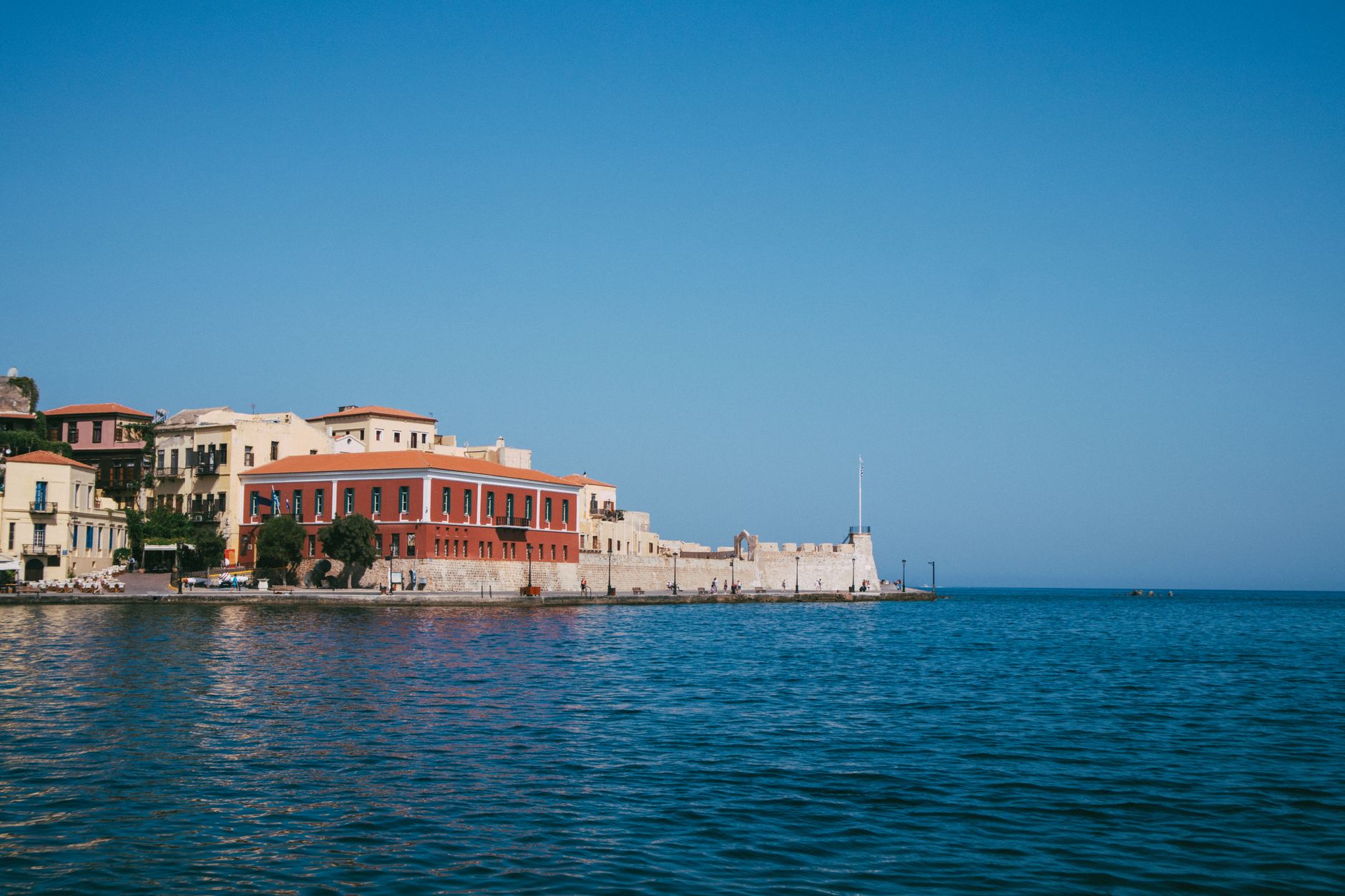
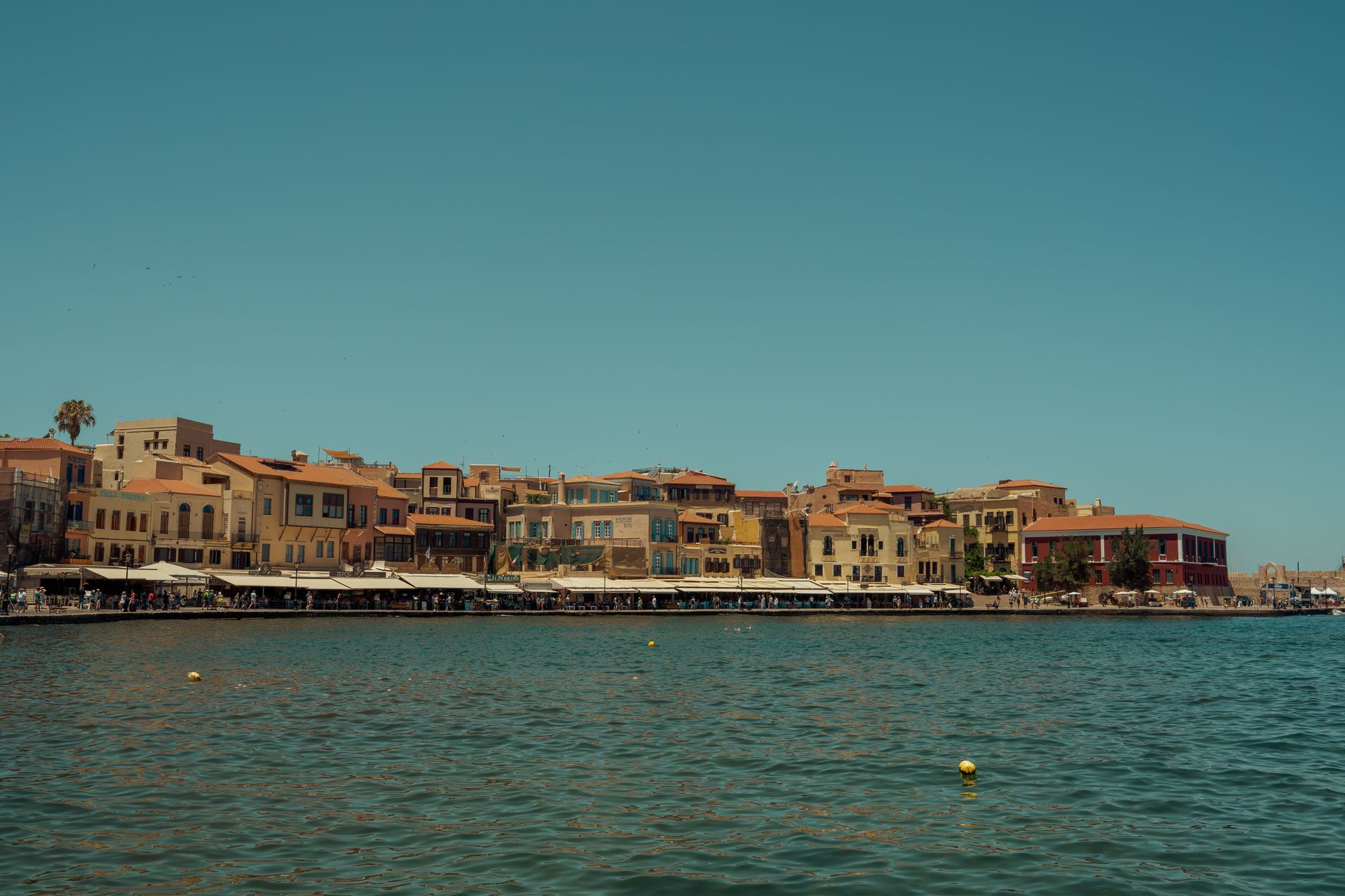


Morning light hits the pink sandstone of the Venetian mole while fishing skiffs tie up along Akti Tompazi. Chania wears its overlapping layers openly: a fourteenth-century harbour wall, an Ottoman dome by the water, and narrow lanes in Topanas where bougainvillea spills over crumbling stonework. It is a working town anchored by olive oil, wild mountain greens called horta, and carafes of chilled tsikoudia poured unasked at the end of every decent meal.
Last updated 28 Aug 2026
Build a Chania itinerary.
Choose up to 4 threads that pull you in. Your plan arrives organised around them.
The Bed
Where to stay in Chania
Which part of town to book, and what each one costs you in walking, noise or quiet.
The Comparison
Chania, or somewhere near it
The places you are realistically choosing between, and the honest case for each.
The Local Record
Where to read more about Chania
The blogs, boards, guides and operators worth bookmarking.
What to do in Chania Crete Greece
Chania splits naturally between its dense Venetian quarter, the Turkish alleys of Splantzia, and the modern city behind them. Days settle into an easy rhythm of morning espresso, quiet museum visits, afternoon swims along the Akrotiri peninsula, and long dinners in shaded courtyards. It suits travellers who appreciate layered history, straightforward mountain cooking, and walking without a rigid itinerary.
24 hours in Chania Crete Greece
Start early at the lighthouse before the tour groups arrive, then wander the quiet lanes of Topanas. Grab a bougatsa breakfast on Apokoronou, spend the afternoon at the Maritime Museum in Firka Fortress, and finish with lamb cooked with stamnagathi greens on Daliani Street. Select 1 Day above to see it.
2 days in Chania Crete Greece
Spend your second morning exploring Halepa to see Eleftherios Venizelos's house and the old leather tanneries of Tabakaria. After lunch at a seaside fish taverna in Nea Chora, take an afternoon drive out to the monasteries of the Akrotiri peninsula for sea views and silence. Choose 2 Days to expand the plan.
3 days in Chania Crete Greece
A third day allows an early departure for the dramatic limestone walls of Samaria or Imbros Gorge, finishing with a swim on the southern coast. Alternatively, head west to the wild lagoons of Balos and Kissamos, returning to town for grilled octopus and a nightcap in Splantzia square.
Chania Crete Greece itineraries by interest
Local Seafood in Chania Crete Greece
Order grilled red mullet (barbouni) and braised cuttlefish with wild fennel along the quayside tavernas near Nea Chora beach.
Markets & Produce in Chania Crete Greece
Taste sheep's milk graviera, pickled sea fennel, and cured apaki pork at the stalls and delis along Mousouron and Skridlof streets.
Maritime History in Chania Crete Greece
Explore the 14th-century Venetian Arsenals and the restored lighthouse overlooking the harbor from the western breakwater promenade.
Street Food in Chania Crete Greece
Pick up freshly baked kalitsounia pastries stuffed with sweet mizithra cheese and wild mountain greens from bakeries on Chatzimichali Daliani.
Wine & Vineyards in Chania Crete Greece
Sample crisp Vidiano and earthy Romeiko reds at family-run cellars throughout the rolling foothills of Platanias and Kissamos.
Sacred Architecture in Chania Crete Greece
Visit the 17th-century Mosque of the Janissaries on the port and the quiet courtyard of the Catholic Church of Saint Roch in Splantzia.
Hiking in Chania Crete Greece
Walk the 16-kilometre descent through Samaria Gorge or the shorter, fragrant trail across Imbros Gorge down to the Libyan Sea.
Beaches in Chania Crete Greece
Swim the calm, clear waters at Stavros lagoon or head west to the pink-tinged shell sands and shallow turquoise waters of Elafonisi.
Craft Traditions in Chania Crete Greece
Watch knifemakers forge traditional Cretan daggers with horn handles and rhyming folk couplets engraved on Sifaka Street.
Coastal Walks in Chania Crete Greece
Trace the ramparts from the Firka Fortress around to the quiet eastern coves of Tabakaria, past former 19th-century leather tanneries.
Archaeology in Chania Crete Greece
Examine Minoan pottery and Roman floor mosaics in the sleek Archaeological Museum of Chania located in the Halepa district.
Day Trips in Chania Crete Greece
Drive the winding mountain route to the botanical park of Fournes or take the ferry to the historic islet fortress of Gramvousa.