Parikia.


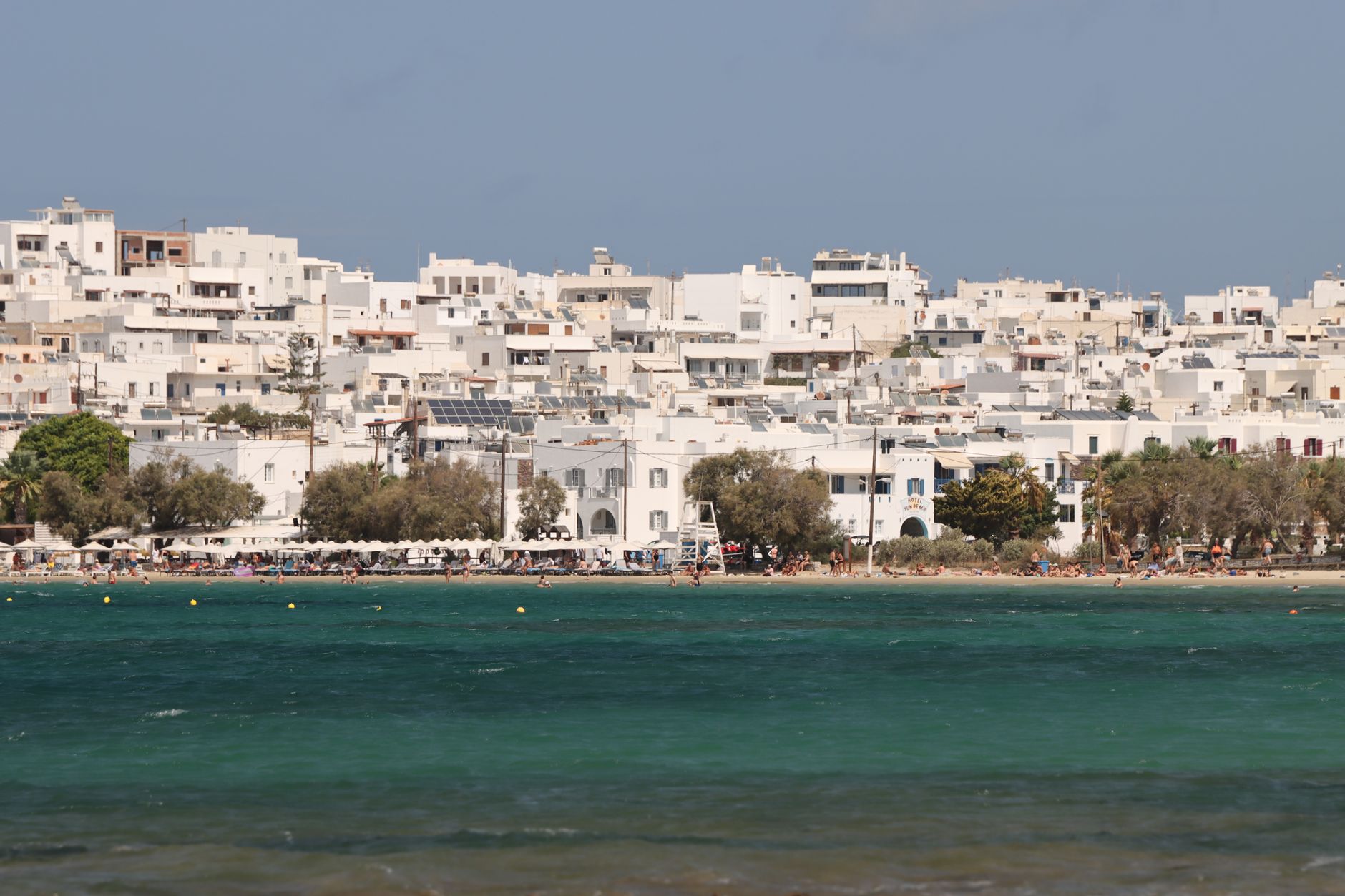

Parikia sits on the western coast of Paros, three hours by ferry from Piraeus and ten minutes from the island airport. It is known for the sixth-century church of Panagia Ekatontapyliani and whitewashed alleys wrapped around a thirteenth-century Venetian fortress. Parikia is worth visiting if you want ancient history alongside working fishing boats, clay-pot chickpea stews, and quiet backstreets. Look elsewhere if you want secluded sandbanks right outside your room or round-the-clock mega-clubs.
Last updated 10 Nov 2026
Build a Parikia itinerary.
Choose up to 4 threads that pull you in. Your plan arrives organised around them.
The Bed
Where to stay in Parikia
Which part of town to book, and what each one costs you in walking, noise or quiet.
The Comparison
Parikia, or somewhere near it
The places you are realistically choosing between, and the honest case for each.
The Local Record
Where to read more about Parikia
The blogs, boards, guides and operators worth bookmarking.
What to do in Parikia South Aegean Greece
Parikia circles a busy natural bay, balancing ferry logistics with unhurried island habits. The day starts around the shaded courtyards of Panagia Ekatontapyliani and the quiet market street of the Agora, shifts to lazy lunches near the port, and settles on the sunset promenade. It suits independent travellers who enjoy walking everywhere on foot, studying ancient stones embedded in whitewashed houses, and eating simple regional dishes without fuss.
24 hours in Parikia South Aegean Greece
Spend the morning exploring Panagia Ekatontapyliani and the Frankish Castle ruins in the Kastro district. Stop for clay-baked chickpeas and a cold beer at a taverna along Market Street. In the late afternoon, take the flat twenty-minute walk around the bay to Livadia for a swim, then return to the harbour wall for grilled mackerel as the sun dips. Select 1 Day above to see it.
2 days in Parikia South Aegean Greece
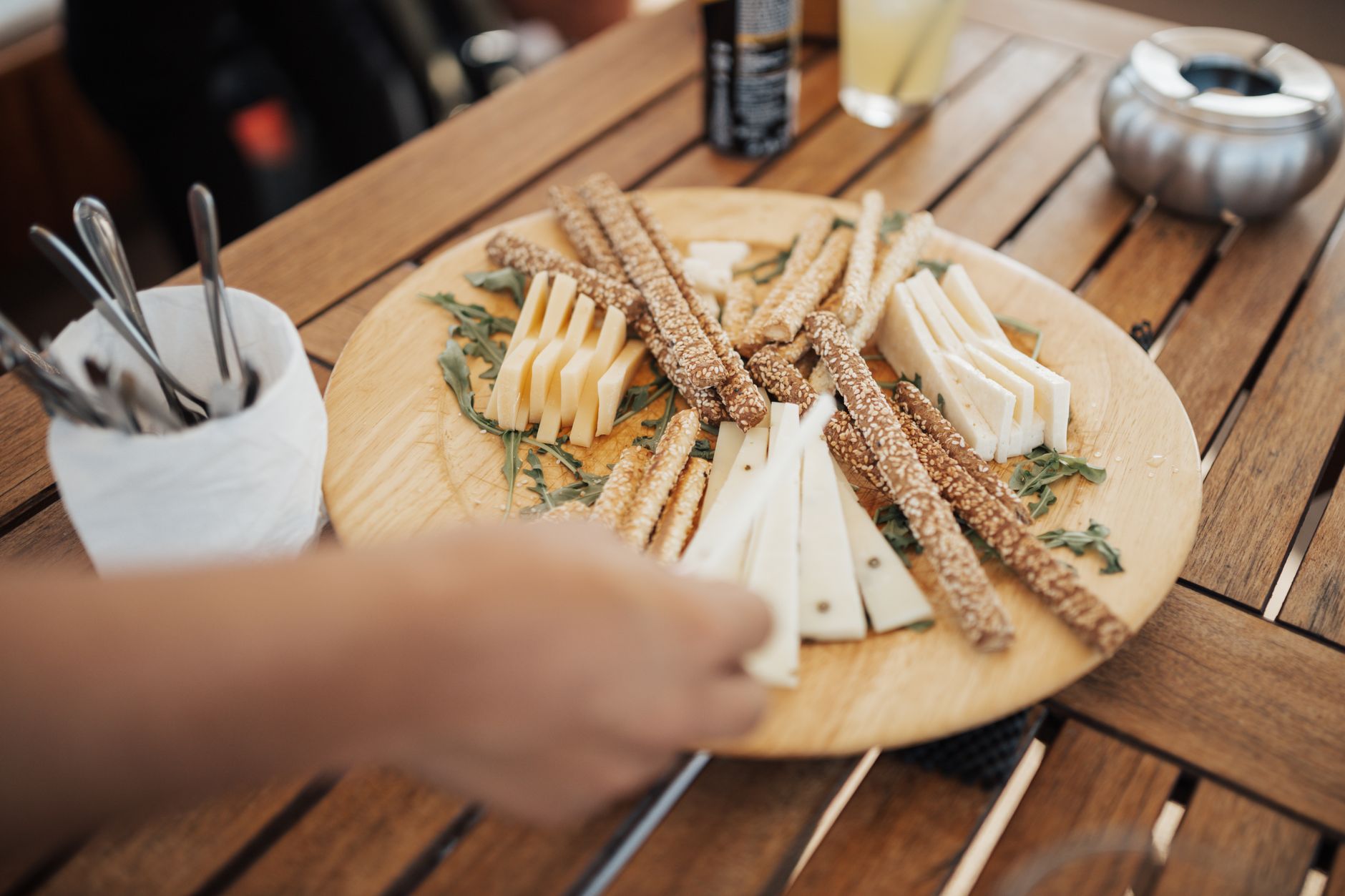
Use your second day to head inland. Ride the twenty-minute morning bus to Lefkes, walk the stone-paved Byzantine path through olive terraces to Prodromos, and eat wild greens and lamb chops under the village square trellis. Return to Parikia before sunset for local cheeses and a glass of Mandilaria red at a waterfront wine bar. Choose 2 Days to expand the plan.
3 days in Parikia South Aegean Greece
A third day allows an effortless detour to Antiparos. Take the short municipal bus south to Pounda, cross the narrow strait by ferry, and explore the sea cave and fishing quays before lunch. Back in Parikia, spend a quiet evening browsing the Archaeological Museum and lingering over whole baked fish in a quiet side alley.
Parikia South Aegean Greece itineraries by interest
Local Seafood in Parikia South Aegean Greece
Order gouna, the local sun-dried mackerel grilled over charcoal, or grilled octopus paired with dry white Monemvasia wine along the port.
Sacred Architecture in Parikia South Aegean Greece
Step inside Panagia Ekatontapyliani to see the fourth-century baptistery, layered Byzantine marble iconography, and shaded cloister gardens.
Historic Ruins in Parikia South Aegean Greece
Find the Frankish Castle, built by the Venetians in 1260 using salvage stone and columns from a sixth-century BC temple of Apollo.
Local Wine in Parikia South Aegean Greece
Sample dry reds and crisp whites made from native Mandilaria and Monemvasia grapes at town tavernas or nearby Moraitis cellars in Naoussa.
Pottery & Crafts in Parikia South Aegean Greece
Pick up handmade ceramics, traditional woven textiles, and olive wood boards along the flagstone lanes of the old market street, Agora.
Coastal Walks in Parikia South Aegean Greece
Follow the path north to the Agios Fokas headland lighthouse for wide sea views, passing limestone rocks and small swimming coves.
Traditional Cooking in Parikia South Aegean Greece
Eat revithada, the slow-baked chickpea stew cooked overnight in clay pots, alongside stuffed vegetables and tomato fritters in local tavernas.
Island Archaeology in Parikia South Aegean Greece
Visit the Archaeological Museum behind the main church to examine the Parian Chronicle fragment and fifth-century BC marble statues.
Beaches in Parikia South Aegean Greece
Wade into calm water at Livadia beach just north of the port, or take a five-minute water taxi across the bay to shaded Krios beach.
Day Trips in Parikia South Aegean Greece
Catch the morning bus to the inland mountain village of Lefkes, then hike the historic Byzantine marble footpath down to Prodromos.
Island Hopping in Parikia South Aegean Greece
Ride the local bus south to Pounda port for the seven-minute vehicle ferry across to the quiet harbour tavernas of Antiparos.
Maritime Life in Parikia South Aegean Greece
Watch crews unload sardines at dawn along the harbour quay before the morning ferries from Athens begin their noisy rotations.