Paroikía.


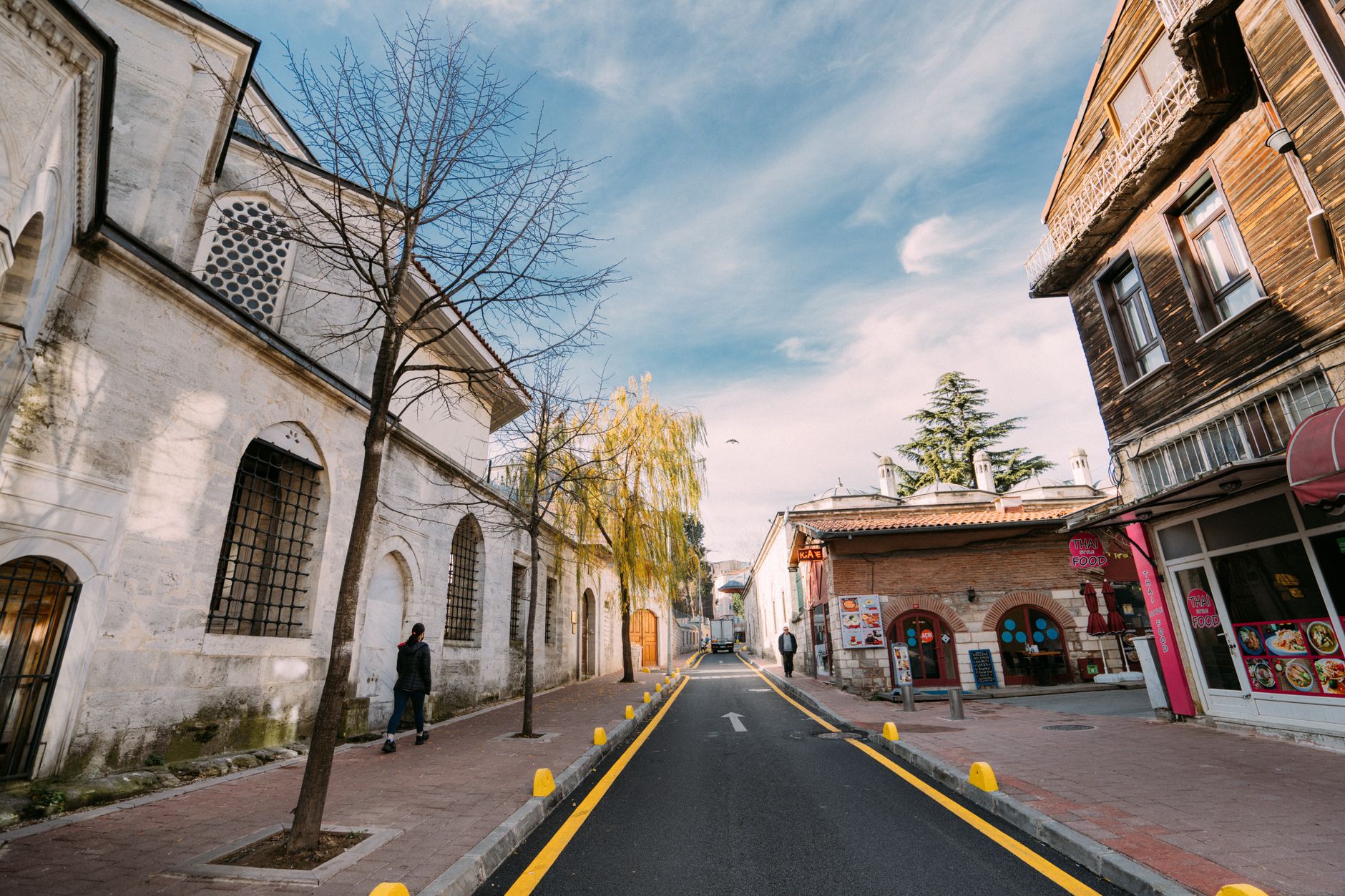

Ferries scrape against the concrete quay every hour, dumping scooters and backpacks into the glare, but three turnings inland the port noise dies against white limestone. The Venetian Kastro incorporates chunks of a sixth-century BC Apollo temple directly into its walls, marble columns laid horizontally like firewood. Down by the waterfront, elderly fishermen beat octopus against stone while the sixth-century Panagia Ekatontapiliani keeps cool behind its thick slate floors. Paroikía is worth visiting if you want ancient Byzantine stonework, sun-cured mackerel off the grill, and an active island capital that keeps functioning after the ferries pull out. Look elsewhere if you want a quiet, traffic-free harbour, wide uncrowded beaches within walking distance, or glitzy all-night superclubs.
Last updated 6 Sept 2026
Build a Paroikía itinerary.
Choose up to 4 threads that pull you in. Your plan arrives organised around them.
The Bed
Where to stay in Paroikía
Which part of town to book, and what each one costs you in walking, noise or quiet.
The Comparison
Paroikía, or somewhere near it
The places you are realistically choosing between, and the honest case for each.
The Local Record
Where to read more about Paroikía
The blogs, boards, guides and operators worth bookmarking.
What to do in Paroikía South Aegean Greece
Paroikía centers on its bustling ferry port, but its heart lies in the labyrinth of the Kastro and the cool interior of Panagia Ekatontapiliani. Mornings belong to quiet bakeries and museum halls; afternoons drift into seaside swims at Marcello across the bay; evenings revolve around carafes of souma and grilled fish along the harbourfront. It suits travellers who prefer walkable historical layers over polished resort luxury.
24 hours in Paroikía South Aegean Greece
Start early at Panagia Ekatontapiliani before tour groups land, then explore the marble-built Frankish Castle. Break for lunch over revithada and gouna near the old agora. In the late afternoon, walk the coastal path out to the lighthouse at Agios Fokas, returning to the harbour for grilled squid and a carafe of dry Monemvasia white as the sun sets. Select 1 Day above to see it.
2 days in Paroikía South Aegean Greece
Dedicate your second morning to the Archaeological Museum of Paros, then catch a local bus inland to the marble village of Lefkes. Walk a section of the paved Byzantine trail toward Prodromos before heading back to the coast. Dine in Paroikía on slow-braised karavoles snails and wild mountain greens at an unpretentious backstreet taverna. Choose 2 Days to expand the plan.
3 days in Paroikía South Aegean Greece
With three days, take a morning excursion to the ancient underground marble quarries of Marathi, followed by an afternoon swimming off the granite formations of Kolymbithres or taking the ten-minute ferry to Antiparos. Spend your final evening lingering over souma and mezzedes along the waterfront promenade while the evening ferries slide past.
Paroikía South Aegean Greece itineraries by interest
Sacred Architecture in Paroikía South Aegean Greece
Visit the 6th-century Panagia Ekatontapiliani to see early Christian baptisteries, marble iconostases, and cool slate courtyards away from the midday heat.
Local Seafood in Paroikía South Aegean Greece
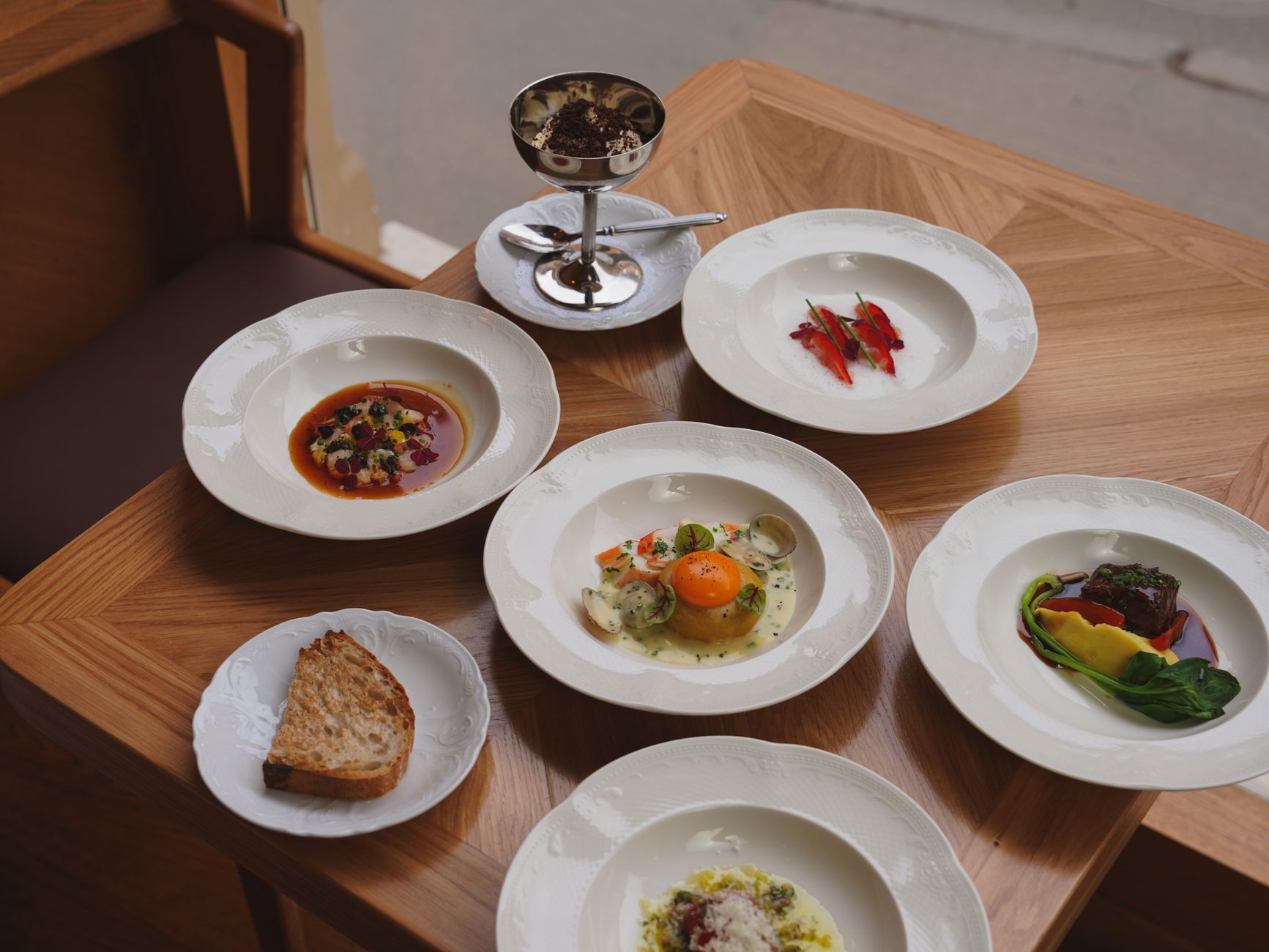
Order gouna—salted mackerel dried in the Aegean wind and charred over charcoal—served with lemon at simple harbourfront ouzeries.
Ancient Ruins in Paroikía South Aegean Greece
Examine the 13th-century Frankish Castle walls, assembled from ancient cylindrical columns and friezes taken from the Archaic temple of Apollo.
Traditional Stews in Paroikía South Aegean Greece
Eat slow-simmered revithada, chickpeas baked overnight with onions and bay leaves in unglazed earthenware pots, traditionally served on Sundays.
Island Spirits in Paroikía South Aegean Greece
Sip chilled souma, the local single-distilled grape marc spirit, poured in small carafes alongside plates of grilled sardines and brine-cured olives.
Archaeology in Paroikía South Aegean Greece
Walk five minutes from the square to the Archaeological Museum of Paros for the 6th-century BC Winged Nike and fragments of the Parian Chronicle.
Coastal Walks in Paroikía South Aegean Greece
Walk the shoreline path north from the port past Livadia beach to the wind-swept chapel of Agios Fokas at the mouth of the bay.
Local Wine in Paroikía South Aegean Greece
Taste dry PDO Paros whites made from the indigenous Monemvasia grape, paired with sharp xinomyzithra cheese at family-run cellar doors.
Quarrying History in Paroikía South Aegean Greece
Head five kilometres east to the subterranean Marathi quarries, where classical sculptors extracted pure, translucent Lychnites marble.
Village Day Trips in Paroikía South Aegean Greece
Take the 25-minute regional bus up to Lefkes, a quiet mountain village paved in marble, surrounded by pine forests and olive groves.
Town Strolls in Paroikía South Aegean Greece
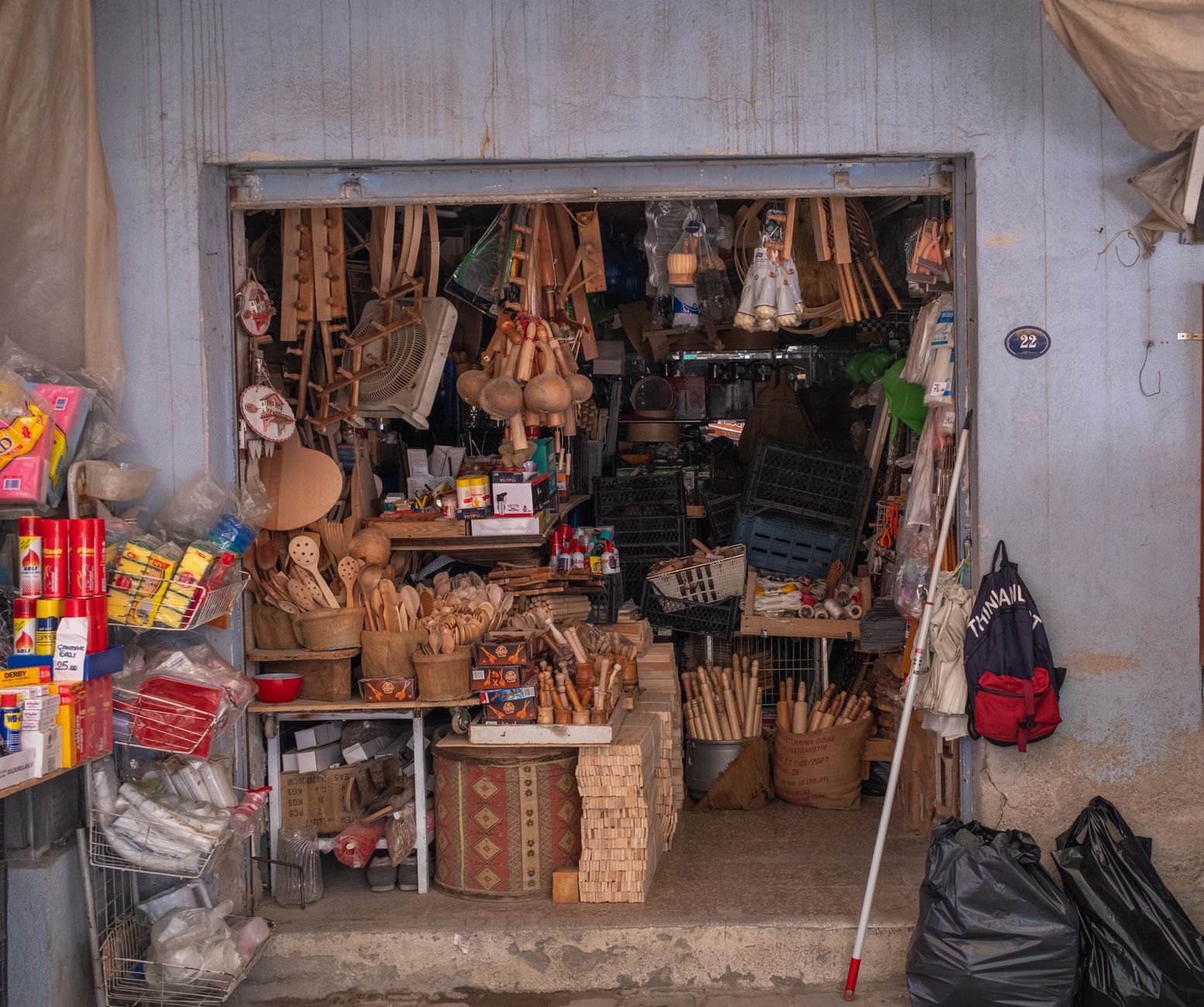
Wander the maze of the Old Market street (Agora) in the late afternoon, shaded by bougainvillea and lined with ceramic shops and bakeries.
Beach Escapes in Paroikía South Aegean Greece
Catch a wooden water taxi from the main harbour across the bay to the sheltered sand coves of Krios and Marcello for swimming.