


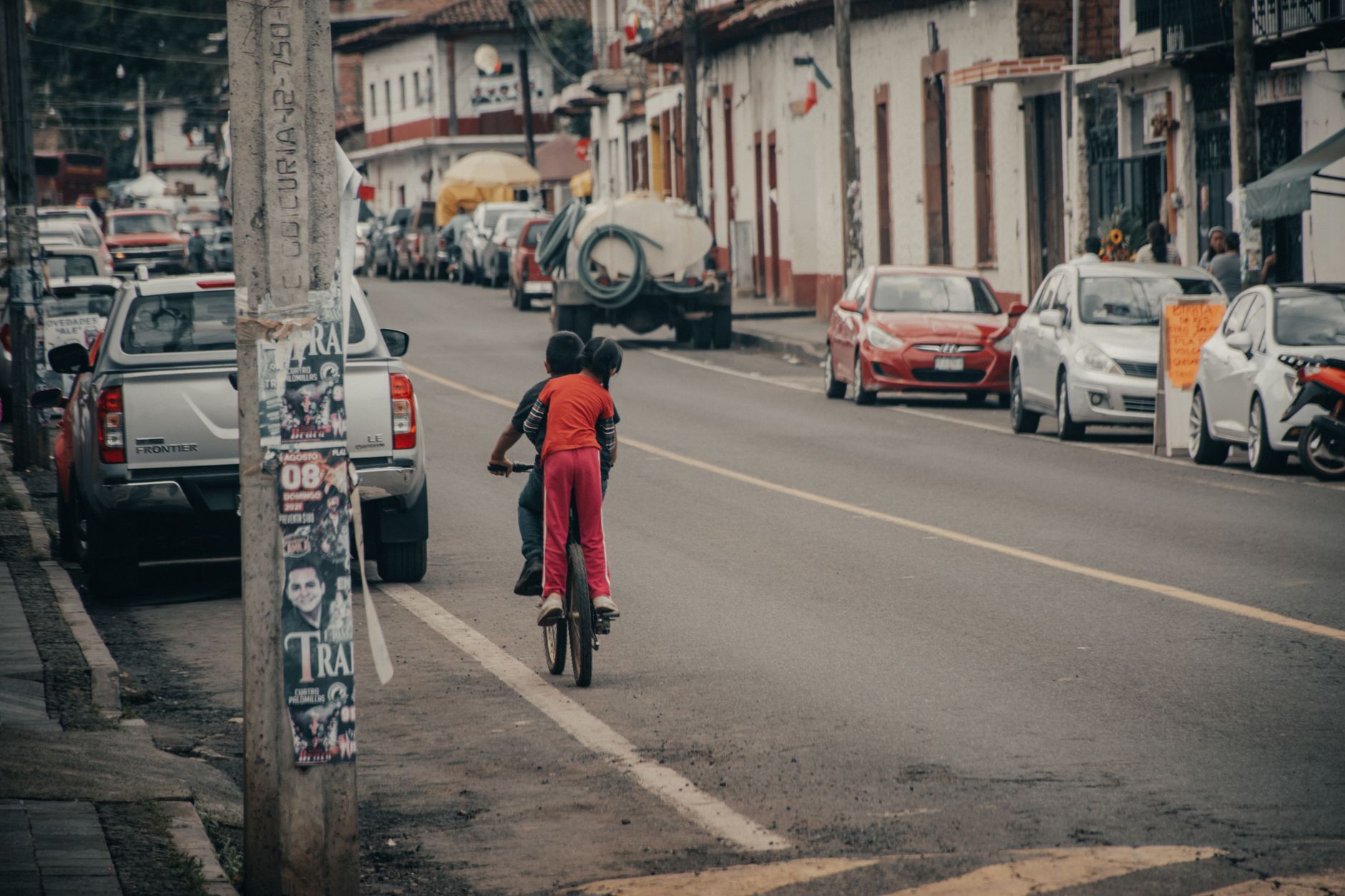
Pátzcuaro sits 50 kilometres southwest of Morelia, reached in one hour by direct bus from the state capital. It is known for its red-and-white adobe streets, centuries of Purépecha craft traditions, and cool pine-scented highland air at over 2,100 metres elevation. Pátzcuaro is worth visiting if you want to explore indigenous artisan villages, eat regional lake cuisine, and wander quiet colonial plazas. Look elsewhere if you want warm resort weather, high-tempo nightlife, or sandy beaches.
Last updated 28 Oct 2026
Build a Pátzcuaro itinerary.
Choose up to 4 threads that pull you in. Your plan arrives organised around them.
The Bed
Where to stay in Pátzcuaro
Which part of town to book, and what each one costs you in walking, noise or quiet.
The Comparison
Pátzcuaro, or somewhere near it
The places you are realistically choosing between, and the honest case for each.
The Local Record
Where to read more about Pátzcuaro
The blogs, boards, guides and operators worth bookmarking.
What to do in Pátzcuaro Michoacán Mexico
Days here follow the rhythm of the two central plazas. Morning begins with hot café de olla under the portales of Plaza Vasco de Quiroga, moves toward artisan workshops in Casa de los Once Patios, and winds down over street food in Plaza Bocanegra. It suits independent travellers, craft collectors, and slow walkers who appreciate cool highland mornings, preserved colonial streets, and deep indigenous Purépecha culture.
24 hours in Pátzcuaro Michoacán Mexico
Start with tamal-like uchepos at Mercado Vasco de Quiroga, then inspect the 16th-century Basílica de la Salud. Spend the afternoon browsing lacquerware at Casa de los Once Patios. End the night with a plate of enchiladas placeras under the stone arcades of Plaza Bocanegra, where everything is easily walkable on foot. Select 1 Day above to see it.
2 days in Pátzcuaro Michoacán Mexico
Dedicate your morning to Lake Pátzcuaro, taking a wooden boat from Muelle General across to Isla Janitzio or quiet Isla Yunuen. In the afternoon, take a 25-minute colectivo north to Tzintzuntzan to walk among the ancient Purépecha yácatas and the 16th-century Franciscan monastery olive grove, followed by crisp fried charales for lunch. Choose 2 Days to expand the plan.
3 days in Pátzcuaro Michoacán Mexico
A third day lets you venture south into the Michoacán highlands. Catch an early morning combi to Santa Clara del Cobre to watch master coppersmiths hammer cauldrons, then head to Tocuaro to visit family woodcarving workshops. Return for an unhurried dinner of rich sopa tarasca and local cotija cheese back in the central plaza.
Pátzcuaro Michoacán Mexico itineraries by interest
Local Markets in Pátzcuaro Michoacán Mexico
Walk Mercado Vasco de Quiroga for charales secos, cotija cheese, block chocolate, and piles of dried chilies sold by women from surrounding islands.
Regional Cooking in Pátzcuaro Michoacán Mexico
Sit down for bowlfuls of bean-thickened sopa tarasca, steamed corundas with crema, uchepos made from fresh corn, and simmered carnitas.
Craft Traditions in Pátzcuaro Michoacán Mexico
Explore Casa de los Once Patios for lacquered wood trays, woven reed mats, backstrap-loom textiles, and fine hammered copper from nearby Santa Clara.
Sacred Architecture in Pátzcuaro Michoacán Mexico
Visit the 16th-century Basílica de Nuestra Señora de la Salud, the Jesuit Templo del Sagrario, and the quiet courtyards of the Ex-Colegio de San Nicolás.
Island Life in Pátzcuaro Michoacán Mexico
Take a wooden launch from Muelle General to Janitzio, Pacanda, or Yunuen to see Purépecha fishing communities and butterfly net fishermen.
Archaeological Sites in Pátzcuaro Michoacán Mexico
Travel twenty minutes to the five curved stone yácatas at Tzintzuntzan, the pre-Hispanic ceremonial capital of the Purépecha Empire.
Lake Exploration in Pátzcuaro Michoacán Mexico
Skirt Lake Pátzcuaro by car or colectivo, stopping at lakeside docks to watch flat-bottomed wooden canoes cross between misty pine shorelines.
Village Day Trips in Pátzcuaro Michoacán Mexico
Ride local combis to Tocuaro for carved wooden devil masks, Capula for Catrina pottery, and Santa Clara del Cobre for hand-forged copper pans.
Street Food in Pátzcuaro Michoacán Mexico
Order crisp enchiladas placeras with fried chicken and potatoes from the evening stalls set up beneath the stone arcades of Plaza Gertrudis Bocanegra.
Scenic Viewpoints in Pátzcuaro Michoacán Mexico
Climb the cobblestone path up Cerro del Estribo Grande for sweeping views across the volcanic basin, the clay-tiled rooftops, and the lake.
Local Cafes in Pátzcuaro Michoacán Mexico
Drink hot café de olla brewed with piloncillo and cinnamon alongside sweet pan dulce at quiet courtyard tables around Plaza Vasco de Quiroga.
Historic Plazas in Pátzcuaro Michoacán Mexico
Stroll Plaza Vasco de Quiroga, one of Mexico's largest central squares, shaded by ancient ash trees and ringed by 17th-century stone mansions.