

Pescara sits two hours east of Rome by direct coach across the Apennines. Rebuilt after wartime bombing, it trades historic stone for broad Adriatic sand, a lively fish market, and the evening passeggiata along Corso Umberto. Pescara is worth visiting if you want fresh Adriatic brodetto, skewers of grilled mutton, and relaxed seaside living without foreign tour crowds. Look elsewhere if you want medieval hill town architecture, Renaissance palaces, or quiet car-free cobblestones.
Last updated 9 Oct 2026
Build a Pescara itinerary.
Choose up to 4 threads that pull you in. Your plan arrives organised around them.
The Bed
Where to stay in Pescara
Which part of town to book, and what each one costs you in walking, noise or quiet.
Places to stay
Central, well-rated and easy to find again. Distances are from the middle of town.
These links go to Booking.com and earn us a commission. They cost you nothing extra.
The Comparison
Pescara, or somewhere near it
The places you are realistically choosing between, and the honest case for each.
The Local Record
Where to read more about Pescara
The blogs, boards, guides and operators worth bookmarking.
What to do in Pescara Abruzzo Italy
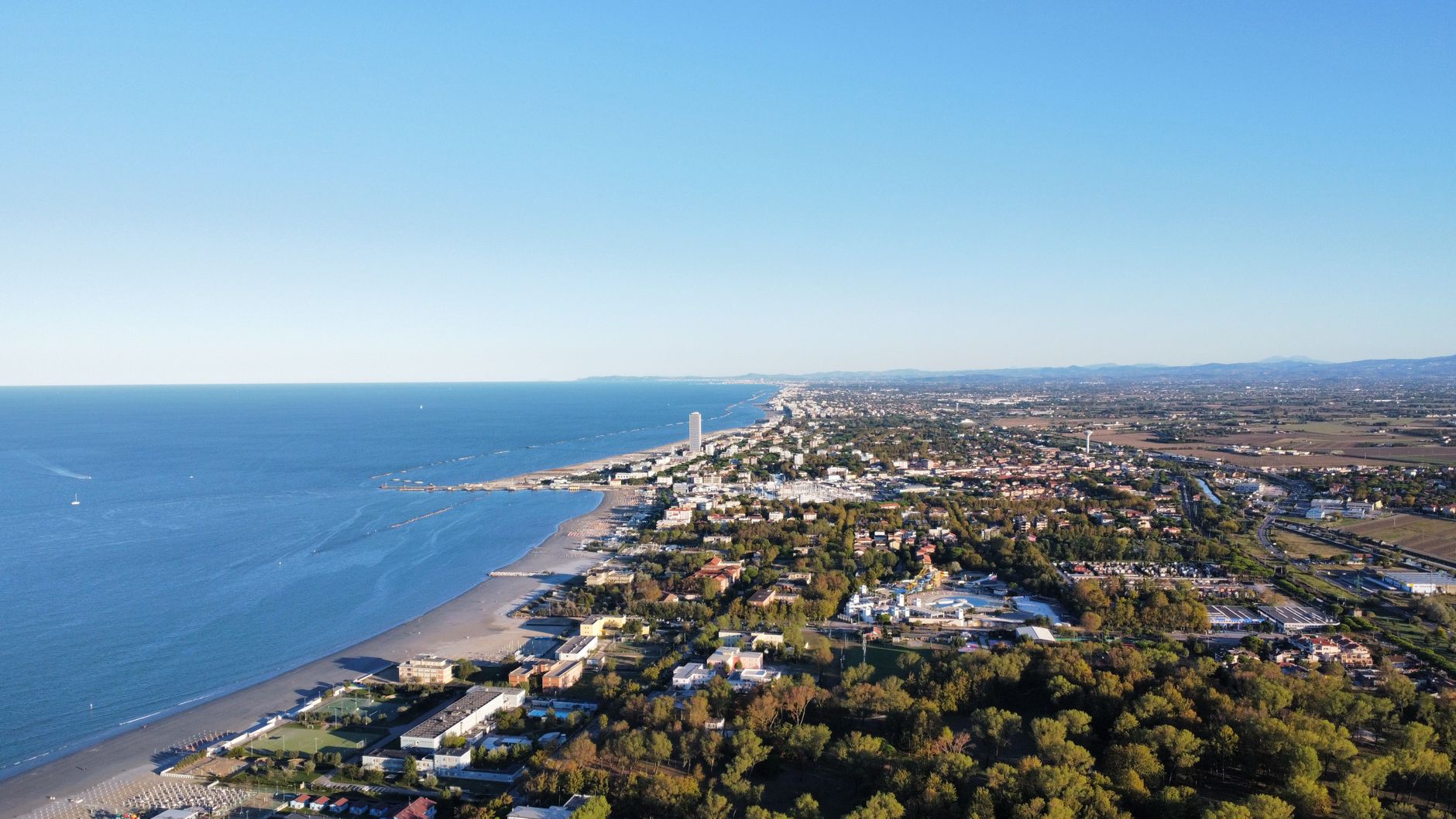
Pescara is a modern, unhurried coastal city split by the Pescara River and oriented toward the sea. Mornings belong to the market fish stalls and quiet beachside cycling along the lungomare. Evenings centre on Piazza Muzii and Corso Umberto I for wine and grilled meats. It suits travellers who prefer genuine regional eating and easy sea access over heavy museum itineraries.
24 hours in Pescara Abruzzo Italy
Start early at Mercato Muzii for espresso and fresh pastries. Walk the Ponte del Mare toward the harbour, then settle into a beachside trattoria for a pot of brodetto. Spend the evening along Corso Manthonè in Pescara Vecchia eating arrosticini with rustic red wine. Select 1 Day above to see it.
2 days in Pescara Abruzzo Italy
Spend your second morning exploring Pescara Vecchia and the Museo delle Genti d'Abruzzo. By afternoon, take a ten-minute train south along the coast to dine on a wooden trabocco platform over the water, tasting sea bass and local olive oil as the sun dips. Choose 2 Days to expand the plan.
3 days in Pescara Abruzzo Italy
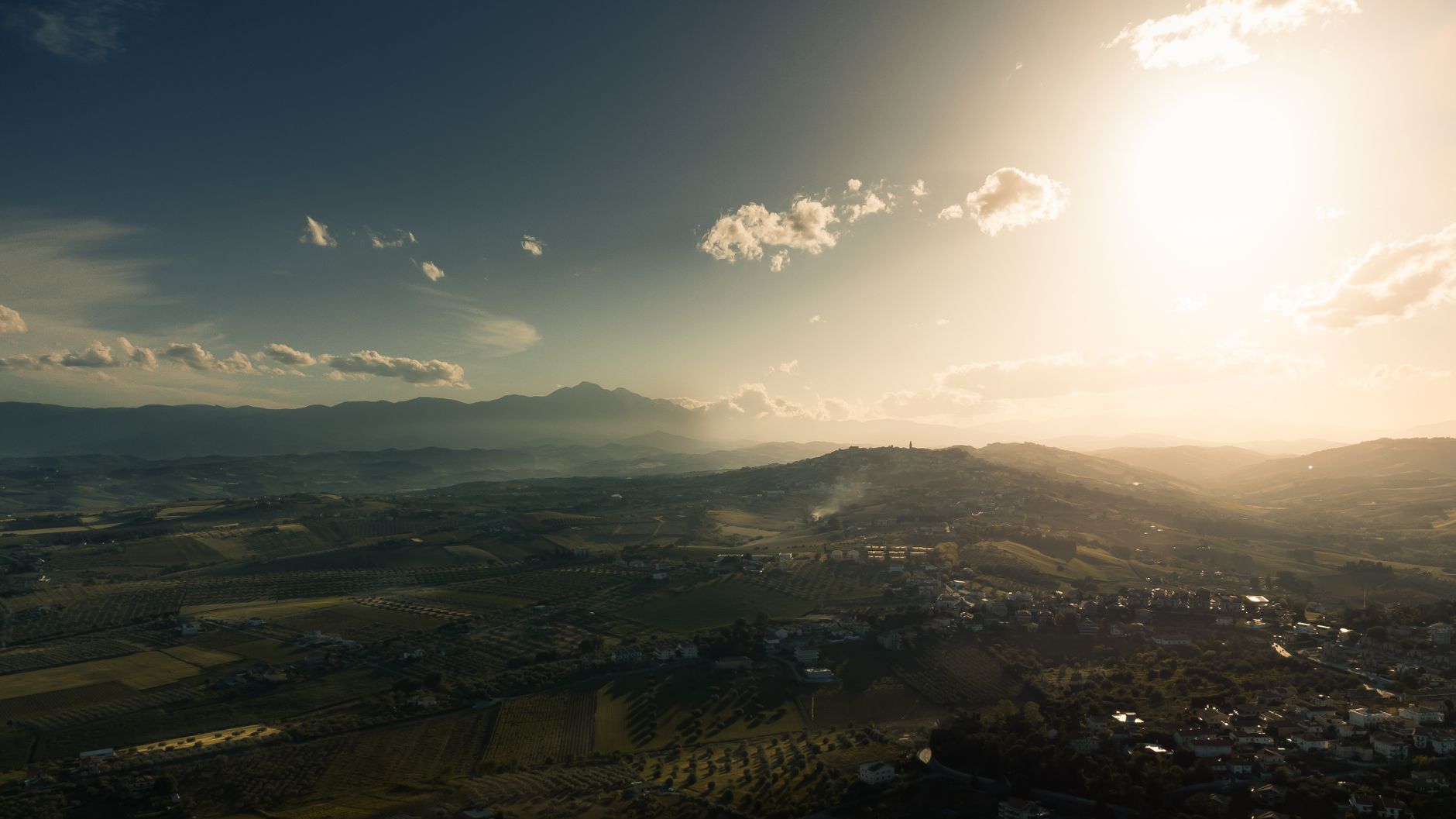
On day three, take a forty-minute bus inland up to Città Sant'Angelo or Loreto Aprutino to tour olive oil mills and sample Montepulciano wines. Return for a final sunset walk along the lungomare and a slice of almond Parrozzo cake.
Pescara Abruzzo Italy itineraries by interest
Local Seafood in Pescara Abruzzo Italy
Order brodetto alla pescarese, a red mullet, cuttlefish, and scampi stew sharpened with sweet vinegar, cooked in earthenware pots along the port.
Street Food in Pescara Abruzzo Italy
Find charcoal-grilled arrosticini, thin skewers of Abruzzese castrato mutton salted heavily and eaten hot from terracotta jugs in Piazza Muzii.
Wine & Vineyards in Pescara Abruzzo Italy
Sip rustic Montepulciano d'Abruzzo and crisp, mineral-heavy Trebbiano poured by the carafe at enoteche along Via Cesare Battisti near the market.
Coastal Walks in Pescara Abruzzo Italy
Walk the curved Ponte del Mare pedestrian bridge at sunset for views of the fishing fleet, the marina docks, and the distant Maiella mountains.
Markets & Produce in Pescara Abruzzo Italy
Wander Mercato Coperto di Piazza Muzii before noon for salt cod, local sheep ricotta, sun-dried peperoncino, and artichokes from Fucino farms.
Modern Art in Pescara Abruzzo Italy
Visit the Museo delle Genti d'Abruzzo in the old Bourbon barracks and the Imago Museum on Corso Umberto I for twentieth-century figurative art.
Maritime History in Pescara Abruzzo Italy
Inspect the traditional wooden trabocchi fishing platforms balanced on stilts over the surf south toward Francavilla al Mare and San Vito.
Beaches in Pescara Abruzzo Italy
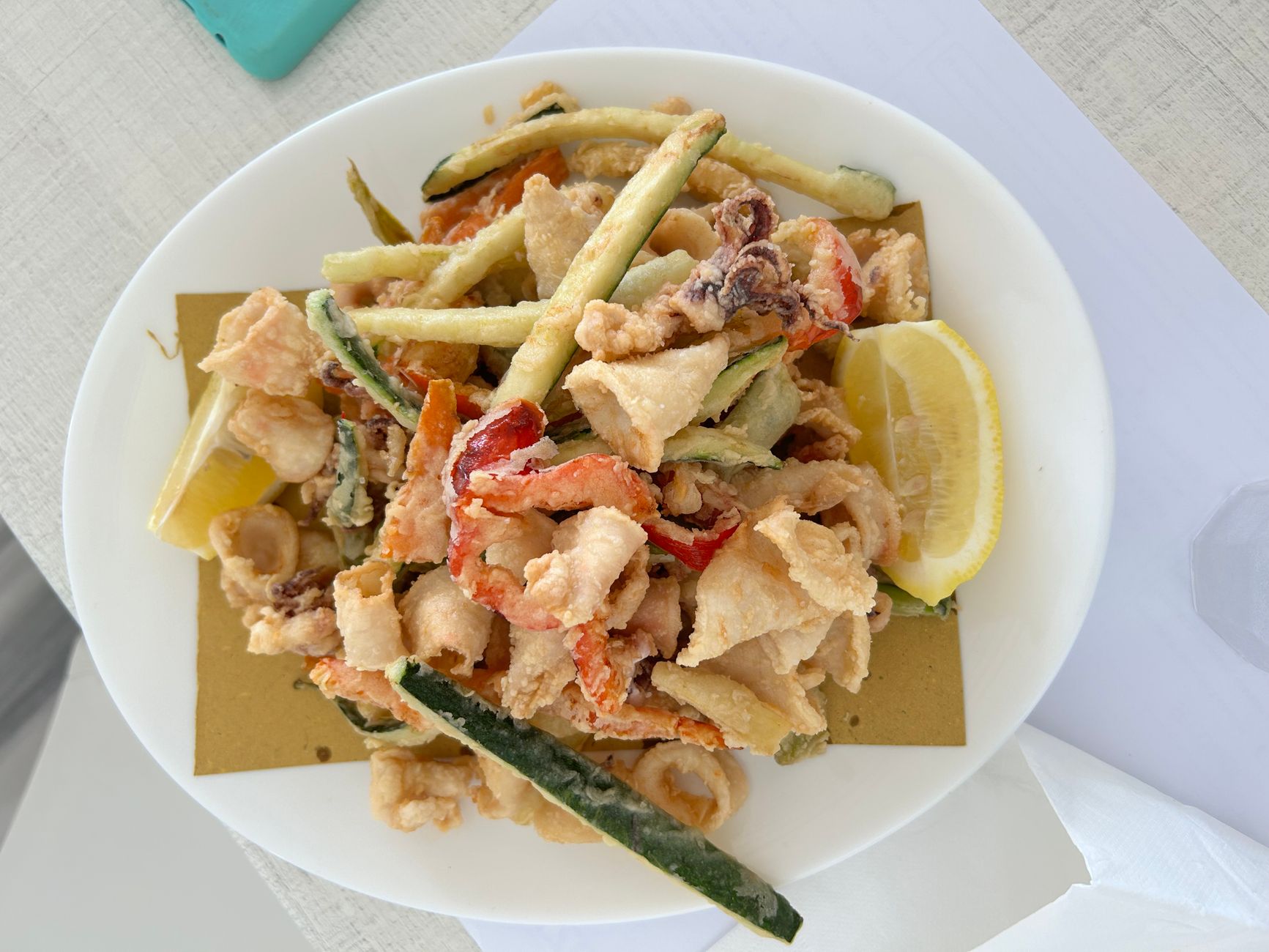
Rent a sunbed at a stabilimento along the lungomare for flat sand, calm swimming, and cold carafes of white Passerina paired with fried calamari.
Day Trips in Pescara Abruzzo Italy
Catch a regional train south along the Costa dei Trabocchi or head inland forty minutes to the medieval fortified walls of Città Sant'Angelo.
Sacred Architecture in Pescara Abruzzo Italy
Step inside the Cathedral of San Cetteo to see Romanesque-inspired travertine facades and a seventeenth-century painting attributed to Guercino.
Craft Traditions in Pescara Abruzzo Italy
Taste fiery Parrozzo, a dome-shaped almond cake coated in dark chocolate created in 1920, at historic pastry shops along Corso Manthonè.
Coastal Dining in Pescara Abruzzo Italy
Reserve a seaside table for crudo di mare, raw Adriatic red prawns, marinated anchovies, and sea urchin linguine seasoned with regional olive oil.