Phuket.
.jpg)



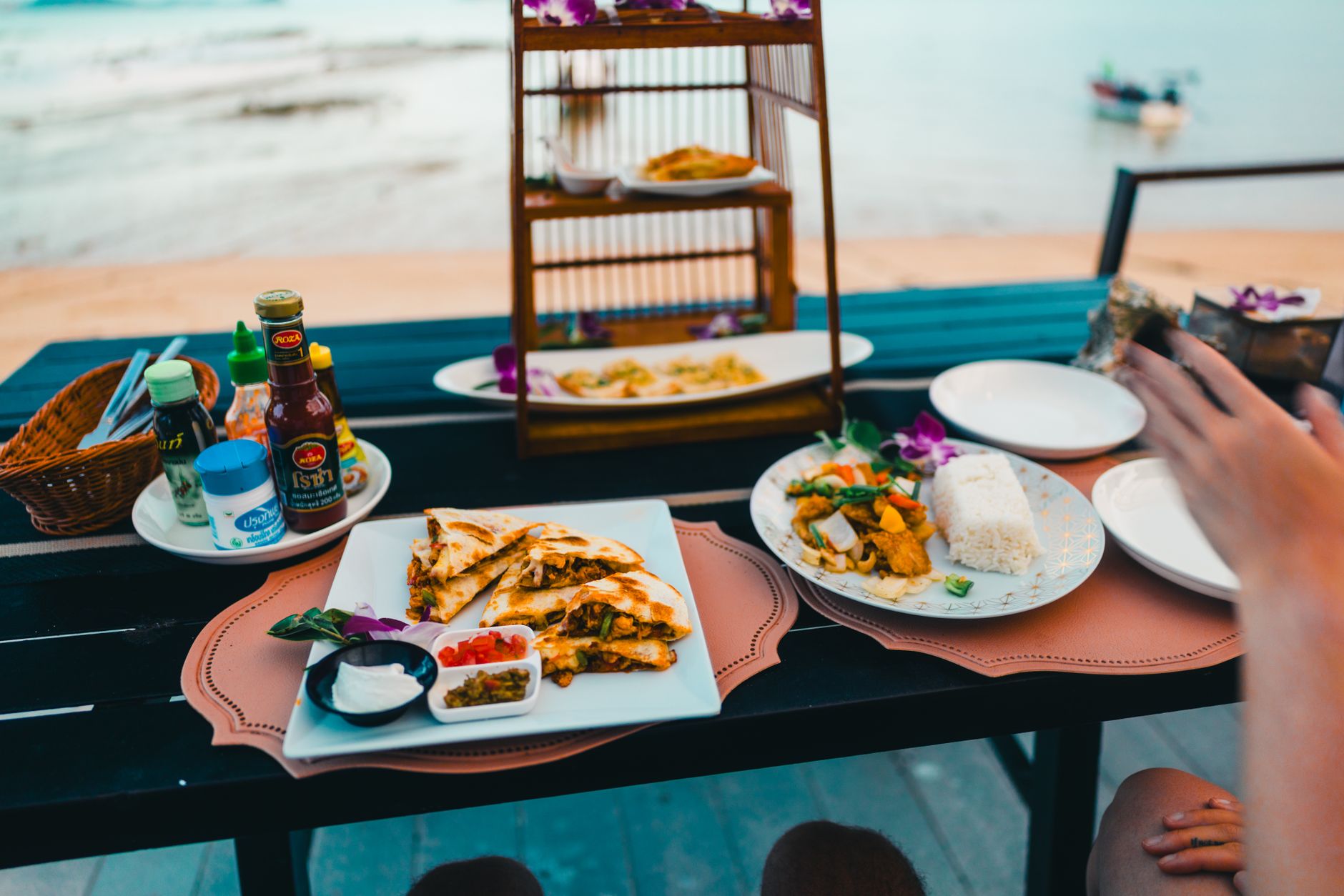
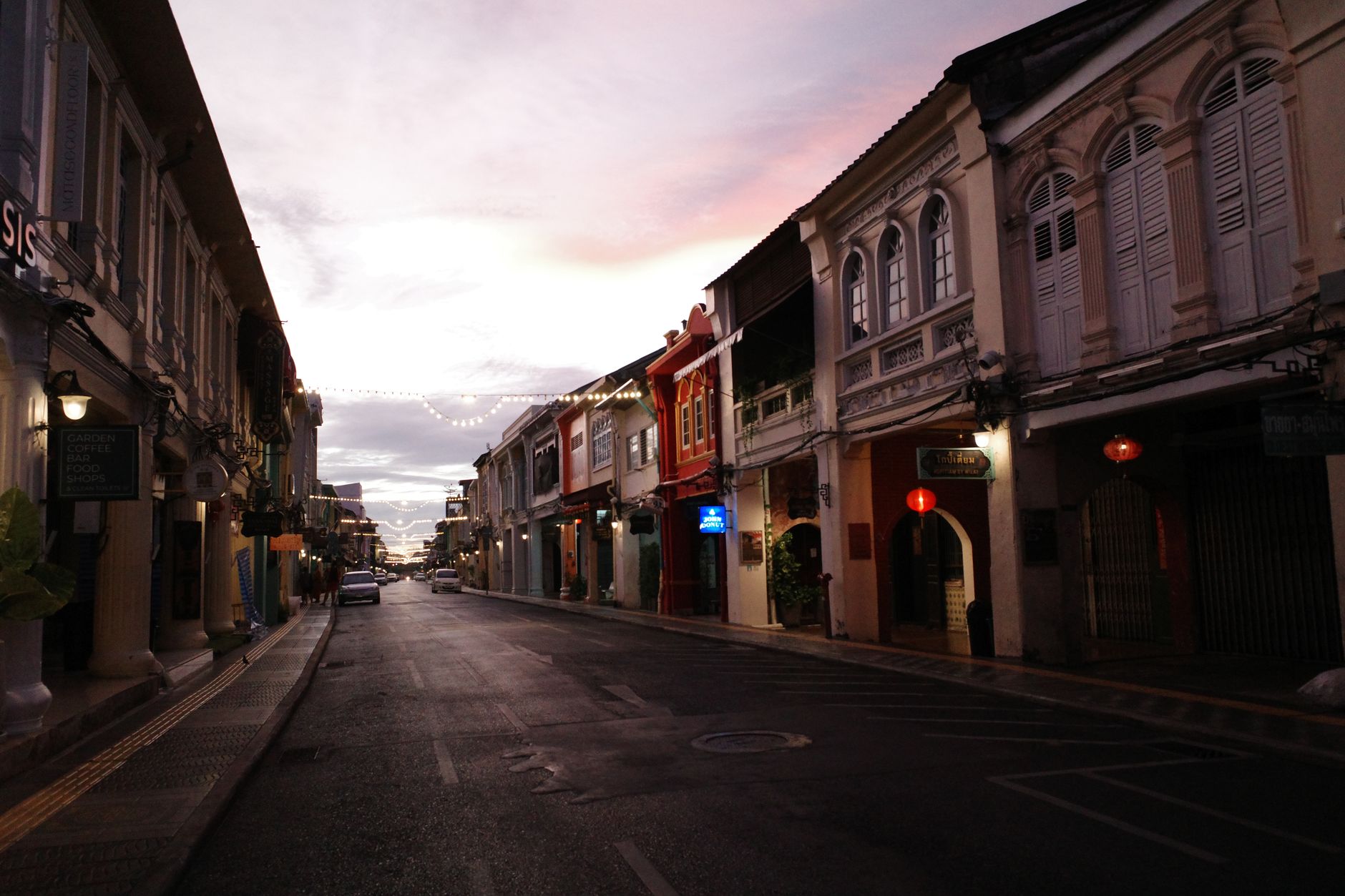
Phuket is Thailand at its most layered, well past the neon strip malls. In the old quarter, tin-mining wealth left pastel Sino-Portuguese shophouses smelling of roasted robusta beans, shrimp paste, and simmering star anise. You come here to eat fiery Southern curries spiked with wild betel leaf, watch wooden longtails pull into Rawai at dusk, and dodge midday heat in airy coffee shops run by third-generation families.
Last updated 22 Aug 2026
Build a Phuket itinerary.
Choose up to 4 threads that pull you in. Your plan arrives organised around them.
We'll craft a 3-lens plan for Phuket, one collapsible strand per lens.
Traditional Crafts
Seek out handmade batik workshops along Yaowarat Road, where artisans hand-wax vibrant floral textiles, and family tin-smith workshops carrying on the island's old mining legacy.
Traditional Crafts
Seek out handmade batik workshops along Yaowarat Road, where artisans hand-wax vibrant floral textiles, and family tin-smith workshops carrying on the island's old mining legacy.
Contemplating the Half-Buried Buddha
Wat Phra Thong
Admission is free, though covered shoulders are mandatory. Spend an hour admiring the central gilded sanctuary and the adjoining museum of 19th-century Chinese tin-mining crafts and pottery.
Editor TipLocal lore holds that unearthing this half-submerged golden image brings misfortune, prompting 18th-century Siamese builders to construct the tiered wooden viharn directly over the unmovable relic. Step into the small museum pavilion at the back; the collection of hand-carved opium pipes and tin amulets is remarkable.
Weighing Catch at the Pier
Rawai Seafood Market
Pick live red snapper or tiger prawns from the fishermen stalls on the sea side, then carry them across the lane to Mook Dee restaurant to have them grilled over charcoal for a small cooking fee.
Editor TipRawai remains the traditional base of the Chao Leh, or sea nomads, who have worked Andaman waters for generations, trading woven rattan traps, pearls, and line-caught reef fish along this tidal shore. Arrive at 17:30 before tour minivans appear. Ask for the fish steamed with lime, garlic, and fresh bird's eye chilies.
Morning Markets
Arrive by seven at Ranong Road Market for fresh green curry paste pounded by hand, bundles of stink beans, warm coconut pancakes, and iced black coffee served in plastic bags.
Morning Markets
Arrive by seven at Ranong Road Market for fresh green curry paste pounded by hand, bundles of stink beans, warm coconut pancakes, and iced black coffee served in plastic bags.
Fresh Noodle Market Breakfast
Phuket Downtown Fresh Market
Walk the ground floor stalls along Ranong Road. Order a bowl of kanom jeen noodles topped with spicy crab curry and heap fresh herbs from the communal baskets. Budget fifty baht per bowl.
Editor TipSouthern Thai kanom jeen reflects the island's Hokkien and Malay history, combining fermented rice noodles with raw wild herbs, salted vegetables, and fierce turmeric fish curries. Grab a small plastic stool near the herb trays; the locals will quietly point you toward the mildest gravy.
Morning Wet Market Walk
Phuket Town Central Market
Walk the ground floor stalls between six and nine when fish and herbs arrive fresh. Grab a bag of fresh soy milk and warm dough sticks outside for twenty baht.
Editor TipThis market fed the tin-mining diaspora for a century, preserving southern Thai staples alongside Hokkien ingredients you will not find in tourist resort kitchens. Wear closed shoes. The tile floor is hosed down constantly and puddles form fast around the fishmongers.
Morning Khanom Jeen Service
Thalang Fresh Market
Arrive early and take a plastic stool by the curry pots. Pay forty baht for fermented noodles ladled with fish curry, then pile on raw wing beans and basil from the shared counter tins.
Editor TipKhanom jeen is southern Thailand's signature breakfast ritual, rooted in Mon rice-fermenting traditions and sustained by market vendors who pound fresh galangal and turmeric pastes by hand at dawn. Skip the mild coconut curries. The dark southern fish kidney gravy looks menacing but offers an astonishing depth of flavor.
Sacred Architecture
Wat Chalong houses serene bone relics beneath painted murals of Buddha's life, while Chinese shrines like Jui Tui burst with incense smoke and red-and-gold carved dragon pillars.
Sacred Architecture
Wat Chalong houses serene bone relics beneath painted murals of Buddha's life, while Chinese shrines like Jui Tui burst with incense smoke and red-and-gold carved dragon pillars.
Taoist Temple Woodcarving Survey
Jui Tui Shrine
Enter the main courtyard off Soi Phuthorn. Admission is free, though modest dress covering shoulders and knees is mandatory. Spend forty-five minutes inspecting the carved teak altars.
Editor TipFounded by nineteenth-century Chinese tin miners, this complex honors the vegetarian deity Tean Hu Huan Soy and remains the operational epicenter for the island's annual Nine Emperor Gods Festival. Step over the raised wooden threshold rather than on it, as tradition holds the door spirit rests beneath the sill.
Theravada Chedi Murals
Wat Chalong
Open daily until 17:00 with free entry. Remove shoes before entering the grand pagoda, dress with covered shoulders and knees, and allow forty-five minutes.
Editor TipDedicated to two nineteenth-century monk healers who led the local tin miners, the temple complex centers on a sixty-meter chedi holding a splinter of bone relic. Skip the ground-floor cluster and climb straight to the top terrace for cool breeze and quiet mountain views.
Charcoal-Wok Hokkien Mee
Mee Ton Poe
Walk in without reservations to this open-air corner shop by the clock tower. Order the yellow Hokkien noodles braised in pork broth with an egg for under 100 baht.
Editor TipChinese tin miners brought Hokkien noodle craft here in the nineteenth century, searing thick egg noodles over charcoal stoves with seafood and leafy greens. Stir the runny egg into the hot broth immediately to thicken the gravy before taking your first bite.
Note from the Editor
“Start at dawn before the midday humidity settles over Old Town. The morning market peaks by eight, while the shrines offer quiet reflection before tour groups arrive around ten thirty.”
The Bed
Where to stay in Phuket
Which part of town to book, and what each one costs you in walking, noise or quiet.
The Comparison
Phuket, or somewhere near it
The places you are realistically choosing between, and the honest case for each.
The Local Record
Where to read more about Phuket
The blogs, boards, guides and operators worth bookmarking.
What to do in Phuket Andaman Coast Thailand
Life on the island splits between the historic interior and the coast. Phuket Old Town offers compact, walkable blocks of shophouse cafes and family-run curry joints, best explored on foot before the midday sun peaks. Down along the southern peninsulas, working fishing communities share the coastline with quiet coves. It rewards curious eaters and independent wanderers who prefer slow market mornings to packaged tours.
24 hours in Phuket Andaman Coast Thailand
Start early at Ranong Road market with dim sum and sweet milk tea before touring the Sino-Portuguese buildings along Thalang Road. In the afternoon, take a songthaew south to Rawai for charcoal-grilled squid beside the water, finishing with sunset over the headland at Yanui Beach. Select 1 Day above to see it.
2 days in Phuket Andaman Coast Thailand
Spend your second morning at Jui Tui Shrine and the Thai Hua Museum to understand the island's tin-mining past. Head north past rubber estates to Nai Yang Beach for lunch under casuarina trees, ordering fiery crab yellow curry at a roadside wooden shack away from the resorts. Choose 2 Days to expand the plan.
3 days in Phuket Andaman Coast Thailand
A third day allows for a boat trip across Phang Nga Bay. Board an early wooden ferry from Bang Rong Pier to Koh Yao Noi for unpaved coastal roads and village fish farms, returning in time for a plate of braised pork belly moo hong at a corner bistro on Dibuk Road.
Phuket Andaman Coast Thailand itineraries by interest
Street Food in Phuket Andaman Coast Thailand
Find charcoal-grilled pork satay on Dibuk Road, Hokkien noodles braised in rich pork broth at Mee Ton Poe, and crisp roti drizzled with condensed milk near the clocktower.
Local Seafood in Phuket Andaman Coast Thailand
Walk the wooden pier at Rawai Fish Market to choose live tiger prawns, sweet clams, and Andaman sea bass, then carry them straight across the road to be grilled over coals.
Morning Markets in Phuket Andaman Coast Thailand
Arrive by seven at Ranong Road Market for fresh green curry paste pounded by hand, bundles of stink beans, warm coconut pancakes, and iced black coffee served in plastic bags.
Regional Cuisine in Phuket Andaman Coast Thailand
Southern Thai cooking does not compromise on heat; order gaeng som sour fish curry with green papaya, moo hong braised pork belly, and spicy crab meat yellow curry on Thalang Road.
Heritage Architecture in Phuket Andaman Coast Thailand
Stroll along Soi Rommanee and Krabi Road to inspect nineteenth-century Sino-Portuguese shophouses with ornate stucco pediments and deep internal courtyards built for cooling breezes.
Sacred Architecture in Phuket Andaman Coast Thailand
Wat Chalong houses serene bone relics beneath painted murals of Buddha's life, while Chinese shrines like Jui Tui burst with incense smoke and red-and-gold carved dragon pillars.
Coastal Walks in Phuket Andaman Coast Thailand
Follow the dirt path south from Promthep Cape down to the rocky headland for wide ocean views, or walk the shaded casuarina tree fringe along quiet Nai Yang Beach before sunset.
Island Day Trips in Phuket Andaman Coast Thailand
Hire a wooden longtail from Bang Rong Pier across Phang Nga Bay to Koh Yao Noi, where quiet rubber plantations and mangrove shores offer an antidote to the busy mainland.
Hillside Hiking in Phuket Andaman Coast Thailand
Climb the shaded stone trail through rainforest up to Monkey Hill in Phuket Town, or walk the five-kilometre ridge track through Khao Phra Thaeo virgin forest to Bang Pae waterfall.
Island Beaches in Phuket Andaman Coast Thailand
Skip the jet-ski hubs for Ao Sane with its granite boulders, or Yanui Beach where you can rent a kayak to paddle around the offshore islet during calm dry-season mornings.
Local Drinks in Phuket Andaman Coast Thailand
Sip strong kopitiam coffee brewed through cloth filters at century-old Keng Tin bakery, or try craft rum distilled from Thai sugar cane at Chalong Bay Distillery.
Traditional Crafts in Phuket Andaman Coast Thailand
Seek out handmade batik workshops along Yaowarat Road, where artisans hand-wax vibrant floral textiles, and family tin-smith workshops carrying on the island's old mining legacy.