

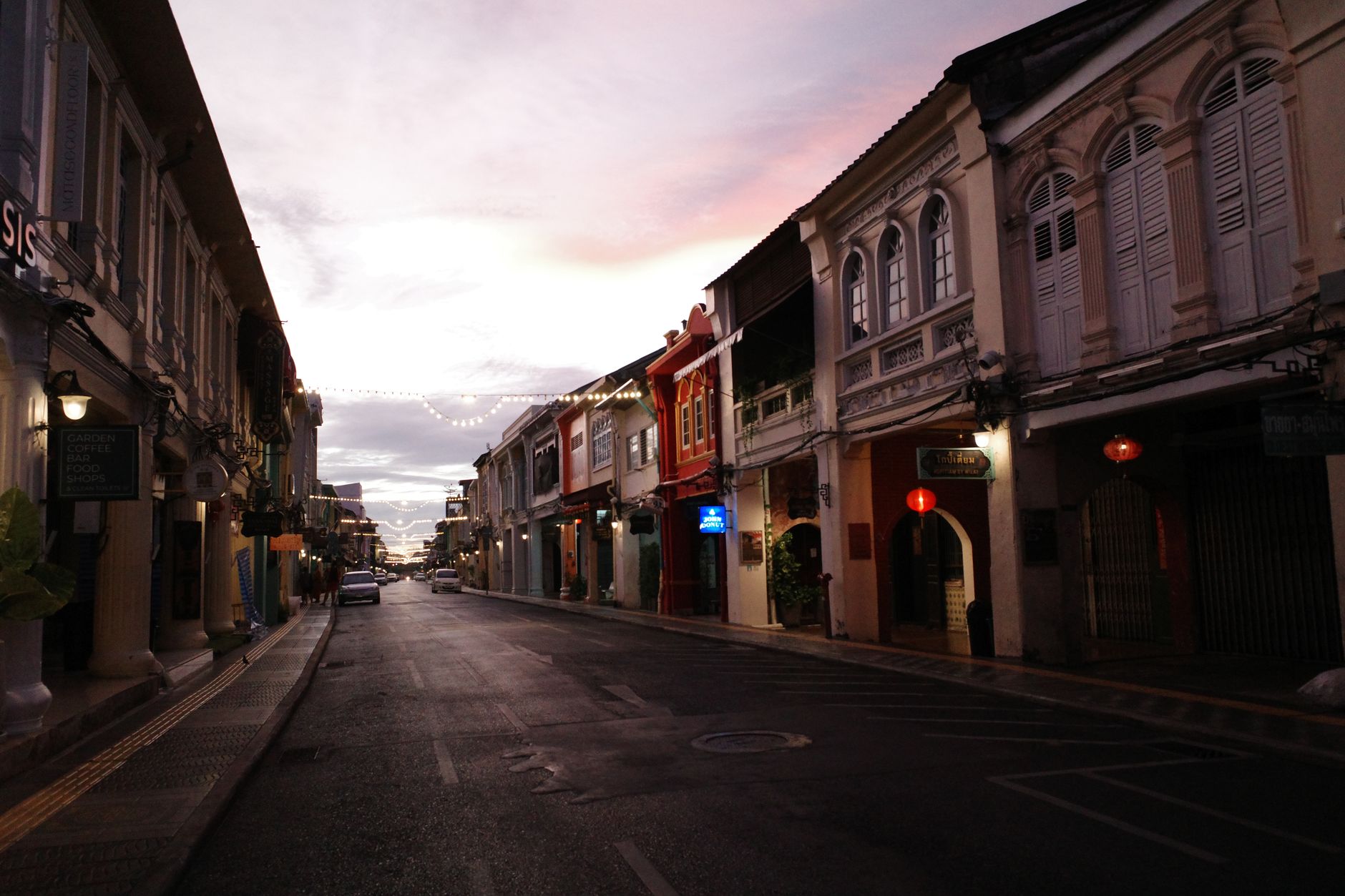

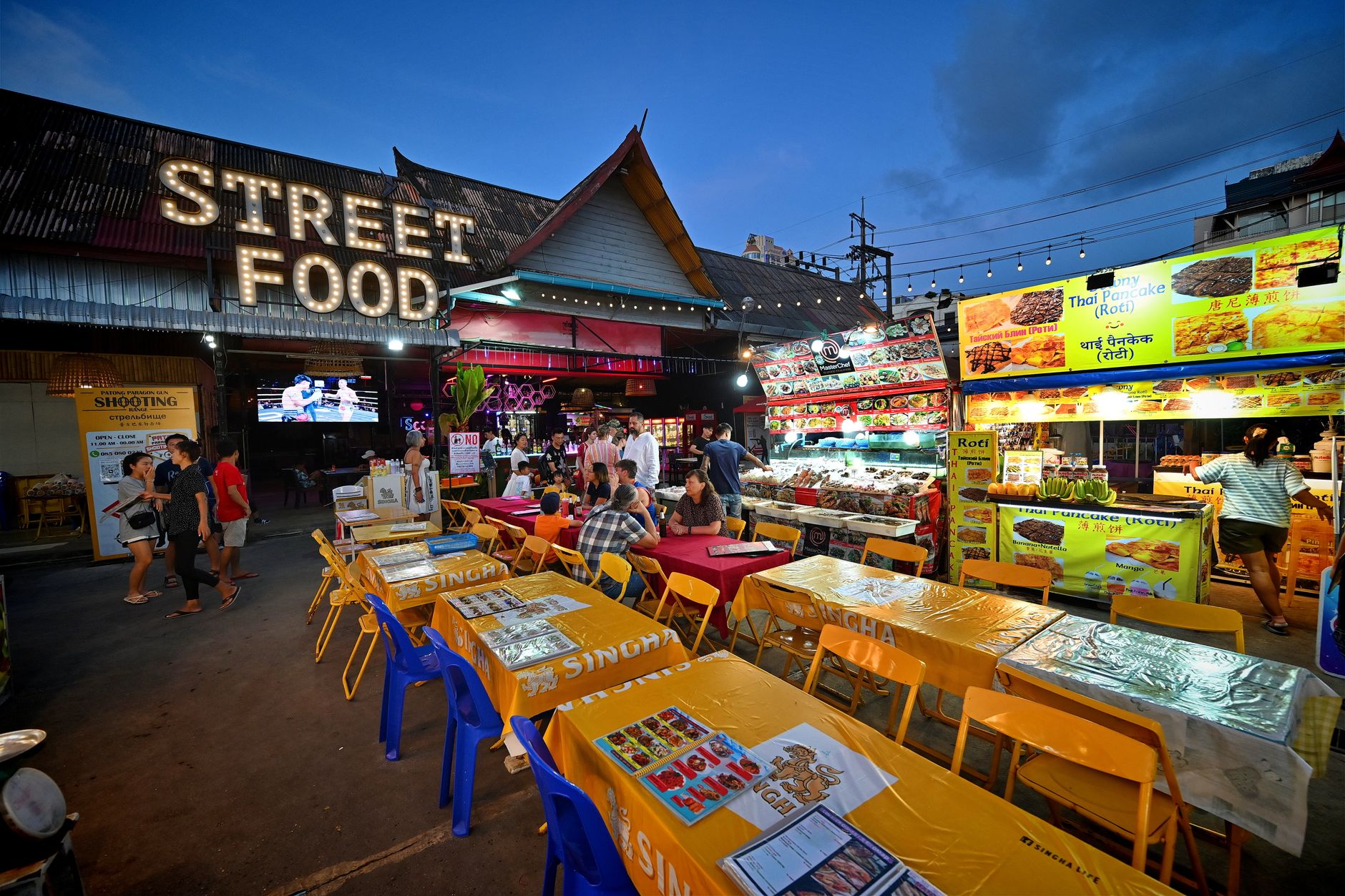

Phuket Town sits forty-five minutes south of Phuket International Airport and serves as the island's administrative centre. It is known for its nineteenth-century tin-boom heritage, preserved Sino-Portuguese shophouses, and distinct Baba-Yaya culinary culture. Phuket Town is worth visiting if you want to eat regional Peranakan braises, morning dim sum, and Hokkien noodles away from the resort strip. Look elsewhere if you want direct beach access, quiet seaside views, or all-night foam parties.
Last updated 12 Oct 2026
Build a Phuket Town itinerary.
Choose up to 4 threads that pull you in. Your plan arrives organised around them.
The Bed
Where to stay in Phuket Town
Which part of town to book, and what each one costs you in walking, noise or quiet.
The Comparison
Phuket Town, or somewhere near it
The places you are realistically choosing between, and the honest case for each.
The Local Record
Where to read more about Phuket Town
The blogs, boards, guides and operators worth bookmarking.
What to do in Phuket Town Phuket Thailand
Phuket Town is built on a pedestrian grid laid out during nineteenth-century tin-mining prosperity. Daily life revolves around morning food markets on Ranong Road, midday shelter beneath the shaded five-foot walkways of Thalang Road, and evening dining around Phang Nga Road. It suits travellers who prefer regional cooking, quiet neighbourhood pacing, and architectural history over beachfront mega-resorts.
24 hours in Phuket Town Phuket Thailand
Start at 7:00 AM with steamed dim sum and sweet iced tea at Boonrat Dim Sum on Bangkok Road. Spend the morning walking Thalang and Dibuk roads, visit the Thai Hua Museum, then sit down for Hokkien noodles at Mee Ton Poe. Finish with an evening walk along Soi Rommanee and dinner on Phang Nga Road. Select 1 Day above to see it.
2 days in Phuket Town Phuket Thailand
Spend your second morning exploring Downtown Market on Ranong Road before heading up Rang Hill for lunch with a view over Chalong Bay. In the late afternoon, take a ten-minute taxi east to Ko Sirey to see the quiet Moken fishing settlement and eat sour fish curry at a family-run pier kitchen. Choose 2 Days to expand the plan.
3 days in Phuket Town Phuket Thailand
A third day allows an unhurried morning drive to Kathu to visit the old mining museum and village shrines. Afterwards, board an open-air blue songthaew from Ranong Road to Rawai Beach to buy fresh snapper directly off the boats and have the cooks across the road grill it over coconut coals.
Phuket Town Phuket Thailand itineraries by interest
Local Cuisine in Phuket Town Phuket Thailand
Peranakan dishes rule here, from moo hong pork belly stewed with garlic and pepper to gaeng som sour fish curry and crab meat khanom jeen.
Street Food in Phuket Town Phuket Thailand
Order mee hokkien stir-fried in lard over charcoal, crispy o-tao oyster omelettes on Bangkok Road, and roti with beef massaman for breakfast.
Morning Markets in Phuket Town Phuket Thailand
Browse Downtown Market on Ranong Road before 8:00 AM for fresh galangal, wild betel leaves, salted mackerel, and warm patongko dough fritters.
Historic Architecture in Phuket Town Phuket Thailand
Walk Thalang, Dibuk, and Krabi roads to study Sino-Portuguese shophouse facades, arched five-foot ways, and restored tin-baron mansions.
Sacred Sites in Phuket Town Phuket Thailand
Visit Jui Tui Shrine and San Chao Sae Siew Tao to see Taoist altars, incense coils, and wooden carving details tied to the Vegetarian Festival.
Coffee & Cafes in Phuket Town Phuket Thailand
Sip traditional kopi alongside iced filter brews pulled inside narrow timber shophouses on Yaowarat and Phang Nga roads.
Night Markets in Phuket Town Phuket Thailand
Lard Yai occupies Thalang Road every Sunday evening with grilled pork satay, local musicians, coconut pancakes, and iced herbal drinks.
Local History in Phuket Town Phuket Thailand
Explore the Thai Hua Museum on Krabi Road to trace nineteenth-century Hokkien migration, tin mining technology, and Peranakan domestic life.
Scenic Viewpoints in Phuket Town Phuket Thailand
Climb Rang Hill at dusk to look out across the town grid toward Chalong Bay, with wild macaques lingering along the quiet summit park paths.
Seafood in Phuket Town Phuket Thailand
Head south to Rawai and Palai for whole steamed seabass with lime and garlic, stir-fried mantis shrimp, and sea grapes dipped in spicy nam jim.
Craft Traditions in Phuket Town Phuket Thailand
Find handmade Baba-Nyonya beaded slippers, indigo-dyed cotton shirts, and handwoven wicker baskets in workshop fronts off Soi Rommanee.
Day Trips in Phuket Town Phuket Thailand
Take a twenty-minute songthaew ride to Chalong Pier for wooden longtail boats out to Coral Island, or ride west to historic Kathu village.