.JPG)
.jpg)

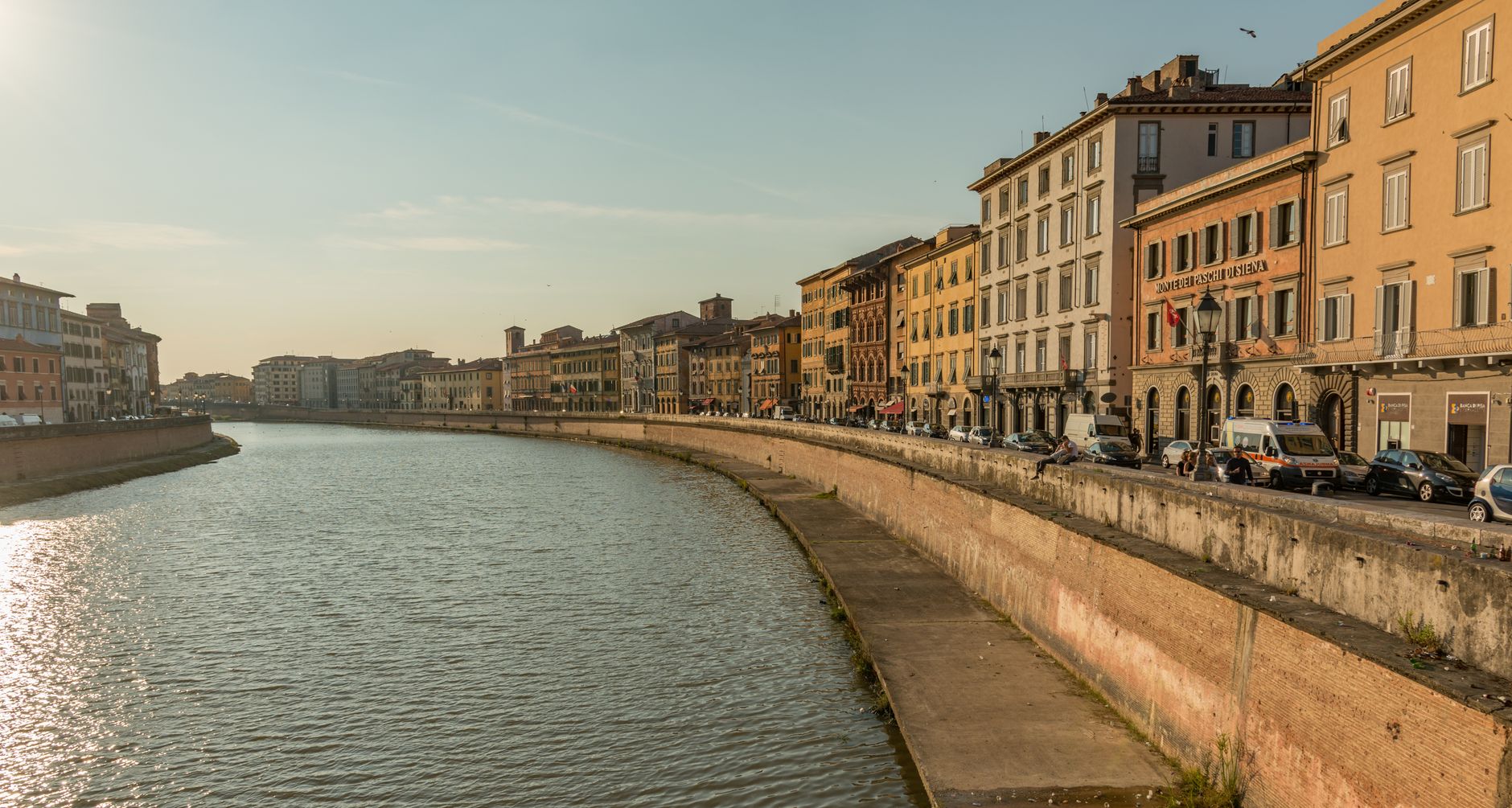


The roar of tour buses drops away the moment you cross the Ponte di Mezzo into the southern quarter of San Martino. Most visitors rush the Piazza dei Miracoli, pose for the obligatory tilted photo, and board a bus to Florence. Stay put. The Arno curls through town in wide yellow sweeps, bordered by Renaissance palazzi and students debating over glasses of red wine. Pisa was an eleventh-century maritime powerhouse, and its quiet residential alleys still reward anyone who walks south of the river.
Last updated 28 Aug 2026
Build a Pisa itinerary.
Choose up to 4 threads that pull you in. Your plan arrives organised around them.
The Bed
Where to stay in Pisa
Which part of town to book, and what each one costs you in walking, noise or quiet.
The Comparison
Pisa, or somewhere near it
The places you are realistically choosing between, and the honest case for each.
The Local Record
Where to read more about Pisa
The blogs, boards, guides and operators worth bookmarking.
What to do in Pisa Tuscany Italy
Beyond its famous lawn, Pisa is an active university city shaped by the broad curve of the Arno. The northern side holds the monumental Campo dei Miracoli and the quiet lanes of San Francesco, while the southern bank hums with working-class bars and student trattorias in Sant'Antonio. It rewards unhurried travellers who appreciate Romanesque churches, cheap plates of fresh pasta, and evening strolls along stone embankments without the crush of daytime tour groups.
24 hours in Pisa Tuscany Italy
Pre-book an 8:30 AM ticket for the Leaning Tower to beat the crowds, then explore the Duomo and Camposanto. Walk ten minutes south across the river for a lunch of hot cecìna at Piazza delle Vettovaglie. Spend the afternoon wandering the medieval city walls before taking an evening glass of Chianti along Lungarno Pacinotti as the streetlamps flicker on. Select 1 Day above to see it.
2 days in Pisa Tuscany Italy
Spend your morning inspecting the ancient vessels at the Museo delle Navi Antiche di Pisa, a short walk west. Cross to the southern bank to explore the San Martino district, then visit Keith Haring's mural at Sant'Antonio. Dine on slow-cooked wild boar ragù and white cannellini beans at a family-run trattoria tucked away from the main thoroughfare. Choose 2 Days to expand the plan.
3 days in Pisa Tuscany Italy
Board a morning train for the fifteen-minute ride to walled Lucca, cycling its tree-lined ramparts before returning to Pisa. Alternatively, take a local bus west to the wild coastal pine forests of the Parco Naturale di San Rossore, where quiet walking paths run straight to the Tyrrhenian coast, far from monument queues and souvenir stalls.
Pisa Tuscany Italy itineraries by interest
Street Food in Pisa Tuscany Italy
Grab hot, pepper-dusted cecìna, a savoury chickpea flatbread sliced straight from copper pans at Antica Bottega di Felice on Via Larghi.
Sacred Architecture in Pisa Tuscany Italy
Admire the striped marble Romanesque Duomo, the acoustics of the 1152 Battistero, and the Gothic carvings at tiny Santa Maria della Spina.
Local Markets in Pisa Tuscany Italy
Browse seasonal produce and local pecorino cheeses under the loggias at Piazza delle Vettovaglie, where vendors have traded since the 1500s.
Modern Art in Pisa Tuscany Italy
Study Tuttomondo, Keith Haring's vibrant 1989 mural painted on the south wall of the church of Sant'Antonio Abate near the train station.
Maritime History in Pisa Tuscany Italy
Explore thirty recovered Roman shipwrecks and ancient cargo at the Museo delle Navi Antiche, housed in the grand Medici arsenals.
University Heritage in Pisa Tuscany Italy
Walk the cloisters of the 1343 Scuola Normale Superiore in Piazza dei Cavalieri, Galileo's alma mater in the heart of the student district.
Botanical Gardens in Pisa Tuscany Italy
Stroll the Orto Botanico di Pisa, founded in 1543 by Cosimo I de' Medici, featuring centuries-old ginkgo trees and medicinal herb beds.
Regional Wine in Pisa Tuscany Italy
Sip Sangiovese and crisp Vermentino from the Colline Pisane hills at an outdoor table along the riverside Lungarno Mediceo.
Tuscan Cooking in Pisa Tuscany Italy
Order cinghiale stew or ribollita soup at small osterias along Via San Martino, served alongside unsalted Tuscan bread and local olive oil.
City Walks in Pisa Tuscany Italy
Trek the elevated Camminamento sulle Mura, a three-kilometre stroll atop twelfth-century medieval defensive walls overlooking red-tiled roofs.
Riverfront Palaces in Pisa Tuscany Italy
Trace the curve of the Arno past the pastel facades of Palazzo Blu and Palazzo della Carovana, especially during the sunset golden hour.
Day Trips in Pisa Tuscany Italy
Catch the regional train twenty minutes north to explore the intact Renaissance ramparts and cobbled lanes of neighbouring Lucca.