
.jpg)

Porto Santo Stefano sits on the northern flank of Monte Argentario, a two-hour drive north of Rome Fiumicino or a twenty-minute bus ride from Orbetello station. The town is built around a working deep-water harbour, known for its active trawl fleet, the 17th-century Spanish Fortress on the hill above, and year-round ferries to Giglio. Porto Santo Stefano is worth visiting if you want to eat wild Mediterranean fish cooked straight off the boat and explore rugged Tuscan coastal headlands. Look elsewhere if you want broad sandy beaches on your doorstep, flat walkable streets, or major indoor museums for rainy days.
Last updated 11 Sept 2026
Build a Porto Santo Stefano itinerary.
Choose up to 4 threads that pull you in. Your plan arrives organised around them.
The Bed
Where to stay in Porto Santo Stefano
Which part of town to book, and what each one costs you in walking, noise or quiet.
The Comparison
Porto Santo Stefano, or somewhere near it
The places you are realistically choosing between, and the honest case for each.
The Local Record
Where to read more about Porto Santo Stefano
The blogs, boards, guides and operators worth bookmarking.
What to do in Porto Santo Stefano Grosseto Italy
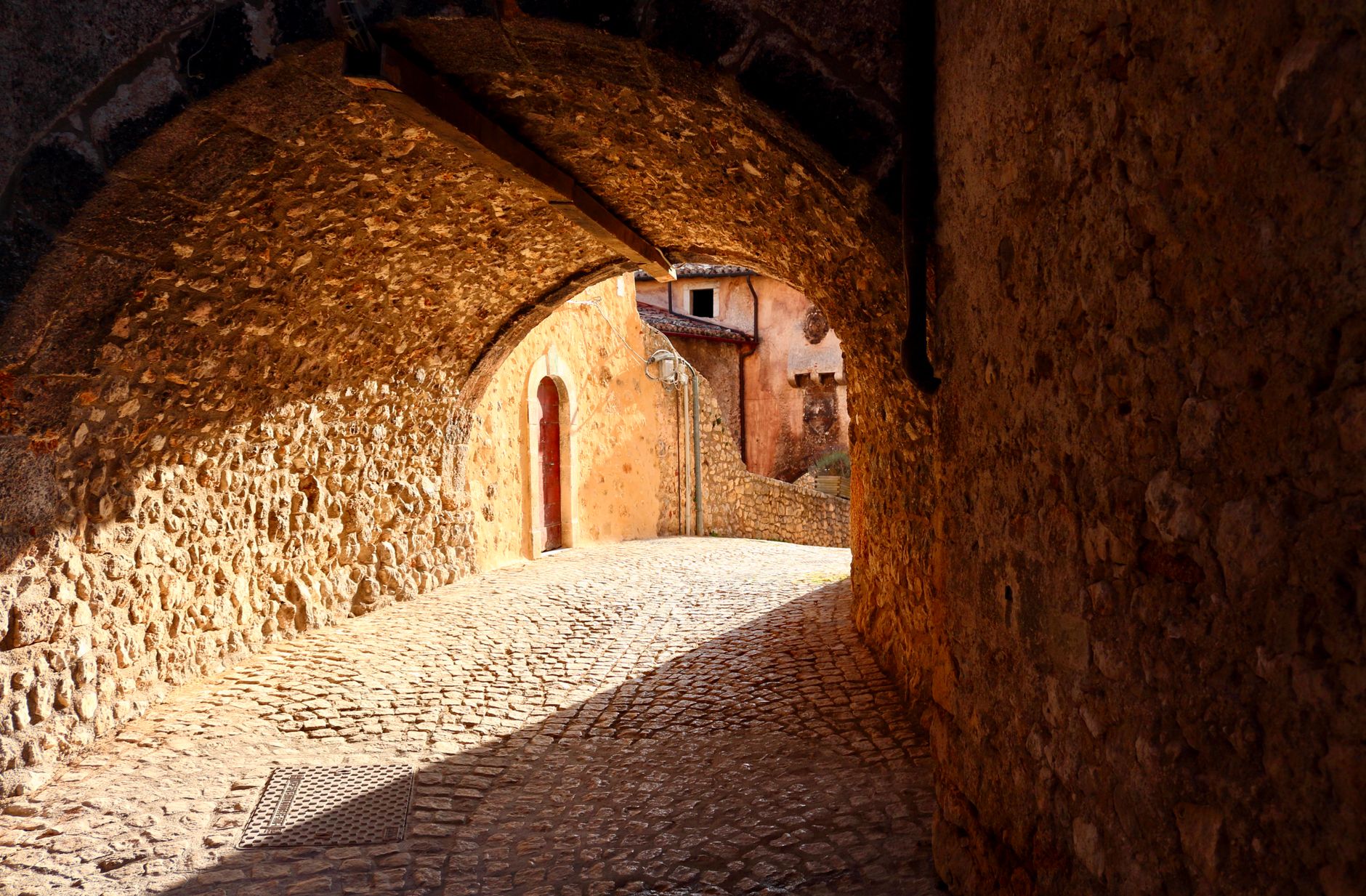
The town stacks itself up the cliffside above two harbours: the working Porto del Valle and the quieter Porto Vecchio. Days revolve around the water, tracking the morning departures for Giglio, wandering the staircase alleys of the historic centre, and watching the trawler fleet return in the late afternoon. It suits travellers who prefer salt air, honest maritime routines, and steep walking over polished resort glamour.
24 hours in Porto Santo Stefano Grosseto Italy
Start with espresso on Piazza dei Rioni, then climb the stone steps to the Spanish Fortress by 10:00. Head down to the port for a lunch of spaghetti alle vongole along Via del Molo. Spend the afternoon swimming at Cala del Gesso, a fifteen-minute drive away, before returning to the harbour for fried paranza as the sun drops. Select 1 Day above to see it.
2 days in Porto Santo Stefano Grosseto Italy
On day two, drive the winding Strada Panoramica to Porto Ercole on the south side of the promontory. Walk up to Forte Stella and explore the old Spanish ramparts. For dinner back in Santo Stefano, trade fish for terrestrial Maremma cooking, ordering wild boar pappardelle and a glass of local Morellino di Scansano at an inland osteria. Choose 2 Days to expand the plan.
3 days in Porto Santo Stefano Grosseto Italy
A third day allows an early ferry to Isola del Giglio. Hike the granite trails from Giglio Porto up to the medieval walls of Giglio Castello, stopping for panficato cake. Return on the late afternoon crossing to Santo Stefano, capping the trip with a glass of chilled Ansonica on a harbour bench as the fishing nets get folded.
Porto Santo Stefano Grosseto Italy itineraries by interest
Local Seafood in Porto Santo Stefano Grosseto Italy
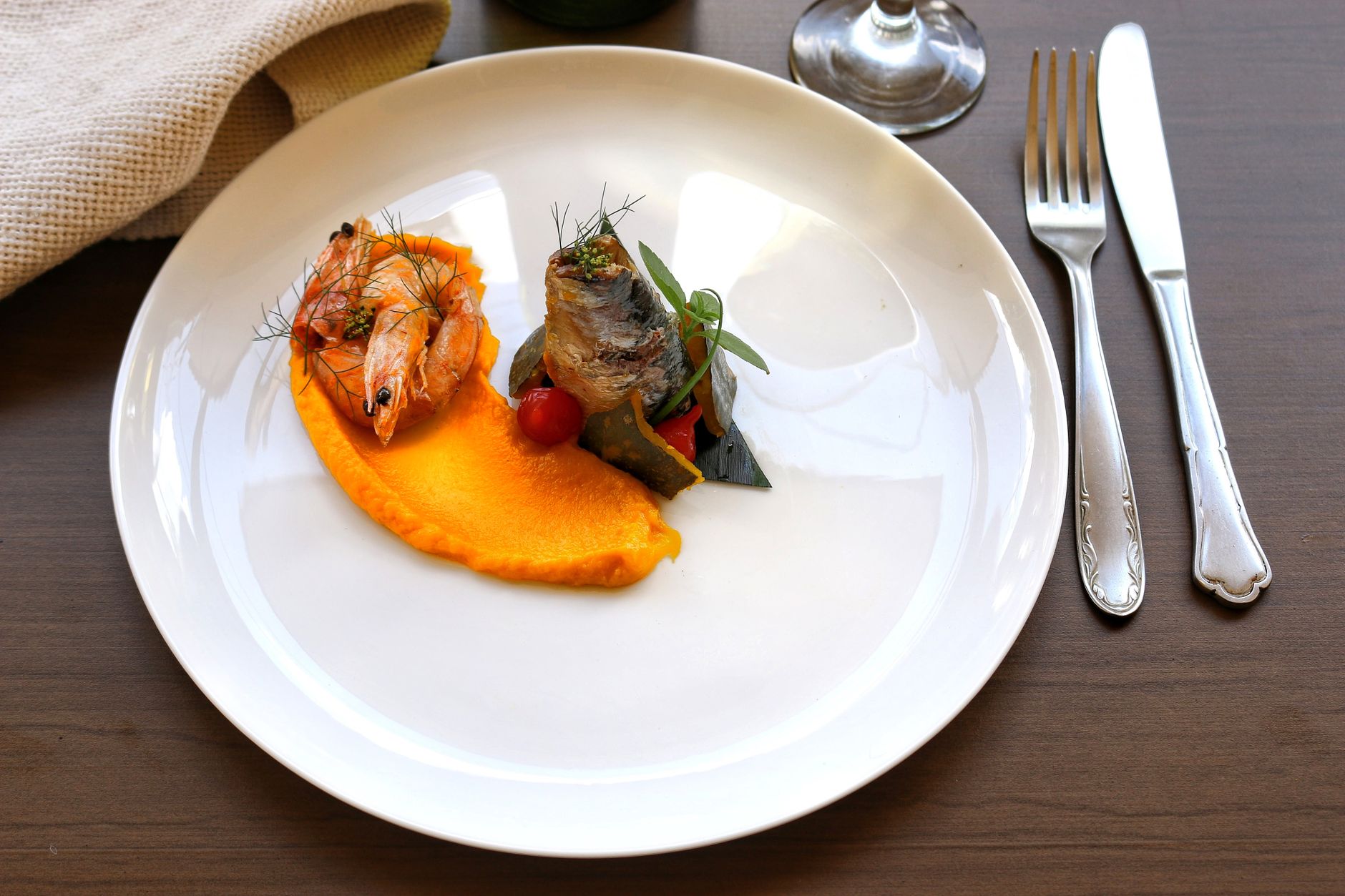
Look for zenzigalli, red mullet, and moscardini stewed in tomato, served at the port trattorias as the evening trawlers unload their catch along the quay.
Military Fortifications in Porto Santo Stefano Grosseto Italy
Climb to the 17th-century Fortezza Spagnola, built under the State of the Presidi, housing naval archaeology and views across the Orbetello lagoon.
Island Ferries in Porto Santo Stefano Grosseto Italy
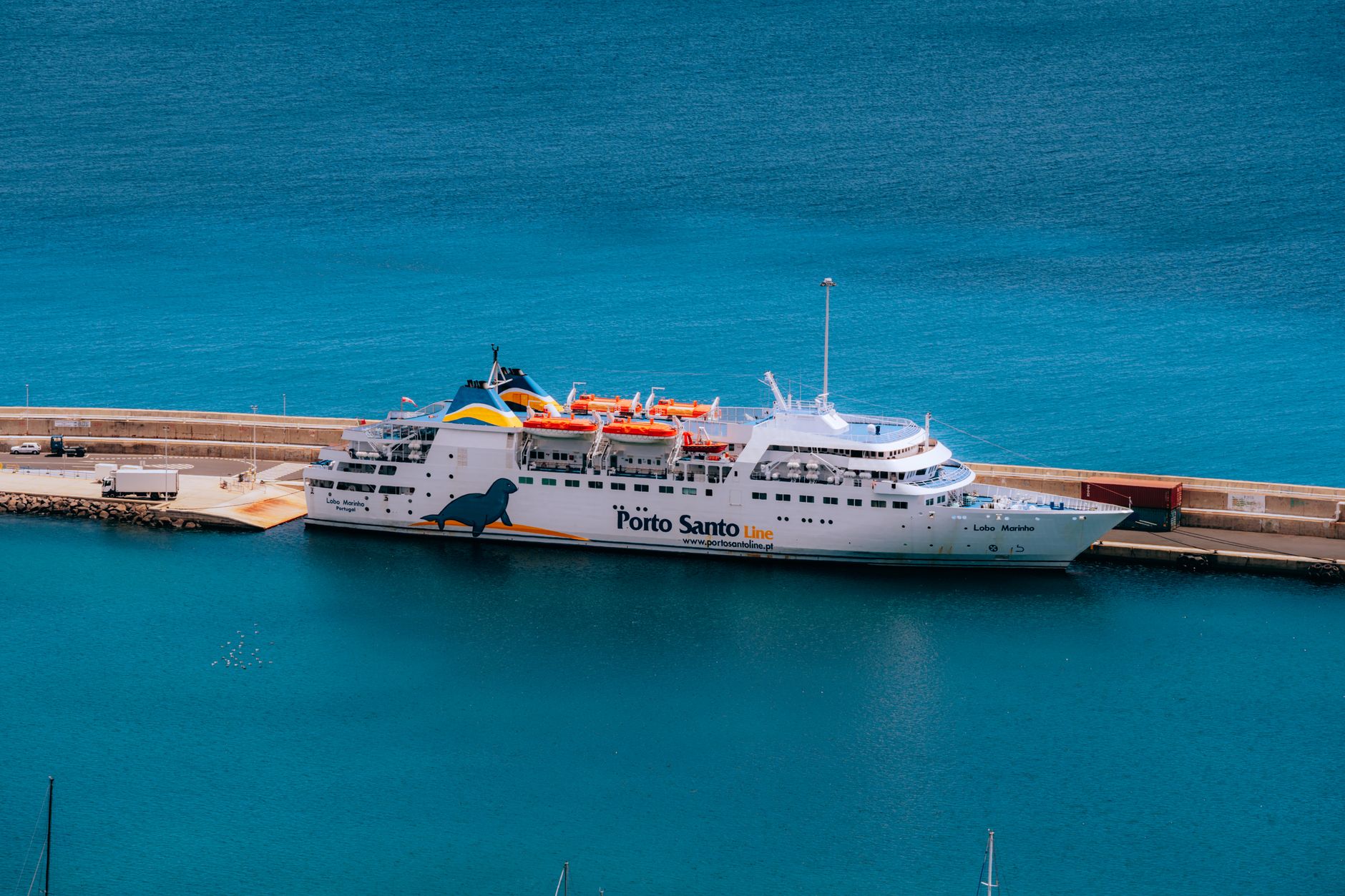
Board the Toremar or Maregiglio passenger boats from Porto del Valle for the one-hour crossing to Giglio Porto and Giannutri's Roman villa ruins.
Coastal Drives in Porto Santo Stefano Grosseto Italy
Navigate the narrow Strada Panoramica past Cala Grande and Cala Moresca, where sheer limestone cliffs drop directly into deep cobalt water.
Local Wine in Porto Santo Stefano Grosseto Italy
Sample crisp Ansonica Costa dell'Argentario, a mineral white grape grown on steep terraced vineyards cut into the peninsula's rocky dry-stone slopes.
Town Beaches in Porto Santo Stefano Grosseto Italy
Walk the gravel paths down to Spiaggia della Bionda or Cala del Gesso, where sheltered coves offer clear swimming water over smooth pebble beds.
Harbour Life in Porto Santo Stefano Grosseto Italy
Follow the morning bustle along Piazzale dei Rioni and Porto Vecchio, where fishermen mend nets beside pastel houses designed by architect Giò Ponti.
Hiking Trails in Porto Santo Stefano Grosseto Italy
Trek the forested paths up to the Convento dei Passionisti and the radio towers at Punta Telegrafo for a panoramic look across the Tuscan archipelago.
Street Food in Porto Santo Stefano Grosseto Italy
Grab hot scagliozzi and fried calamari in paper cones from waterfront fry shops, paired with a cold Moretti while watching the yacht traffic clear out.
Maritime Traditions in Porto Santo Stefano Grosseto Italy
Learn the lore of the Palio Marinaro dell'Argentario, an August rowing regatta contested between the four historic rioni since 1937.
Lagoon Ecology in Porto Santo Stefano Grosseto Italy
Cross the dam into the Orbetello Lagoon reserve to spot pink flamingos, grey herons, and traditional mullet-fishing traps called lavorieri.
Sailing & Boating in Porto Santo Stefano Grosseto Italy
Rent a small gozzo motorboat at Porto del Valle to anchor off secluded grottos and coves around Argentario that are unreachable by road.