


Portoferraio sits an hour by ferry from Piombino on the Tuscan mainland, anchoring Elba's northern shore. It is known for its towering sixteenth-century Medici bastions and Napoleon's exile estate. Portoferraio is worth visiting if you want to climb Renaissance forts on foot, swim off the white pebbles of Spiaggia delle Ghiaie, and drink local Ansonica beside working fishing boats. Look elsewhere if you want sprawling sandy beaches, rowdy late-night bars, or flat terrain that goes easy on your knees.
Last updated 23 Oct 2026
Build a Portoferraio itinerary.
Choose up to 4 threads that pull you in. Your plan arrives organised around them.
The Bed
Where to stay in Portoferraio
Which part of town to book, and what each one costs you in walking, noise or quiet.
The Comparison
Portoferraio, or somewhere near it
The places you are realistically choosing between, and the honest case for each.
The Local Record
Where to read more about Portoferraio
The blogs, boards, guides and operators worth bookmarking.
What to do in Portoferraio Livorno Italy
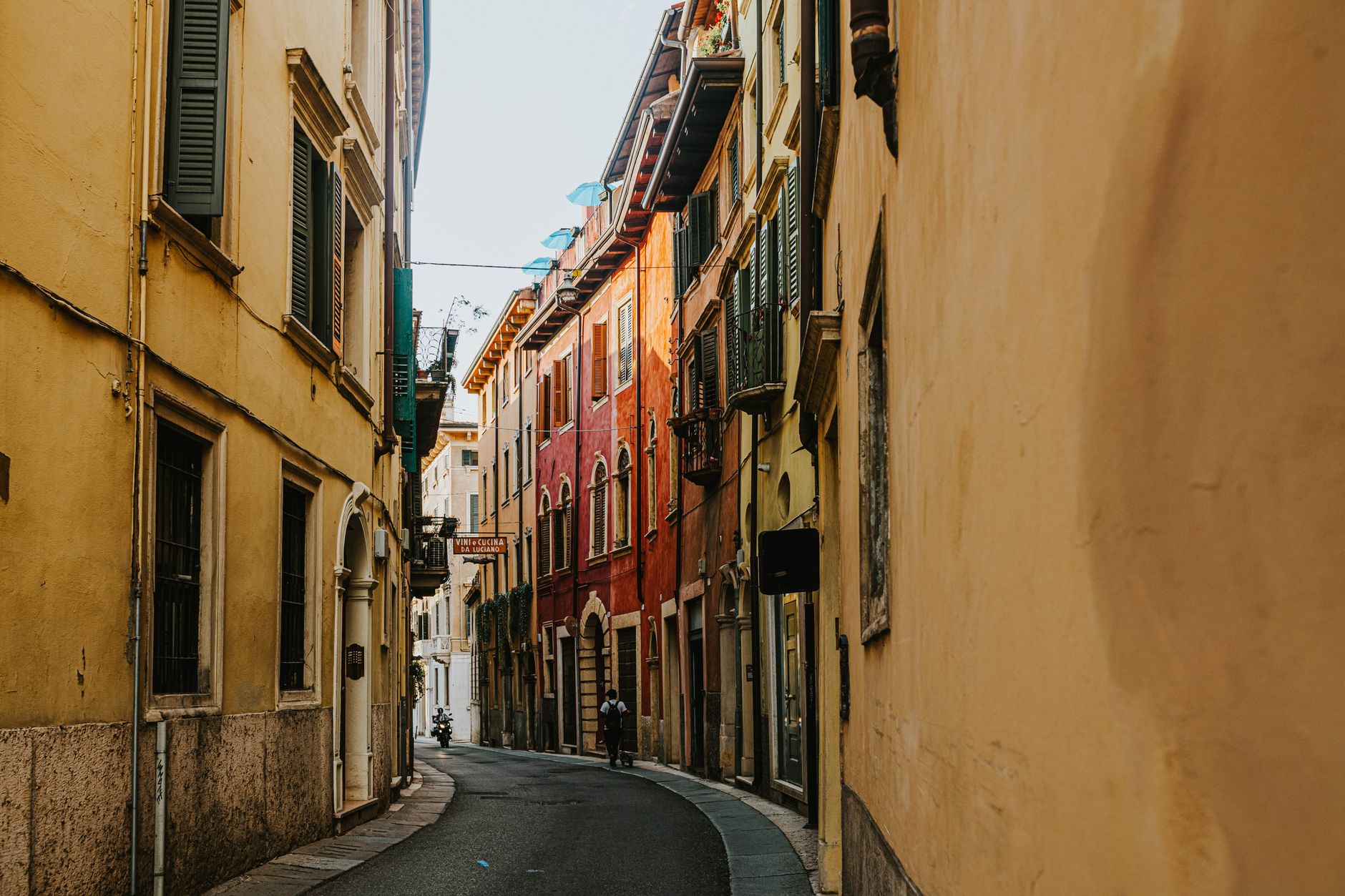
Portoferraio folds neatly around a horseshoe harbour, rising in tiers of pale ochre stone to its twin Medici citadels. Daily life splits between the morning market bustle behind Calata Mazzini and lazy afternoons along the white pebble coves on the north shore. It suits travellers who appreciate history with saltwater on their skin and prefer walking steep stone stairways over lounging in sprawling resort complexes.
24 hours in Portoferraio Livorno Italy
Start early at Forte Falcone before the sun heats the stone ramparts, then tour Napoleon’s modest rooms at Villa dei Mulini. Walk ten minutes down to Spiaggia delle Ghiaie for a midday swim. Dine on cuttlefish stew at a harbour tavern as the ferry lights flicker on the water. Select 1 Day above to see it.
2 days in Portoferraio Livorno Italy
A second day lets you follow the coastal path out to the cliffs of Capo Bianco and Spiaggia di Sansone. Head inland for dinner at a countryside osteria near San Martino, ordering wild boar pappardelle and a carafe of chilled Elba Rosso while the cicadas wind down. Choose 2 Days to expand the plan.
3 days in Portoferraio Livorno Italy
With three days, catch the morning bus to Marciana to ride the open basket lift up Monte Capanne for island-wide views. Spend the evening wandering the quiet waterfront of Marciana Marina, drinking a glass of sweet Aleatico over almond pastries before returning to port.
Portoferraio Livorno Italy itineraries by interest
Local Seafood in Portoferraio Livorno Italy
Order cacciucco elbano simmered with scorpionfish and cuttlefish, or grilled dentice at the traditional trattorias along Calata Mazzini harbour.
Military Fortifications in Portoferraio Livorno Italy
Climb the stone ramps of Forte Falcone and Forte Stella, built under Cosimo I in 1548 to defend Cosmopoli against Ottoman pirate fleets.
Wine & Vineyards in Portoferraio Livorno Italy
Sample sweet Aleatico Passito dell'Elba DOCG and crisp white Ansonica poured straight from cellars tucked along the coastal hillsides.
Beaches in Portoferraio Livorno Italy
Swim the turquoise shallows of Spiaggia delle Ghiaie and Padulella, famed for smooth white eurite pebbles dotted with blue mineral specks.
Historic Residences in Portoferraio Livorno Italy
Tour Villa dei Mulini atop the ramparts to see Napoleon's simple iron bed, campaign library, and quiet garden overlooking the Piombino channel.
Coastal Walks in Portoferraio Livorno Italy
Follow the cliffside path from Capo Bianco around to Sansone beach for limestone headlands and sea breezes without needing a rental car.
Markets & Produce in Portoferraio Livorno Italy
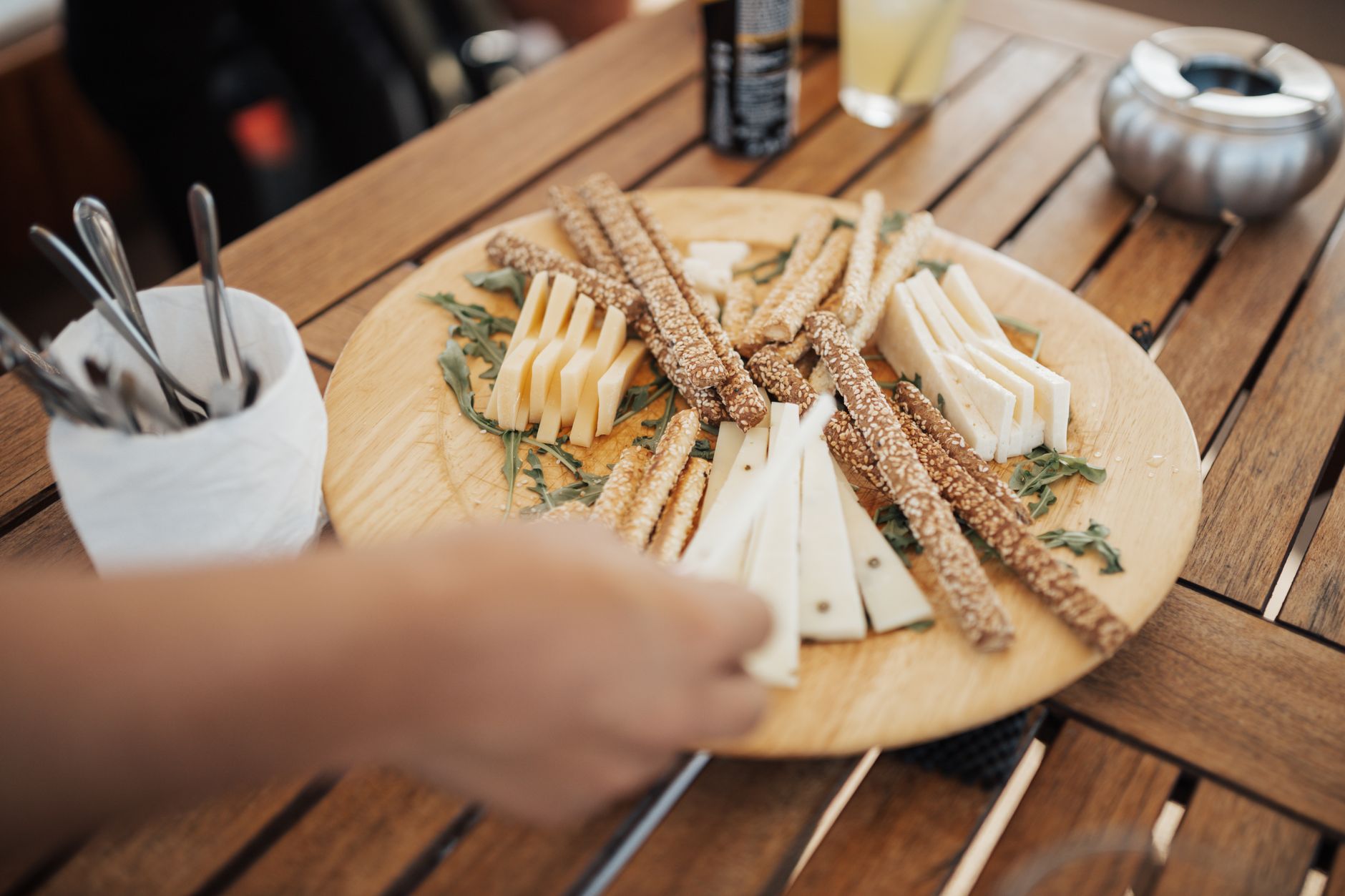
Visit Friday morning stalls on Via San Rocco for sheep pecorino, wild chestnut honey, and loaves of dense, nut-studded schiaccia briaca.
Sacred Architecture in Portoferraio Livorno Italy
Step into the 16th-century Duomo on Piazza della Repubblica, then find the Church of the Misericordia housing a bronze death mask of Napoleon.
Maritime Heritage in Portoferraio Livorno Italy
Walk the Linguella Tower at the harbour entrance, where Roman amphorae sit alongside exhibits tracking centuries of Tyrrhenian boat trade.
Hiking in Portoferraio Livorno Italy
Tackle the marked trails up Monte San Martino to discover old iron mines, fragrant wild rosemary scrub, and views spanning to Corsica.
Day Trips in Portoferraio Livorno Italy
Board a local bus to Capoliveri for hilltop lanes, or drive twenty minutes west to the quiet fishing harbour of Marciana Marina.
Baking Traditions in Portoferraio Livorno Italy
Grab a warm slice of castagnaccio chestnut cake or raisin-rich schiaccia briaca from wood-fired panifici hidden along the stepped alleys.