

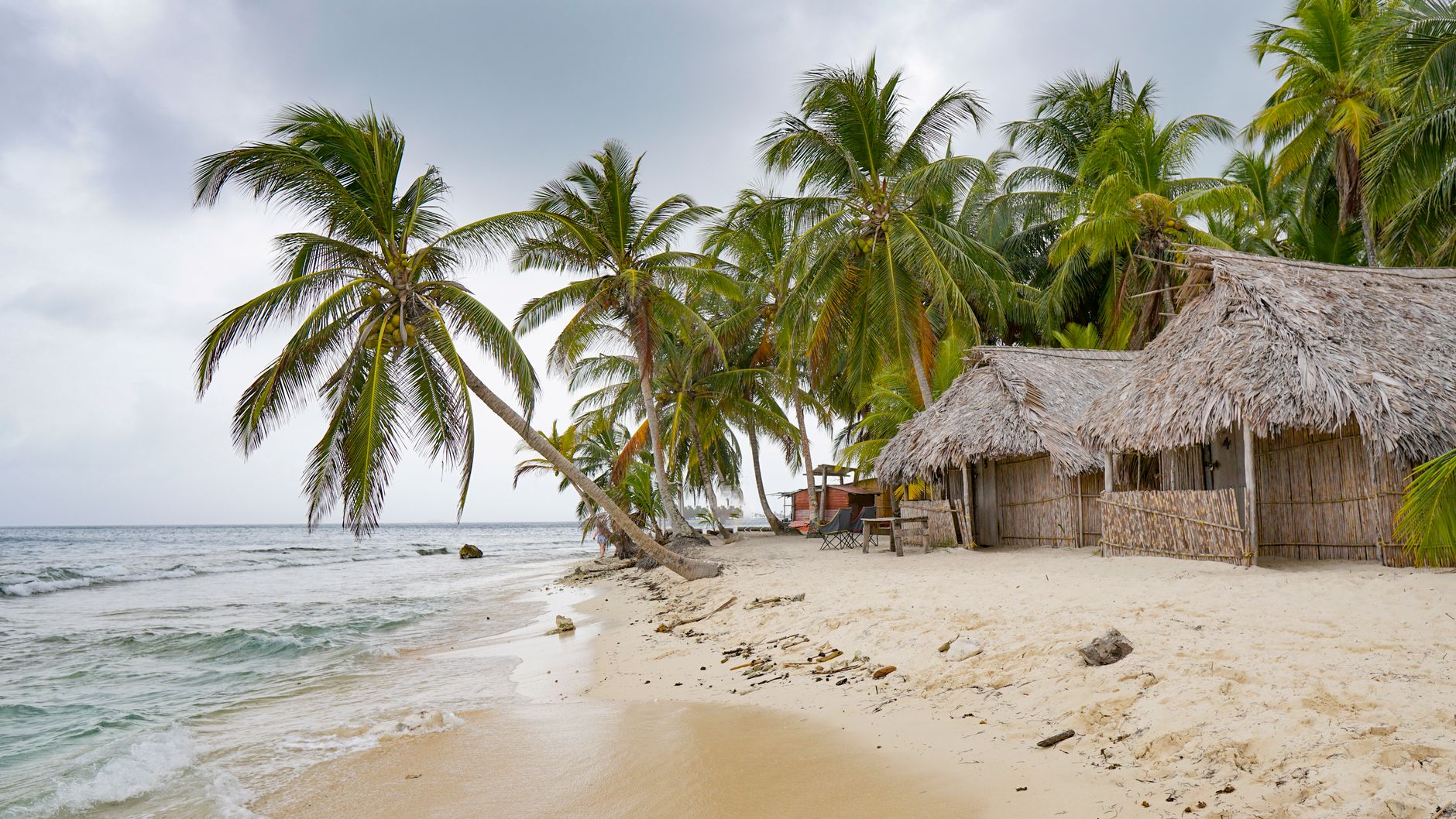


San Blas sits 65 kilometres west of Tepic, reached in under an hour by highway, or three hours north of Puerto Vallarta. The town is known for its extensive coastal wetlands and eighteenth-century Spanish naval garrison. San Blas is worth visiting if you care about world-class birdwatching in mangrove estuaries, quiet ruins, and fresh pescado zarandeado cooked over mangrove wood. Look elsewhere if you expect manicured resort strips, late-night dance clubs, or insect-free beaches.
Last updated 12 Nov 2026
Build a San Blas itinerary.
Choose up to 4 threads that pull you in. Your plan arrives organised around them.
The Bed
Where to stay in San Blas
Which part of town to book, and what each one costs you in walking, noise or quiet.
The Comparison
San Blas, or somewhere near it
The places you are realistically choosing between, and the honest case for each.
The Local Record
Where to read more about San Blas
The blogs, boards, guides and operators worth bookmarking.
What to do in San Blas Nayarit Mexico
San Blas spreads flat along the Rio San Cristobal estuary, dominated by a working fishing harbour, quiet residential blocks, and dense mangrove networks. Life here follows the tides and the birding launches, trading polished tourism for dockside oyster shacks and ruined colonial forts. It suits independent travellers, birders, and seafood purists who prize honest coastal routine over pool cabanas and organised resort timetables.
24 hours in San Blas Nayarit Mexico
Board a 06:30 boat at Embarcadero La Aguada into La Tovara before the sun heats the swamp. By midday, walk up San Basilio hill to see the Spanish fort ruins, then take a short taxi to Playa Las Islitas for whole snook roasted over open wood coals. Select 1 Day above to see it.
2 days in San Blas Nayarit Mexico
A second day lets you explore the port side of town along Calle Canalizo and buy sweet banana bread near the plaza. Spend the afternoon south in Matanchan eating freshly shucked rock oysters and watching longboarders work the outer sandbars. Choose 2 Days to expand the plan.
3 days in San Blas Nayarit Mexico
With three days, venture inland toward the foothill coffee plots of Jalcocotan, or charter a boat north into the isolated canals of the Marismas Nacionales, where quiet indigenous shell mounds and secluded estuaries remain untouched by roads.
San Blas Nayarit Mexico itineraries by interest
Local Seafood in San Blas Nayarit Mexico
Eat pescado zarandeado, fresh red snapper split open, basted with chili and dried shrimp paste, then smoked over mangrove wood on Playa Las Islitas.
Birdwatching in San Blas Nayarit Mexico
Board an open panga through La Tovara spring to spot boat-billed herons, endemic Mexican woodnymphs, and hundreds of wintering migrant species.
Maritime History in San Blas Nayarit Mexico
Climb San Basilio hill to walk the stone ramparts of the eighteenth-century Fuerte de San Blas and inspect the old naval customs building by the docks.
Sacred Architecture in San Blas Nayarit Mexico
Visit the roofless 1769 church of Nuestra Senora del Rosario, immortalised by Longfellow, with its ruined stone nave overlooking the lowlands.
Coastal Walks in San Blas Nayarit Mexico
Wander along Playa El Borrego at sunrise for long, empty Pacific surf views before the afternoon jejenes insects arrive along the tide line.
Markets & Produce in San Blas Nayarit Mexico
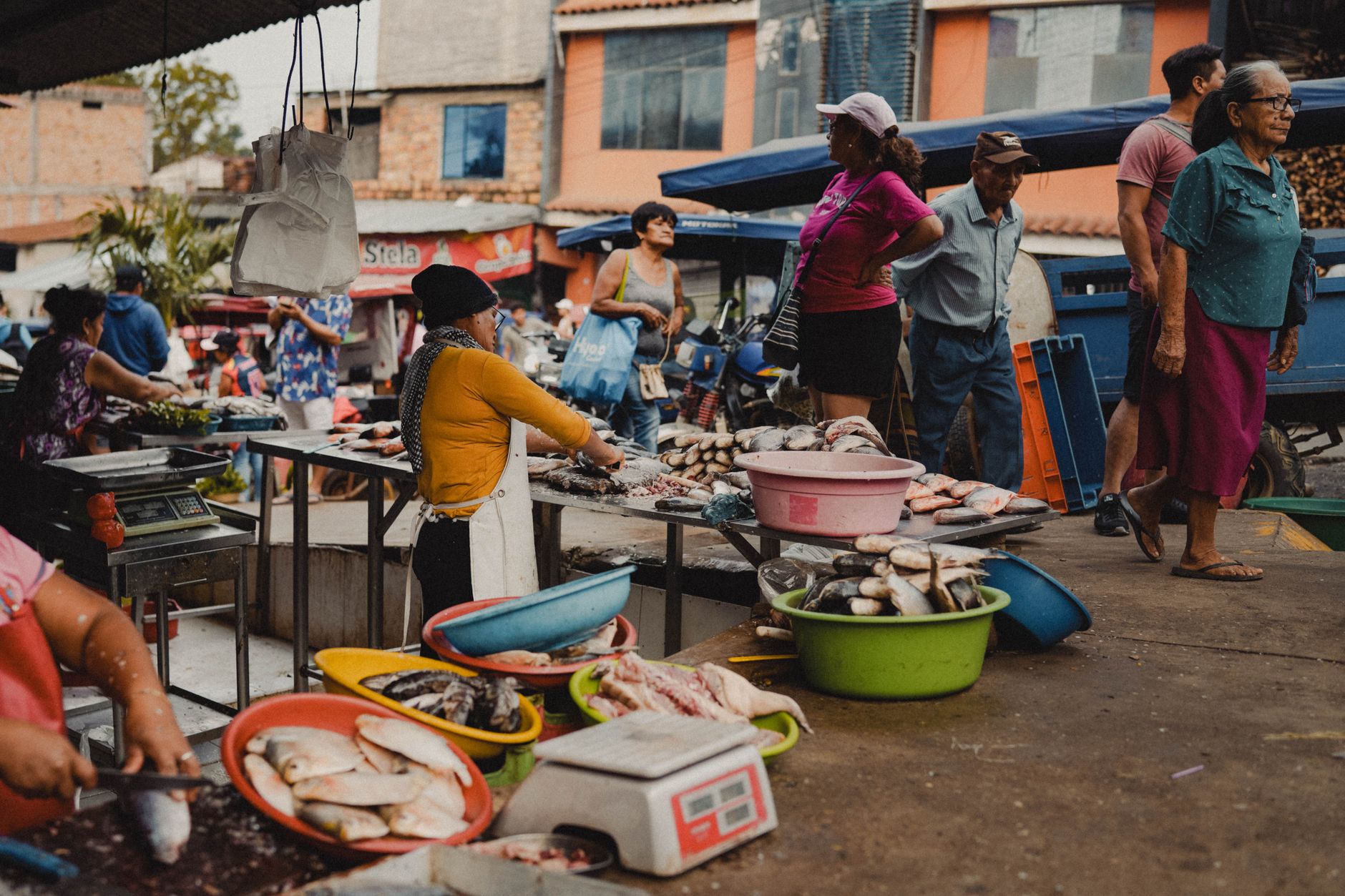
Browse Mercado Municipal for freshly baked pan de platano, blocks of local piloncillo sugar, dried shrimp powder, and regional ataulfo mangos.
Boat Trips in San Blas Nayarit Mexico
Hire a licensed cooperative launch at embarcadero El Conchal for a slow drift through tidal freshwater canals ending at Kiekari crocodile sanctuary.
Day Trips in San Blas Nayarit Mexico
Drive forty minutes south to the small fishing cove of Santa Cruz de Matanchan, famous for deep-water oyster shucking directly on the sand.
Street Food in San Blas Nayarit Mexico
Order ceviche de sierra mixed with grated carrot and lime from plastic-stool carts parked around the town plaza after the fishing fleet docks.
Plantation Heritage in San Blas Nayarit Mexico
Head inland toward Singaita to trace old tobacco and banana drying sheds that shaped the rural agricultural economy of the central Nayarit plain.
Surfing in San Blas Nayarit Mexico
Paddle into the gentle, extraordinarily long-peeling right-hand point break rolling across the shallow sandbars off Playa Las Islitas point.
Historic Towns in San Blas Nayarit Mexico
Ride thirty minutes southeast to Jalcocotan in the coastal foothills to sample locally roasted shade-grown coffee and mountain fruit liquors.