



San Blas sits on the Nayarit coast, about an hour west of Tepic by car and three hours north of Puerto Vallarta. The town is known for the mangrove estuaries of La Tovara and its eighteenth-century naval ruins above the Pacific. San Blas is worth visiting if you want world-class birding by wooden skiff and fresh snook roasted over mangrove wood. Look elsewhere if you want polished resort amenities, pristine swimmable surf, or high-energy nightlife.
Last updated 6 Oct 2026
Build a San Blas itinerary.
Choose up to 4 threads that pull you in. Your plan arrives organised around them.
The Bed
Where to stay in San Blas
Which part of town to book, and what each one costs you in walking, noise or quiet.
The Comparison
San Blas, or somewhere near it
The places you are realistically choosing between, and the honest case for each.
The Local Record
Where to read more about San Blas
The blogs, boards, guides and operators worth bookmarking.
What to do in San Blas Nayarit Mexico
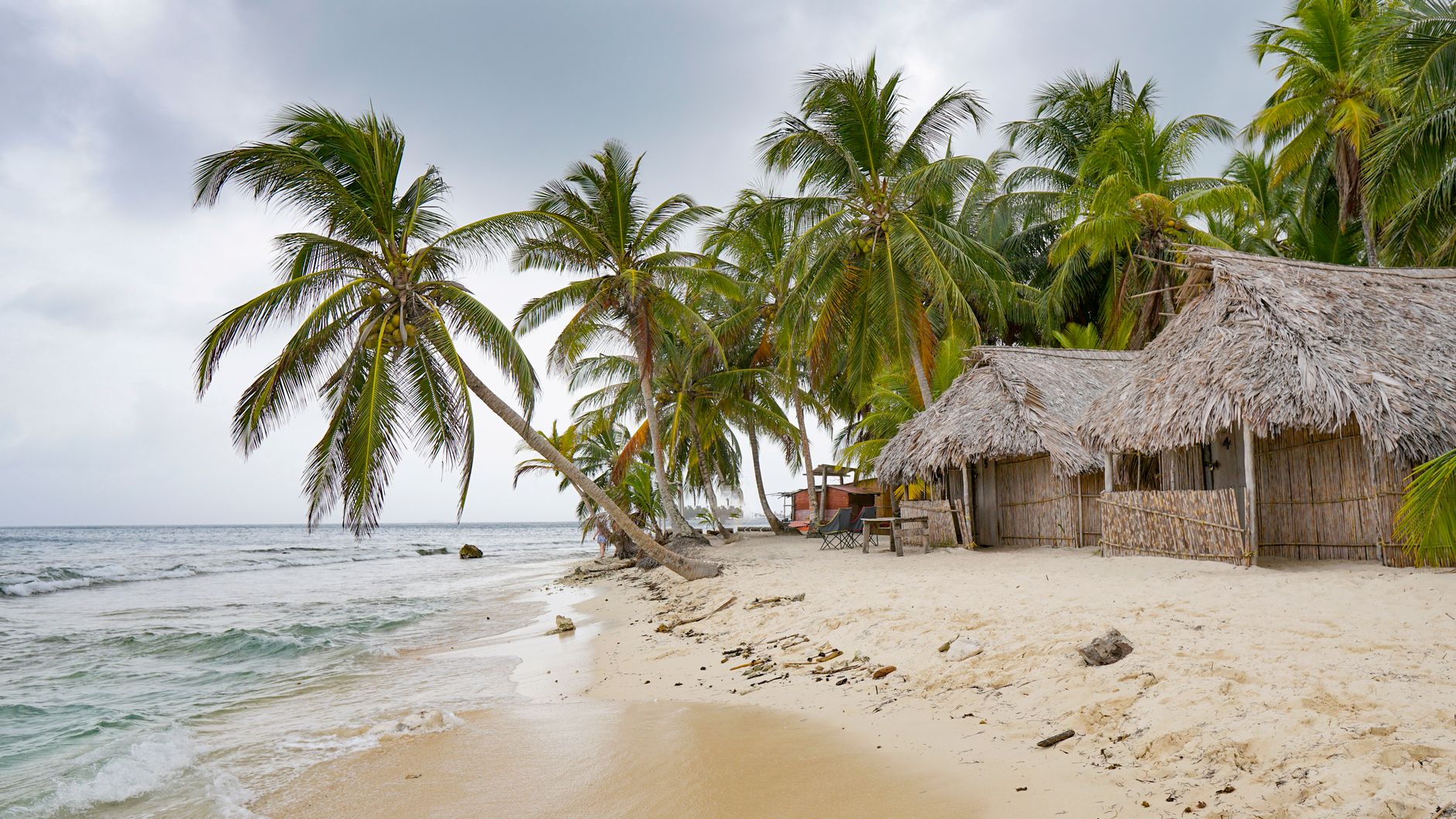
The town revolves around its sleepy central plaza, the fishing docks, and the vast mangrove waterways wrapping the coast. Mornings belong on the water before the heat and insects settle in; afternoons are best spent under thatch along Playa El Borrego eating grilled fish. It suits birders, quiet road-trippers, and travellers who prefer working coastal ports to manicured resort strips.
24 hours in San Blas Nayarit Mexico
Board a 7:00 AM skiff at Embarcadero La Aguada to drift through La Tovara spring. By noon, head ten minutes south to Playa Las Islitas for whole snook zarandeado roasted over hardwood. Finish before dusk with a ten-minute walk up Cerro de San Basilio to watch the sun drop behind the ruined fort of La Contaduría. Select 1 Day above to see it.
2 days in San Blas Nayarit Mexico
Cross the estuary channel by small water taxi to Isla del Rey, walking the quiet sand trails where Huichol pilgrims make traditional offerings. Afterwards, return to the municipal market on Calle Sinaloa for smoked marlin empanadas and fresh mango juice, spending a quiet late afternoon along the historic docks of the San Cristóbal river. Choose 2 Days to expand the plan.
3 days in San Blas Nayarit Mexico
Take a forty-five-minute drive south along highway 200 to the cove at Matanchén Bay for fresh banana bread and calm paddle-boarding. Linger over a bowl of fish ceviche with lime at Aticama, where seaside shacks shuck local rock oysters on wooden planks while you watch the pelicans work the shoreline.
San Blas Nayarit Mexico itineraries by interest
Local Seafood in San Blas Nayarit Mexico
Order pescado zarandeado, split snook basted with achiote and chiles, then slow-grilled over mangrove coals at beach palapas along Playa El Borrego.
Wildlife Watching in San Blas Nayarit Mexico
Hire a panga boatman at dawn from Embarcadero La Aguada to drift through La Tovara's mangroves for boat-billed herons, river crocodiles, and trogons.
Military Ruins in San Blas Nayarit Mexico
Walk uphill to the 1770 Fuerte de San Basilio and the ruined Templo de Nuestra Señora del Rosario, taking in expansive views across the Pacific harbour.
Coastal Walks in San Blas Nayarit Mexico
Follow the shoreline along Playa Las Islitas, where calm, shallow waters meet rows of palm huts serving fresh ceviche and cold Pacifico beer under shade.
Indigenous Heritage in San Blas Nayarit Mexico
Observe Wixárika (Huichol) sacred sites at Isla del Rey across the estuary, accessible by quick water taxi from the town dock for ceremonial salt flats.
Markets & Produce in San Blas Nayarit Mexico
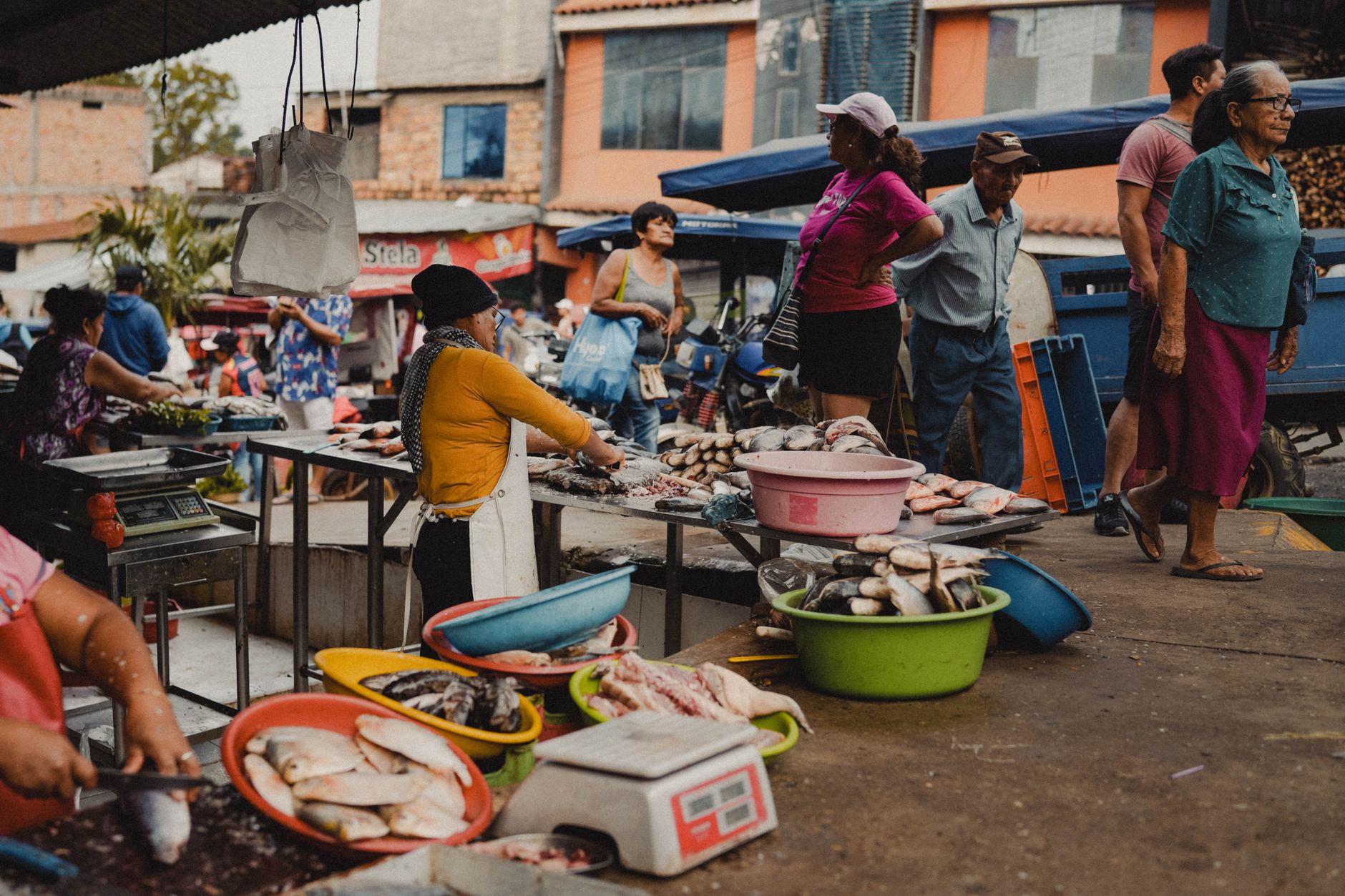
Browse the central municipal market on Calle Sinaloa for regional smoked fish, ataulfo mangoes, local jackfruit, and loaves of sweet pan de plátano.
Surfing in San Blas Nayarit Mexico
Paddle out at Stoners Point break or the soft river-mouth waves near Playa El Borrego, popular with longboarders during south swell summer mornings.
Historic Architecture in San Blas Nayarit Mexico
Inspect the stone facade of the eighteenth-century Old Customs House, La Contaduría, built to manage Pacific trade galleons between Acapulco and Manila.
Street Food in San Blas Nayarit Mexico
Pull up a plastic stool near the main plaza after dark for sopes de ostión, tacos de marlin ahumado, and cups of sweet tepache from street vendors.
Day Trips in San Blas Nayarit Mexico
Drive forty minutes inland to the crater lake of Santa María del Oro or explore mountain coffee fincas in the volcanic foothills near Compostela.
Birding in San Blas Nayarit Mexico
Join early-morning wetland surveys along the San Cristóbal estuary to spot over three hundred species, including military macaws and wood storks.
Sailing & Boating in San Blas Nayarit Mexico
Charter a launch from the modern Marina Fonatur for deep-sea trolling for mahi-mahi and sailfish in the deep blue waters off the Nayarit shelf.