Santa Rosalía.


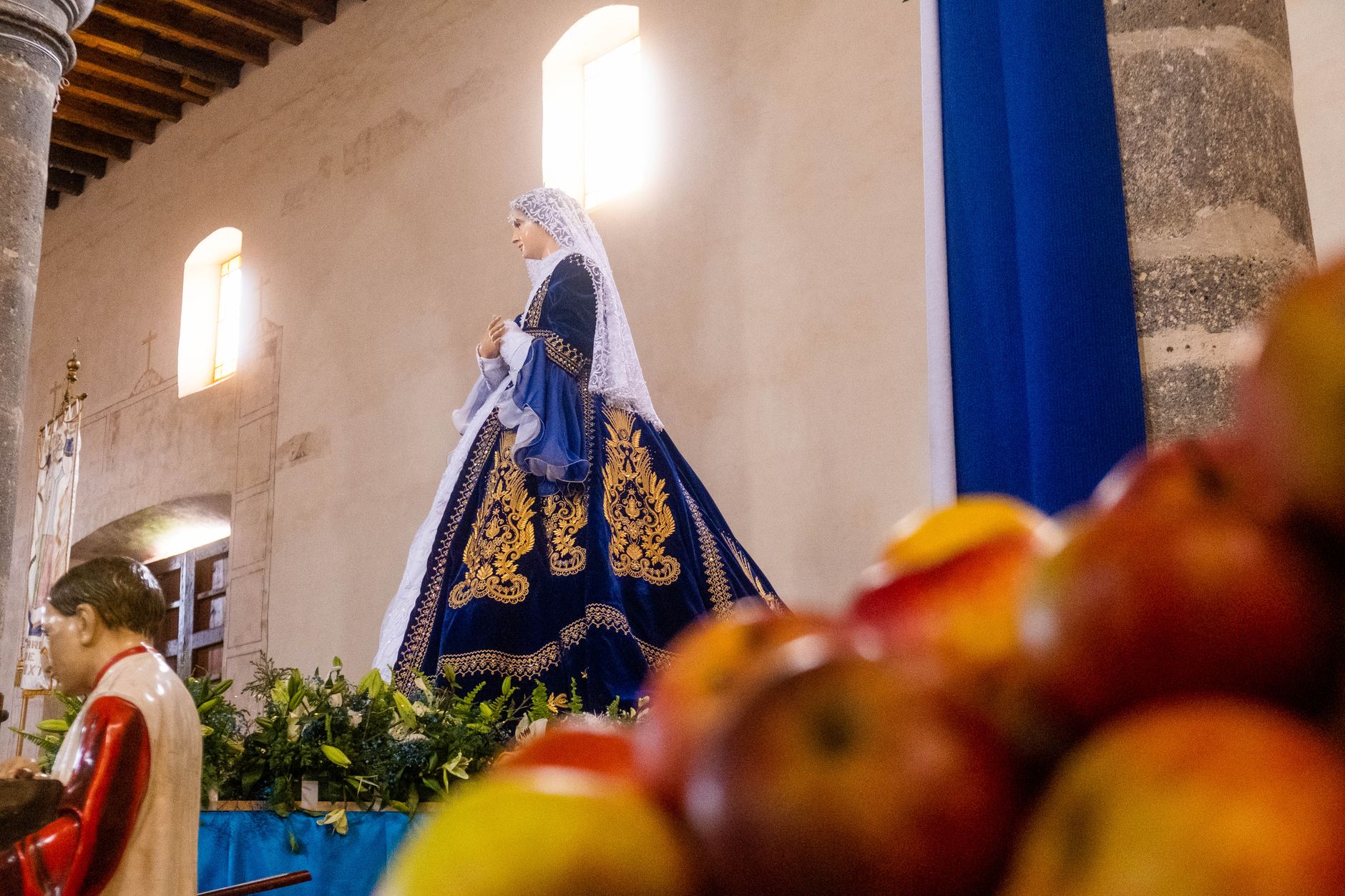

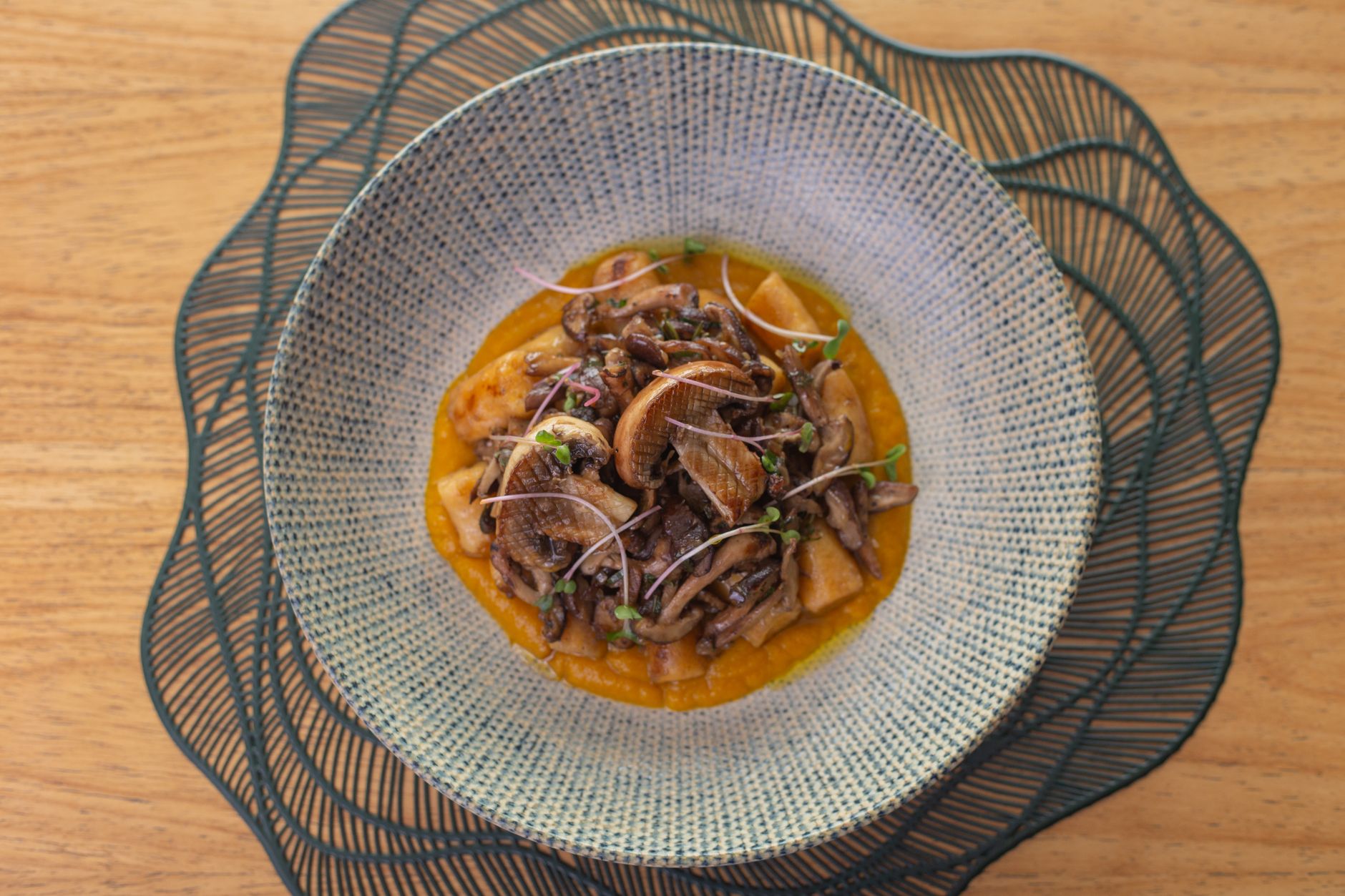
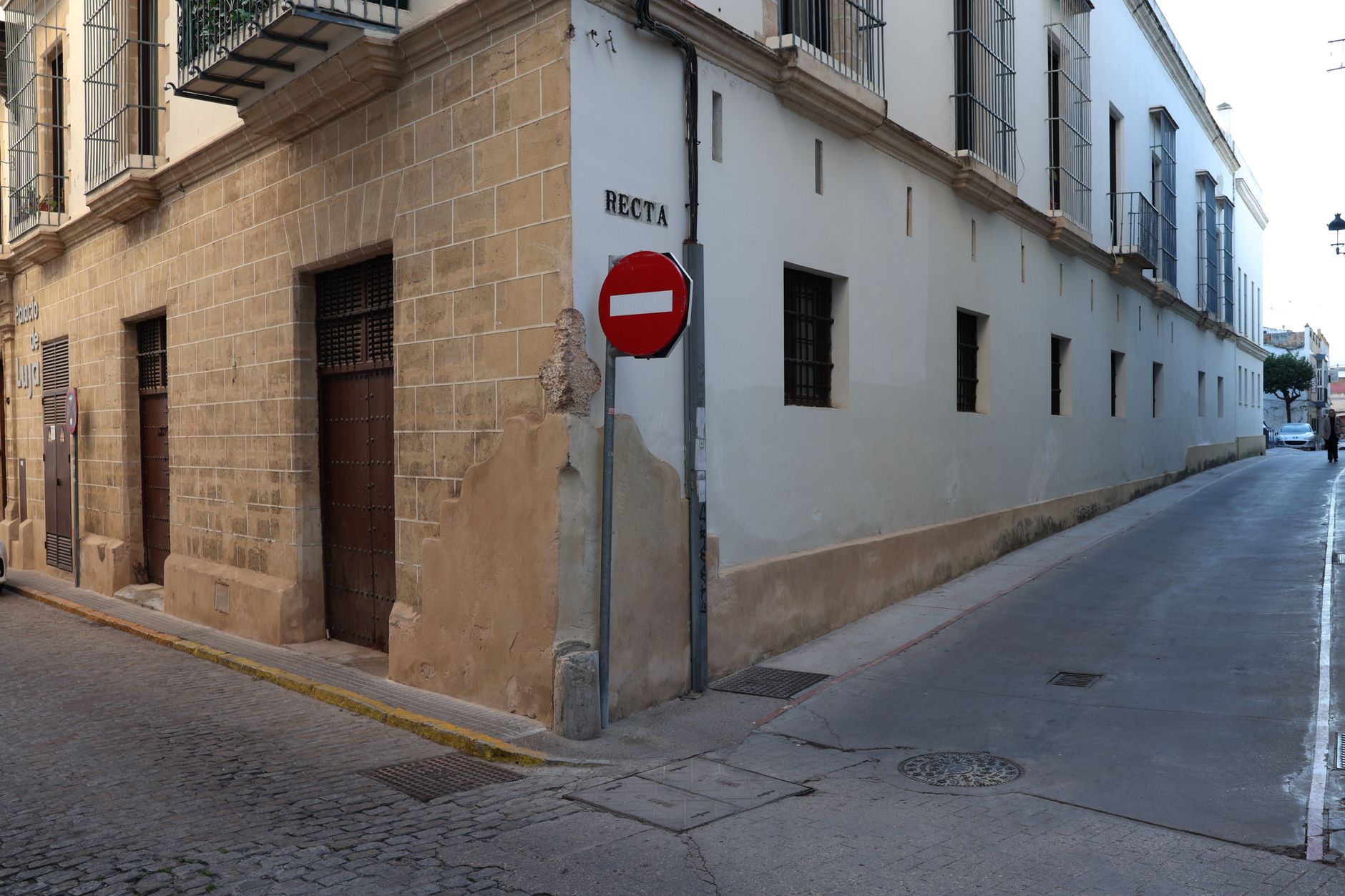
Santa Rosalía sits on the Sea of Cortez, three hours north of Loreto along Federal Highway 1. The town developed around the nineteenth-century French Boleo copper mine, leaving dark timber homes, industrial slag, and a prefabricated stamped-steel church. Santa Rosalía is worth visiting if you want French-influenced regional baking, nineteenth-century industrial heritage, and quiet coastal eating. Look elsewhere if you want white-sand resort beaches, luxury marinas, or nightlife.
Last updated 2 Nov 2026
Build a Santa Rosalía itinerary.
Choose up to 4 threads that pull you in. Your plan arrives organised around them.
The Bed
Where to stay in Santa Rosalía
Which part of town to book, and what each one costs you in walking, noise or quiet.
The Comparison
Santa Rosalía, or somewhere near it
The places you are realistically choosing between, and the honest case for each.
The Local Record
Where to read more about Santa Rosalía
The blogs, boards, guides and operators worth bookmarking.
What to do in Santa Rosalía Baja California Sur Mexico
Santa Rosalía splits neatly between the working harbour in the canyon and the breezy French Plateau up the hill. The rhythm is dictated by the morning bakery rush, midday heat, and early evening walks along Avenida Álvaro Obregón. It suits travellers who appreciate weathered mining history, unusual architecture, and unadorned portside fish joints over resort polish.
24 hours in Santa Rosalía Baja California Sur Mexico
Start at Panadería El Boleo for morning bread, then cross the street to examine the iron seams of Iglesia de Santa Bárbara. Spend the afternoon touring the old mining office museum before eating grilled yellowtail down by the docks as the sun drops behind the mesa. Select 1 Day above to see it.
2 days in Santa Rosalía Baja California Sur Mexico
Climb the hill to the Mesa Francia neighbourhood to study timber company houses, then drive thirty minutes south to the green river oasis of Mulegé for an afternoon under the palms and a dinner of fresh chocolata clams. Choose 2 Days to expand the plan.
3 days in Santa Rosalía Baja California Sur Mexico
Head inland towards the Tres Vírgenes volcano for morning desert trails, or arrange a guided day trip into the rugged canyons of the Sierra de San Francisco to view monumental prehistoric rock art in deep rock shelters.
Santa Rosalía Baja California Sur Mexico itineraries by interest
Industrial Heritage in Santa Rosalía Baja California Sur Mexico
Explore the rusted remains of the Boleo copper foundry, locomotive engines, and the wooden French administrative buildings along the mesa.
Bakeries & Cafes in Santa Rosalía Baja California Sur Mexico
Taste baguettes and pan dulce baked in century-old masonry ovens at Panadería El Boleo, running continuously since the mining era.
Sacred Architecture in Santa Rosalía Baja California Sur Mexico
Step inside Iglesia de Santa Bárbara, a prefabricated stamped-steel church designed in Europe and assembled on the town plaza in 1897.
Local Seafood in Santa Rosalía Baja California Sur Mexico
Order fresh callo de hacha, grilled pargo, and sea-salt ceviche served from small family palapas along the port and coastal highway.
Maritime History in Santa Rosalía Baja California Sur Mexico
Trace the Sea of Cortez trade routes and mining freighters at the Museo de Historia de la Minería, housed in the old company headquarters.
Street Food in Santa Rosalía Baja California Sur Mexico
Eat hot caguamanta manta ray stew and charred fish tacos from carts parked around Plaza Juárez after sunset.
Coastal Walks in Santa Rosalía Baja California Sur Mexico
Walk the black slag breakwater out to the historic wooden lighthouse overlooking the Gulf and fishing dories returning at dawn.
Desert Landscapes in Santa Rosalía Baja California Sur Mexico
Drive into the cardón cactus canyons of the Tres Vírgenes volcanic complex rising directly west of the coastal plain.
Day Trips in Santa Rosalía Baja California Sur Mexico
Take a forty-minute drive south along the highway to the palm oasis, date groves, and Jesuit mission of Mulegé.
Cave Art in Santa Rosalía Baja California Sur Mexico
Arrange a guided trek inland into the Sierra de San Francisco to see prehistoric polychrome rock paintings under deep canyon shelters.
Wildlife Watching in Santa Rosalía Baja California Sur Mexico
Spot osprey nests on abandoned mine cranes and migrating pelicans diving along the harbour breakwaters.
Historic Neighbourhoods in Santa Rosalía Baja California Sur Mexico
Stroll the wooden verandas and corrugated-iron rooflines of the French Plateau district perched above the arroyo.