
.jpg)
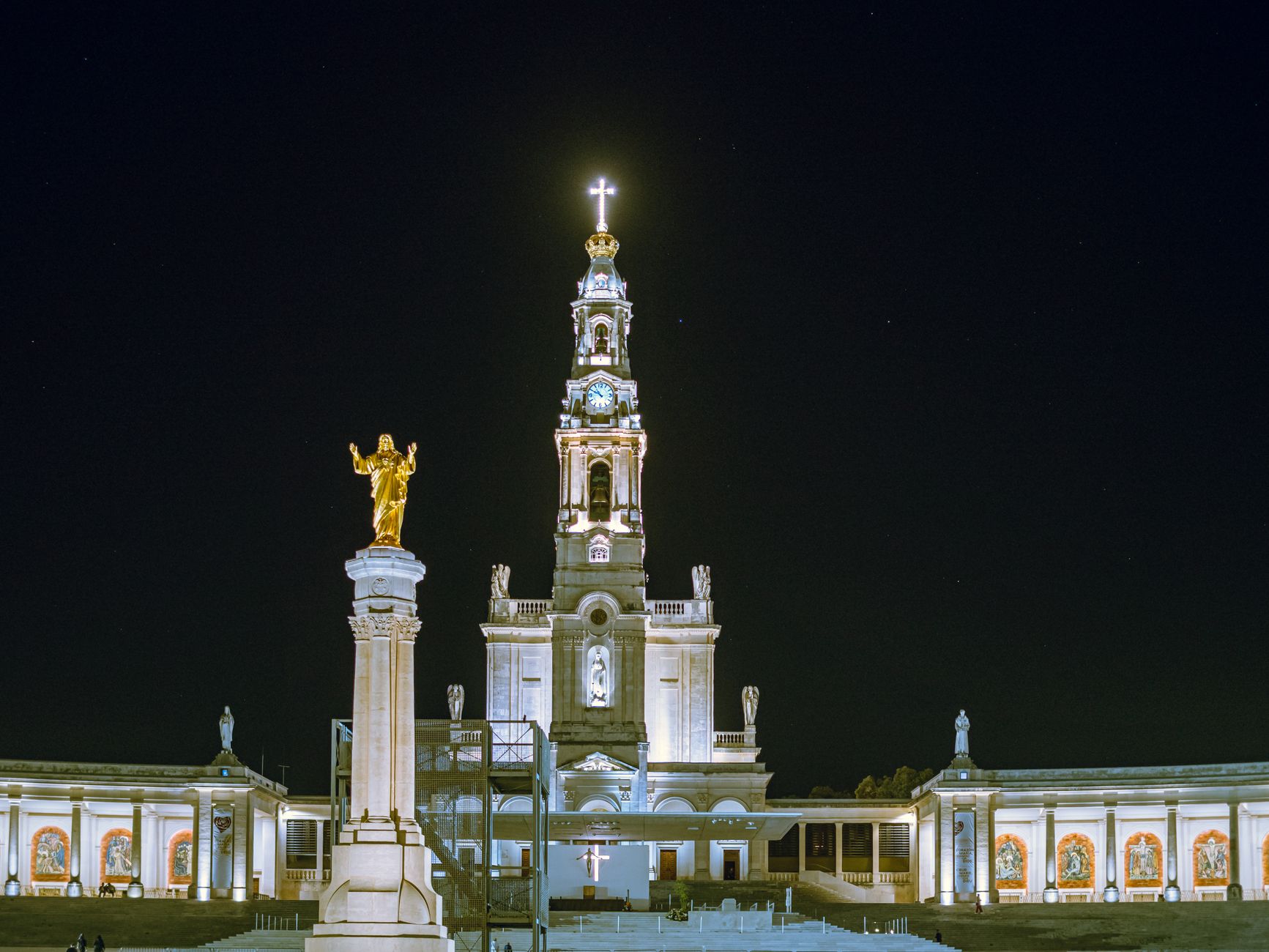


The Ribatejo wind hits you first at the ramparts of Portas do Sol, where the town drops sheer into the green flatlands of the Tagus valley. Santarém sits above the plains like a stony watchtower, quiet and self-contained. You come for Portugal's densest knot of Gothic brickwork, but you stay because the afternoon drifts by without drama. Down along Rua Direita, shopkeepers water their doorsteps while the bells of Santa Maria da Graça mark the hours over grilled river eel and cold white wine.
Last updated 28 Aug 2026
Build a Santarém itinerary.
Choose up to 4 threads that pull you in. Your plan arrives organised around them.
The Bed
Where to stay in Santarém
Which part of town to book, and what each one costs you in walking, noise or quiet.
The Comparison
Santarém, or somewhere near it
The places you are realistically choosing between, and the honest case for each.
The Local Record
Where to read more about Santarém
The blogs, boards, guides and operators worth bookmarking.
What to do in Santarém Santarém Portugal
Santarém sits on a high limestone bluff overlooking the Tagus, shaped by centuries of military defense and river trade. It is an unhurried, lived-in provincial capital made for walking between Gothic churches, leafy squares, and panoramic river viewpoints. The rhythm here revolves around long midday lunches and market mornings, making it ideal for travellers who appreciate architectural history and honest regional food without tour bus crowds.
24 hours in Santarém Santarém Portugal
Begin at Mercado Municipal admiring the tile murals before heading to the Gothic nave of Igreja da Graça. Eat lunch at a tasca near Praça Sá da Bandeira, ordering fataça na telha. Spend the late afternoon walking through the gardens at Portas do Sol to catch sunset across the Tagus, finishing with a glass of Tejo red in the old town. Select 1 Day above to see it.
2 days in Santarém Santarém Portugal
Day two takes you across the 1881 iron bridge to Almeirim for a bowl of rich sopa da pedra in a boisterous dining room. Return via the riverbank to explore the quiet lower neighbourhood of Ribeira de Santarém, visiting the medieval São João de Alporão museum before an evening pastry of celestes de Santa Clara. Choose 2 Days to expand the plan.
3 days in Santarém Santarém Portugal
A third day allows an easy excursion upstream to Castelo de Almourol, boarding the small ferry to reach its Templar battlements. Follow the river further to Golegã to see the Lusitano horse farms and traditional saddleries, returning to Santarém for a slow dinner of braised pork cheeks and local Fernão Pires white.
Santarém Santarém Portugal itineraries by interest
Gothic Architecture in Santarém Santarém Portugal
Track 13th-century rose windows and tombs at Igreja da Graça and São João de Alporão, Portugal’s most concentrated Gothic enclave.
River Fish in Santarém Santarém Portugal
Sample grilled fataça na telha and fried Tagus eels at riverside tascas, served with lemon wedges and thick-cut fried potatoes.
Markets & Produce in Santarém Santarém Portugal
Browse the 1930 Mercado Municipal, framed by blue-and-white azulejos showing Ribatejo farm life, for sheep cheeses and seasonal melon.
Wine & Vineyards in Santarém Santarém Portugal
Taste crisp Fernão Pires whites and rustic Castelão reds produced across the fertile alluvial soils of the surrounding Tejo wine region.
Historic Viewpoints in Santarém Santarém Portugal
Walk the garden parapets at Portas do Sol for panoramic sweeps across the D. Luís I bridge and the broad agricultural Lezíria plains.
Traditional Sweets in Santarém Santarém Portugal
Pick up celestes de Santa Clara and pampilhos, sweet egg-and-cinnamon pastries created by local convent bakeries centuries ago.
Hearty Stews in Santarém Santarém Portugal
Cross the bridge to Almeirim for sopa da pedra, a legendary bean and sausage stew simmered with pork belly, chouriço, and pig ear.
Equestrian Heritage in Santarém Santarém Portugal
Explore Ribatejo horsemanship with a quick trip north to Golegã, renowned for breeding pure-blood Lusitano horses and tack makers.
Medieval Castles in Santarém Santarém Portugal
Visit the river fortress of Castelo de Almourol, perched on a granite islet in the middle of the Tagus since the Templar era.
Sacred Art in Santarém Santarém Portugal
Inspect Renaissance tilework and baroque altars inside the 17th-century Sé Catedral de Santarém, formerly the Jesuit college church.
City Walks in Santarém Santarém Portugal
Wander cobbled lanes between Torre das Cabaças and Praça Sá da Bandeira, ducking into quiet squares lined with orange trees.
Riverfront Trails in Santarém Santarém Portugal
Walk or cycle the flat trails of the Caminho do Tejo along the riverbanks below the cliffs, spotting herons in the floodplains.