Seogwipo.


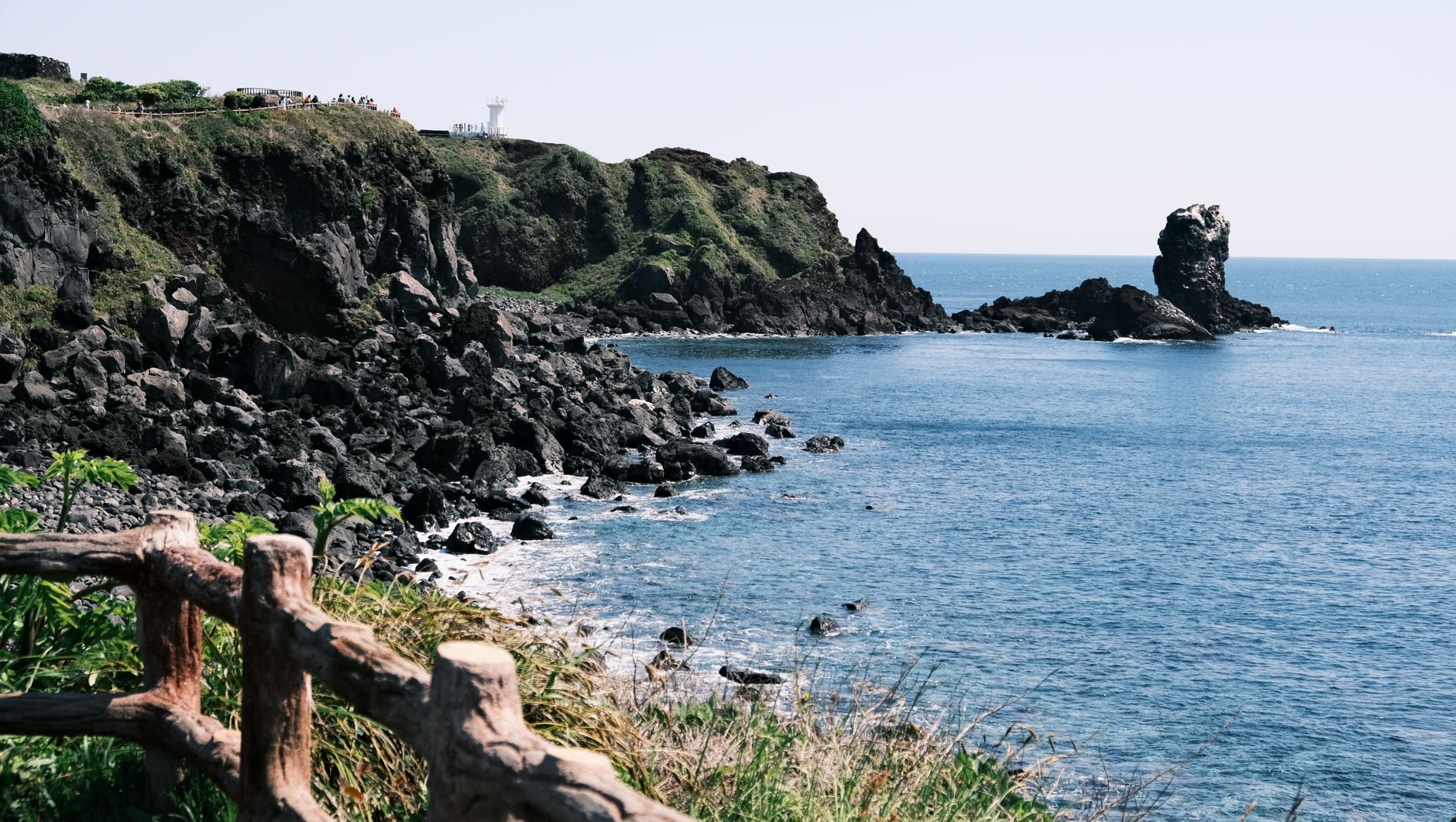
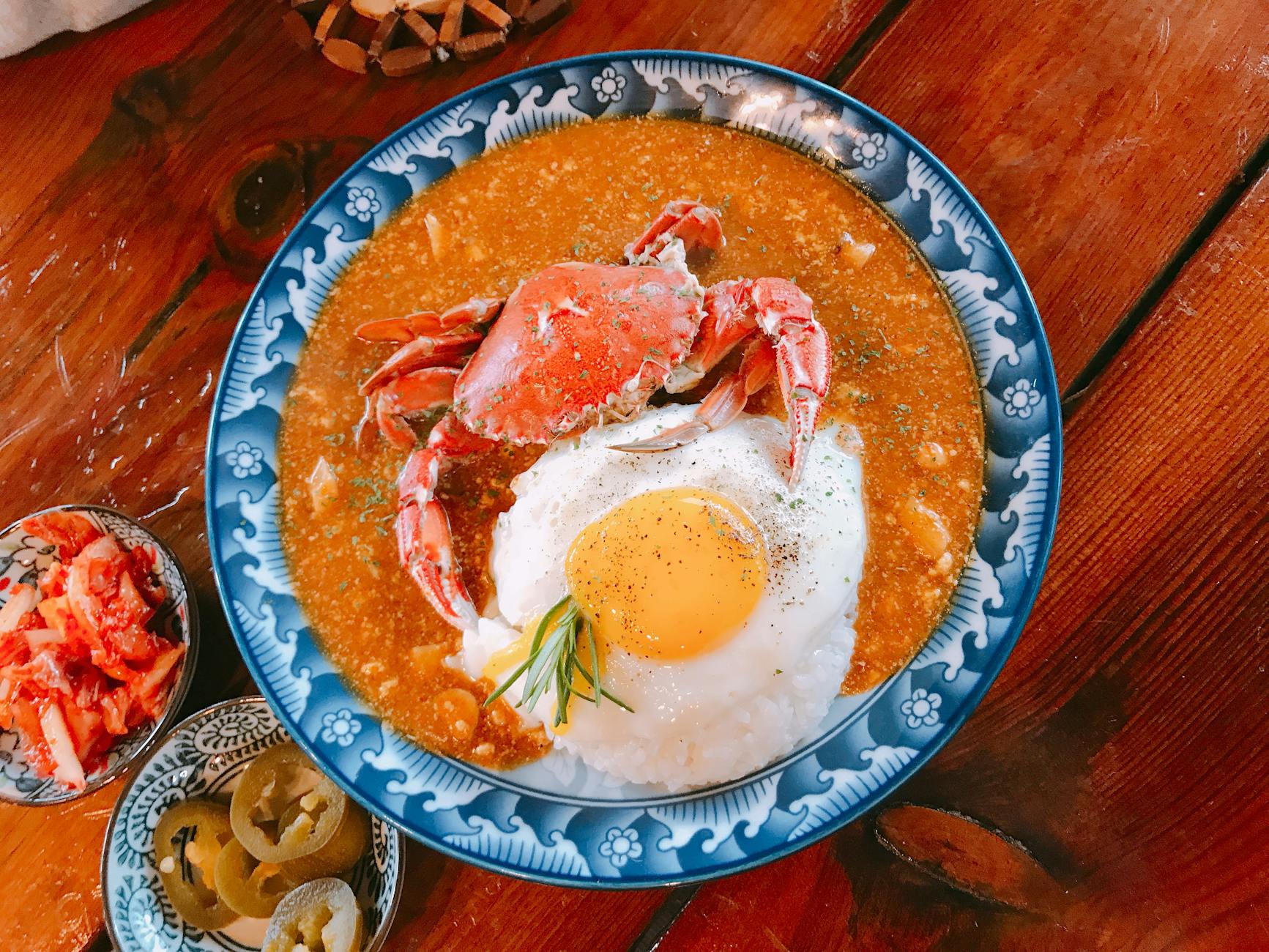
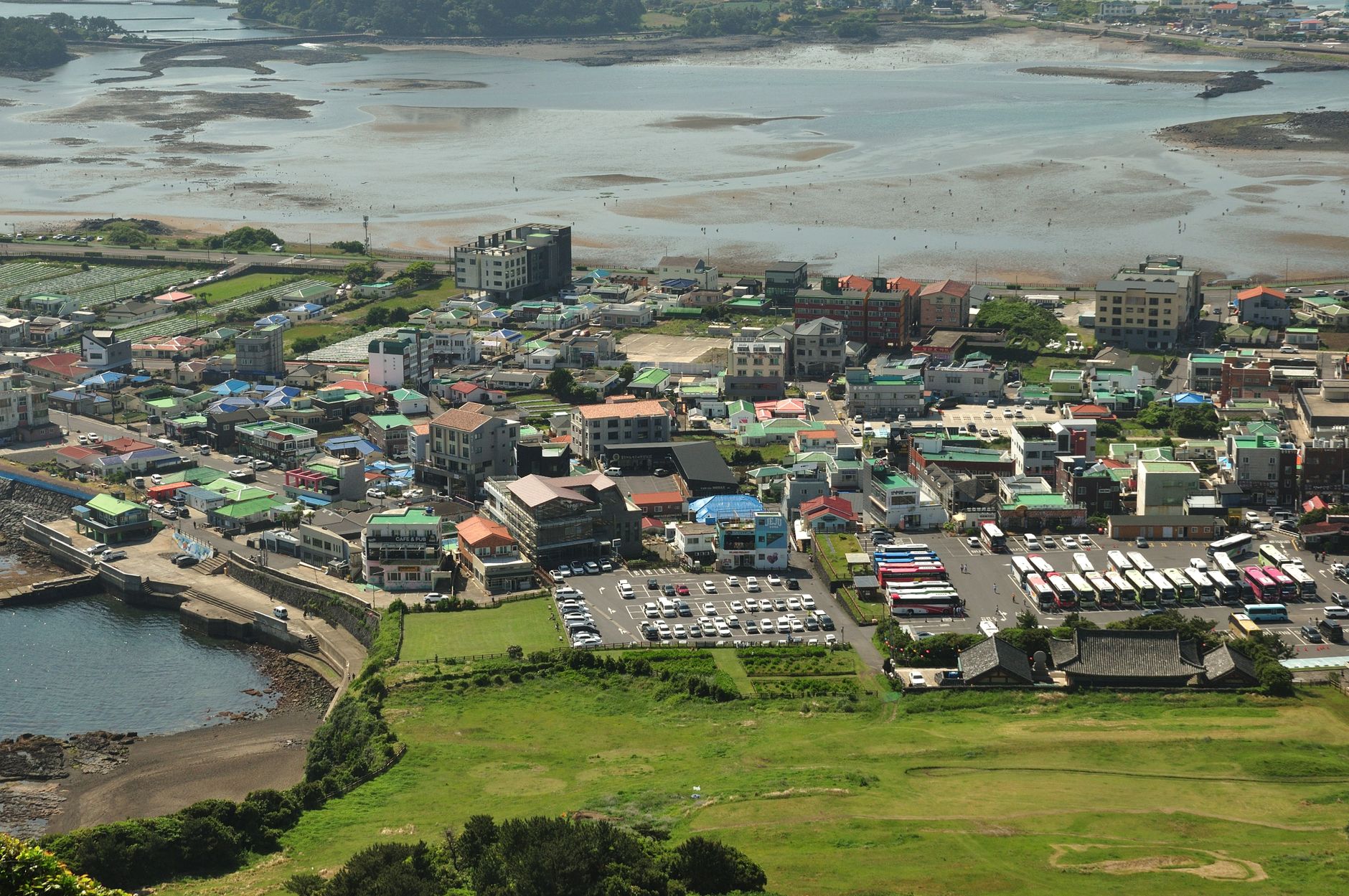
Seogwipo sits on the southern coast of Jeju Island, eighty minutes by direct express bus from Jeju International Airport. The town is known for working fishing harbours, volcanic waterfalls, and citrus groves shielded by black basalt walls. Seogwipo is worth visiting if you want to eat freshly grilled sea bream, hike rugged coastal trails, and watch haenyeo divers harvest abalone. Look elsewhere if you want late-night subway systems, roaring club districts, or wide sandy resort beaches.
Last updated 20 Nov 2026
Build a Seogwipo itinerary.
Choose up to 4 threads that pull you in. Your plan arrives organised around them.
The Bed
Where to stay in Seogwipo
Which part of town to book, and what each one costs you in walking, noise or quiet.
The Comparison
Seogwipo, or somewhere near it
The places you are realistically choosing between, and the honest case for each.
The Local Record
Where to read more about Seogwipo
The blogs, boards, guides and operators worth bookmarking.
What to do in Seogwipo Jeju-do South Korea
Life in Seogwipo unfolds along a steep volcanic shelf facing the southern ocean. Days run on the rhythms of fishing boats docking at the harbour, steam rising from dumpling stalls in the covered market, and long walks on pine-strewn Olle trails. It suits travellers who appreciate unhurried pace, brisk saltwater air, and dinners that revolve around whatever came off the morning boats or out of the tangerine groves.
24 hours in Seogwipo Jeju-do South Korea
Start early with abalone porridge near the port, then walk the coastal path out to Oedolgae before tour buses pull up. By afternoon, browse the stalls of Maeil Olle Market, saving your evening for thick black pork grilled over charcoal on Lee Jung-seop Street. Select 1 Day above to see it.
2 days in Seogwipo Jeju-do South Korea
Day two takes you west toward Jungmun to watch the sea surge against the Jusangjeolli basalt pillars. Eat a lunch of braised hairtail fish stew with radish, then spend a quiet afternoon among the tea bushes in Andeok before catching sunset at Sanbangsan. Choose 2 Days to expand the plan.
3 days in Seogwipo Jeju-do South Korea
With three days, take bus 201 out to Seongsan Ilchulbong at dawn, circling the crater before the crowds arrive. Spend the afternoon wandering through the volcanic stone alleys of Seongeup, finishing with a hot bowl of pheasant noodles at a roadside counter.
Seogwipo Jeju-do South Korea itineraries by interest
Local Seafood in Seogwipo Jeju-do South Korea
Slurp raw sea cucumber and abalone sliced fresh from plastic basins by haenyeo divers along the basalt rocks below Cheonjiyeon.
Coastal Walks in Seogwipo Jeju-do South Korea
Walk Jeju Olle Route 7 along the columnar joints of Oedolgae rock, where pine needle paths meet spray from the South Sea.
Markets & Produce in Seogwipo Jeju-do South Korea
Browse Seogwipo Maeil Olle Market for Hallabong tangerines, sweet red-bean omegi rice cakes, and whole hairtail fish on crushed ice.
Volcanic Landscapes in Seogwipo Jeju-do South Korea
Inspect the hexagonal basalt columns of Jusangjeolli Cliff, formed when Hallasan lava cooled rapidly against the ocean swell.
Pork Traditions in Seogwipo Jeju-do South Korea
Sit at low tables for thick-cut Jeju black pork belly grilled over briquettes and dipped into bubbling salted anchovy sauce.
Day Trips in Seogwipo Jeju-do South Korea
Catch bus 201 east to Seongsan Ilchulbong to climb the volcanic tuff cone, then eat raw turban shell snails at the water line.
Waterfalls & Streams in Seogwipo Jeju-do South Korea
Walk down wooden steps to Jeongbang Falls, where mountain freshwater drops directly into the sea over a dark volcanic rock face.
Modern Art in Seogwipo Jeju-do South Korea
Visit the Lee Jung-seop Gallery on its namesake street to see ink drawings on tobacco foil produced during his wartime exile.
Tea Culture in Seogwipo Jeju-do South Korea
Wander the terraced green tea fields of Osulloc near Andeok, where volcanic loam and coastal humidity nourish young spring shoots.
Island Hikes in Seogwipo Jeju-do South Korea
Follow the forest boardwalk across the suspension bridge to Saeseom Island, circling the quiet pine grove in forty minutes.
Street Food in Seogwipo Jeju-do South Korea
Eat gimbap stuffed with fried hairtail or pork cutlet wrapped in seaweed at the covered night stalls along Jungjeong-ro.
Folk Architecture in Seogwipo Jeju-do South Korea
Examine low-slung thatched farmhouses anchored by braided ropes against typhoon winds at Seongeup Folk Village just inland.