
_(30039194120).jpg)
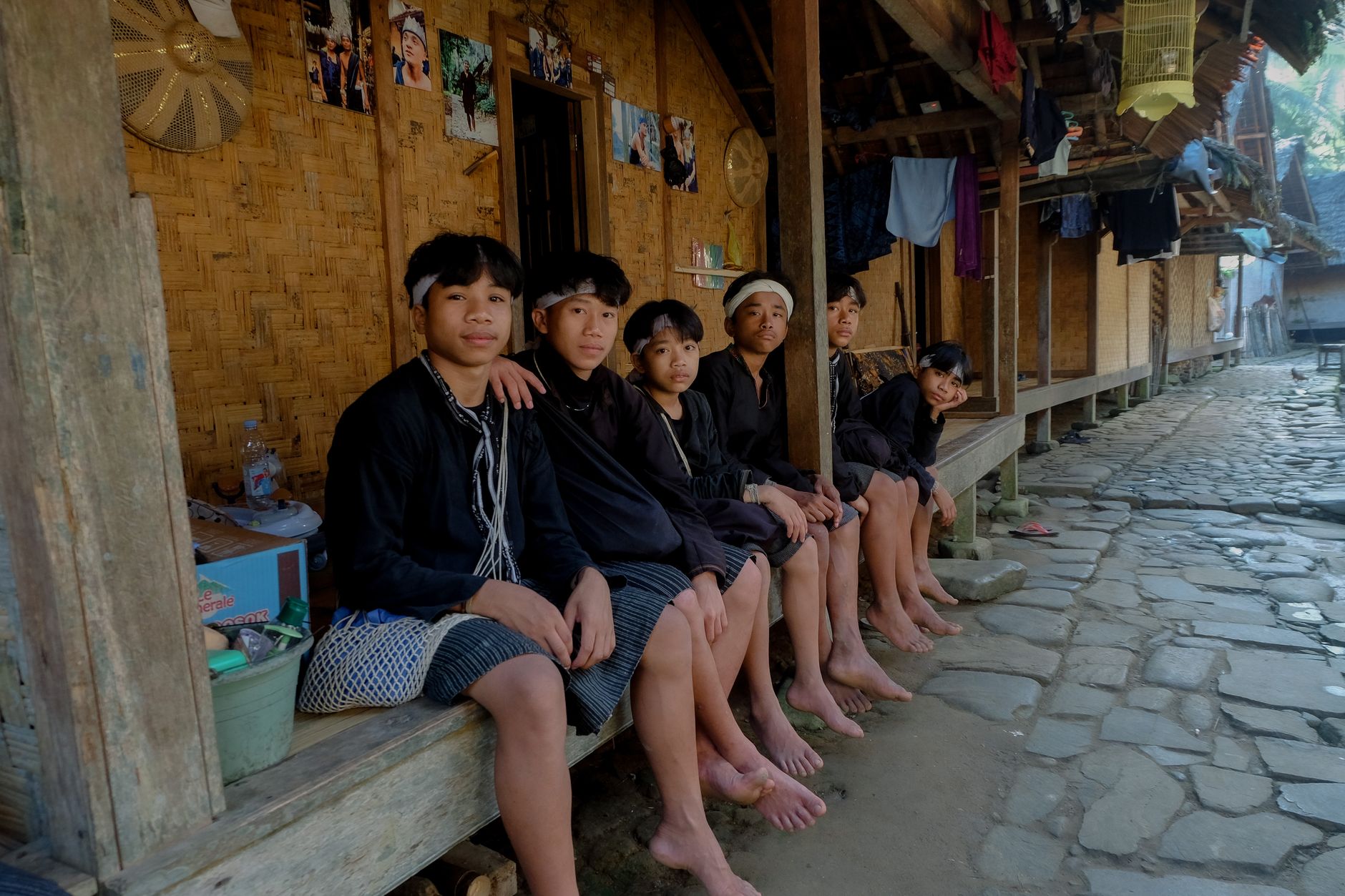


Sidemen sits ninety minutes northeast of Ngurah Rai International Airport in the foothills of Mount Agung. The valley is known for endek and songket textile weaving and terraced subak rice farming along the Unda River. Sidemen is worth visiting if you want to walk working agricultural terraces and watch family workshops dye and weave silk by hand. Look elsewhere if you require paved footpaths, beachfront cafes, late-night bars, or rapid taxi service.
Last updated 10 Oct 2026
Build a Sidemen itinerary.
Choose up to 4 threads that pull you in. Your plan arrives organised around them.
The Bed
Where to stay in Sidemen
Which part of town to book, and what each one costs you in walking, noise or quiet.
The Comparison
Sidemen, or somewhere near it
The places you are realistically choosing between, and the honest case for each.
The Local Record
Where to read more about Sidemen
The blogs, boards, guides and operators worth bookmarking.
What to do in Sidemen Bali Indonesia
Sidemen spreads along a tranquil river valley where daily life follows the rhythms of planting, harvesting, and weaving. Mornings belong to quiet walks along stone irrigation canals before the afternoon mist gathers over the hills. There are no shopping strips or beach clubs here; days are spent wandering between quiet villages like Tabola, talking to local weavers, and settling in for fresh grilled fish.
24 hours in Sidemen Bali Indonesia
Start before dawn at the viewpoint near Bukit Cinta as the sun hits Mount Agung, then head to Pasar Sidemen for warm coffee and klepon. Spend the midday heat touring a family-run songket workshop in Tabola, and finish with a plate of smoky ayam betutu at a hillside warung. Select 1 Day above to see it.
2 days in Sidemen Bali Indonesia
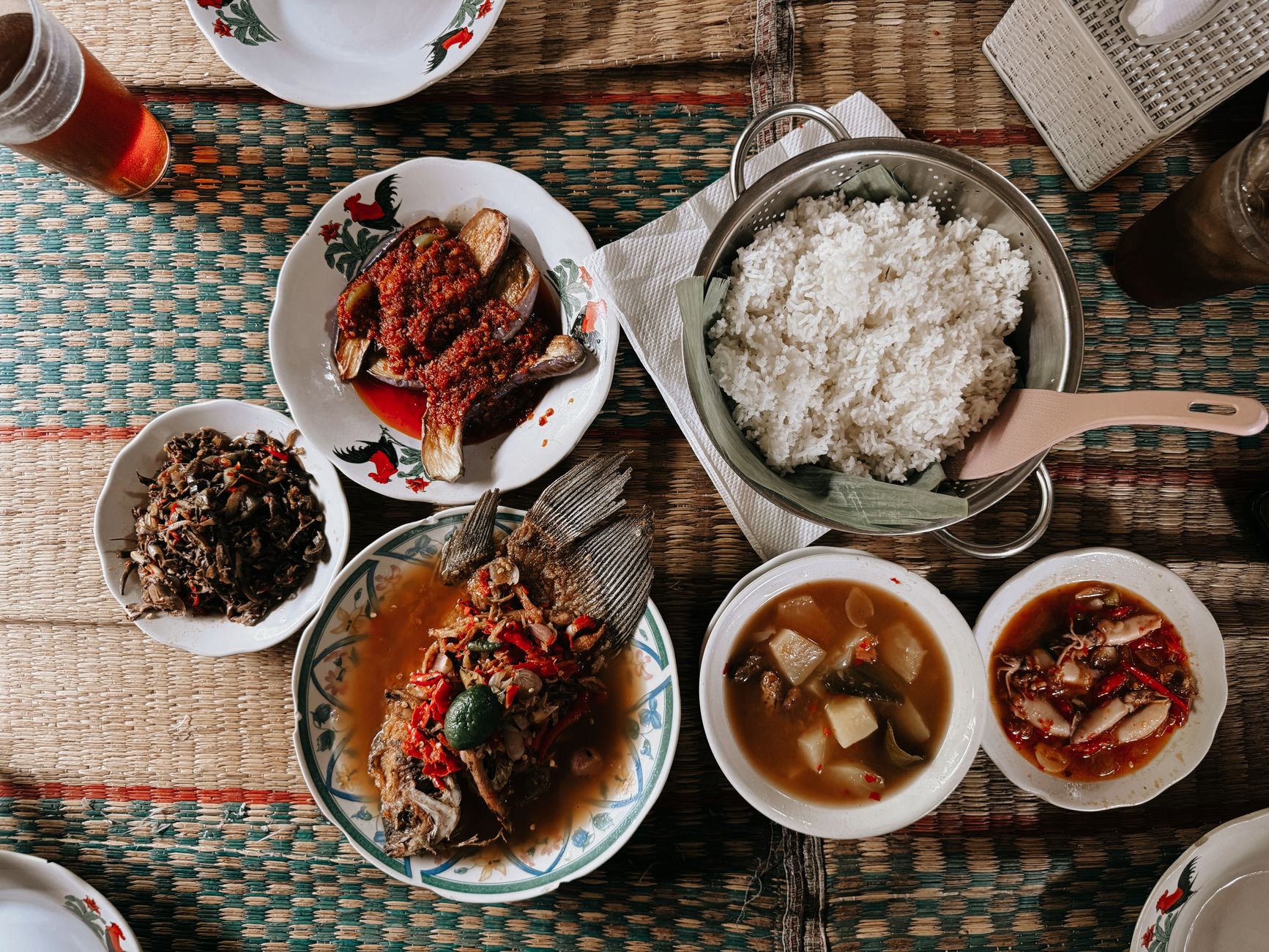
A second day lets you explore the higher hamlet of Iseh. Walk downhill past clove orchards and small palm sugar operations, stopping for a glass of fresh arak. In the evening, cross the Unda River footbridge to eat pepes ikan—spiced fish steamed in banana leaves. Choose 2 Days to expand the plan.
3 days in Sidemen Bali Indonesia
With three days, take the thirty-minute drive to Pura Besakih temple complex on the slopes of Mount Agung early before tour buses arrive. Return via the backroads of Selat, stopping at roadside stands for salak fruit and touring small cocoa drying yards.
Sidemen Bali Indonesia itineraries by interest
Craft Traditions in Sidemen Bali Indonesia
Watch weavers operate wooden backstrap looms to create intricate songket and endek ikat fabrics in workshops along the main Tabola road.
Local Distilling in Sidemen Bali Indonesia
Track the distillation of fresh lontar palm sap into clear arak spirit in small backyard copper stills throughout the valley.
Hiking in Sidemen Bali Indonesia
Follow dirt subak trails across the Unda River irrigation channels and climb toward Bukit Cinta for sunrise views of Mount Agung.
Regional Cooking in Sidemen Bali Indonesia
Eat slow-cooked smoked duck (bebek betutu) wrapped in banana leaves and sharp sambal matah made with raw shallots and lemongrass.
Markets & Produce in Sidemen Bali Indonesia
Arrive at Pasar Sidemen by six in the morning for freshly pounded jackfruit lawar, snake fruit (salak), and steaming sweet klepon.
Sacred Architecture in Sidemen Bali Indonesia
Visit Pura Bukit Rangda and village bale banjar pavilions adorned with black volcanic stone carvings and woven palm leaf offerings.
River Walks in Sidemen Bali Indonesia
Cross yellow suspension bridges over the rocky Telaga Waja and Unda rivers, skirting cold freshwater springs and bamboo groves.
Agrarian Culture in Sidemen Bali Indonesia
Learn the ancient subak cooperative irrigation network that channels spring water through stepped rice paddies and chilli fields.
Day Trips in Sidemen Bali Indonesia
Hire a driver south to the bat cave at Pura Goa Lawah or climb north toward Pura Besakih, Bali's mother temple on Mount Agung's slope.
Cycling in Sidemen Bali Indonesia
Ride downhill routes along quiet backroads from Iseh to Klungkung, passing clove trees, cacao plantations, and roadside warungs.
Street Food in Sidemen Bali Indonesia
Stop at village stalls for tipat cantok—steamed rice cakes tossed with fried tofu, water spinach, and freshly crushed peanut dressing.
Coffee & Tea in Sidemen Bali Indonesia
Sip dark Balinese robusta brewed unfiltered in a glass and taste infusions of locally dried lemongrass, ginger, and wild rosella.